

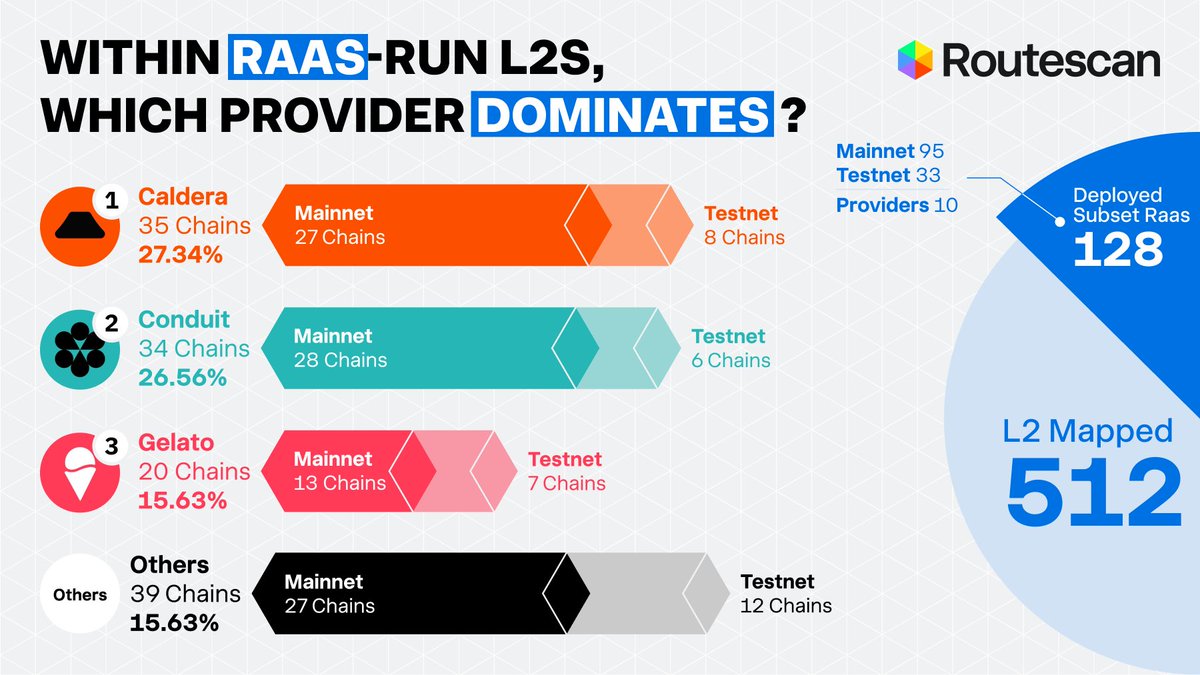
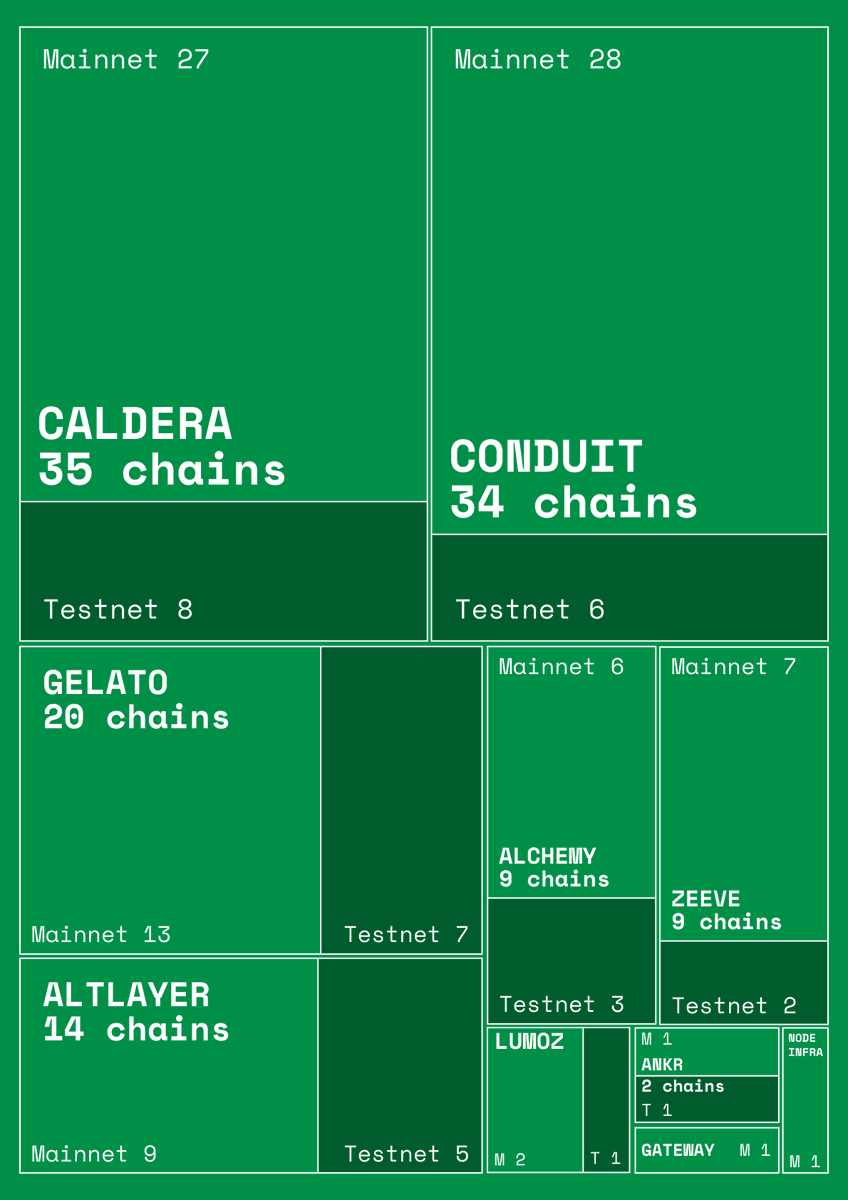
In March 2026, as Ethereum trades at $2,027.68 with a modest 24-hour gain of and 0.19%, the Rollups-as-a-Service (RaaS) sector stands at a pivotal crossroads. These platforms now power 128 L2 rollups, distributing customized blockspace across Ethereum's ecosystem and fueling scalability for apps from DeFi protocols to gaming hubs. Yet, power remains concentrated among just 10 key providers: Caldera, AltLayer, Conduit, Stackup, Gateway, Abstract, Immulate, Sovereign Labs, 0G Labs, and Chainstack. This RaaS providers L2 rollups landscape reveals not just market dynamics but strategic choices for builders eyeing 2026 launches.
RaaS Market Surge: $75.4 Million Today, $354 Million Horizon
The global RaaS market hit USD 75.4 million in 2024 and barrels toward USD 354 million by 2032 at a 20.5% CAGR, per Intel Market Research. This boom stems from Ethereum's L2 TVL peaking at $51.5 billion late last year, up 205% year-over-year. Developers crave rollup as a service market share 2026 insights because launching sovereign chains no longer means wrestling infrastructure solo. RaaS abstracts away sequencer setup, prover integration, and node management, letting teams prioritize dApp innovation.
But here's the strategic angle: while one-click deploys dazzle, defaults like single provider-managed sequencers invite censorship risks and single points of failure. Bundled provers? They breed vendor lock-in. Smart founders audit these configs early, blending RaaS speed with true decentralization. For app-chains, providers like Abstract shine by emphasizing seamless deployment, as detailed in our guide on how RaaS accelerates app-chain deployment.

Power Concentration: Decoding the 128 L2 Rollups Breakdown
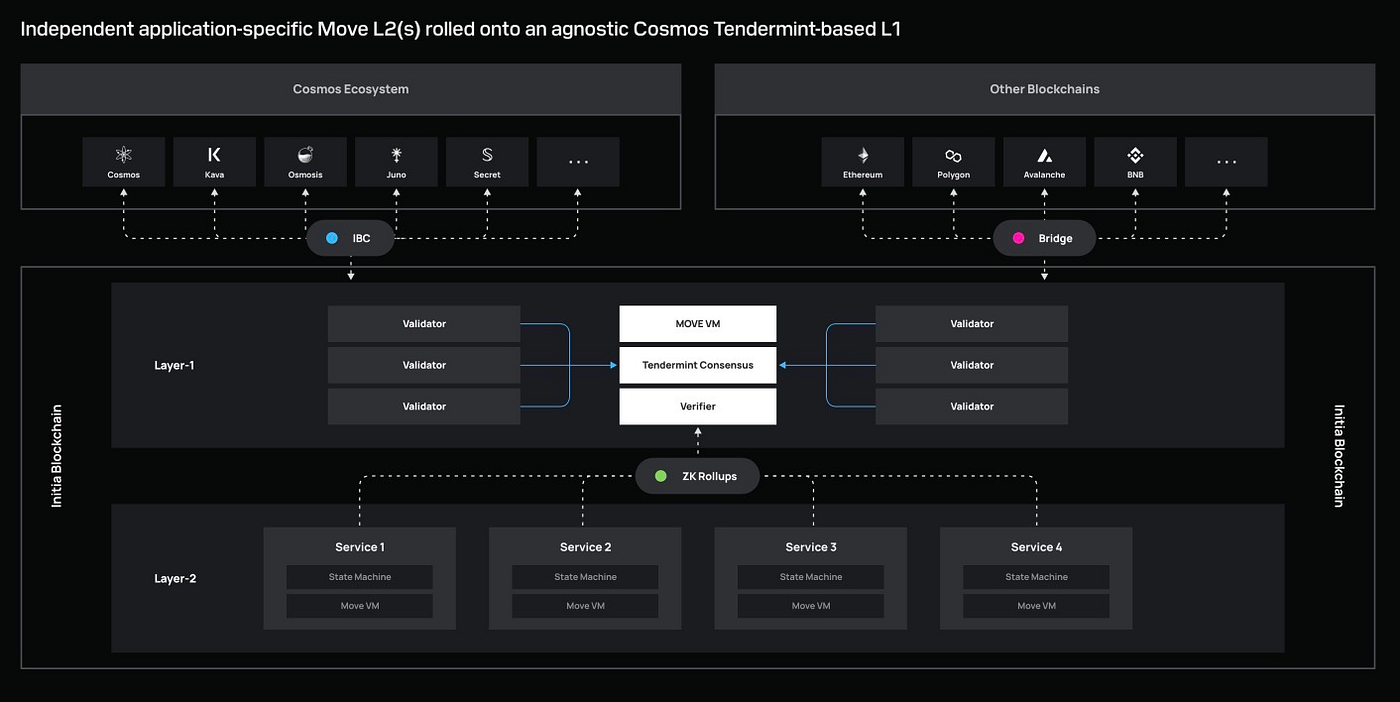
Among the 128 RaaS-powered L2s, market share tilts heavily toward frontrunners. Caldera dominates with OP Stack, Arbitrum Orbit, and Polygon CDK support, earning nods for reliability in one-click rollups. AltLayer follows, excelling in restaked rollups that boost security via shared ETH stakes. Conduit plugs into modular stacks, ideal for devs mixing ZK and optimistic tech.
Stackup and Gateway round out the mid-tier, with Stackup's developer-friendly tools and Gateway's focus on cross-chain bridges streamlining multi-L2 ops. Then there's Abstract, pushing boundaries in customizable app-chains with expert support and uptime guarantees. Immulate brings sovereign rollup flavors, while Sovereign Labs and 0G Labs target high-throughput niches like AI workloads. Chainstack anchors the list with enterprise-grade infra.
| Provider | Key Strength | L2 Deployments Estimate |
|---|---|---|
| Caldera | Multi-stack support | High |
| AltLayer | Restaking integration | Medium-High |
| Conduit | Modular flexibility | Medium |
| Stackup | Dev tools | Medium |
| Gateway | Cross-chain | Medium |
This 128 RaaS L2 deployments snapshot underscores concentration risks. Caldera alone likely commands over 30% share, per industry chatter, amplifying outage impacts if one falters. Diversifying across providers hedges bets, much like options spreads in volatile markets.
Strategic Picks: Best RaaS for App-Chains in 2026
For best RaaS for app-chains, prioritize framework fit and risk mitigation. Caldera suits optimistic rollups needing speed; its ease masks deeper custom needs. AltLayer appeals to security hawks, leveraging restaking for slashed-proof ops. Conduit's plug-and-play wins for hybrid stacks, avoiding full-stack commitments.
Abstract emerges as a dark horse for startups, blending scalability with support that rivals in-house teams. Sovereign Labs and 0G Labs cater to data-heavy apps, promising sub-second finals. As L2 tokens like Arbitrum and Optimism rally, RaaS choices will dictate who captures value in this $51.5 billion TVL pool.
Ethereum (ETH) Price Prediction 2027-2032
Forecasts amid RaaS-powered L2 rollup growth and scalability advancements
| Year | Minimum Price | Average Price | Maximum Price |
|---|---|---|---|
| 2027 | $1,800 | $3,500 | $5,500 |
| 2028 | $2,500 | $4,800 | $8,000 |
| 2029 | $3,200 | $6,500 | $11,000 |
| 2030 | $4,000 | $8,500 | $14,500 |
| 2031 | $5,200 | $11,000 | $18,000 |
| 2032 | $6,500 | $13,500 | $22,000 |
Price Prediction Summary
Starting from a 2026 baseline of ~$2,028, Ethereum prices are projected to grow progressively through 2032, fueled by RaaS market expansion (20.5% CAGR to $354M), L2 TVL surges beyond $50B, and over 128 rollups. Average prices rise from $3,500 (72% YoY growth) to $13,500 (337% cumulative), with min/max reflecting bearish (regulatory hurdles) and bullish (mass adoption) scenarios.
Key Factors Affecting Ethereum Price
- RaaS market growth enabling rapid L2 deployments by providers like Caldera
- L2 TVL and adoption trends boosting Ethereum network usage
- Risks from sequencer centralization and vendor lock-in in RaaS defaults
- Technological upgrades enhancing Ethereum scalability and reducing fees
- Regulatory clarity and institutional adoption
- Competition from other L1s and macroeconomic cycles
Disclaimer: Cryptocurrency price predictions are speculative and based on current market analysis. Actual prices may vary significantly due to market volatility, regulatory changes, and other factors. Always do your own research before making investment decisions.
Builders must weigh deployment volume against innovation. High-share leaders offer battle-tested infra, but upstarts like Immulate challenge with fresher sovereignty models.
That tension defines L2 launch strategies 2026: chase proven scale or bet on agile innovators? My take, drawn from years dissecting volatility in crypto derivatives, mirrors options trading. Leaders like Caldera offer the 'covered call' safety, steady premiums from high-volume deploys. Challengers like Immulate? Pure upside plays, high theta decay if they miss, but explosive if sovereignty trends accelerate.
Full Market Share: 128 L2 Rollups by Provider
Estimates peg Caldera at 35-40 deployments, AltLayer around 20 with restaking tailwinds. Conduit hovers at 15, Stackup and Gateway each near 12. Abstract claims 10, bolstered by its focus on app-chain customization. Immulate, Sovereign Labs, 0G Labs, and Chainstack split the rest, each 5-8, per Routescan data. This rollup as a service market share 2026 skew means outages at top tiers ripple wide, yet niches open doors.
Top 10 RaaS Providers Market Share for 128 L2 Rollups
| Provider | Estimated Deployments | % Share |
|---|---|---|
| Caldera | 38 | 29.7% |
| AltLayer | 22 | 17.2% |
| Conduit | 16 | 12.5% |
| Stackup | 13 | 10.2% |
| Gateway | 12 | 9.4% |
| Abstract | 11 | 8.6% |
| Immulate | 7 | 5.5% |
| Sovereign Labs | 6 | 4.7% |
| 0G Labs | 6 | 4.7% |
| Chainstack | 5 | 3.9% |
Visualizing this concentration sharpens decisions. A diversified stack, say Caldera for core plus Abstract for specialized chains, spreads risk like a volatility collar.

2026 Playbook: Launching Your L2 with RaaS
With Ethereum holding steady at $2,027.68, L2 momentum favors bold launches. Prioritize providers matching your stack: optimistic? Caldera or Conduit. ZK-heavy? 0G Labs. App-chains craving sovereignty? Abstract or Sovereign Labs stand out, the latter for AI-data throughput, Abstract for startup-friendly infra that cuts deployment from months to days.
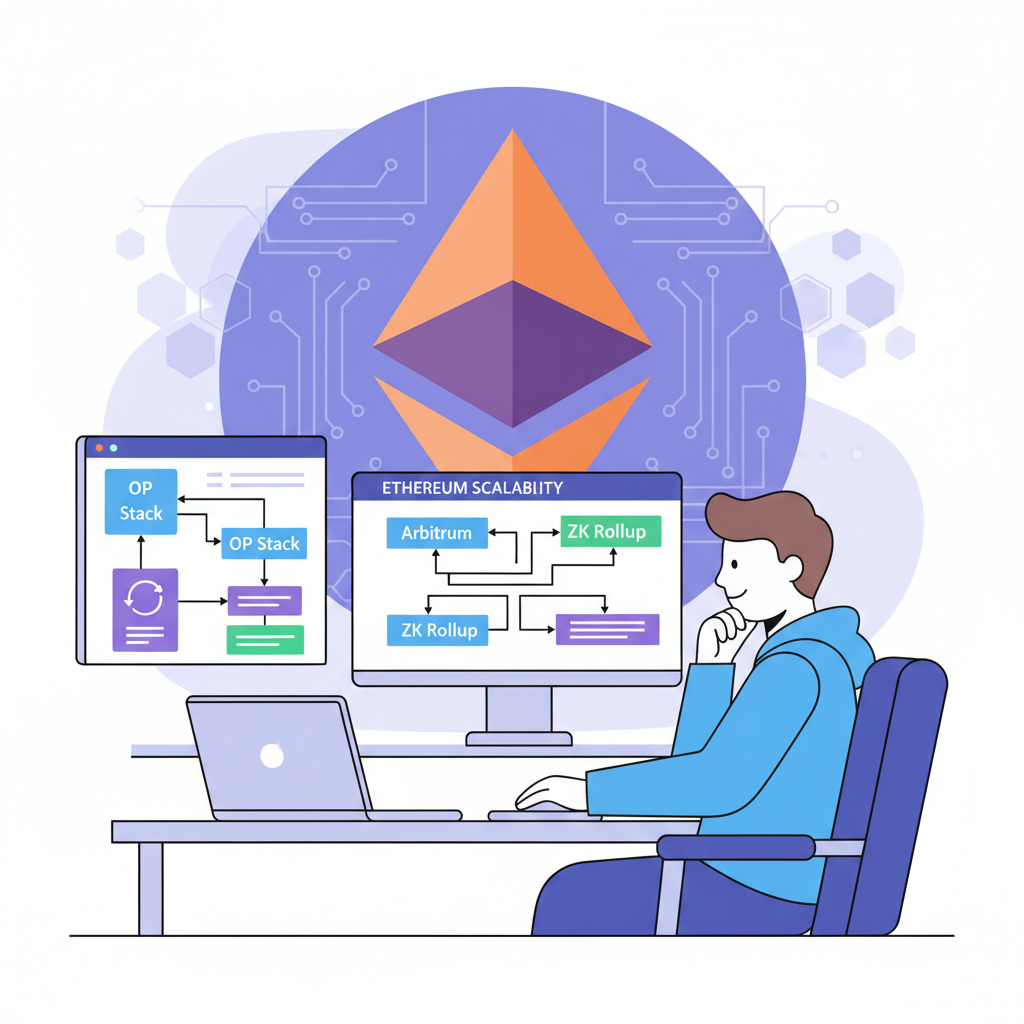
2026 L2 Launch Blueprint: Deploy via RaaS in 6 Strategic Steps
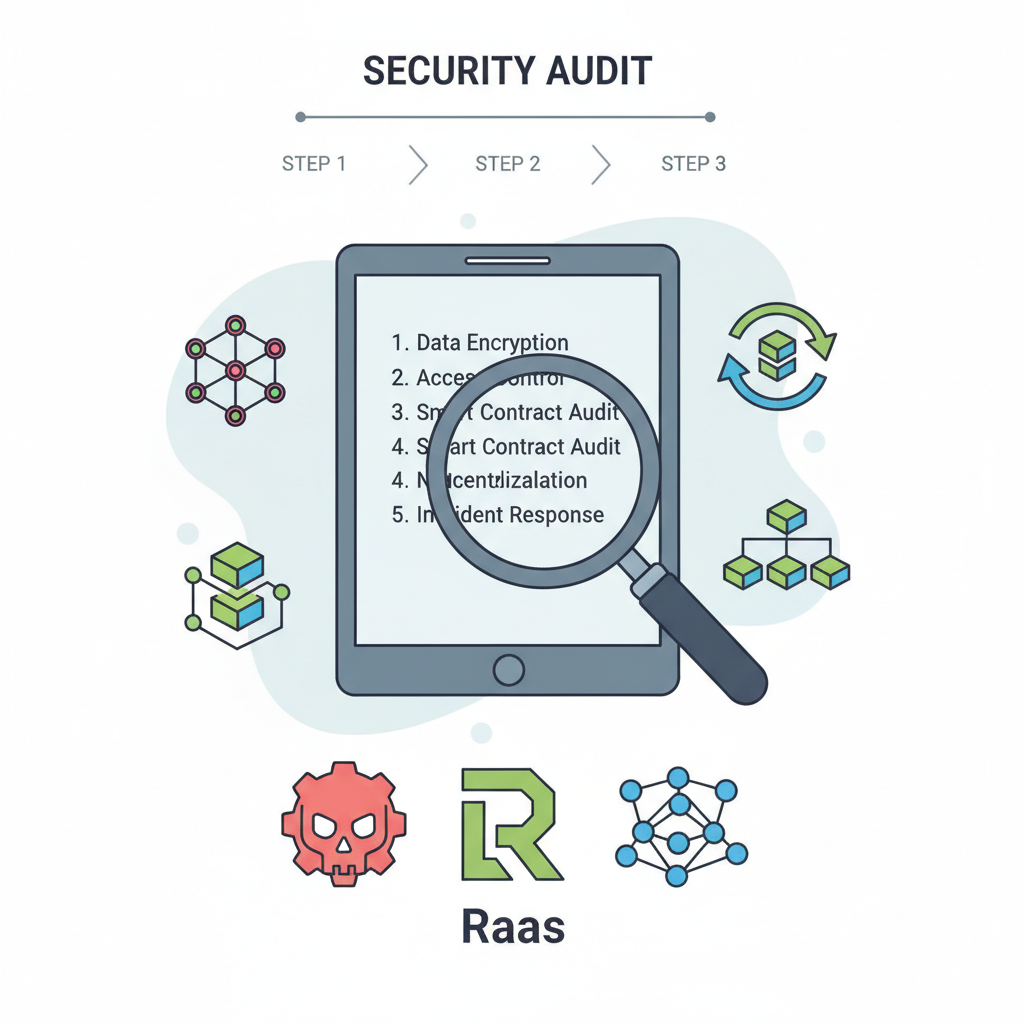
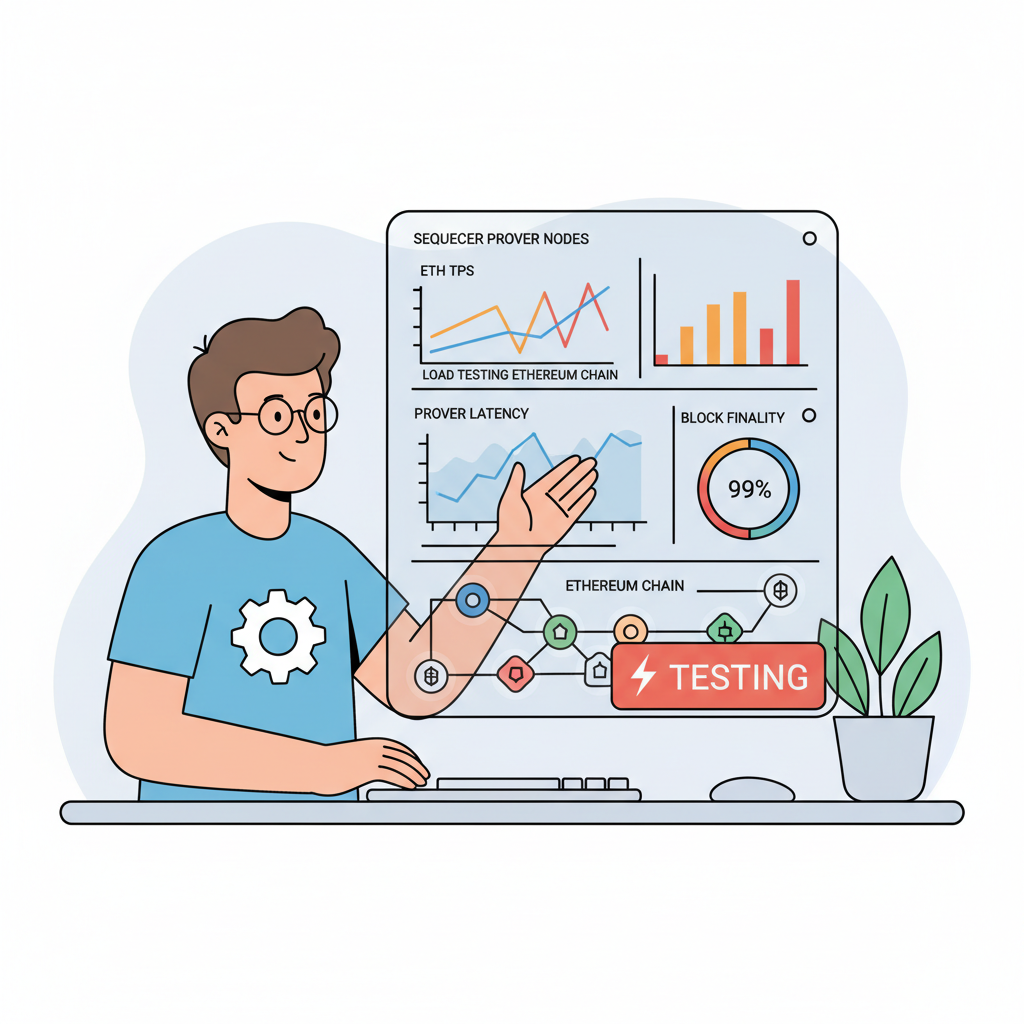
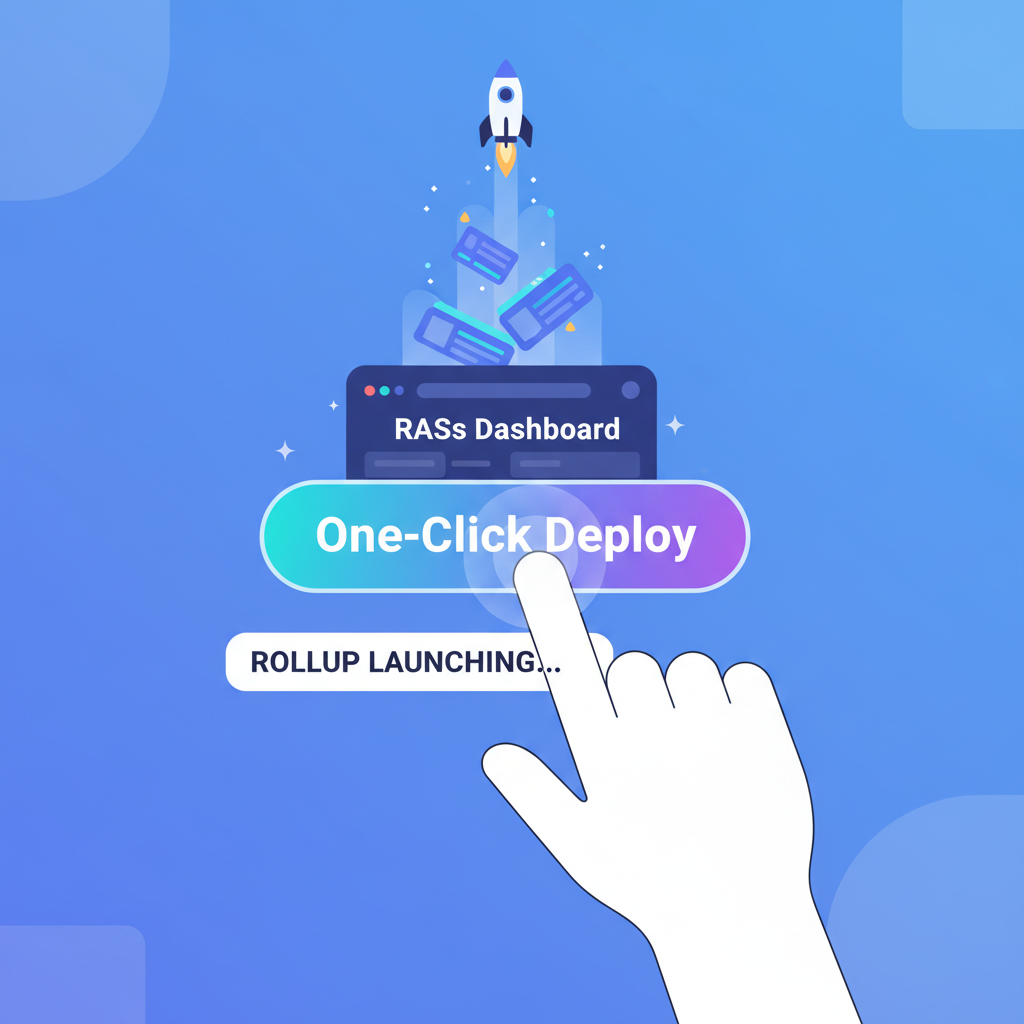
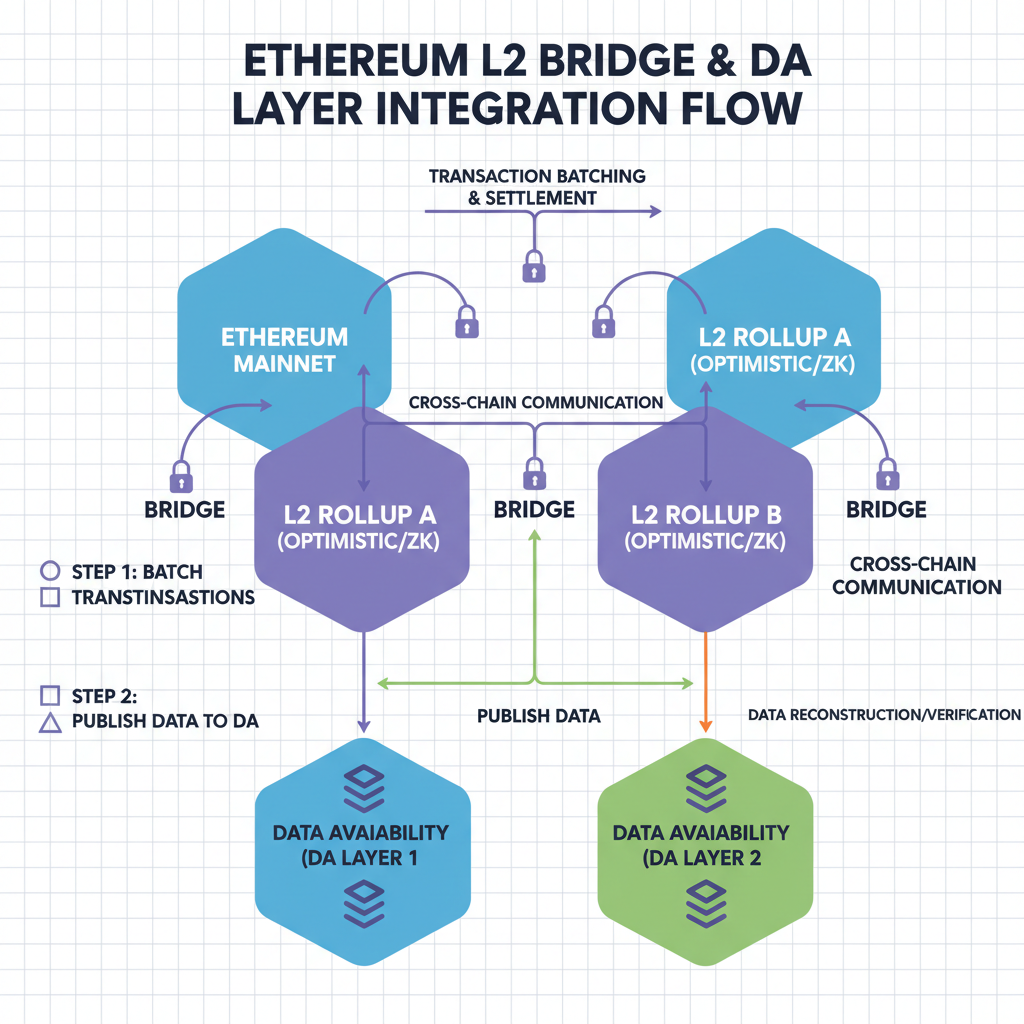
Post-launch, bridge liquidity via Gateway, hedge censorship with multi-sequencer setups from Stackup. Abstract's edge? It streamlines this, letting you sidestep infra pitfalls while scaling securely.
Top 10 RaaS Providers for 2026
- Caldera - Speed kings for DeFi; one-click rollups on OP Stack, Arbitrum Orbit, Polygon CDK. Leading with reliability and ease.
- AltLayer - Restaking security; modular rollups with shared security for scalable apps.
- Conduit - Hybrid flexibility; plug-and-play for Celestia DA and multi-VM support.
- Stackup - Seamless OP Stack deployments; ideal for quick L2 launches with custom configs.

- Gateway - RPC-optimized rollups; focuses on performant gateways for app-chains.
- Abstract - Custom app-chains with support; consumer-focused with strong dev tools.

- Immulate - Emulated environments for testing; bridges sim to production rollups.
- Sovereign Labs - AI sovereignty; sovereign rollups with AI integration privacy.
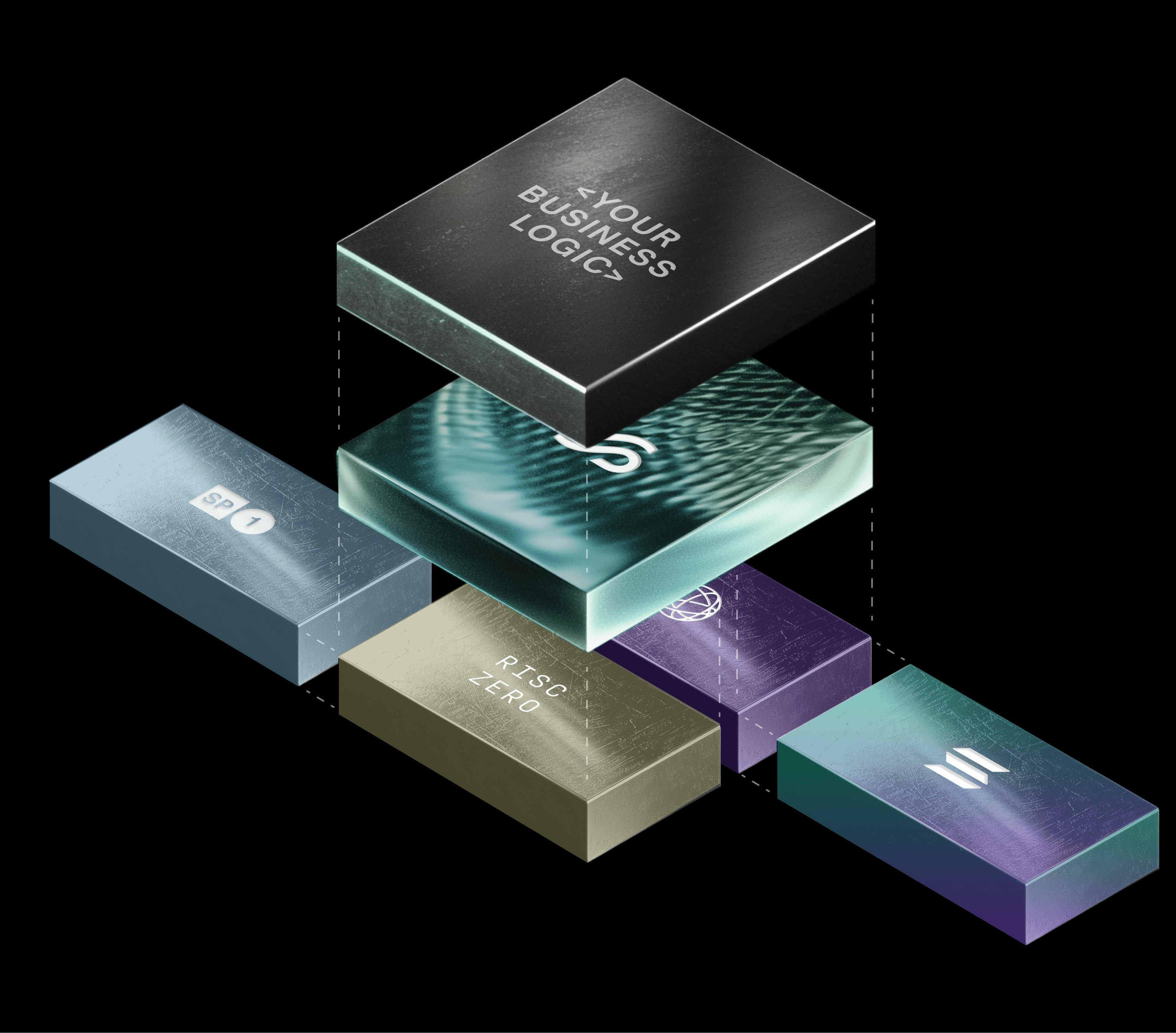
- 0G Labs - AI data availability; high-throughput for AI-driven L2s.
- Chainstack - Enterprise infra; managed nodes and rollups for production scale.
Ultimately, as TVL swells past $51.5 billion, the winners blend RaaS velocity with custom guardrails. Chainstack suits enterprises needing uptime, Immulate experiments with full control. Watch L2 tokens; if Arbitrum or Optimism pump on RaaS news, your chain rides the wave. For builders, 2026 isn't about picking the biggest, but the best fit. Evaluate defaults rigorously, diversify where possible, and launch ahead of the $354 million market tide.



No comments yet. Be the first to share your thoughts!