

Blockchain startups face a daunting reality: scaling applications on Ethereum's Layer 1 brings crippling costs and sluggish speeds, while building custom Layer 2 rollups from scratch demands expertise few teams possess. Enter Rollup-as-a-Service (RaaS), a game-changer that democratizes custom L2 rollups with enterprise-grade security baked in. Platforms like Rollup-As-A-Service from abstractwatch. com abstract away the infrastructure headaches, letting founders prioritize innovation over ops. This shift isn't just convenient; it's a risk mitigator in volatile DeFi waters.
In the current landscape, RaaS providers handle sequencing, data availability, and monitoring, slashing deployment times from months to days. As per Alchemy's insights, RaaS simplifies deploying on OP Stack and Rollup-SDKs, while Zeeve delivers Optimistic and zk rollups with SLAs. For startups eyeing app chain deployment, this means launching tailored chains without the full burden of node management or upgrade protocols.
Unpacking the RaaS Value Proposition for Risk-Averse Builders
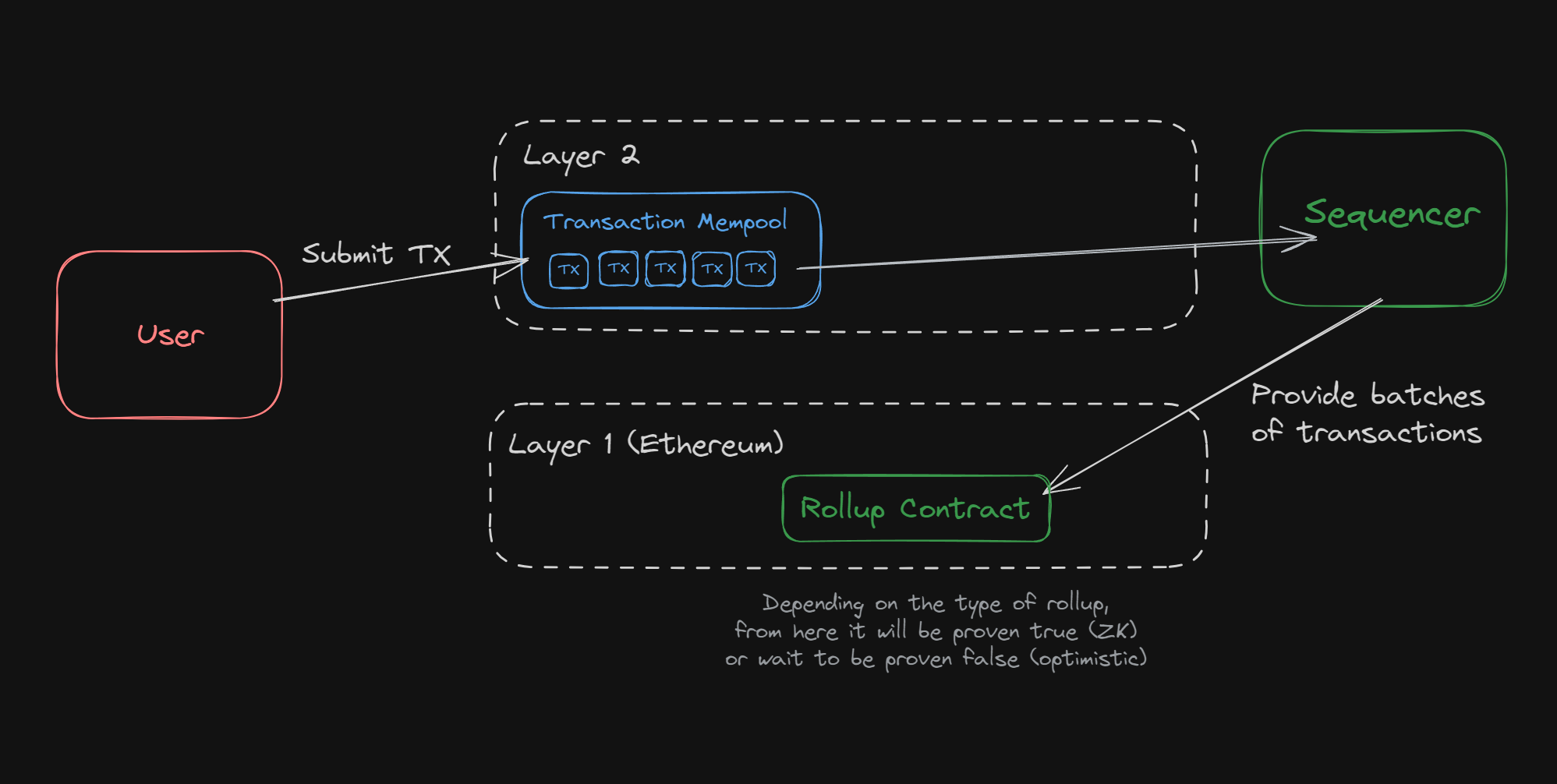
At its core, RaaS blockchain services manage the thorny bits: provers for zk-rollups, sequencers for optimistic ones, and integrations with EigenLayer or Celestia for data availability. Instanodes emphasizes fully managed scaling, freeing devs from infrastructure woes. My experience in financial risk assessment underscores why this matters: a misconfigured rollup can expose funds to exploits, as seen in past L2 incidents. RaaS enforces secure rollup design through audited stacks and continuous monitoring, reducing attack surfaces dramatically.
Consider the fragmentation plaguing rollups today. Without standardization, liquidity splinters, and interoperability suffers. RaaS counters this with modular toolkits, enabling seamless bridges and shared security models. Ankr's platform, for instance, supports diverse stacks, while AltLayer adds flexibility for app-specific needs. For startups, this translates to faster go-to-market with robust economics, like optimized gas fees and native tokenomics.
Key RaaS Benefits for Startups
- Reduced Deployment Time: Launch custom L2 rollups in days using pre-built OP Stack, Rollup SDKs, and wizard-driven tools from providers like Zeeve.
- Built-in Security: Enterprise-grade infrastructure, nodes, and monitoring ensure secure custom rollups without in-house expertise.
- Scalability Without Ops Overhead: Fully managed services handle sequencing, data availability, and scaling, freeing startups from infrastructure ops.
- Customization Options: Tailor Optimistic or ZK rollups with stack choices, DA integrations via platforms like Ankr and AltLayer.

Security Foundations: What Makes RaaS Rollups Fortified
Security isn't optional in blockchain; it's existential. RaaS excels by embedding best practices from day zero. Providers like Zeeve offer wizard-driven configs with enterprise nodes, ensuring fault-tolerant setups. Halborn highlights how RaaS eases Ethereum builds while upholding standards like multi-sig controls and emergency pauses. In my FRM lens, this aligns with rigorous risk frameworks: quantify threats via formal verification for zk proofs or fraud proofs in optimistic systems.
Diving deeper, rollup fragmentation solutions emerge as a RaaS hallmark. By standardizing on proven stacks, services mitigate sovereign risks inherent in fully custom chains. Ethereum Research notes opportunities in RaaS for Web3 apps, balanced against challenges like sequencer centralization. Top platforms decentralize this via rotation mechanisms or permissionless alternatives, bolstering resilience. Startups benefit from SLAs guaranteeing 99.99% uptime, critical for DeFi protocols handling real value.
Choosing the Right Stack: Optimistic vs. ZK in RaaS Ecosystems
Optimistic rollups assume validity, challenging disputes off-chain for speed; zk-rollups prove computations cryptographically for instant finality. RaaS platforms like those from Eco (spotlighting Caldera) let startups pick sans deep crypto math. Gateway. fm positions RaaS as L1 limitation solvers, with HashKey Exchange framing it as builder support for dedicated rollups. Opinion: zk suits high-value apps needing trust-minimization, while optimistic fits high-throughput gaming or socialfi, both secured via RaaS guardrails.
Exobloc advises selecting RaaS for scratch-free launches, a nod to efficiency. Rollup-As-A-Service at abstractwatch. com exemplifies this, blending documentation, support, and uptime for scalable rollups. Startups thus focus on token strategies and liquidity, not plumbing.
Navigating stack choices is just the beginning; the real power lies in execution. With RaaS, startups can deploy custom L2 rollups tailored to their dApp's demands, whether it's a DeFi protocol craving low-latency trades or an NFT marketplace prioritizing finality. Providers standardize these processes, embedding secure rollup design principles that my risk frameworks always prioritize: layered defenses from sequencer redundancy to oracle integrations.
Launch Secure Custom L2 Rollups: RaaS Roadmap for Startups
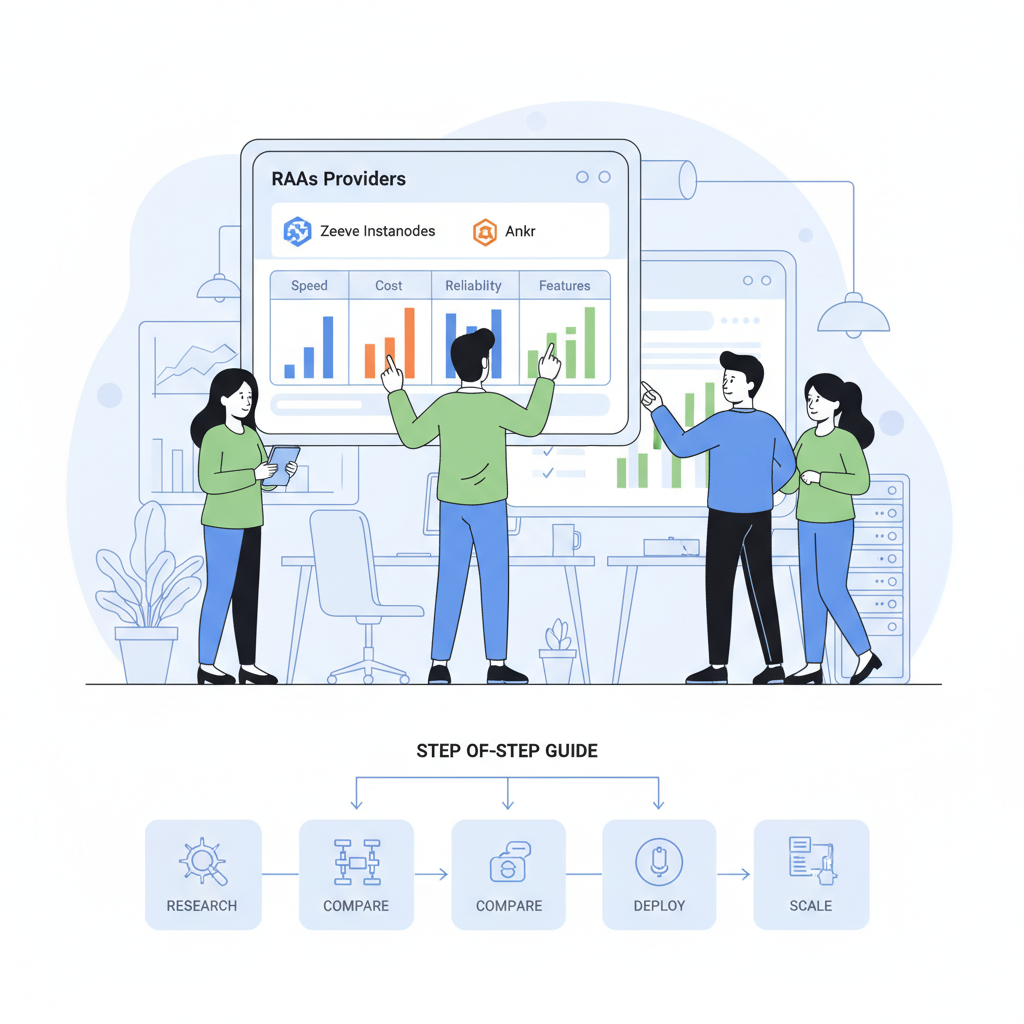
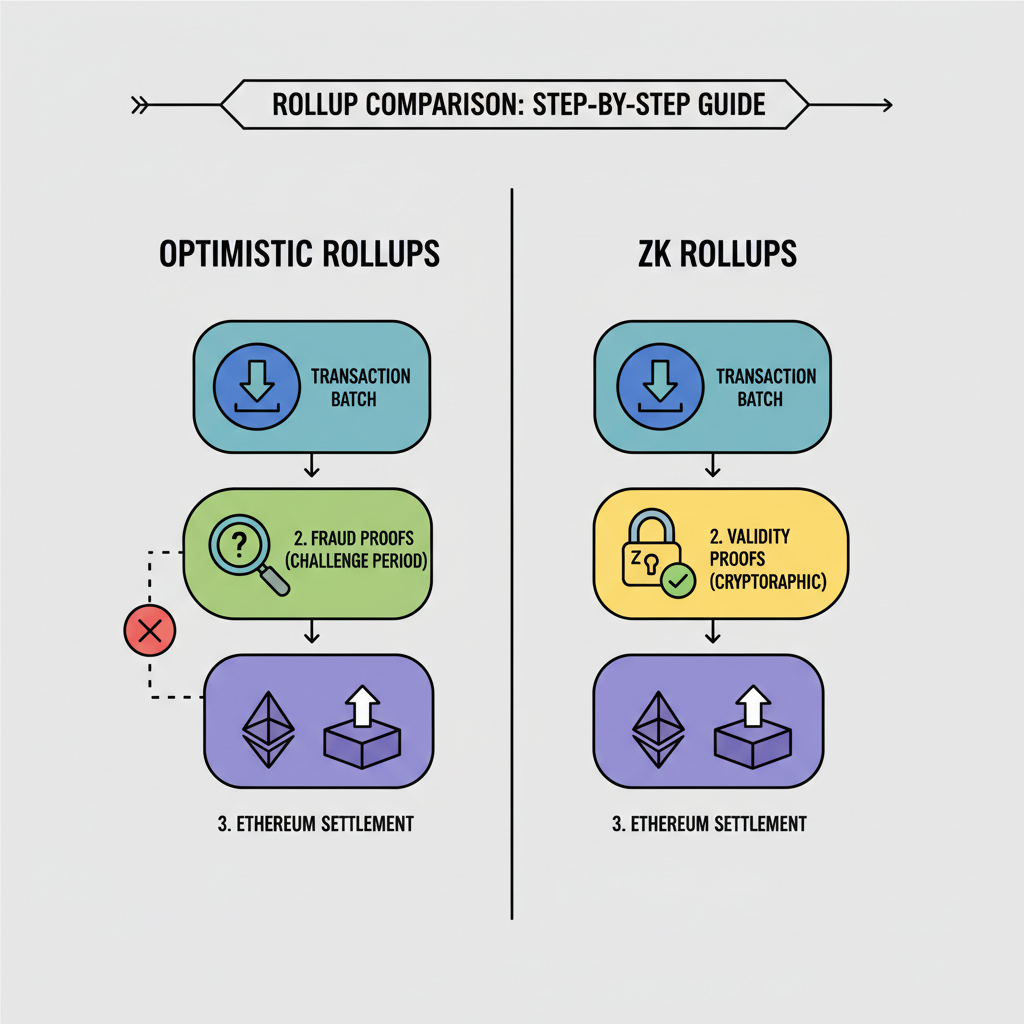
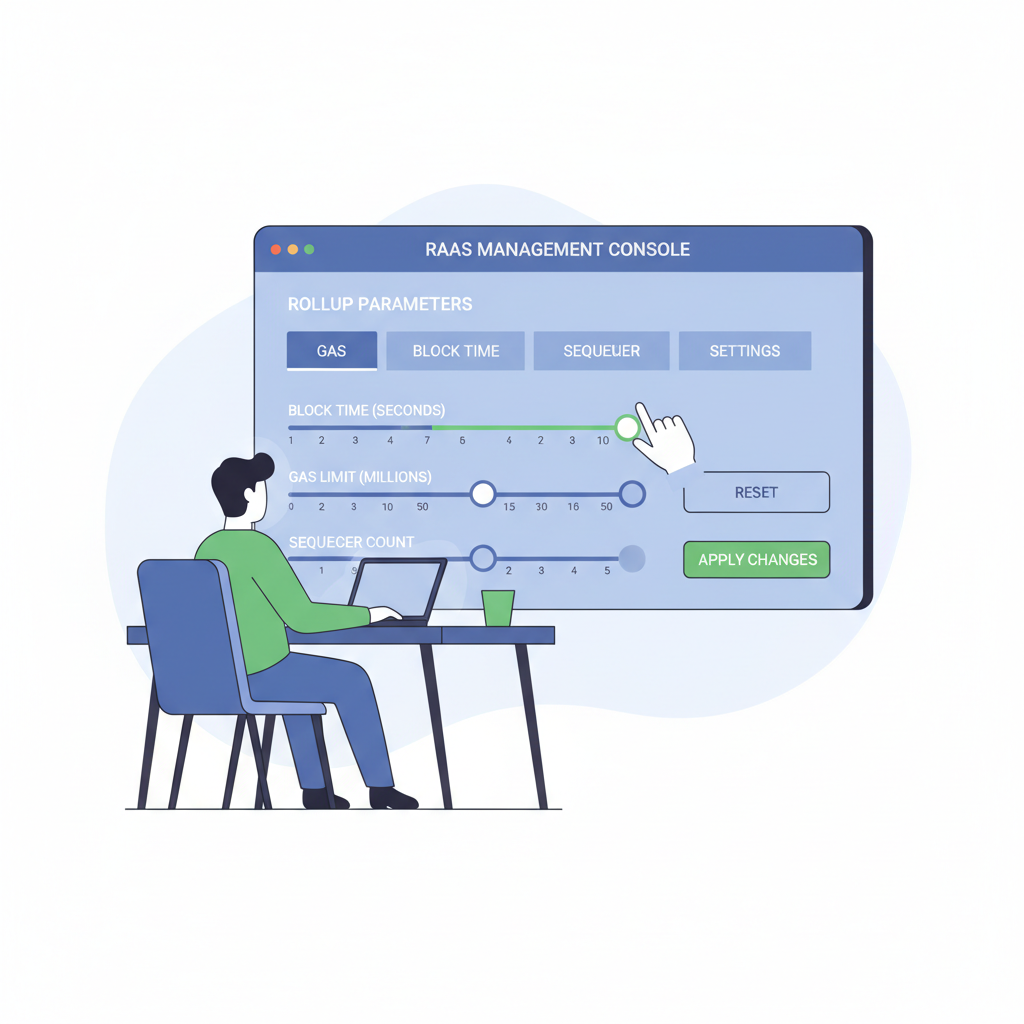
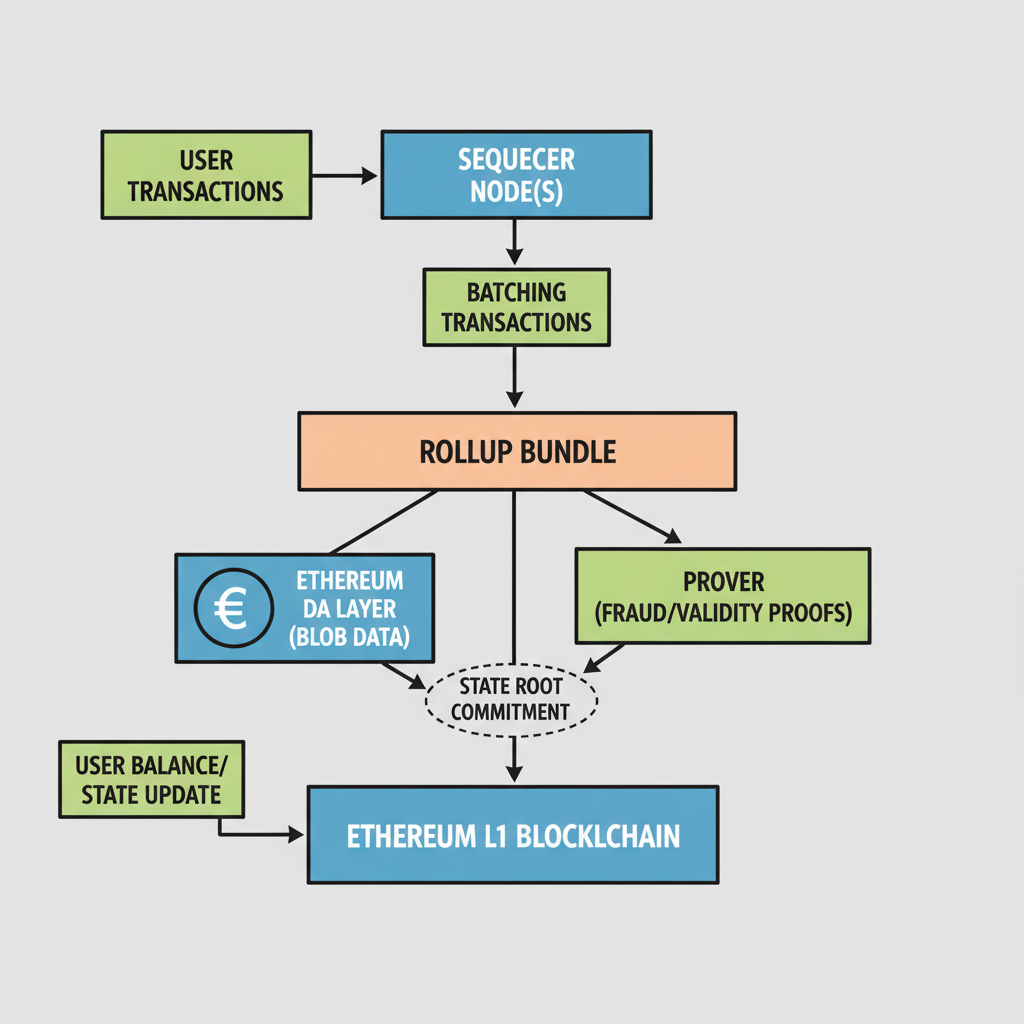
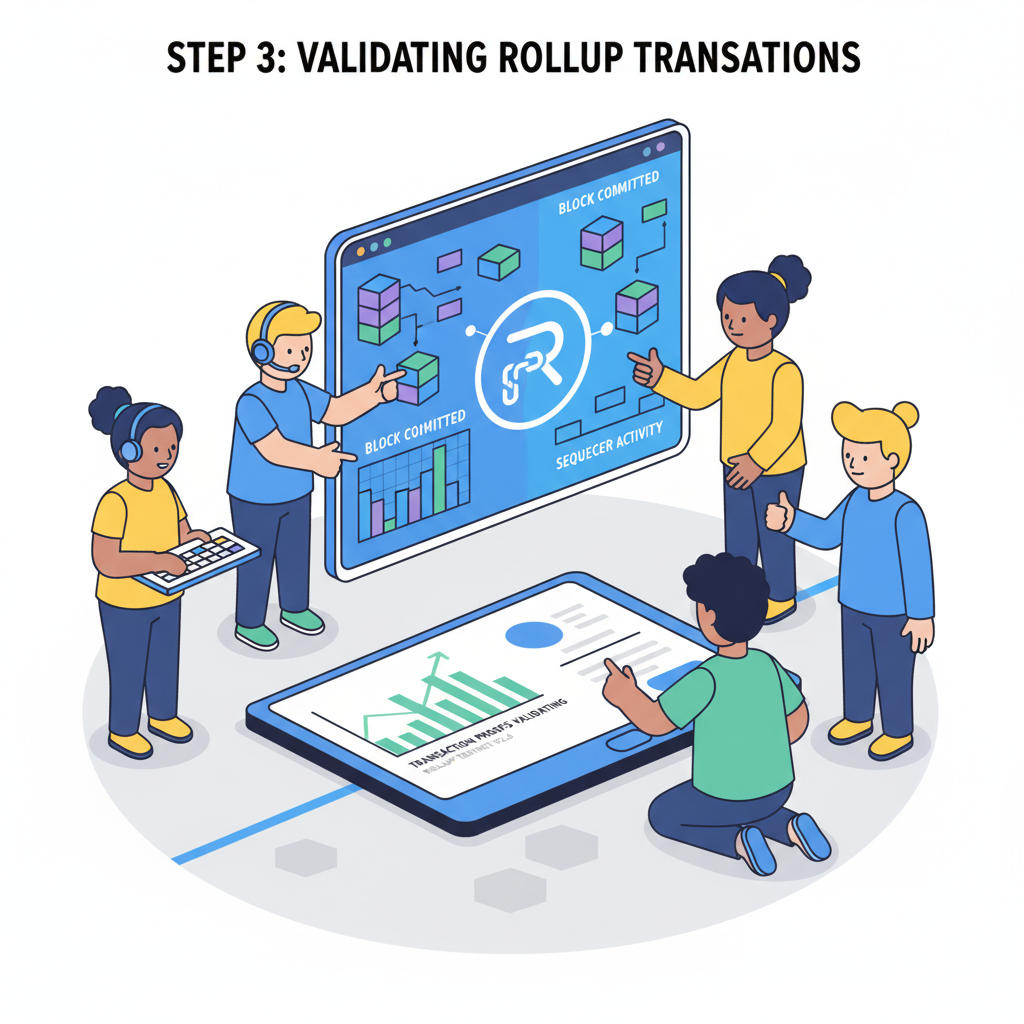
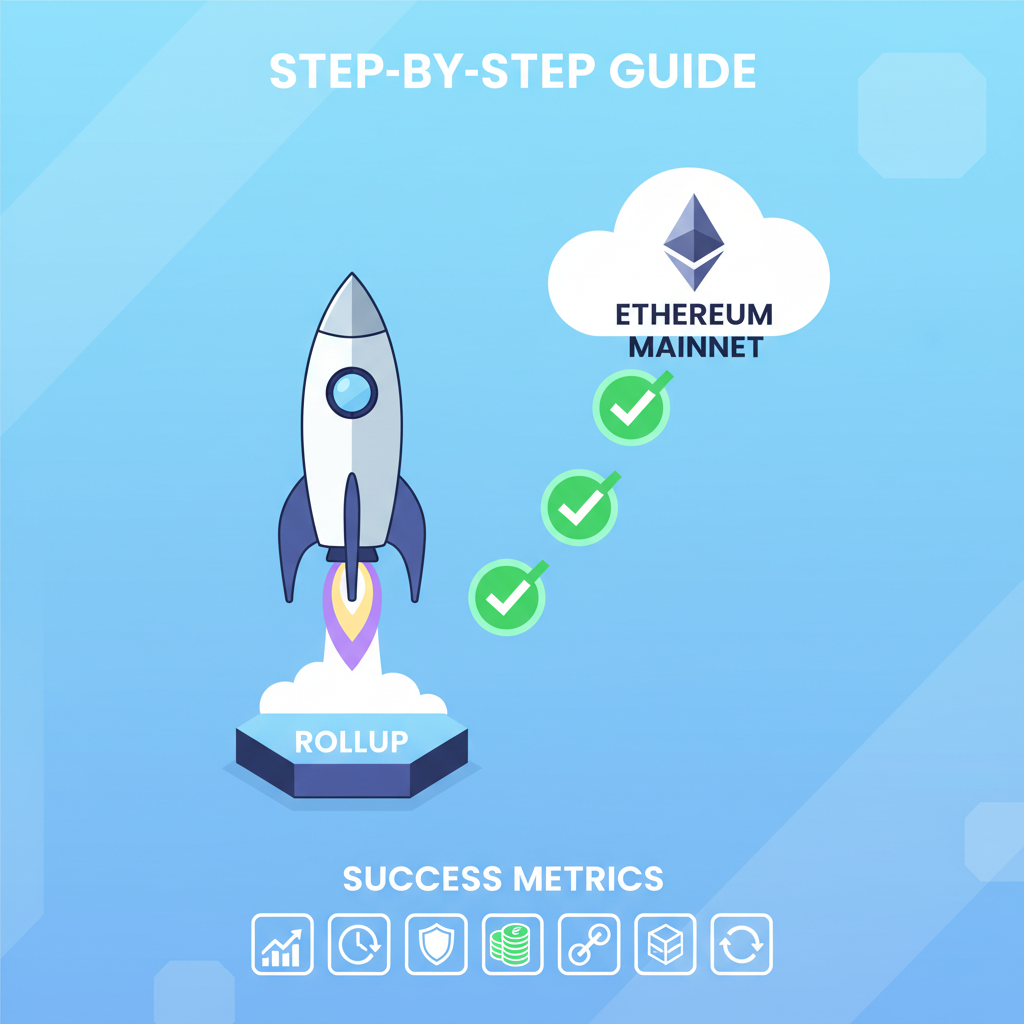
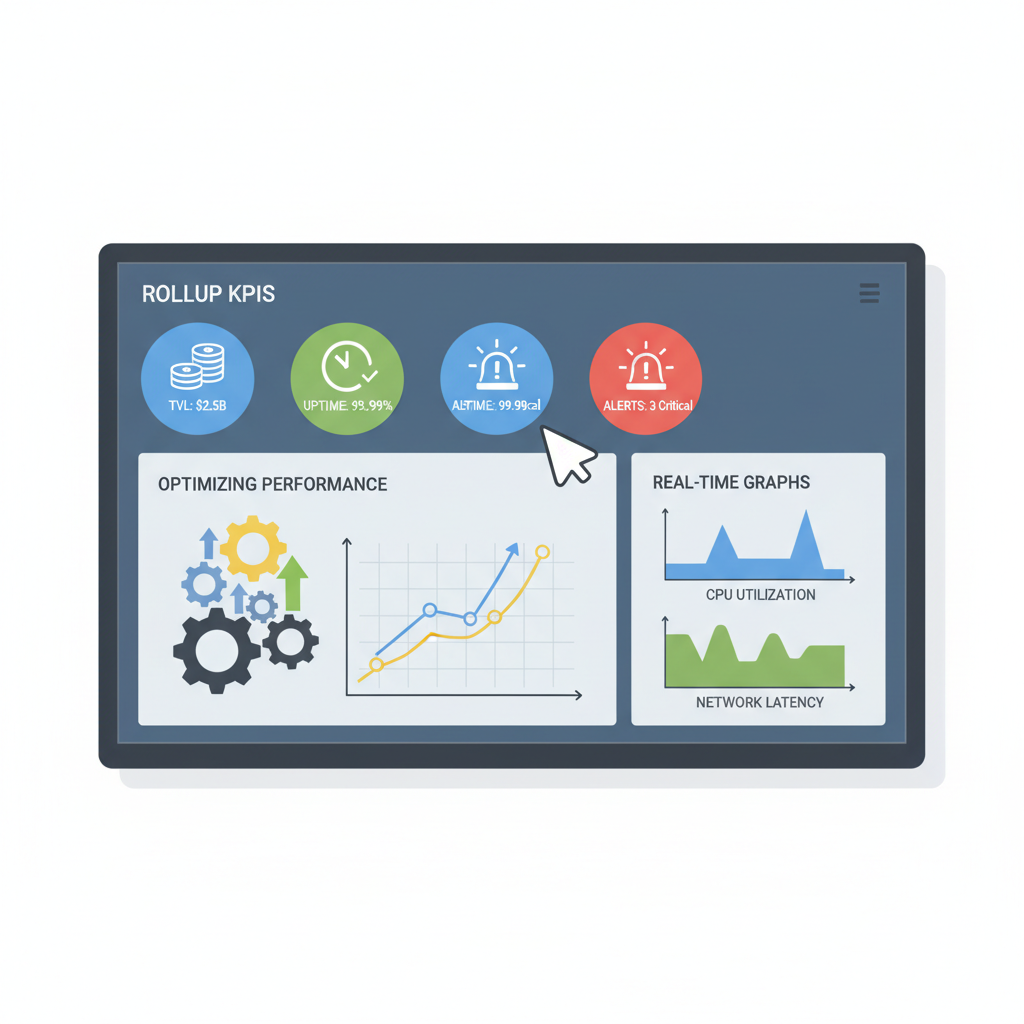
Once live, ongoing management becomes seamless. Monitoring dashboards flag anomalies in real-time, and automated upgrades keep stacks current without downtime risks. From my vantage in financial analytics, this operational resilience mirrors enterprise-grade trading systems, where uptime equates to preserved capital. Startups leveraging RaaS report 10x faster launches, per Eco's implementation guides, transforming app chain deployment from a barrier to a booster.
Provider Landscape: Top RaaS Options Compared
Selecting a RaaS partner demands scrutiny of uptime, stack support, and customization depth. Platforms vary: Caldera excels in OP Stack simplicity, AltLayer in modular flexibility. Yet, Rollup-As-A-Service by abstractwatch. com stands out for its focus on scalable, secure rollups with expert support, ideal for risk-conscious builders. Here's a snapshot of key players:
Comparison of Top RaaS Providers
| Provider | Stack Support | Security SLAs | Deployment Time | Pricing Tiers |
|---|---|---|---|---|
| Zeeve | Optimistic & ZK Rollups 🚀 | Enterprise-grade SLA (99.99% uptime) | <1 hour | Free Tier, Pro ($499/mo), Enterprise (Custom) |
| Instanodes | Optimistic, ZK, Custom Stacks ⚡ | High Availability & Performance SLAs | 15 minutes | Basic, Advanced ($299/mo), Premium |
| Ankr | ZK & Optimistic Rollups | Standard & Premium SLAs | 1 hour | Pay-as-you-go, Pro ($199/mo+), Enterprise |
| Caldera | OP Stack, Rollup SDKs | Secure SLAs with Monitoring | 10 minutes | Starter (Free), Growth ($299/mo), Scale (Custom) |
| abstractwatch.com | Custom AppRollups | Security Audits & SLAs | 30 minutes | Developer (Free), Business ($399/mo), Enterprise |
This matrix reveals trade-offs; for instance, zk-heavy providers shine in finality but lag in speed versus optimistic counterparts. My take: match your app's risk profile. High-stakes DeFi? Prioritize zk proofs. Volume-driven social apps? Optimistic with strong dispute resolution suffices.

Beyond tech specs, RaaS tackles rollup fragmentation solutions head-on. Liquidity pools splinter across chains, eroding efficiency. Services integrate cross-rollup bridges and shared sequencers, fostering an interconnected L2 fabric. Ethereum Research flags centralization risks, but decentralized provers and restaking protocols like EigenLayer counter them effectively. For startups, this means composability without sovereignty trade-offs, amplifying network effects.
Challenges persist, of course. Sequencer liveness hinges on provider reliability, and economic attacks loom if incentives misalign. Robust RaaS mitigates via diversified node operators and audited economics. Halborn's analysis underscores RaaS's role in fortifying Ethereum extensions, a view I endorse after dissecting L2 exploits. Exobloc's guidance on provider selection reinforces: opt for proven uptime and migration paths.
Looking ahead, RaaS evolves with L2 advancements, from based rollups to hybrid models blending optimistic and zk elements. Blockchain startups gain an unfair edge, deploying fortified chains that scale with ambition. Platforms like Rollup-as-a-Service at abstractwatch. com pave this path, blending precision engineering with builder empowerment. Founders who embrace it don't just launch; they endure and dominate in DeFi's high-stakes arena. Measure the risks, deploy decisively, and watch your app-chain thrive.




No comments yet. Be the first to share your thoughts!