

As Ethereum hovers at $2,122.48, down 0.24% in the last 24 hours, the pressure for scalable Layer 2 solutions intensifies. App-chain launch startups are turning to no-code RaaS platforms to deploy custom rollups in minutes, bypassing the DevOps quagmire that once gated blockchain innovation. These tools democratize rollup as a service platforms, letting teams focus on dApps rather than infrastructure wrestling.
Traditional rollup launches demand expertise in node management, sequencer setup, and data availability layers. Missteps lead to downtime or security gaps, costing projects dearly in a competitive Web3 landscape. Enter no-code RaaS: intuitive dashboards, one-click deployments, and managed services that handle the heavy lifting. This shift isn't just convenience; it's a strategic edge for blockchain infrastructure simplification.
Why No-Code RaaS Dominates Custom Rollup Deployment
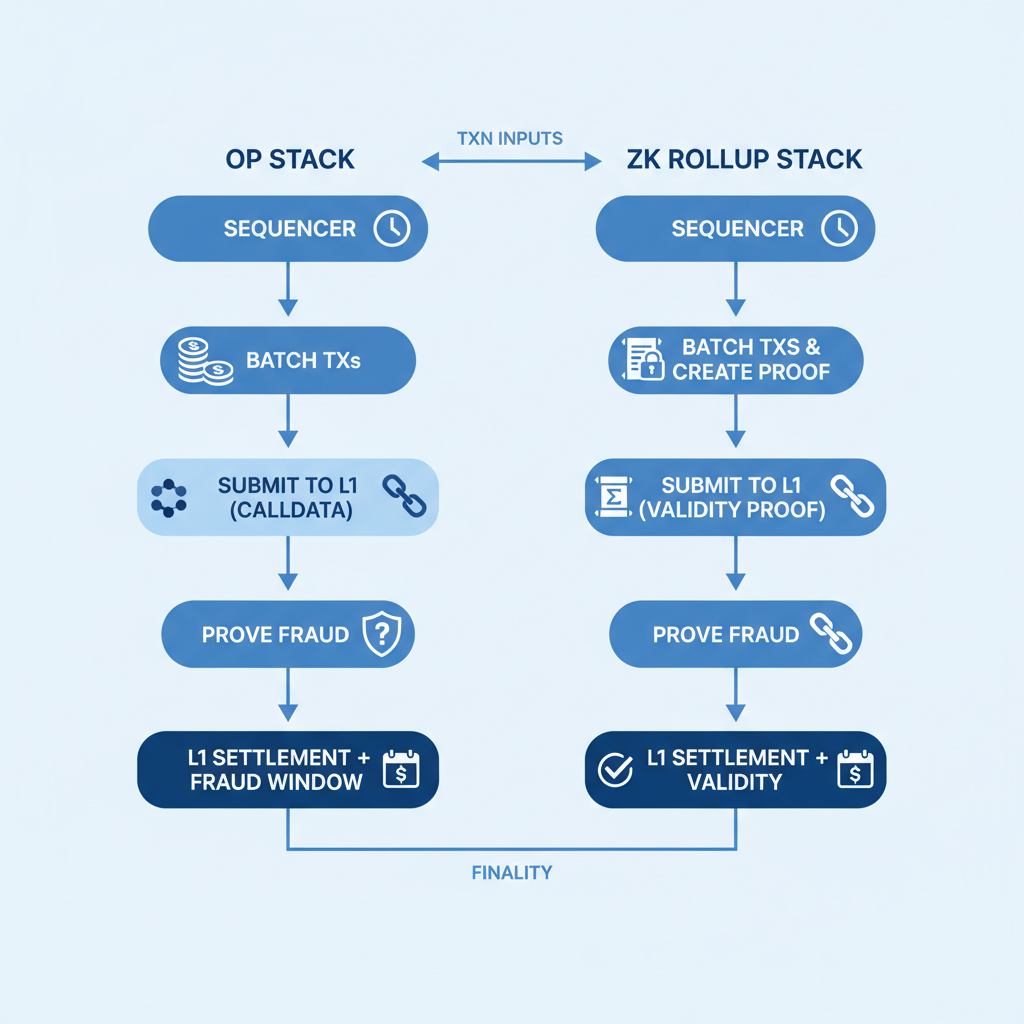
Scalability bottlenecks on Ethereum underscore the need for tailored rollups. With high gas fees and congestion, projects crave sovereignty over their chains. No-code platforms excel here, offering custom rollup deployment via drag-and-drop interfaces or simple configs. They integrate OP Stack, Arbitrum Orbit, or ZK proofs seamlessly, often with built-in DA layers like Celestia or EigenDA.
Opinion: Most RaaS providers promise the moon but deliver half-baked stacks. True leaders prioritize uptime, composability, and cost-efficiency, enabling startups to launch without VC-backed engineering teams.
Market traction is evident: deployments have surged as ETH stabilizes post-Dencun. These platforms cut time-to-market from months to hours, fueling a boom in specialized chains for gaming, DeFi, and social apps.
Ethereum (ETH) Price Prediction 2027-2032
Forecasts amid rising No-Code Rollups-as-a-Service (RaaS) adoption boosting scalability and L2 ecosystem growth
| Year | Minimum Price | Average Price | Maximum Price | YoY % Change (Avg from Prev) |
|---|---|---|---|---|
| 2027 | $1,800 | $2,900 | $4,200 | +37% |
| 2028 | $2,400 | $4,100 | $6,500 | +41% |
| 2029 | $3,200 | $5,700 | $9,000 | +39% |
| 2030 | $4,000 | $7,500 | $12,000 | +32% |
| 2031 | $5,500 | $10,000 | $15,500 | +33% |
| 2032 | $7,000 | $12,500 | $19,000 | +25% |
Price Prediction Summary
Amid surging RaaS platforms like Gelato, Ankr, QuickNode, and Conduit, Ethereum is positioned for robust growth. Projections show average ETH price climbing from $2,900 in 2027 to $12,500 by 2032 (over 5x from 2026 baseline), with bullish maxima reflecting adoption-driven rallies and minima accounting for cycle corrections.
Key Factors Affecting Ethereum Price
- Proliferation of no-code RaaS platforms (Gelato, Conduit, Ankr, QuickNode, AltLayer, Aligned) enabling rapid custom rollup deployments
- Ethereum L2 scaling improvements increasing TVL, transaction volume, and fee accrual to L1
- Market cycles with potential bull runs post-2026 consolidation
- Regulatory clarity supporting DeFi and enterprise blockchain use
- Technological upgrades (ZK tech, DA layers) enhancing efficiency and security
- Competition from L1s/L2s, macroeconomic trends, and institutional inflows
Disclaimer: Cryptocurrency price predictions are speculative and based on current market analysis. Actual prices may vary significantly due to market volatility, regulatory changes, and other factors. Always do your own research before making investment decisions.
Spotlight on Top No-Code RaaS Providers
From the 2025 leaders, nine platforms stand out for their no-DevOps prowess. Caldera leads with metalayer tech, unifying rollups via shared sequencing and liquidity. Its no-code portal lets users spin up OP or ZK chains instantly, backed by enterprise-grade monitoring.
AltLayer shines in rollup composability, supporting multiple VMs and stacks like ZKsync or Polygon CDK. Deployments are abstracted away, with decentralized sequencing ensuring censorship resistance.
Zeeve targets enterprises, offering zkRollups and OP Rollups with SLAs and security audits. Its platform streamlines custom app-chain launches, ideal for regulated use cases.
Top 9 No-Code RaaS Platforms
- Caldera: Metalayer unification for seamless, customizable rollup deployment without DevOps.
- AltLayer: Multi-VM support for optimistic and ZK rollups via decentralized protocol.
- Zeeve: Enterprise SLAs with no-code zk and OP rollups infrastructure.
- Conduit: OP Stack-focused, fully-managed production-grade rollup deployments.
- Gateway.fm: Modular infrastructure for flexible, scalable custom rollups.
- RockX: High-performance nodes optimized for reliable rollup operations.
- All That Node: Easy scaling for rollups with managed node services.
- Chainstack: Global node network for low-latency rollup hosting.
- QuickNode: Testnet-to-mainnet rollup deployer with enterprise infrastructure.
Conduit specializes in OP Stack deployments, providing fully managed rollups with seamless Ethereum settlement. Its dashboard hides complexities, making it a favorite for Web3 startups chasing speed.
Streamlining App-Chain Launches Without the Hassle
Gateway. fm emphasizes modularity, allowing mix-and-match of provers, bridges, and oracles. RockX delivers high-throughput nodes optimized for Asian markets, while All That Node offers plug-and-play scaling for global ops.
Chainstack and QuickNode round out the pack: Chainstack with its vast node network for low-latency, QuickNode via testnet deployers that graduate to production effortlessly. Together, they slash costs by 70-80% versus self-hosting.
These platforms aren't gimmicks; they're battle-tested. For instance, Caldera's users report sub-minute finality, AltLayer's abstractions boost interoperability. As ETH eyes recovery from $2,104.20 lows, no-code RaaS positions projects to capture alpha in the rollup wars.
Gateway. fm's modular approach lets builders swap components like Lego blocks, tailoring rollups for niche demands without vendor lock-in. RockX stands apart with its node optimization for high TPS, crucial as transaction volumes climb amid ETH's $2,122.48 consolidation.
Key Differentiators in No-Code RaaS
Each platform carves a niche. All That Node prioritizes effortless scaling, auto-adjusting resources as dApps grow. Chainstack leverages a global node fleet for sub-100ms latency, vital for real-time apps. QuickNode bridges testnets to mainnet with zero friction, its deployer handling upgrades seamlessly.
Opinion: QuickNode and Chainstack suit latency-sensitive projects, but Caldera and AltLayer win for interoperability hawks. Zeeve's enterprise bent appeals to compliance-focused teams, while Conduit's OP purity attracts Ethereum loyalists. RockX fills the high-performance gap for Asia-Pacific dominance.
Comparison of Top 9 No-Code RaaS Platforms
| Platform | Supported Stacks (OP/ZK) | Deployment Time | Key Strength | Pricing (Starter/Pro tiers) | Uptime SLA |
|---|---|---|---|---|---|
| Caldera | OP, ZK, Arbitrum Orbit | < 5 minutes | Metalayer | Free / $499/mo | 99.99% ✅ |
| AltLayer | OP, ZK | 5 minutes | Decentralized Protocol | $0 / $299/mo | 99.95% ⭐ |
| Zeeve | OP, ZK | < 10 minutes | Enterprise-grade Infra | $99/mo / Custom | 99.99% 🔥 |
| Conduit | OP Stack, Arbitrum Orbit | < 2 minutes | Production-grade Managed | Free / Pro | 99.99% ✅ |
| Gateway.fm | OP, ZK | < 5 minutes | High-performance Nodes | $50/mo / $500/mo | 99.9% ⚡ |
| RockX | OP, ZK | 5-10 minutes | Global Node Network | Free / $199/mo | 99.95% 🌍 |
| All That Node | OP, ZK | < 3 minutes | Seamless Scaling | $29/mo / $299/mo | 99.9% 🚀 |
| Chainstack | OP, ZK | Instant | Multi-chain Rollups | Free / $99/mo | 99.99% 🔒 |
| QuickNode | OP, ZK | Seconds | Enterprise Infrastructure | $49/mo / $499/mo | 99.999% 💎 |
Costs vary, but starters hover at $500-2k/month, scaling with TVL. This blockchain infrastructure simplification slashes barriers, empowering solo devs and bootstrapped app-chain launch startups.
How to Deploy a Custom Rollup in Minutes
No-code means anyone can launch. Pick a stack, configure via UI, deploy. Platforms manage sequencers, provers, and DA, settling to Ethereum at $2,122.48.
Launch Custom Rollups in Minutes: No-Code RaaS Guide
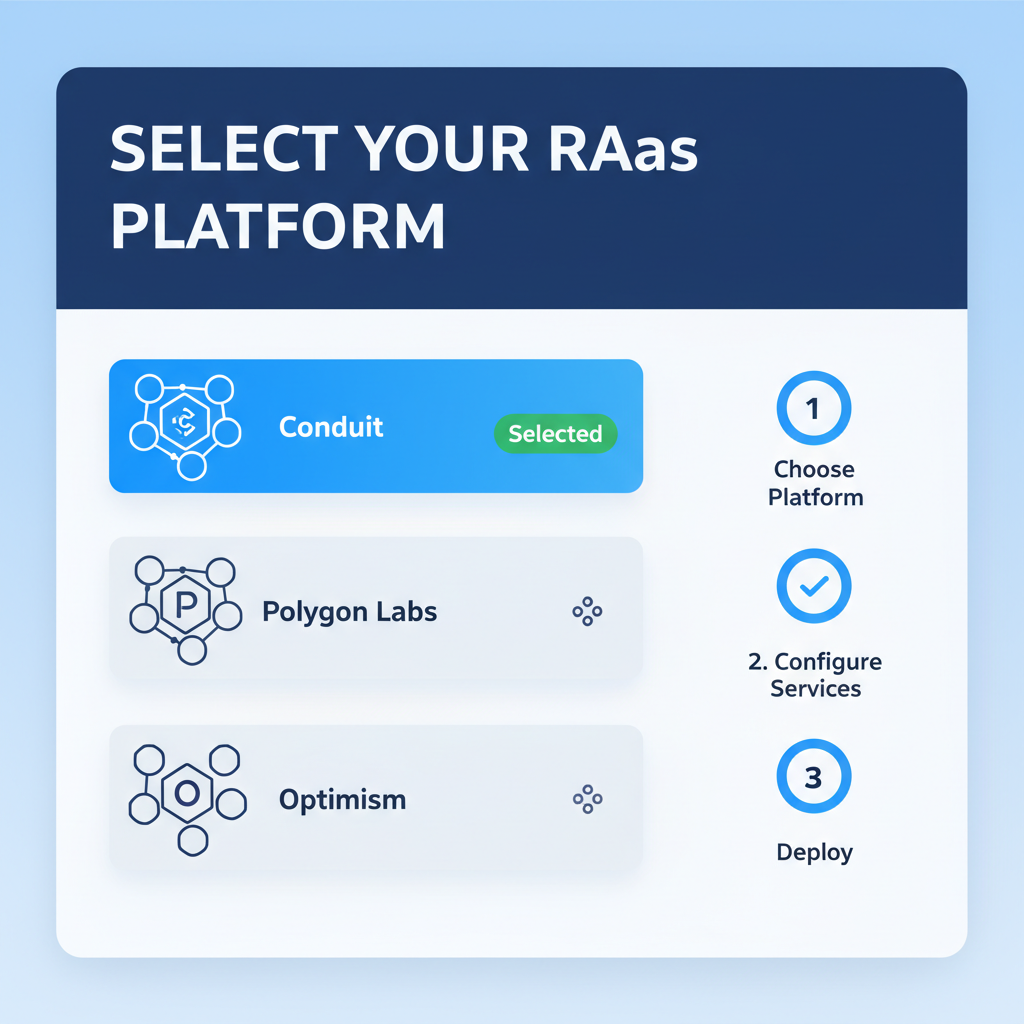
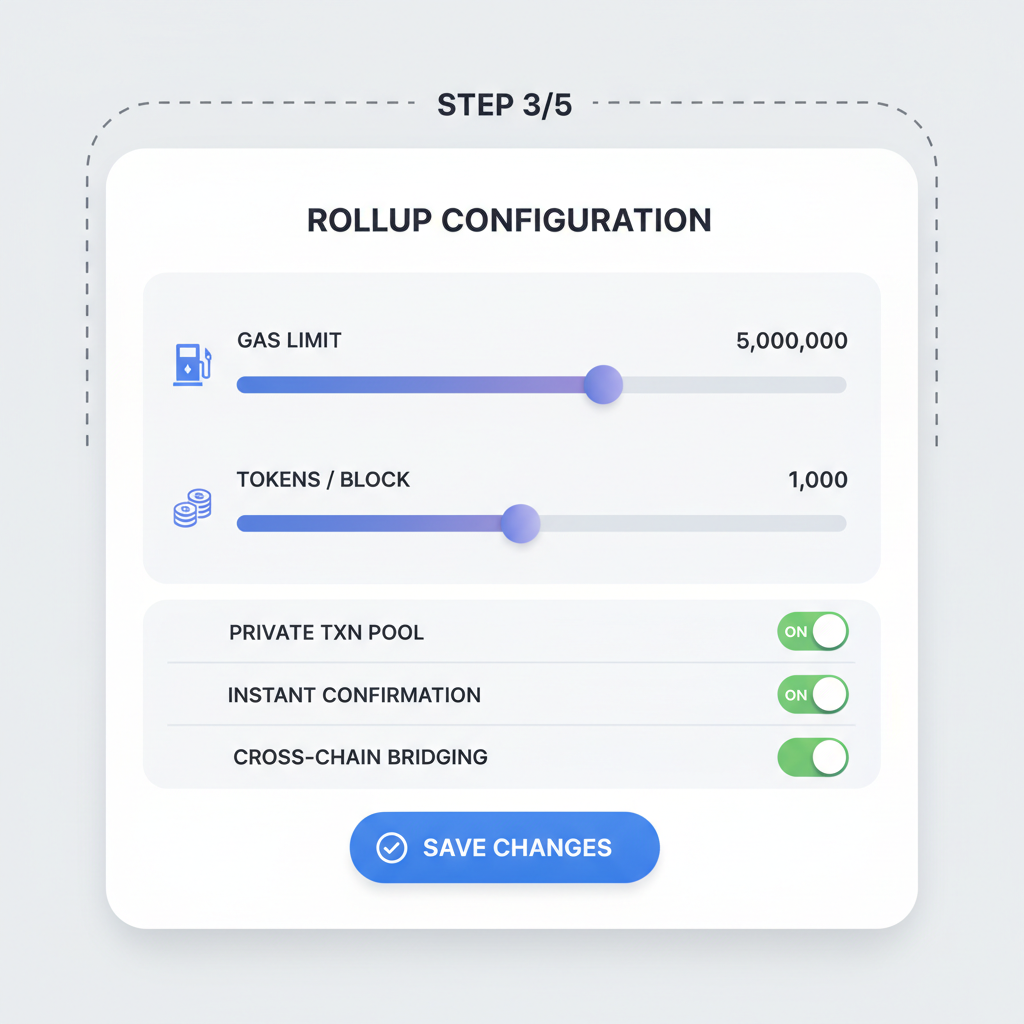
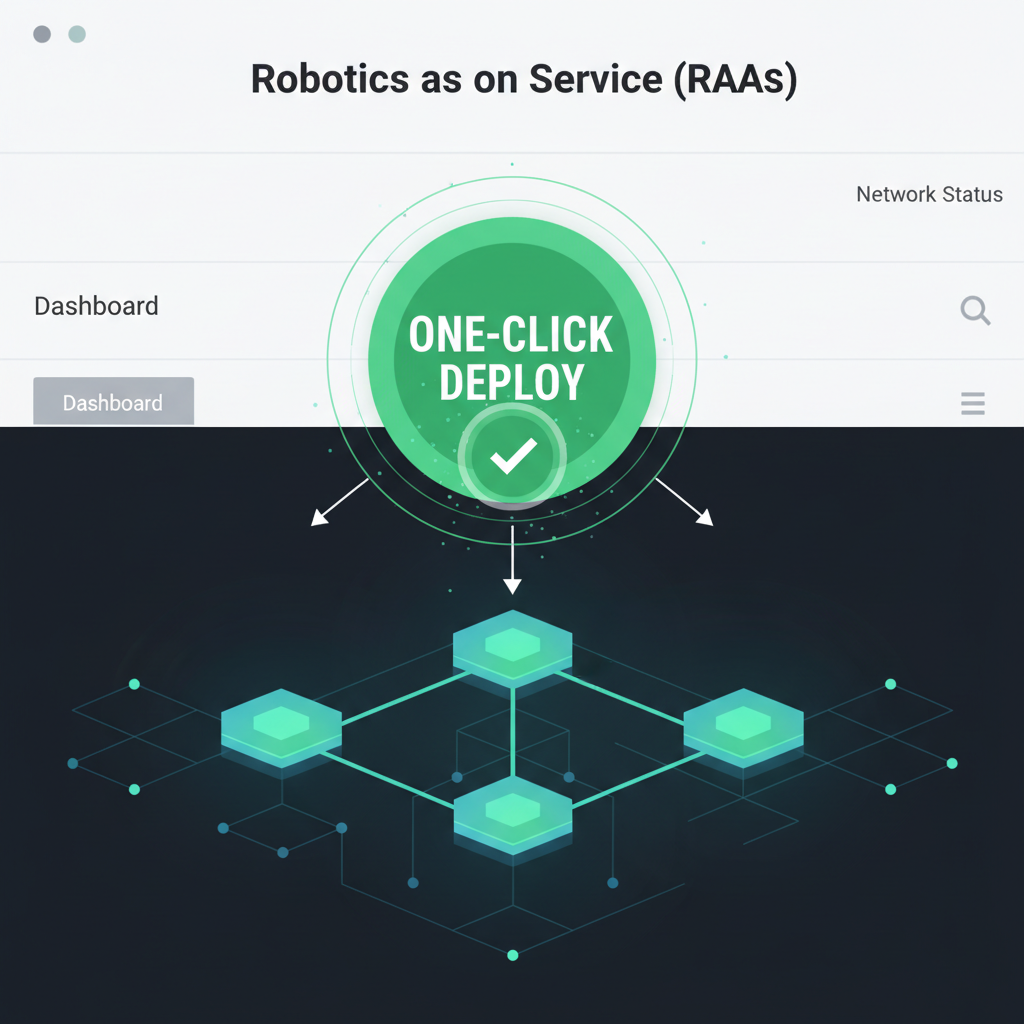
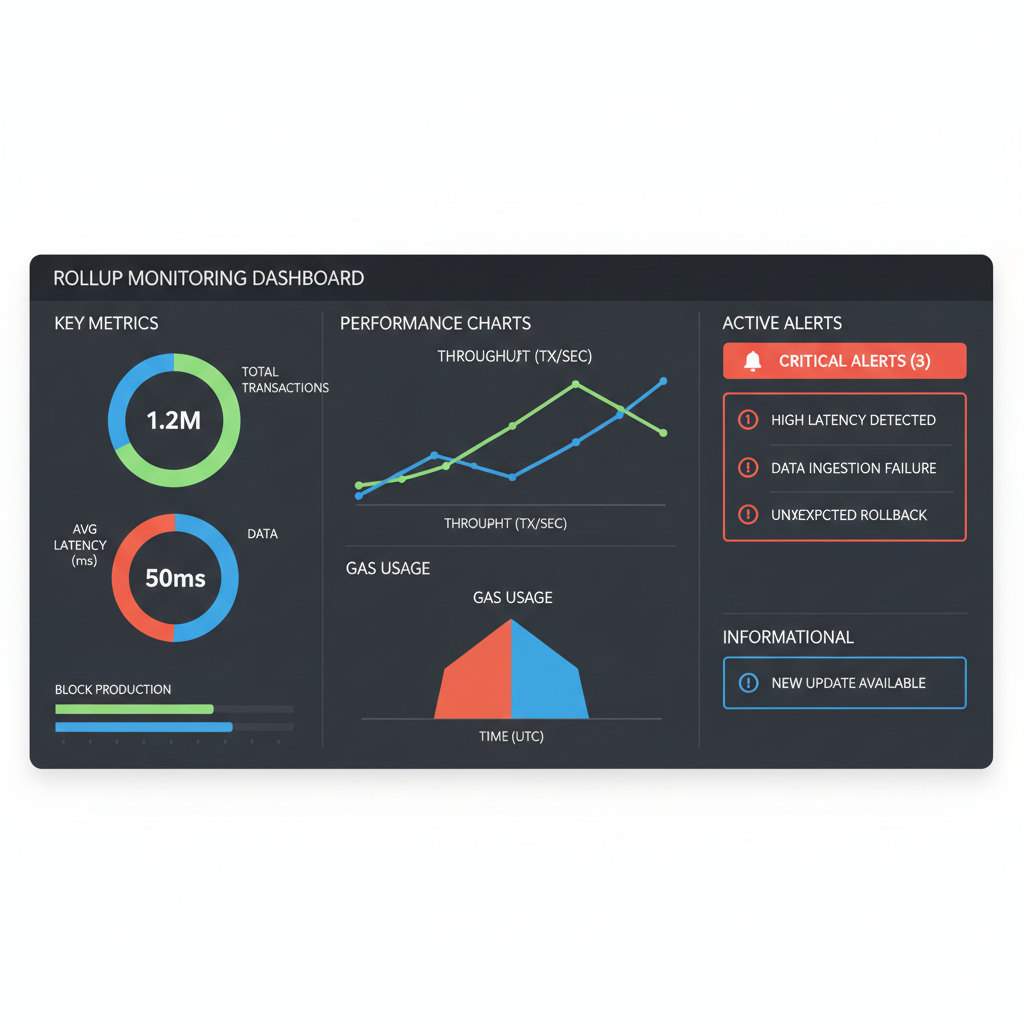
Take Conduit: Input chain ID, bridge config, hit go. Within 10 minutes, your rollup syncs, ready for dApps. Gateway. fm adds oracle plugins mid-flight. This speed flips the script on no-code rollup deployment.
Risks? Centralization in sequencers lingers, though decentralized options like AltLayer mitigate. Security audits are standard, but always verify. Uptime hits 99.99% across leaders, per user reports.
DeFi protocols flock to Caldera for shared liquidity; gaming to RockX for speed. SocialFi picks Chainstack's reach. As rollups fragment Ethereum, these platforms unify via metalayers and bridges, curbing liquidity silos.
ETH's 24-hour range from $2,104.20 to $2,173.27 signals volatility, but rollup adoption dampens L1 load. Dencun's blobs already cut costs 10x; RaaS amplifies this for custom chains.
Forward thinkers bet on ZK for privacy, OP for speed. Zeeve and Aligned (wait, stick to list) Zeeve pushes zk enterprise-ready. No-code RaaS isn't hype; it's the infrastructure layer where rollup as a service platforms mature.
Builders: Ditch DevOps drudgery. Spin up via QuickNode today, iterate tomorrow. In a market rewarding first-movers, these tools hand you the keys to sovereignty minus the sweat.




No comments yet. Be the first to share your thoughts!