

Why abstract dials define 2026
The luxury watch market in 2026 is undergoing a quiet but decisive shift. For decades, horological excellence was measured by legibility: how clearly a wearer could read the time against the complexity of the movement. This year, that metric is being replaced by artistic expression. Abstract watch design 2026 is no longer a niche experiment; it is the dominant trend defining the year’s most coveted timepieces.
Collectors are moving away from traditional numerals and hands toward dials that function more like wearable galleries. The focus has shifted from "reading time" to "wearing art." This change reflects a broader cultural desire for objects that prioritize aesthetic dialogue over functional utility. The dial is no longer just a display window; it is the primary canvas.
This trend is evident in the latest releases from major houses and independent makers alike. Designers are using texture, color blocking, and geometric abstraction to create depth and movement without relying on traditional markers. The result is a piece that engages the eye first and the wrist second. It is a declaration that a watch can be a statement of personal taste before it is a tool for punctuality.
This shift does not mean functionality is disappearing, but it is no longer the sole selling point. The best abstract timepieces balance artistic ambition with the precision engineering expected of high-end horology. They prove that complexity can be beautiful even when it is not immediately decipherable. As we look at the top picks for this year, expect to see dials that challenge perception rather than simply display it.
Top picks for abstract dial aesthetics
Abstract watch design in 2026 has moved beyond subtle textural experiments into bold, structural declarations. The most compelling pieces this year treat the dial not as a display surface, but as a canvas for raw materials and geometric abstraction. These timepieces prioritize visual impact and artistic integrity, often sacrificing traditional legibility for sculptural presence.
The trend reflects a broader shift in luxury horology toward wearable art. Brands are increasingly collaborating with artists and utilizing unconventional materials—such as rough diamonds, oxidized metals, and layered resins—to create dials that resemble modern art installations. This approach appeals to collectors who view their watches as expressions of personal aesthetic rather than mere status symbols.
When evaluating abstract designs, look for pieces where the materiality serves the composition. The best examples use texture, depth, and asymmetry to create a dynamic visual experience that changes as the light hits the surface from different angles. These watches demand attention and reward close inspection, making them standout pieces in any collection.
The following selections represent the current pinnacle of abstract dial craftsmanship. Each piece demonstrates a distinct approach to non-traditional design, ranging from mineral-based textures to architectural layering.
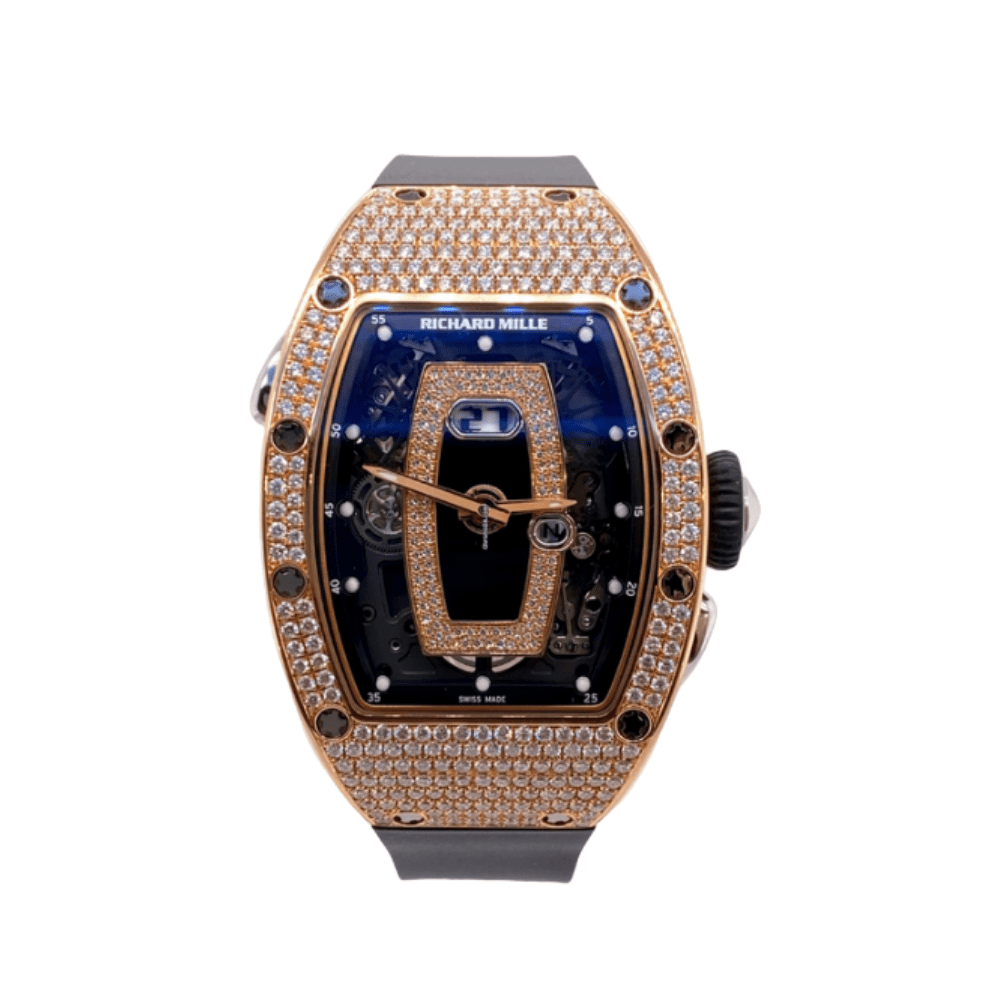
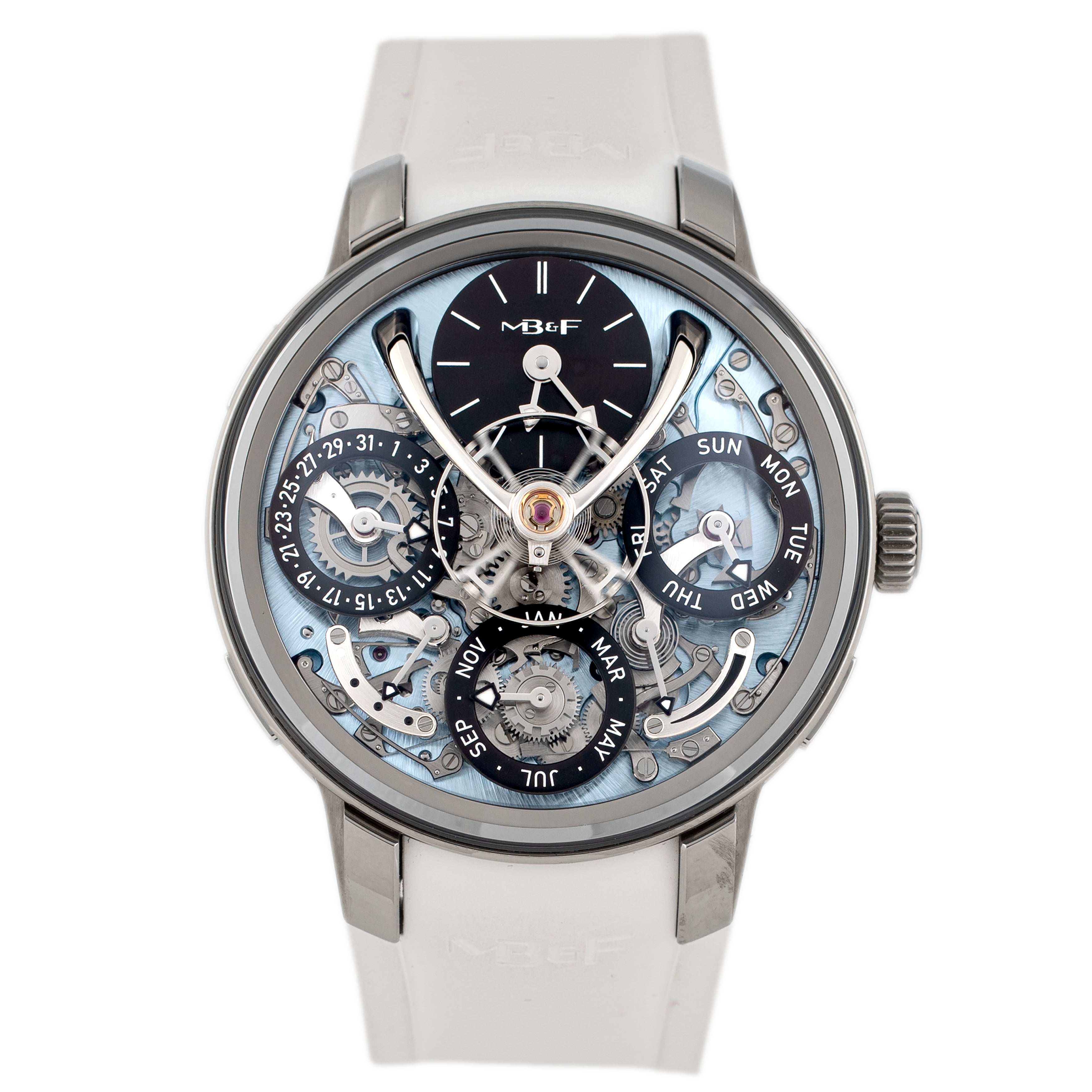

As an Amazon Associate, we may earn from qualifying purchases.
Comparing minimalist horology approaches
Abstract watch design in 2026 moves beyond simple dial reduction into three distinct aesthetic languages: geometric, organic, and structural. Each approach interprets time differently, offering a specific visual vocabulary for the wearer. Understanding these categories helps clarify whether you prefer the rigid logic of mathematics, the fluidity of nature, or the raw honesty of industrial materials.
| Design Style | Visual Character | Ideal For | Example Brand |
|---|---|---|---|
| Geometric | Sharp angles, symmetry, mathematical precision | Modernists who value order and clarity | MB&F or Urwerk |
| Organic | Asymmetry, fluid lines, biomimicry | Wearers seeking art-like, unique silhouettes | H. Moser & Cie |
| Structural | Exposed mechanics, skeletal dials, raw materials | Engineering enthusiasts who appreciate complexity | De Bethune or Richard Mille |
The geometric approach dominates high-concept watchmaking by treating the dial as a canvas for pure form. Brands often utilize perfect circles, squares, or hexagons to create a sense of timeless balance. This style appeals to those who find comfort in predictable, symmetrical patterns, even when the underlying mechanics are complex. The visual result is often clean, legible, and strikingly modern.
Organic abstract design takes a different path, rejecting symmetry in favor of forms that mimic natural phenomena. Think of waves, craters, or swirling galaxies. These watches often feature hand-guilloché patterns or textured dials that change appearance under different lighting. This approach is ideal for collectors who view a watch primarily as wearable art rather than just a tool for telling time.
Structural abstraction exposes the inner workings of the movement, making the mechanics the primary visual element. By removing the dial entirely or skeletonizing the bridges, these watches reveal the heartbeat of the timepiece. This style is particularly popular in the luxury segment, where craftsmanship is displayed as a form of jewelry. It appeals to those who appreciate the engineering prowess behind the glass.
Choosing the right abstract style depends on your personal tolerance for visual noise. Geometric designs offer a quiet sophistication that pairs well with formal attire. Organic designs make a statement, drawing attention to the unique texture and shape of the watch. Structural designs are conversation starters, inviting closer inspection of the intricate components within.
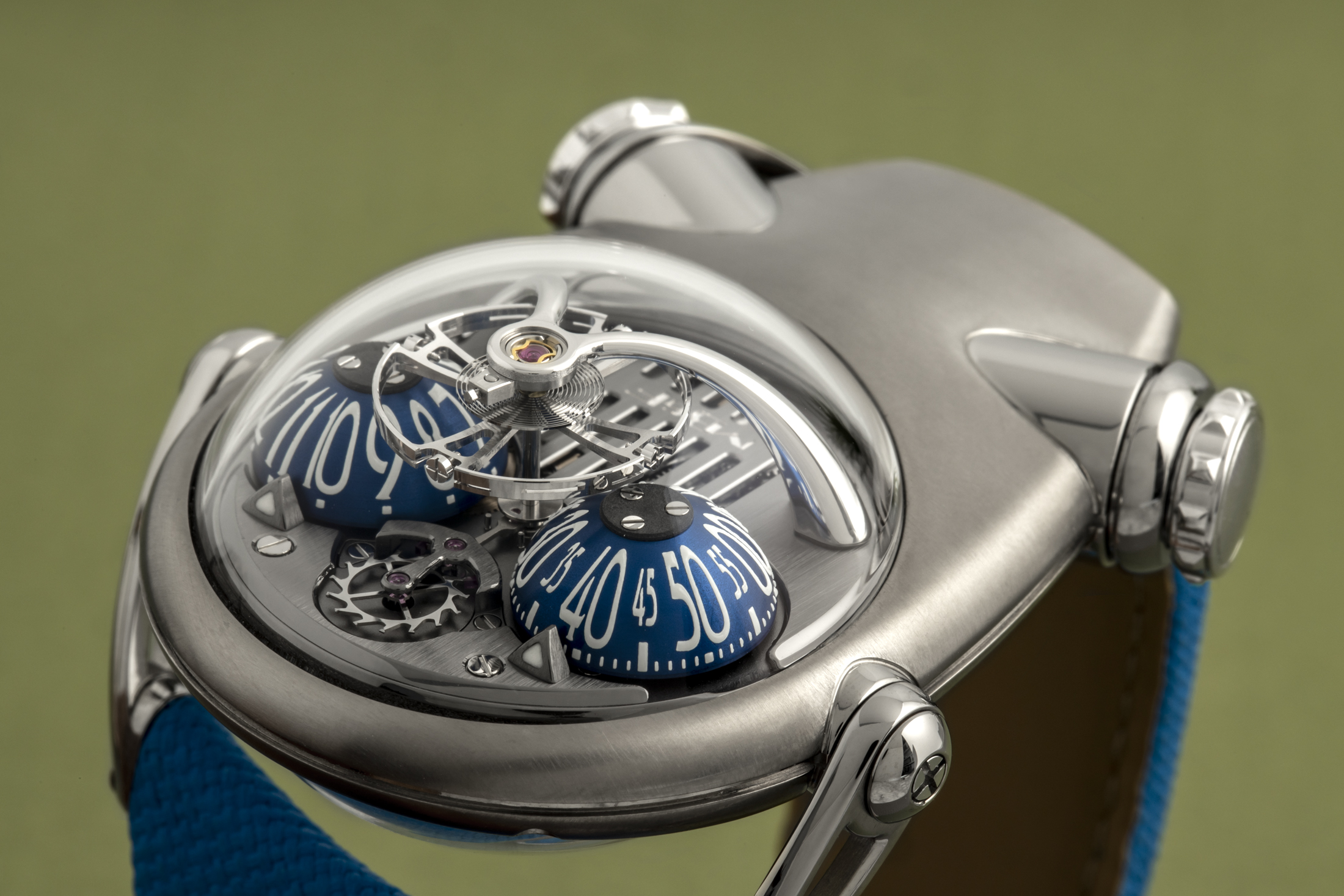

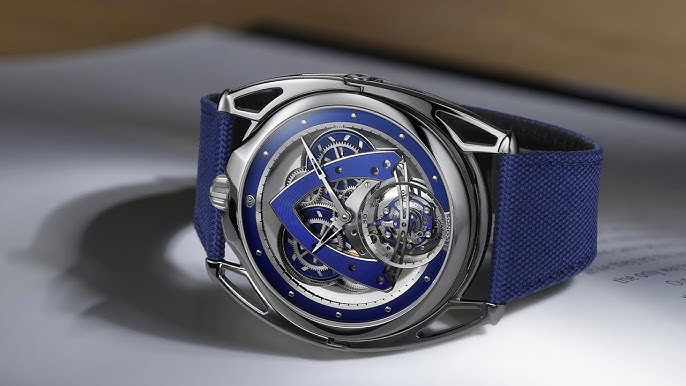
As an Amazon Associate, we may earn from qualifying purchases.
What next-gen collectors look for
The market for abstract watch design in 2026 is shifting from niche curiosity to serious investment territory. Collectors are no longer drawn solely by heritage or traditional complications. Instead, they are seeking pieces that function as wearable art, prioritizing unconventional dial layouts, experimental materials, and avant-garde case structures. This shift reflects a broader cultural move toward individuality in luxury goods, where a timepiece serves as a personal statement rather than a status symbol.
Investment drivers for these pieces are rooted in scarcity and artistic merit. As mass-produced luxury watches become more common, limited-run abstract designs offer a hedge against market saturation. Collectors are increasingly aware that unique craftsmanship and distinctive aesthetics hold value better than standardized models. This trend is evident in the growing secondary market demand for brands that push the boundaries of traditional horology.
For those entering this space, the focus should be on provenance and design integrity. Look for pieces from established avant-garde houses or emerging designers with a clear artistic vision. The goal is to acquire a watch that resonates personally while possessing the rarity to appreciate over time. This approach ensures that your collection is both meaningful and financially sound.
Frequently asked questions about abstract watch design 2026
Is abstract watch design 2026 legible for daily wear?
Modern abstract timepieces prioritize artistic expression, but 2026 designs have refined contrast to ensure usability. High-contrast indices and luminous markers are now standard, allowing you to read the time quickly despite unconventional layouts. If you need a tool watch for diving or aviation, traditional dial structures remain safer. For office or evening wear, abstract designs offer a striking focal point that balances art with function.
Do abstract watches hold their value better than traditional styles?
Value retention in 2026 depends more on the brand's heritage than the dial style. Limited-edition abstract releases from established houses often appreciate due to scarcity. However, niche brands with purely decorative dials may depreciate as trends shift. To protect your investment, choose pieces from manufacturers with strong resale markets and documented production numbers. Avoid buying purely on aesthetic novelty without considering the brand's long-term stability.
Which brands are leading the abstract watch design 2026 movement?
Several manufacturers are redefining the genre this year. Roger Dubuis continues to push boundaries with skeletonized, geometric dials. MB&F offers complex, machine-like aesthetics that defy traditional horology. For accessible entry points, brands like Urwerk and De Bethune provide avant-garde engineering with abstract faces. These brands set the tone for what collectors consider the peak of modern artistic watchmaking.
No comments yet. Be the first to share your thoughts!