

For early-stage blockchain startups, launching a scalable app-chain often means drowning in infrastructure woes. Picture this: your team, laser-focused on nailing product-market fit, instead spends months wrestling with node setups, upgrades, and uptime headaches. With Ethereum trading at $1,928.13 after a 4.71% dip in the last 24 hours, every delay chips away at your runway. Rollup-as-a-Service (RaaS) flips the script, letting you deploy rollups without nodes in weeks, not months.
The Hidden Costs of Self-Managed Rollups
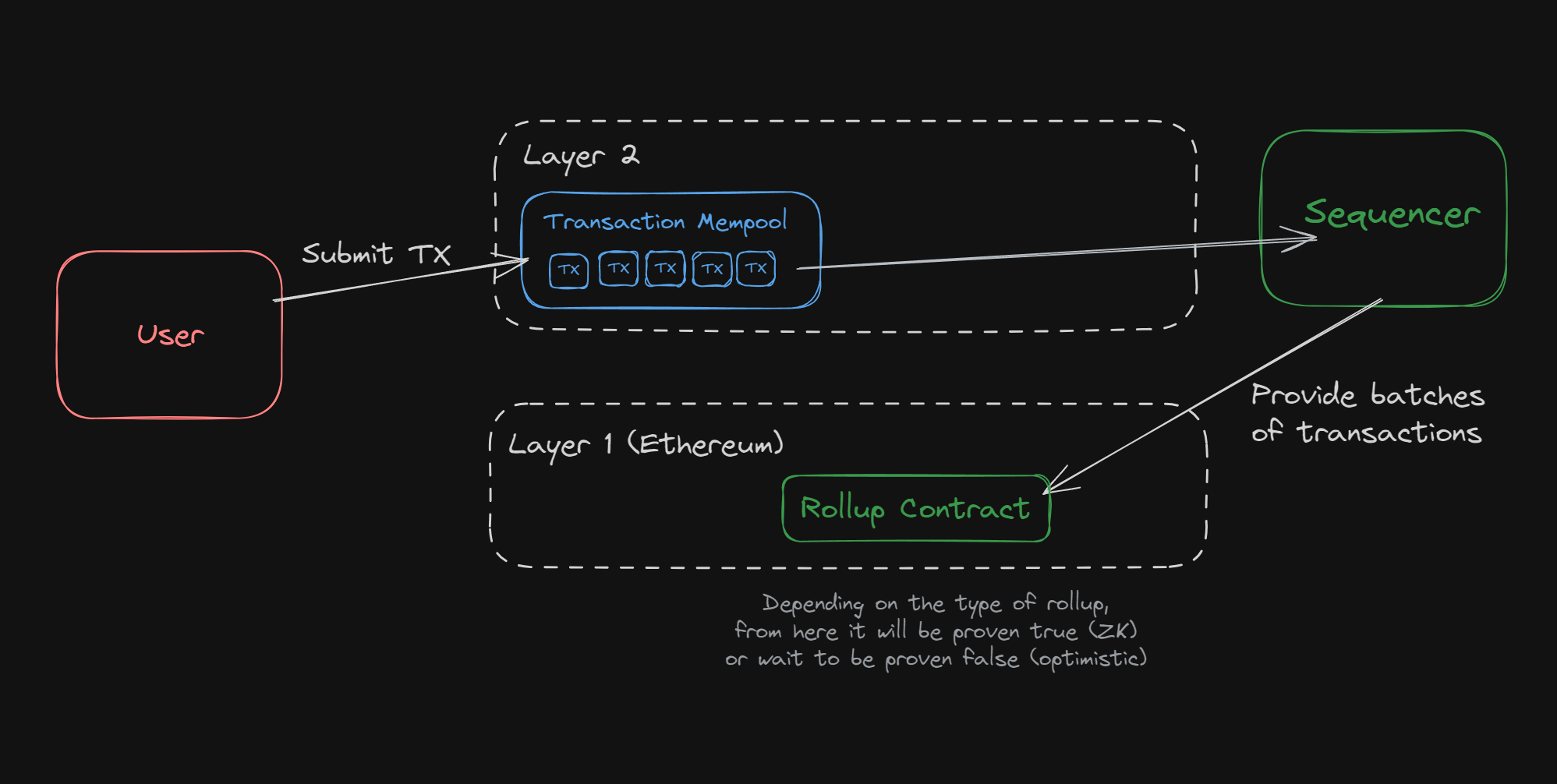
Building a rollup from scratch demands expertise most startups lack. You need to provision nodes, handle sequencing, secure data availability, and stay ahead of Ethereum's relentless upgrades. Instanodes highlights how frequent updates force constant node tweaks, draining resources. For rollup as a service startups, this diverts talent from core innovation to babysitting servers.
Key Challenges in Traditional Rollup Deployment
- Time-Intensive Node Management: Setting up and running Ethereum nodes for rollups takes weeks to months, delaying product launches.
- High Setup Costs: Hardware, software, and infrastructure expenses strain early-stage startup budgets.
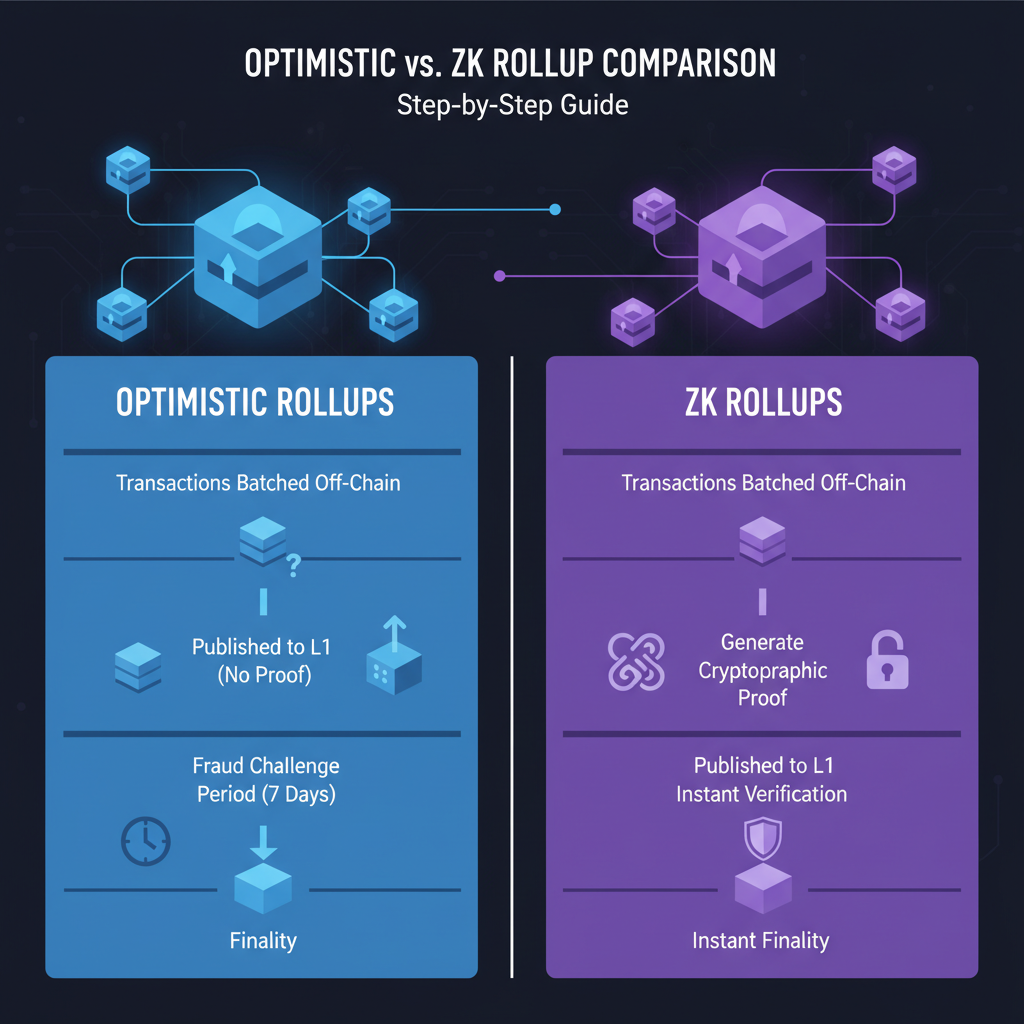
- Expertise Gaps: Requires specialized knowledge in rollup stacks like Optimism or zkSync, often lacking in small teams.

- Ongoing Maintenance Burdens: Constant monitoring, upgrades, and security updates divert focus from core development.
- Scalability Risks in ETH Volatility: Price swings to $1,928.13 (24h: -$95.21, -4.71%) disrupt gas fees and planning.
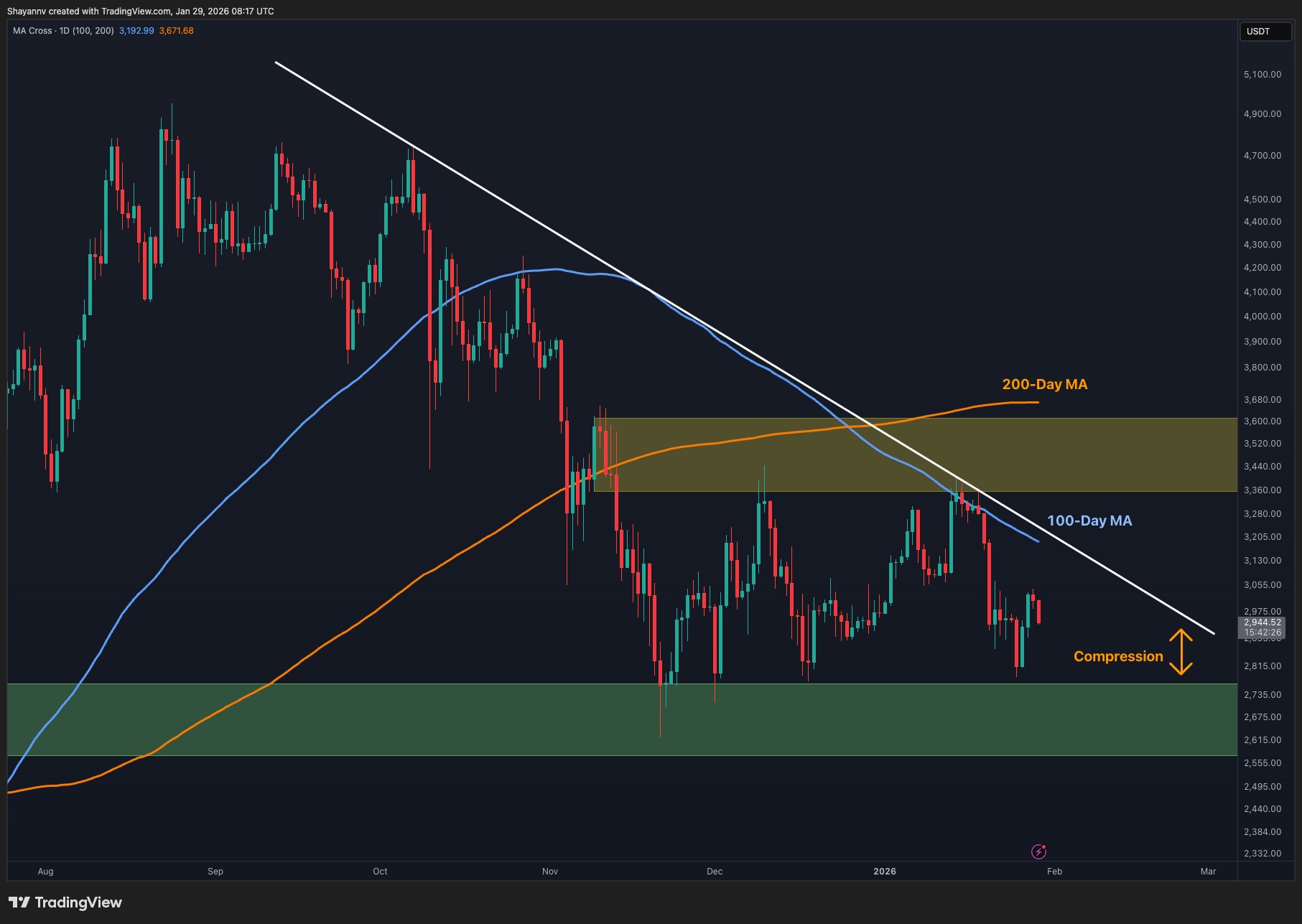
Pragmatically, these hurdles compound in a bearish stretch like today's ETH drop from $2,060.76. Startups burn cash on ops teams or outsourced help, only to face downtime that erodes user trust. I've seen portfolios tank not from bad ideas, but from infra missteps.
RaaS: Streamlined Deployment for Lean Teams
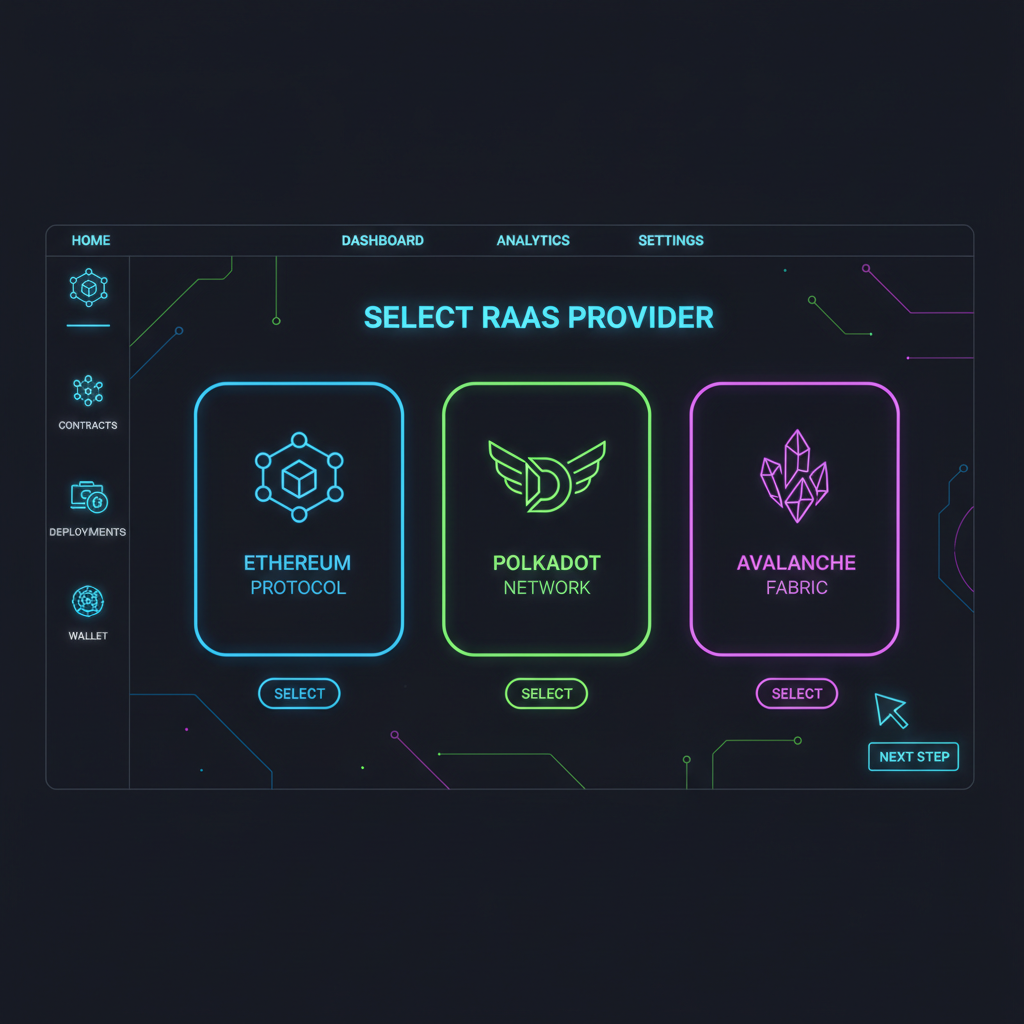
RaaS early stage projects thrive by outsourcing the grind. Platforms like those from abstractwatch. com provide pre-built stacks for optimistic or ZK rollups, complete with monitoring and auto-scaling. It's akin to SaaS for blockchains, as BNB Chain notes, slashing deployment from months to days.
Check out how Rollup-as-a-Service simplifies app-chain deployment for a deeper look. No more provisioning EC2 instances or debugging provers; just configure and launch.
This model suits bootstrapped teams proving traction before VC rounds. Zeeve describes it as a full stack for customized, production-ready rollups, economically viable even at current ETH lows.
Quantifiable Wins: Time, Cost, and Speed
Mokshya Protocol outlines core perks: reduced barriers, time savings, cost cuts. A deploy rollups without nodes approach means startups allocate 80% of engineering to apps, not infra. Nasscom adds it's ideal for validating product-market fit pre-scale.
Self-Managed vs Rollup-as-a-Service (RaaS)
| Aspect | Self-Managed | RaaS |
|---|---|---|
| Setup Time | Months | Days |
| Cost | $100k | $10k |
| Maintenance | Full-time team | Automated |
| Uptime | Variable | 99.99% |
| Scalability | Manual | Instant |
With ETH at $1,928.13 signaling caution, these efficiencies preserve capital. Abstract rollup technology from RaaS providers like Alpharive ensures sovereignty without the slog, empowering blockchain infrastructure startups to iterate fast.
Consider the ops overhead: self-hosting demands 24/7 monitoring amid updates, per Dysnix. RaaS handles it seamlessly, letting you ride market waves without sinking.
Leading providers like Instanodes stand out for their focus on DeFi and wallet projects, automating node upgrades that plague self-managed setups. Alpharive and Tokyo Techie bring enterprise muscle, while abstractwatch. com's abstract rollup technology offers customization without lock-in. These platforms handle sequencing, provers, and data posting to Ethereum, even as ETH hovers at $1,928.13 amid volatility from its 24-hour low of $1,898.34.
Real-World Traction in a Tight Market
Quicknode's deep dive shows RaaS fueling appchains economically, sidestepping technical headaches. For rollup as a service startups, this means proving product-market fit fast, as Nasscom emphasizes. I've watched early teams deploy during ETH dips like today's 4.71% slide, gaining users before competitors bootstrap their infra. Caldera exemplifies this on Ethereum, reshaping scalability for projects that can't afford delays.

Boosty Labs points to rollups modulating networks for higher TPS, vital when mainnet fees spike. Startups using RaaS report 10x faster iterations, channeling energy into dApps rather than ops. In my portfolio work, this edge separates survivors from the pack in choppy markets.
Hands-On: Deploying Your First Rollup
Transitioning to RaaS isn't abstract; it's straightforward for lean teams. Forget months of node wrangling- pick a stack, tweak params, and go live. Conduit. xyz's guide underscores how these platforms manage the full lifecycle, from testnets to mainnet.
Launch Your Rollup Fast: RaaS Guide for Startups




This process aligns perfectly with RaaS early stage projects, minimizing upfront spend. Link it back to efficiency: while ETH lingers at $1,928.13, your capital stays intact for marketing or hires.
Yet balance tempers enthusiasm. RaaS isn't flawless- vendor lock-in risks exist, and customization caps may frustrate power users. Mokshya Protocol flags limitations like dependency on provider uptime, though leaders hit 99.99%. Still, for most startups, gains outweigh these, especially pre-scale.
Addressing Common Hurdles
Dysnix's executive guide reinforces RaaS boosting throughput by offloading TXs, but pick providers with proven Ethereum integration. I've advised teams to audit SLAs upfront, ensuring sovereignty amid ETH's $1,928.13 range signals caution on gas costs.
For blockchain infrastructure startups, RaaS democratizes access, much like cloud did for web2. Zeeve's stack lets dApps maintain tailored rollups without devops armies. Pair this with auto-scaling, and you weather updates seamlessly, per Instanodes.
Forward-thinking builders eye RaaS for sovereignty plus speed. As Ethereum stabilizes post-dip, platforms like abstractwatch. com position you to capture market share. Deploy now, iterate relentlessly, and build resilience that outlasts price swings.




No comments yet. Be the first to share your thoughts!