
The blockchain space is evolving at breakneck speed, and nowhere is this more evident than in the rise of multi-chain appchain deployment. Startups are racing to build application-specific chains that deliver custom user experiences, low fees, and high throughput. But the technical lift of launching and maintaining a rollup has historically been a massive barrier, until now. Enter Rollup-As-A-Service (RaaS): a game-changer that lets founders focus on product innovation, not infrastructure headaches.
Why Multi-Chain Appchains? The Scalability Imperative
Appchains, dedicated blockchains tailored for specific applications, are rapidly gaining traction as the go-to solution for scaling dApps without compromising on performance or customization. Unlike monolithic L1s, appchains let teams define their own rules: custom gas tokens, unique fee markets, even bespoke data availability layers. But spinning up a secure, production-grade rollup used to require months of protocol engineering and DevOps muscle.
Rollups solve Ethereum’s congestion by moving computation and storage offchain, then posting compressed transaction data back to the mainnet. This dramatically boosts throughput while retaining security guarantees. RaaS platforms abstract away the complexity of deploying these rollups, making it possible for startups to launch their own chains in days, not quarters.
The RaaS Revolution: How It Works
RaaS providers like Instanodes, AltLayer, Caldera, and Zeeve are building full-stack platforms that automate every step of the rollup lifecycle, from genesis block creation to bridge integration. Here’s how they’re transforming the landscape:
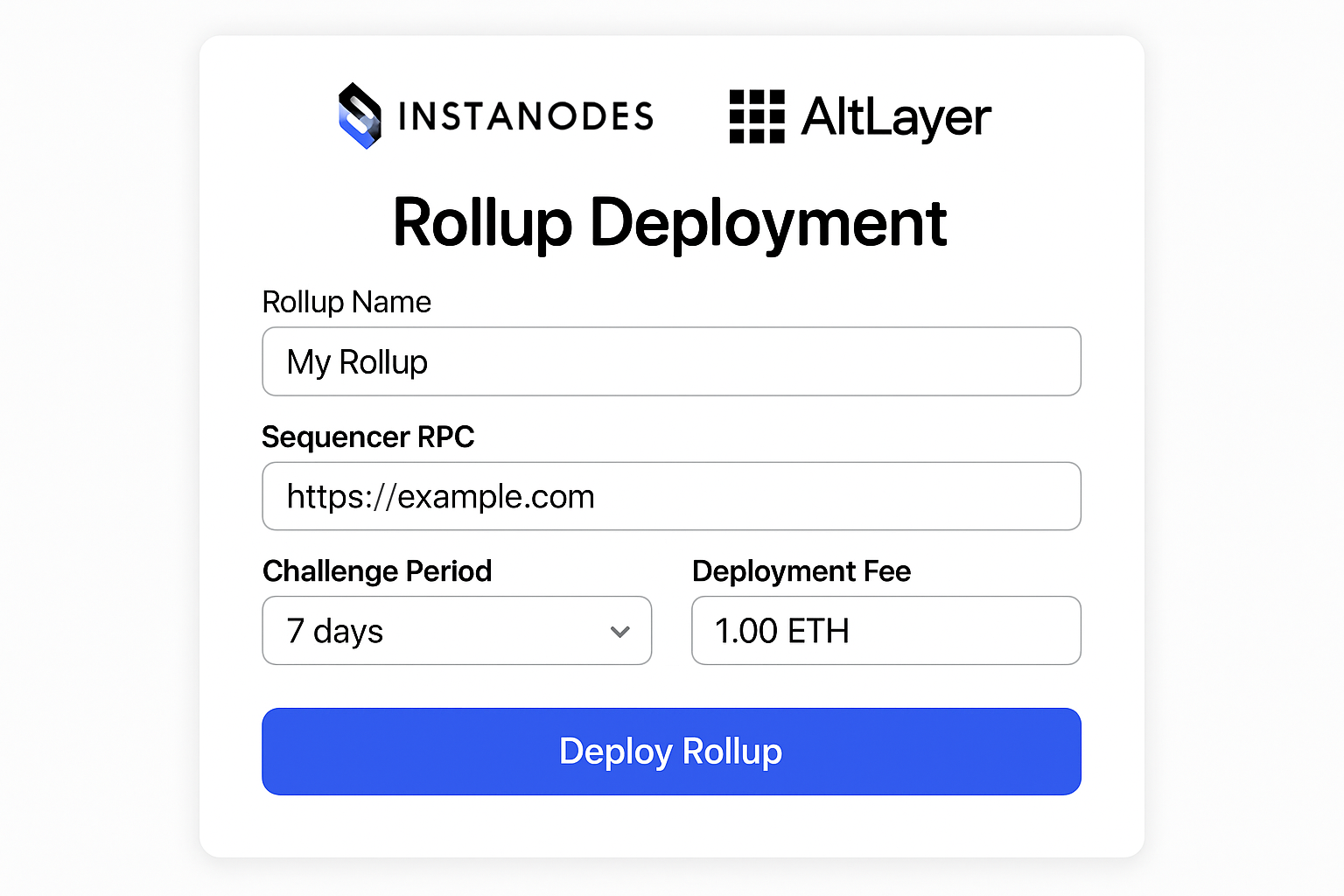
- One-Click Deployment: Launch an Ethereum-compatible rollup with a single click or API call. No more wrestling with node configs or Dockerfiles.
- No-Code Customization: Dashboards let you tweak chain parameters (gas token, block time, DA layer) without touching code.
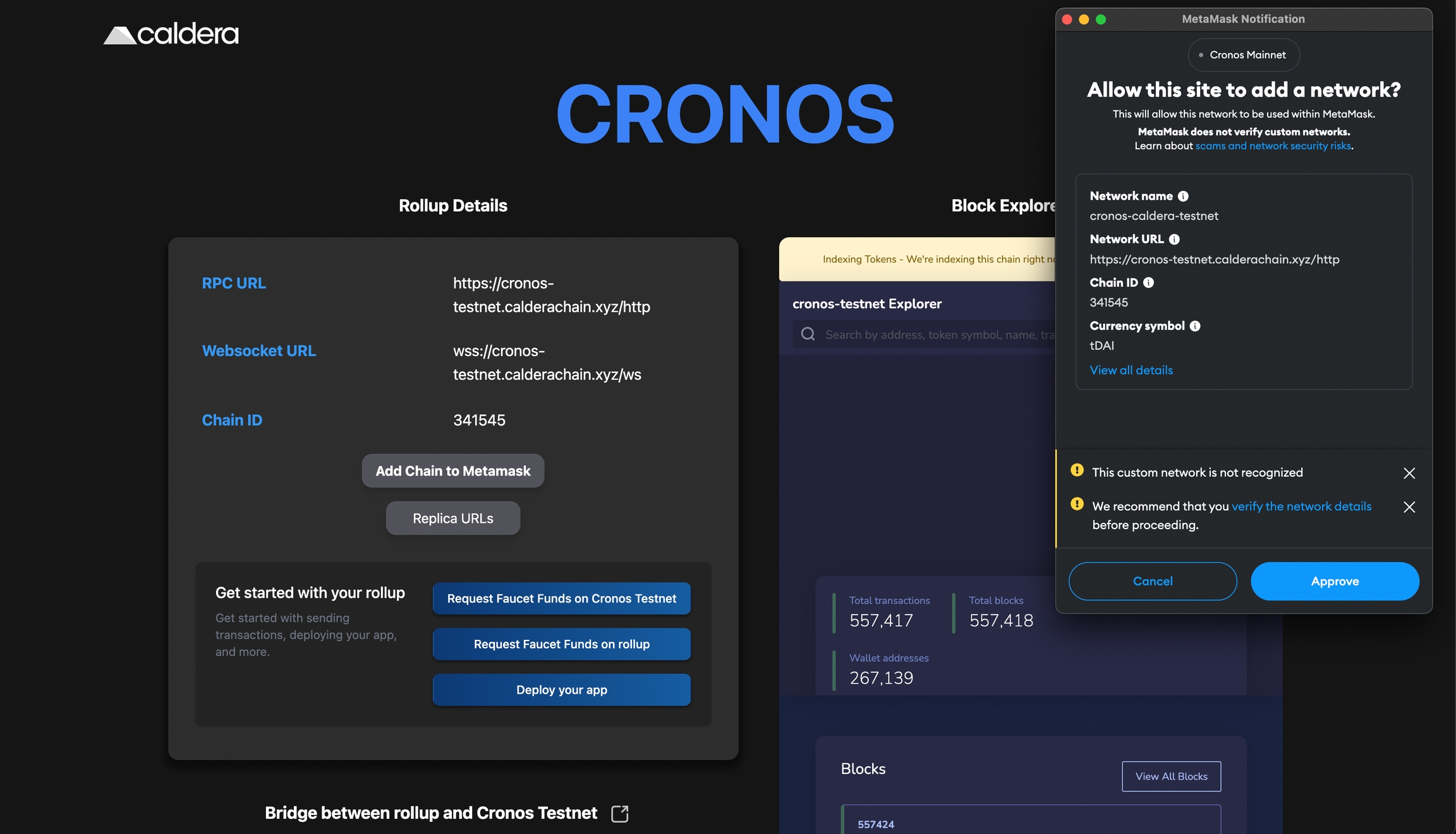
- Integrated Infrastructure: Built-in RPC endpoints, indexers, explorers, staking modules, and enterprise-grade uptime SLAs.
- Security by Default: Providers adhere to standards like ISO 27001 and SOC 2 Type 2; many offer 24/7 monitoring and incident response.
This means startups can focus on what matters: building killer dApps and onboarding users, not wrangling infrastructure or hiring protocol engineers. For a deep dive into how RaaS accelerates appchain projects for blockchain developers specifically, check out this guide.
The Startup Advantage: Speed, Cost and Flexibility
The numbers speak for themselves. Historically it could take three to six months, and hundreds of thousands in engineering costs, to launch a custom appchain. RaaS platforms slash time-to-market to under a week and reduce costs by leveraging shared infrastructure and cloud credits. Startups can pick from multiple rollup stacks (Optimism OP Stack, Arbitrum Nitro), swap out data availability layers as needed (Celestia vs EigenDA), and even white-label explorers or bridges for seamless UX.
This flexibility is critical in the current market cycle where speed is alpha. Teams can iterate quickly on-chain economics or governance models without being locked into rigid architectures or vendor ecosystems.
Simplifying Cross-Chain Deployment
The multi-chain future demands interoperability from day one. Modern RaaS providers bake in cross-chain bridge support so your users can move assets freely between your appchain and major L1s/L2s. Platforms like Tokyo Techie even offer sandbox environments for testing deployments before going live, a huge win for developer velocity and risk management.
For founders, this means less time spent debugging infrastructure and more time capturing market share. Instead of hiring a team of protocol engineers, you can launch, test, and iterate on new business models at a pace that matches the crypto market’s velocity. The result: faster user onboarding, better product-market fit, and the agility to pivot as your ecosystem evolves.
Top Benefits of RaaS for Startup Appchain Deployment
- Lightning-Fast Rollup Launches: Platforms like Chaindrop enable startups to deploy Ethereum rollups in minutes, dramatically reducing time-to-market and accelerating innovation.
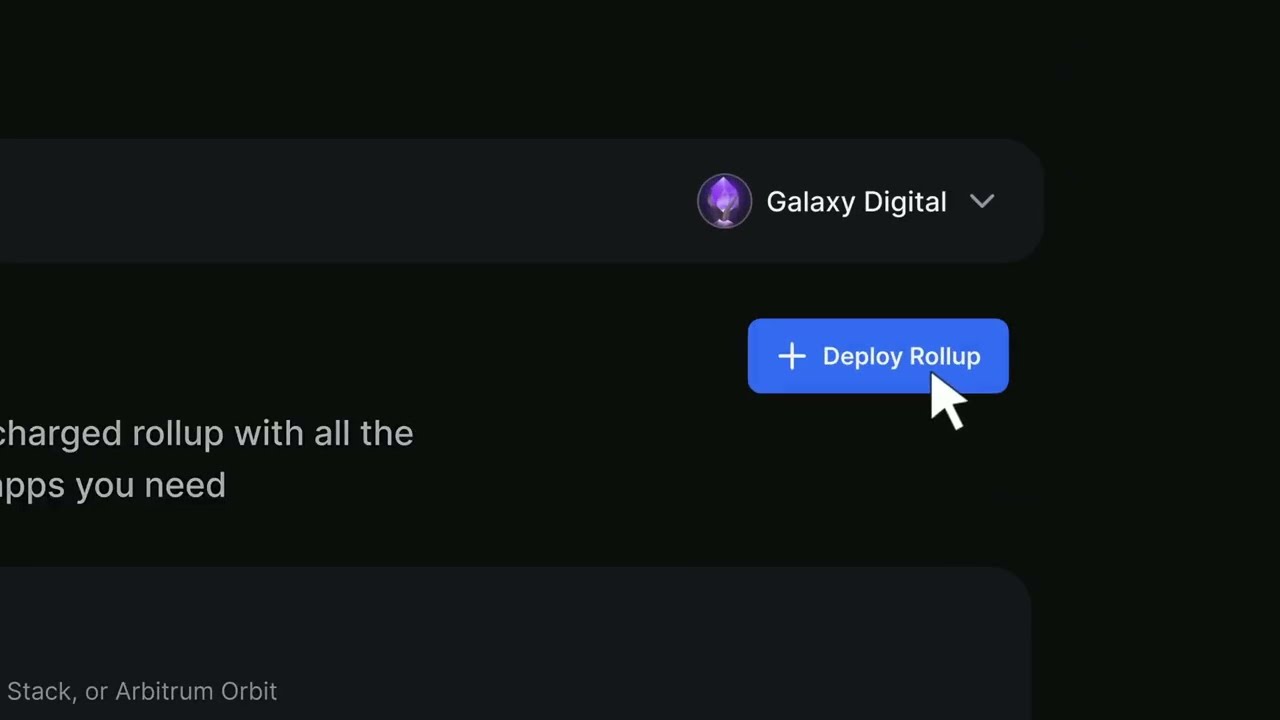
- Extensive Customization & Flexibility: RaaS providers offer deep customization—supporting multiple rollup stacks (e.g., OP Stack, Arbitrum Nitro), custom gas tokens, and data availability layers—empowering startups to tailor chains to their needs.
- All-in-One Infrastructure Suite: Services like Tokyo Techie deliver robust infrastructure, including RPC APIs, staking, white-label explorers, and cross-chain bridges for seamless appchain operations.
- Cost-Efficient Deployment: By leveraging existing cloud credits and eliminating the need for extensive in-house blockchain engineering, RaaS platforms significantly lower deployment costs for startups.

- Enterprise-Grade Security & Reliability: Providers like Tokyo Techie ensure high security (ISO 27001, SOC 2 Type 2 compliance) and 24/7 monitoring, giving startups peace of mind with reliable rollup operations.
- One-Click, Multi-Chain Expansion: Leading RaaS providers such as Instanodes and AltLayer offer one-click deployment and modular rollup architectures, making multi-chain scaling accessible for startups.
RaaS in Action: Real-World Startup Outcomes
Let’s look at what’s possible with today’s RaaS platforms:
- Instant Scalability: Projects scale from MVP to mainnet with zero downtime thanks to enterprise-grade SLAs and 24/7 monitoring.
- Custom Ecosystem Growth: Startups launch loyalty tokens, NFT platforms, or gaming economies using custom gas tokens and fee structures.
- Seamless Upgrades: Need to switch data availability layers or rollup stacks? RaaS providers offer migration tooling so you’re never locked in.
- Regulatory Peace of Mind: Security certifications (ISO 27001, SOC 2 Type 2) make it easier to onboard partners and institutions.
This new paradigm allows even lean teams to compete with well-funded incumbents. Whether you’re building a DeFi protocol or a social token platform, RaaS makes sophisticated blockchain infrastructure accessible, no PhD required. For more on how abstract rollup technology is fueling this trend for startups specifically, see this resource.
What’s Next for Multi-Chain Appchain Deployment?
The next wave will be about composability and modularity. As RaaS platforms add support for more rollup stacks (think zkEVMs or privacy-centric chains) and deeper integrations (cross-chain messaging protocols, MEV protection), startups will have unprecedented optionality. Expect further abstraction layers that let developers deploy not just chains but entire ecosystems, bridges, oracles, DAOs, with minimal friction.
The upshot? The barriers between idea and live blockchain are collapsing. With Rollup-As-A-Service leading the way, the multi-chain future isn’t just possible, it’s inevitable.




No comments yet. Be the first to share your thoughts!