
Blockchain development is evolving at a breakneck pace, and the rise of Rollup-as-a-Service (RaaS) platforms is a game-changer for teams seeking seamless multi-chain deployment. Instead of wrestling with the complexities of custom rollup infrastructure, developers can now spin up scalable, interoperable app-chains in minutes, not months. This shift empowers projects to focus on innovation while leveraging enterprise-grade security, speed, and customization.
Why Rollup-as-a-Service Is Transforming Multi-Chain App Deployment
At its core, Rollup-as-a-Service abstracts away the infrastructure headaches of deploying custom rollups. Whether you’re building a DeFi protocol, a high-frequency game, or a cross-chain dApp, RaaS platforms like AltLayer, Caldera, and Instanodes let you launch tailored rollups, optimistic, ZK, or hybrid, without deep protocol expertise. This modularity is a seismic leap for blockchain developer tools and app-chain scalability.
Key features include:
Top RaaS Platform Features Powering Multi-Chain Apps
- Multi-Prover & Multi-VM Support: Platforms like AltLayer and Instanodes support both ZK-rollups and optimistic rollups, offering developers flexibility with Polygon CDK, ZK Stack, OP Stack, and Arbitrum Orbit.
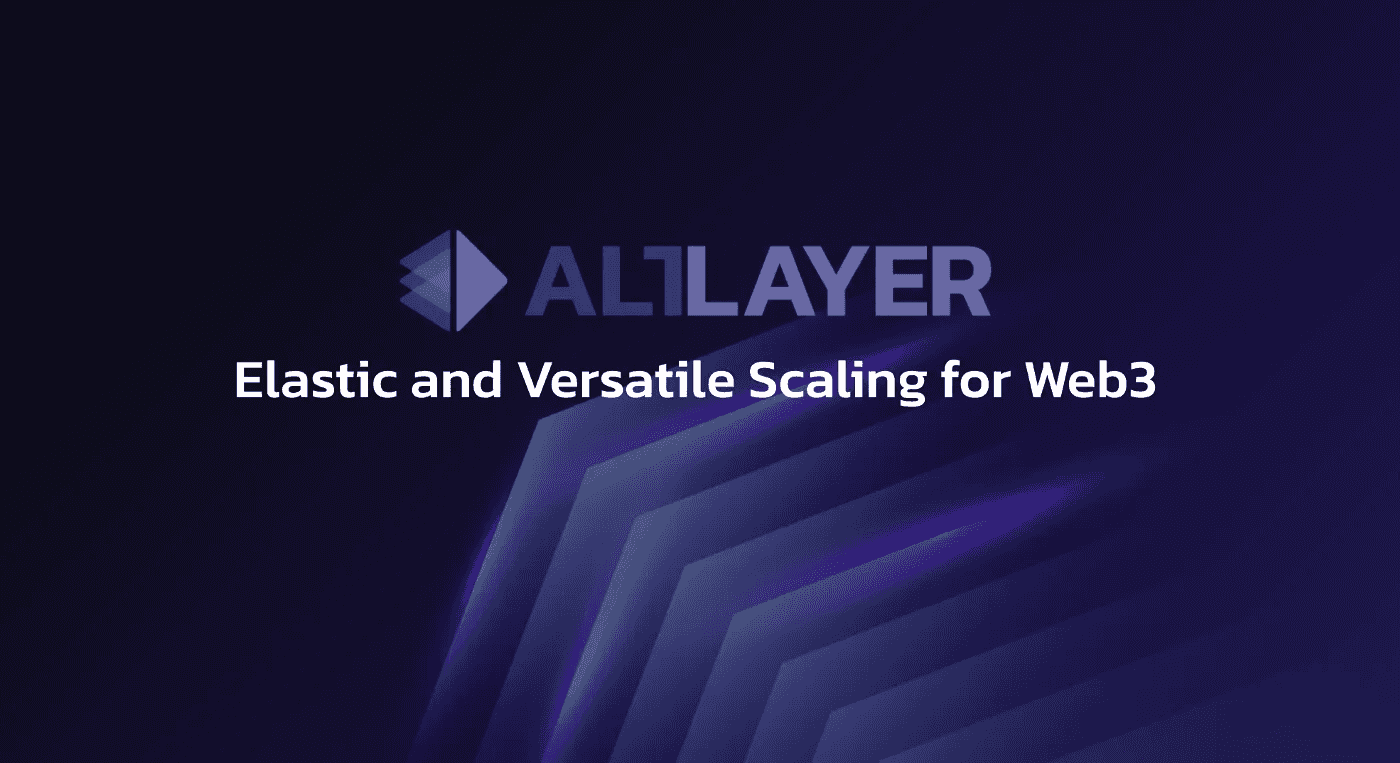
- Interoperability Layers: Caldera's Metalayer enables seamless communication and shared liquidity across all Caldera-based rollups, powering true multi-chain connectivity.
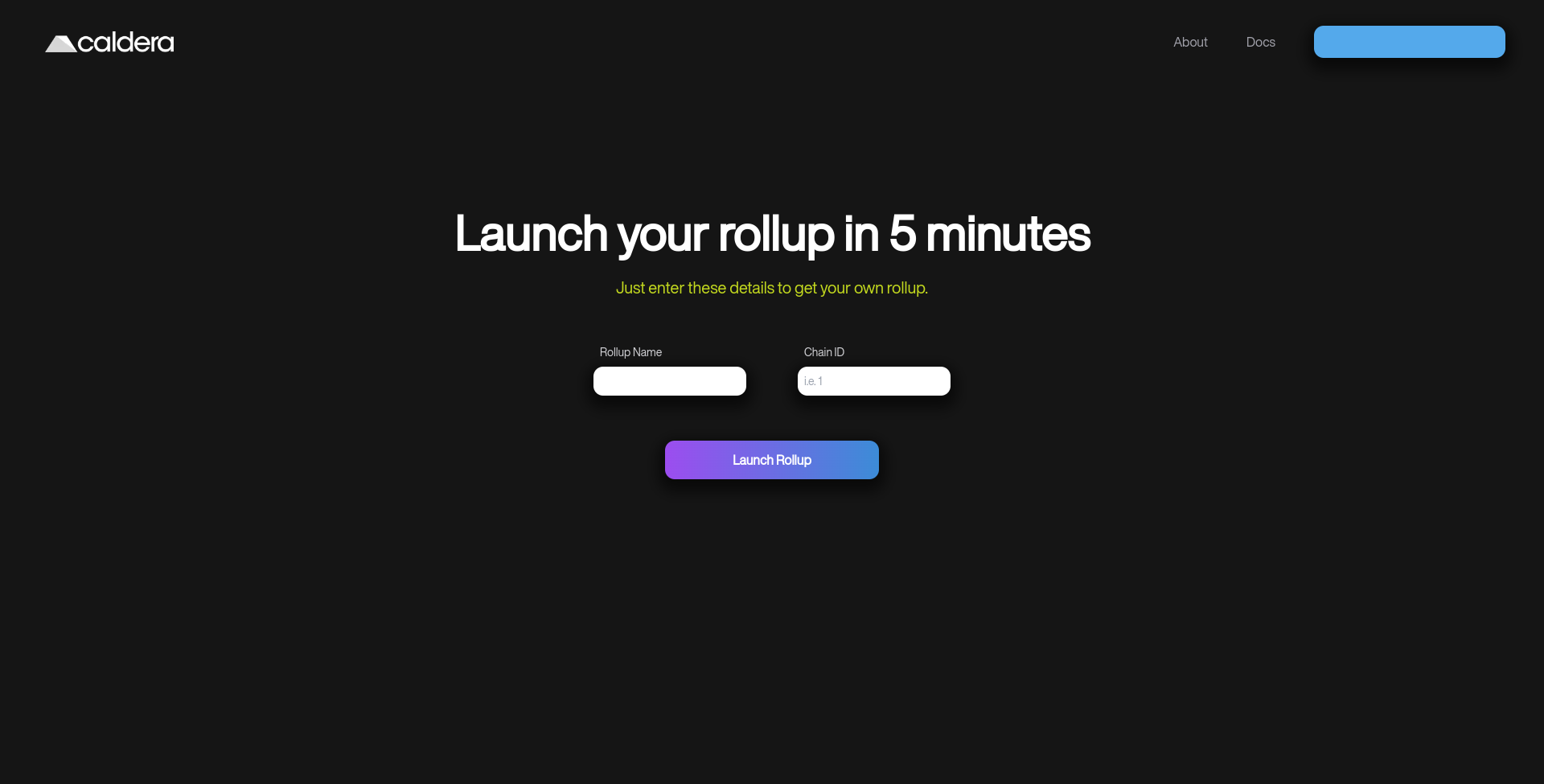
Platforms such as Caldera provide a no-code dashboard, making rollup configuration as easy as toggling switches. AltLayer’s “flash layers” offer ephemeral rollups for specific events, while Instanodes delivers built-in sequencers and verifiers, supporting Ethereum, Polygon, and Binance Smart Chain out of the box. This flexibility means developers can target the best environment for their application’s needs.
Multi-Chain Interoperability: Unlocking Cross-Chain dApp Potential
The holy grail of blockchain is seamless interoperability, and RaaS platforms are delivering. Caldera’s Metalayer technology creates a connective tissue between all Caldera-based rollups, enabling cross-rollup communication and shared liquidity pools. This architecture is a boon for cross-chain dApps, letting assets and data flow frictionlessly across ecosystems while maintaining high throughput and low latency.
For example, a DeFi protocol can launch its own dedicated rollup to avoid mainnet congestion, but still interact with liquidity on other chains via secure bridges. Gaming studios can deploy app-chains optimized for real-time transactions and then connect them to NFT marketplaces or social layers elsewhere in the ecosystem.
Customization and Use Case Flexibility
One size never fits all in blockchain. That’s why leading RaaS providers offer deep customization options, developers can tweak throughput, privacy settings, governance structures, even the virtual machine itself (EVM or custom VMs). This flexibility is vital for verticals like:
- On-chain gaming: Sub-second confirmation times deliver smooth player experiences at scale.
- DeFi: Dedicated rollups mean no more competing for blockspace during high-volume events.
- Enterprise: Regulatory compliance and data privacy can be dialed in from day one.
As Eco.com notes, teams can now deploy production-grade rollups in minutes rather than months, a dramatic reduction in time-to-market that’s fueling a new wave of multi-chain innovation.
Scalability and security are only part of the equation. The real magic of Rollup-as-a-Service is how it unlocks multi-chain deployment at enterprise scale, without sacrificing developer experience or composability. Leading RaaS platforms are integrating robust APIs, advanced monitoring dashboards, and white-labeled infrastructure, so teams can truly own their stack while leveraging industry-best uptime and support.
Pro tip: If you’re launching a protocol that requires both high throughput and granular control over governance, opt for a RaaS provider with multi-VM support and customizable sequencer logic. This ensures your app-chain can evolve with your user base and regulatory needs.
The RaaS Ecosystem: Driving Real-World Use Cases
RaaS platforms aren’t just theoretical, they’re powering live, high-impact applications right now. In gaming, teams are deploying app-chains with sub-second finality for millions of concurrent users. In DeFi, protocols are launching dedicated rollups to bypass L1 congestion and deliver lightning-fast swaps, lending, and derivatives. Enterprises are leveraging RaaS to meet compliance requirements and data sovereignty mandates, all while staying connected to the broader blockchain universe.
With Zeeve and Conduit offering modular stacks, developers can mix and match components like data availability layers, cross-chain bridges, and advanced analytics. This flexibility is driving adoption across sectors that demand both performance and interoperability.
Choosing the Right RaaS Platform: What Developers Should Look For
Not all RaaS providers are created equal. To maximize the benefits of abstract rollups and multi-chain deployment, developers should prioritize:
Essential Features to Demand from Your RaaS Provider
- Real-Time Monitoring & Analytics: Ensure your RaaS platform offers comprehensive dashboards for live performance tracking, error detection, and network health metrics. This is vital for quick troubleshooting and maintaining uptime.

- Multi-Chain Bridge Support: Look for native integration with cross-chain bridges to facilitate seamless asset and data transfers across major blockchains like Ethereum, Polygon, and Binance Smart Chain.
- EVM Compatibility: Choose a provider that supports full EVM compatibility so you can deploy existing smart contracts and leverage the broad Ethereum developer ecosystem without code rewrites.
- Rapid & Modular Deployment: Opt for platforms like Caldera or AltLayer that enable app-specific rollup launches in minutes with no-code or low-code dashboards, accelerating your time-to-market.
- 24/7 Expert Support: Prioritize RaaS providers offering round-the-clock technical support and dedicated onboarding to ensure smooth deployment and ongoing operations.
Evaluate the provider’s integration options, does it support your target Layer 1 or Layer 2? Is there a clear path for scaling as your user base grows? What’s the SLA on uptime, and how is cross-chain messaging handled? These factors directly impact your app’s reliability and user experience.
The Future of App-Chain Scalability
As the RaaS landscape matures, expect even tighter integration between rollup infrastructure and developer tooling. Upcoming innovations like intent-based execution, programmable privacy, and AI-driven monitoring will further abstract away the complexities of blockchain deployment. For builders, this means more time spent shipping features, and less time wrangling infrastructure.
In the race to onboard the next billion users, Rollup-as-a-Service is proving to be the lever that multiplies developer productivity and unlocks true cross-chain dApp potential. If you’re serious about scaling your application, the data is clear: the future is modular, customizable, and powered by RaaS.




No comments yet. Be the first to share your thoughts!