
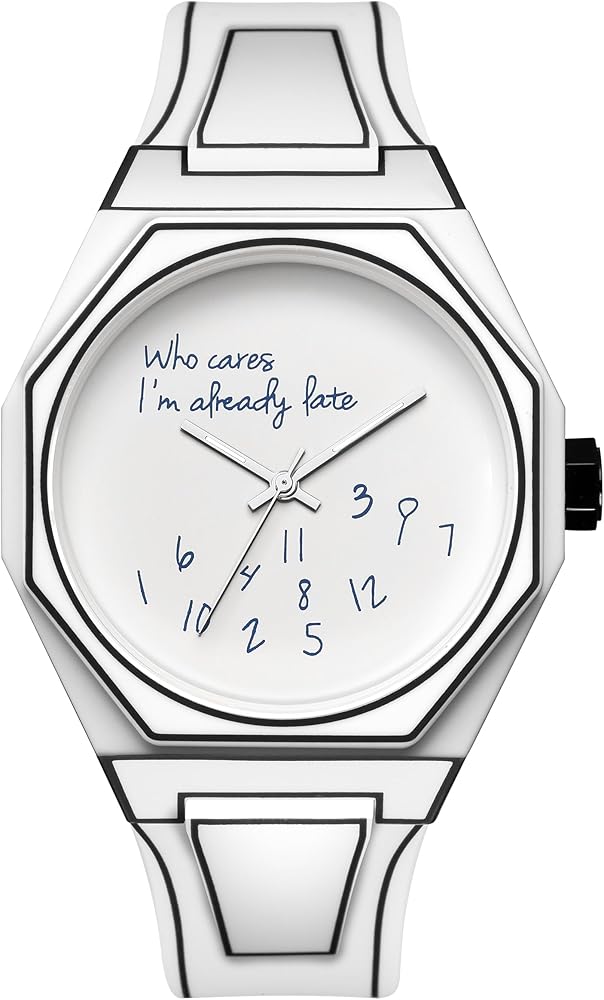
Why abstract dials define 2026 trends
The landscape of luxury horology is shifting away from the rigid geometry of traditional sub-dials toward artistic expression. In 2026, the dominant trend is the abstract dial—a design philosophy that prioritizes visual intrigue over conventional time-telling. This movement reflects a broader desire for "dial art," where the face of the watch serves as a canvas for texture, color, and unconventional mechanics rather than just a display of indices and hands.
Industry reports from WatchWarehouse highlight that dial designs are getting bolder with color and texture, signaling a departure from the sterile white faces of the previous decade. This shift is evident in the rising search volume for "weird watches," a category that now encompasses everything from Van Cleef & Arpels’ poetic complications to Christopher Ward’s experimental layouts. These pieces are not merely accessories; they are wearable sculptures that challenge the viewer’s perception of time.
The appeal of abstract design lies in its ability to convey luxury through subtlety and complexity. Instead of shouting with loud numerals, these watches whisper through intricate guilloché patterns, enamel work, or asymmetrical layouts. This approach aligns with the quiet luxury aesthetic, where value is found in the craftsmanship of the dial itself rather than in overt branding. As we move deeper into 2026, the most sought-after minimalist luxury watches are those that balance this artistic freedom with clean, readable lines.
Top 10 abstract timepieces for 2026
The 2026 watch landscape rewards restraint. Abstract design has moved beyond novelty into the realm of refined luxury, where dial art and structural minimalism take center stage. These ten picks represent the year's most compelling intersections of avant-garde aesthetics and wearable elegance.
Each model strips away the decorative excess of traditional horology, leaving only the essential elements of timekeeping and form. We've selected these watches for their distinct visual language—whether through geometric dials, floating hands, or unconventional material pairings.
1. MB&F HM10 King Cobra
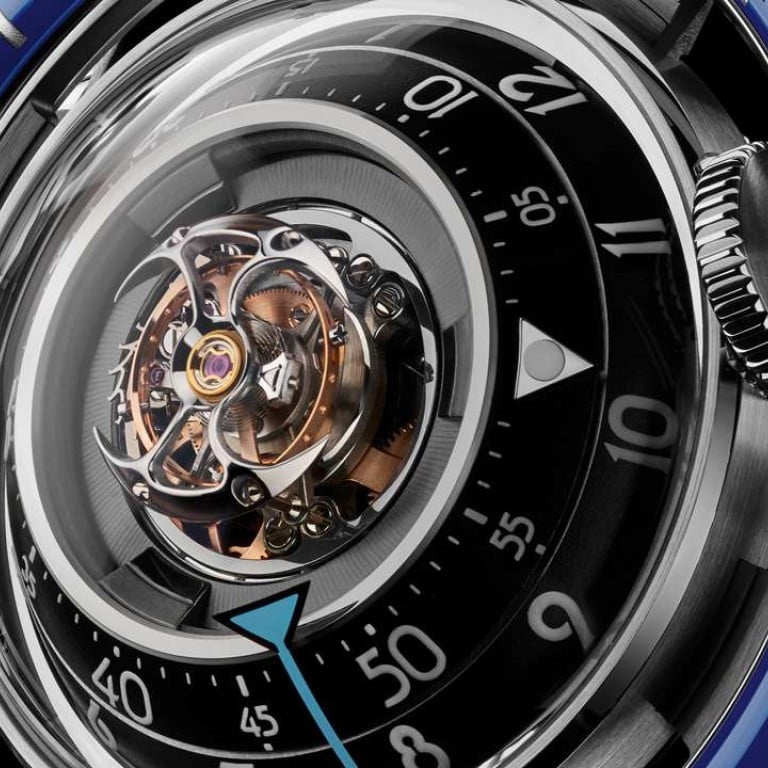
MB&F's HM10 King Cobra redefines the sport watch through pure abstraction. The case itself is the dial, with a transparent sapphire crystal revealing the intricate movement beneath. There are no numerals, no markers—just the mechanical heart beating against a dark, textured background. The curved sapphire bezel acts as a magnifying lens, distorting the view slightly to create a dynamic, almost liquid appearance.
The King Cobra's design is aggressive yet elegant, with a case shape that mimics the coiled body of its namesake. It's a piece that demands attention not for its luxury branding, but for its radical departure from conventional watch design.
2. H. Moser & Cie. Endeavour Centre-Second
H. Moser & Cie. continues to push the boundaries of minimalist luxury with the Endeavour Centre-Second. The dial is a study in negative space, with a single central seconds hand sweeping across a clean, uncluttered surface. The hour markers are applied indices, small and precise, leaving the majority of the dial open.
The watch's appeal lies in its restraint. There are no complications, no subdials—just the pure, uninterrupted flow of time. The use of unusual dial colors, such as the vibrant green or deep blue, adds a touch of abstraction without sacrificing legibility.
3. Richard Mille RM 07-03
Richard Mille's RM 07-03 is a masterclass in structural abstraction. The case is a complex assembly of titanium and ceramic, with visible screws and bridges that form a geometric pattern on the dial. The hands are skeletonized, appearing to float above the movement.
The watch's design is functional first, with every element serving a purpose. Yet the result is undeniably abstract, with a visual complexity that rivals modern art. The RM 07-03 is a statement piece, designed for those who appreciate the intersection of engineering and aesthetics.
4. De Bethune DB28
De Bethune's DB28 collection is defined by its curved, moon-like case and floating lugs. The dial is a canvas for abstract design, with blued steel hands and applied indices that contrast against the dark, textured background. The watch's most distinctive feature is its twin power reserve indicators, which are positioned at 12 and 6 o'clock.
The DB28's design is both futuristic and timeless, with a sense of movement even when the watch is still. The curved case reflects light in unpredictable ways, creating a dynamic visual experience that changes with every angle.
5. F.P. Journe Chronomètre Bleu
F.P. Journe's Chronomètre Bleu is a study in precision and abstraction. The dial is a deep blue, with white gold indices and hands that stand out in sharp contrast. The watch's most distinctive feature is its small seconds subdial, which is positioned at 6 o'clock and features a hand that sweeps in a circular motion.
The Chronomètre Bleu's design is minimalist yet complex. The use of blue steel hands and indices adds a touch of abstraction, while the clean dial ensures legibility.
6. Urwerk UR-112
Urwerk's UR-112 is a radical departure from traditional watch design. The case is angular and aggressive, with a digital display that replaces the traditional dial. The time is shown through a series of rotating discs, each displaying a different digit.
The UR-112's design is abstract in the truest sense, with no reference to conventional watch aesthetics. It's a piece that challenges the viewer's perception of time, with a visual language that is both futuristic and alien.
7. Greubel Forsey GMT
Greubel Forsey's GMT is a masterpiece of abstract engineering. The case is a complex assembly of titanium and gold, with visible gears and bridges that form a geometric pattern on the dial. The hands are skeletonized, appearing to float above the movement.
The GMT's design is functional first. Yet the result is undeniably abstract, with a visual complexity that rivals modern art. The watch is a statement piece, designed for those who appreciate the intersection of engineering and aesthetics.
8. Jaquet Droz Grande Seconde
Jaquet Droz's Grande Seconde is a classic example of abstract minimalism. The dial is dominated by a large seconds subdial, which is positioned at 6 o'clock and features a hand that sweeps in a circular motion. The hour and minute hands are positioned at 12 o'clock, creating a sense of balance and symmetry.
The Grande Seconde's design is simple yet elegant. The use of applied indices and blued steel hands adds a touch of abstraction, while the clean dial ensures legibility.
9. Patek Philippe Nautilus 5711
The Patek Philippe Nautilus 5711 is a testament to the power of abstract design. The case is a complex assembly of steel, with a dial that features a horizontal embossed pattern. The hands are blued steel, standing out in sharp contrast against the dark background.
The Nautilus 5711's design is minimalist yet complex. The use of horizontal lines adds a sense of movement, while the clean dial ensures legibility. It's a piece that has become an icon of abstract luxury.
10. Audemars Piguet Royal Oak
The Audemars Piguet Royal Oak is another icon of abstract design. The case is a complex assembly of steel, with a dial that features a "Grande Tapisserie" pattern. The hands are blued steel, standing out in sharp contrast against the dark background.
The Royal Oak's design is minimalist yet complex. The use of the tapisserie pattern adds a sense of texture and depth, while the clean dial ensures legibility. It's a piece that has become an icon of abstract luxury.
As an Amazon Associate, we may earn from qualifying purchases.
Comparing dial art and movement types
Abstract watch design relies on the tension between visual simplicity and mechanical complexity. The dial is not merely a display; it is the primary canvas where the movement’s architecture is revealed or concealed. Understanding how different abstract styles interact with their underlying mechanisms helps separate decorative gimmicks from genuine horological art.
Single-Hand and Minimalist Movements
Single-hand watches strip timekeeping to its most essential form. By removing the minute hand, the dial becomes a study in negative space and hour markers. The movement is often a standard caliber modified for a single hand, or a dedicated ultra-thin architecture. This style prioritizes legibility of the hour over precision, making it a statement of intent rather than utility. The visual result is a clean, uncluttered face that emphasizes the case design.
Jumping Hour and Retrograde Displays
Jumping hour mechanisms replace sweeping hands with digital-style windows that flip or rotate to the next hour. This creates a stark, geometric abstraction of time. Retrograde dials, meanwhile, sweep a hand across an arc before snapping it back to zero. Both styles require complex gear trains that add depth to the movement. The dial art here is functional, turning the passage of time into a mechanical event rather than a continuous sweep.
Celestial and Astronomical Abstractions
Celestial dials map the stars, moon phases, or planetary positions onto a minimalist face. These are not simple decorative prints; they require precise astronomical calculations and intricate gear reductions to track the heavens accurately. The abstraction lies in translating complex celestial mechanics into a readable, often elegant, dial layout. This style bridges the gap between horology and astronomy, offering a poetic yet technically demanding timepiece.
The following table compares these distinct approaches to abstract design, highlighting their mechanical implications and visual characteristics.
| Abstract Style | Movement Type | Visual Impact | Mechanical Complexity |
|---|---|---|---|
| Single-Hand | Standard or Modified Caliber | Clean, Negative Space | Low |
| Jumping Hour | Digital-Flip or Rotary | Geometric, Digital | High |
| Retrograde | Spring-Loaded Arc | Dynamic, Linear | High |
| Celestial | Astronomical Complication | Detailed, Poetic | Very High |
How to choose your abstract timepiece
Selecting an abstract watch requires balancing artistic intent with daily wearability. The goal is to find a piece where the dial art serves as a focal point without sacrificing legibility or comfort. Follow this workflow to narrow down your options from the 2026 lineup.
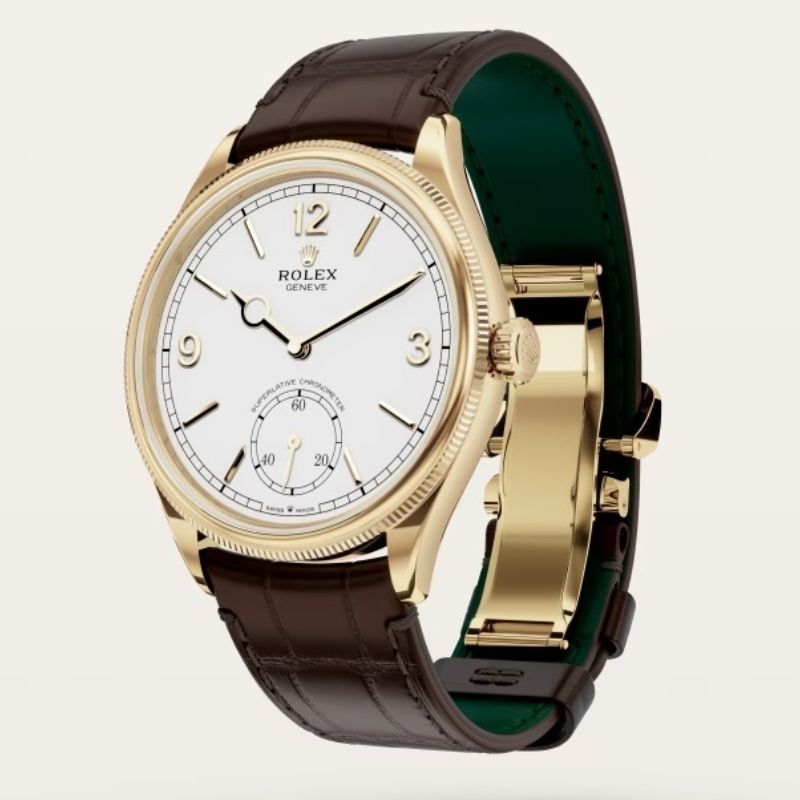
Abstract design ranges from geometric minimalism to avant-garde structures. Decide if you prefer the clean lines of a dial-free face or the bold shapes of an irregular case. This preference dictates the visual weight of the watch on your wrist.
Smaller, sleeker case sizes are making a comeback in 2026. Ensure the diameter and lug-to-lug measurement fit your wrist comfortably. An oversized abstract dial can overwhelm a slender wrist, while a too-small case may obscure the artistic details.
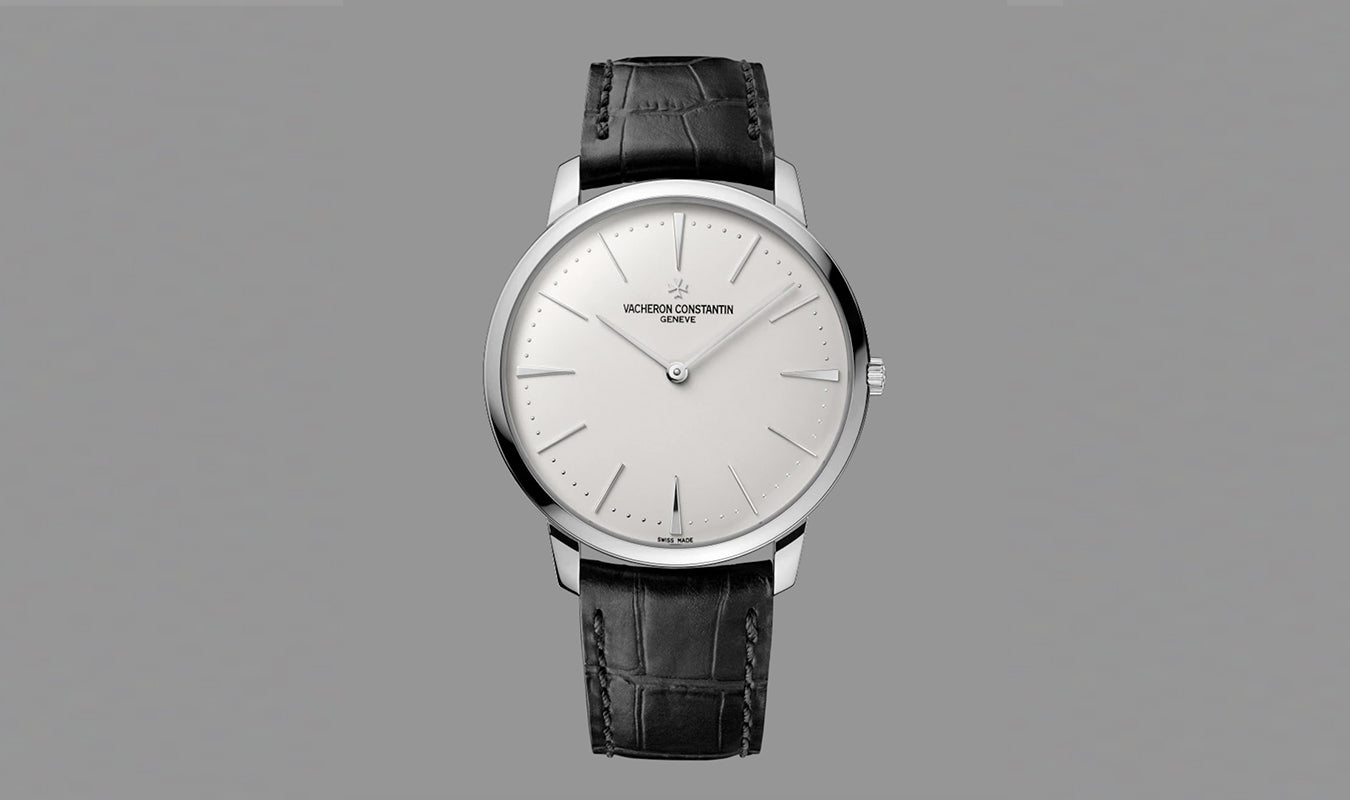
Abstract designs often remove traditional markers. Check if the jump hour, skeletonized hands, or unconventional indices remain readable in low light. A reliable movement ensures the artistic mechanism functions smoothly without constant adjustment.
Abstract timepieces vary widely in price. Microbrands offer accessible entry points, while haute horlogerie commands premium prices. Determine your spending limit early to filter out brands that do not align with your financial parameters.
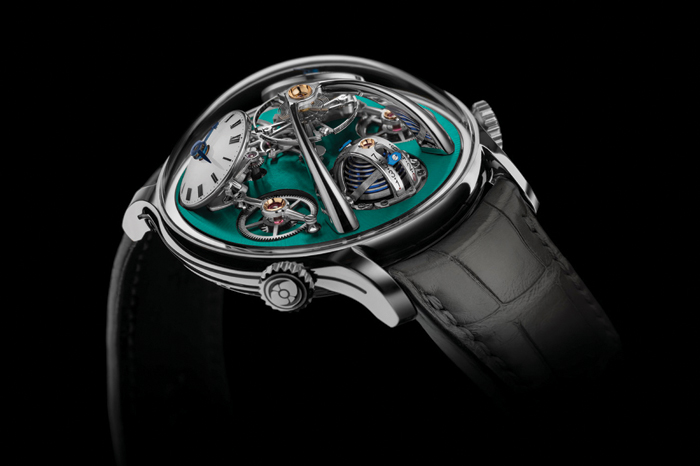
Premium materials and high-tech finishes define 2026 trends. Look for sapphire crystals, ceramic bezels, or brushed titanium cases. These materials enhance durability and complement the abstract aesthetic with a tactile, modern feel.
Before finalizing your purchase, use this quick checklist to ensure the watch meets your needs:
- Legibility: Can you read the time at a glance?
- Comfort: Does the case size feel secure on your wrist?
- Movement: Is the mechanism reliable and serviceable?
- Style: Does the abstract design match your personal aesthetic?
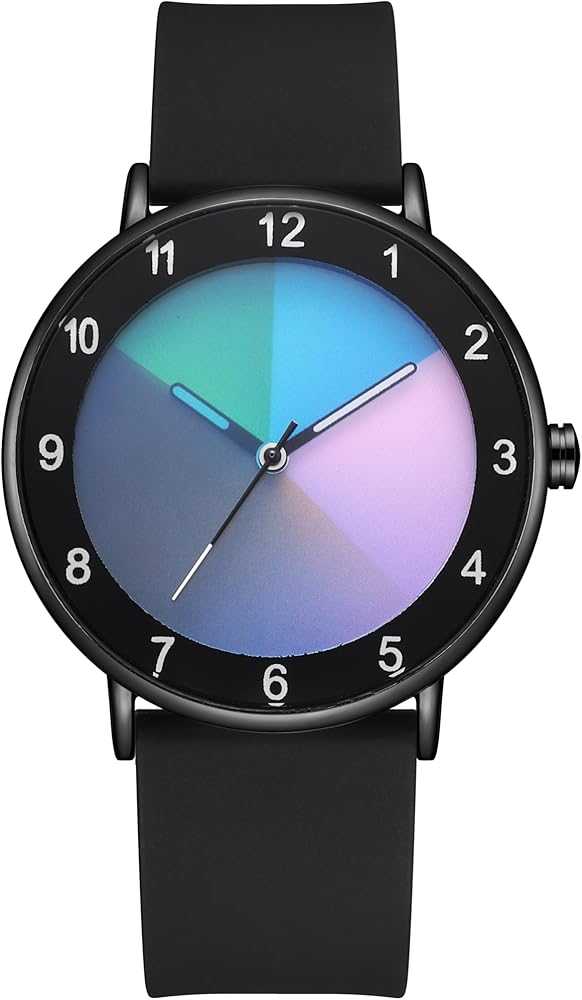

As an Amazon Associate, we may earn from qualifying purchases.
Frequently asked questions about abstract watches
Can you actually read the time on an abstract watch? Abstract designs often replace traditional numerals with geometric markers or "dial art," which can challenge quick time-checking. However, most minimalist luxury pieces maintain legibility by using high-contrast hands and clear indices. You may need a moment to orient yourself to the specific layout, but the time remains readable once you understand the dial's visual language.
Are minimalist watches suitable for formal events? Yes. Abstract and minimalist designs are staples of formal dress watches because they prioritize clean lines over clutter. A watch with a simple dial and thin case profile, such as the Nomos Tangente or the A. Lange & Söhne Lange 1, complements a suit without drawing excessive attention. The elegance lies in the restraint of the design rather than the complexity of the mechanics.
How do you maintain an abstract watch dial? Dial art and minimalist finishes require gentle care to preserve their integrity. Avoid exposing the watch to extreme magnetic fields or harsh chemicals, which can degrade the lacquer or patina over time. Regular servicing by a qualified watchmaker ensures the movement remains accurate, while soft cloth cleaning keeps the abstract surface free of smudges that might obscure the design.
Is the higher price of abstract watches justified? The cost often reflects the precision of the movement and the craftsmanship required to execute complex dial art or unique materials. While the aesthetic is simple, the engineering behind it—such as the jump hour mechanism or tourbillon—can be intricate. You are paying for the design philosophy and the quality of materials, not just the visual minimalism.
No comments yet. Be the first to share your thoughts!