
Why independent watches beat luxury giants in 2026
The era of treating luxury watches as passive, high-yield assets has effectively ended. Major manufacturers like Rolex and Patek Philippe, once the bedrock of secondary market growth, are facing saturation and a collapse in waitlist premiums. As traditional scarcity evaporates, the "investment watch" narrative is shifting toward independent and abstract brands that offer genuine design innovation and controlled supply.
This structural shift is visible in market data. The following chart compares the performance of major luxury indices against broader independent watch market trends, highlighting the divergence in growth potential.
Independent brands are outperforming because they operate on a different economic model. While luxury giants rely on volume and brand heritage to maintain price floors, independents thrive on scarcity and artisanal uniqueness. In 2026, collectors are prioritizing pieces with distinct horological identities over status symbols that have become commoditized on the grey market.
Truefacet notes that while luxury watches remain a compelling alternative investment, success is now highly selective. The broad-based appreciation of the past decade has given way to a bifurcated market. Top-tier independents are capturing the growth that luxury giants once held, offering higher potential returns for investors willing to look beyond the big names.
The key takeaway is that the "safe" bet of a Rolex or Patek no longer guarantees the same alpha. Investors are finding better risk-adjusted returns in the independent sector, where design originality and limited production runs create genuine scarcity that the market still rewards.
Top abstract watch investment picks for 2026
The independent watch sector has shifted from a niche hobbyist market to a serious asset class. In 2026, "abstract" design—characterized by non-traditional materials, avant-garde geometry, and experimental dial layouts—is outperforming many legacy luxury giants. These pieces offer diversification away from the saturated Rolex and Patek Philippe markets, providing exposure to brands that prioritize artistic innovation over heritage marketing.
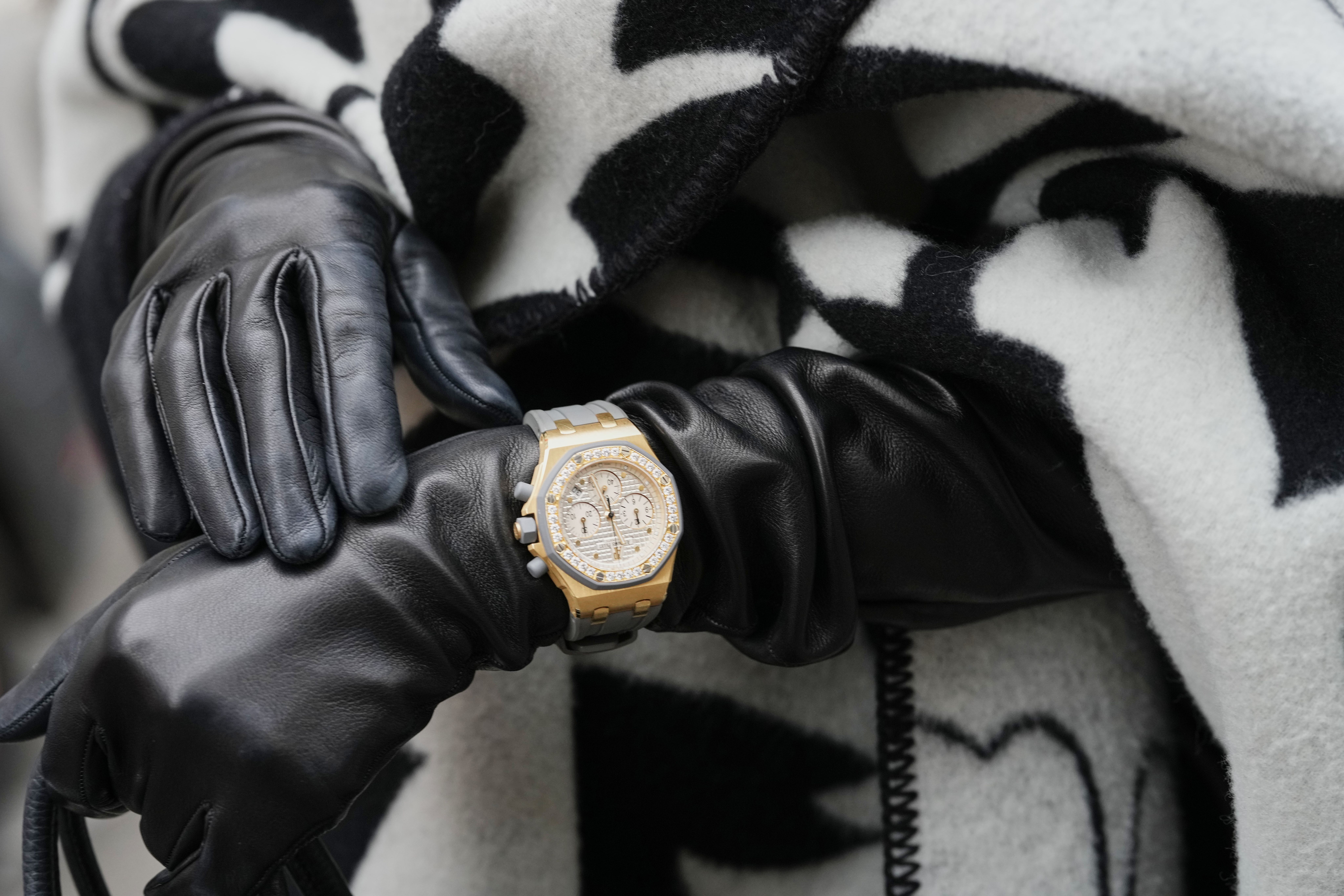
When evaluating abstract watches for investment, focus on scarcity and brand narrative. Unlike mass-produced luxury items, independent brands often limit production runs, creating immediate supply constraints. The following selections represent the strongest candidates for resale appreciation, blending artistic distinctiveness with proven market liquidity.
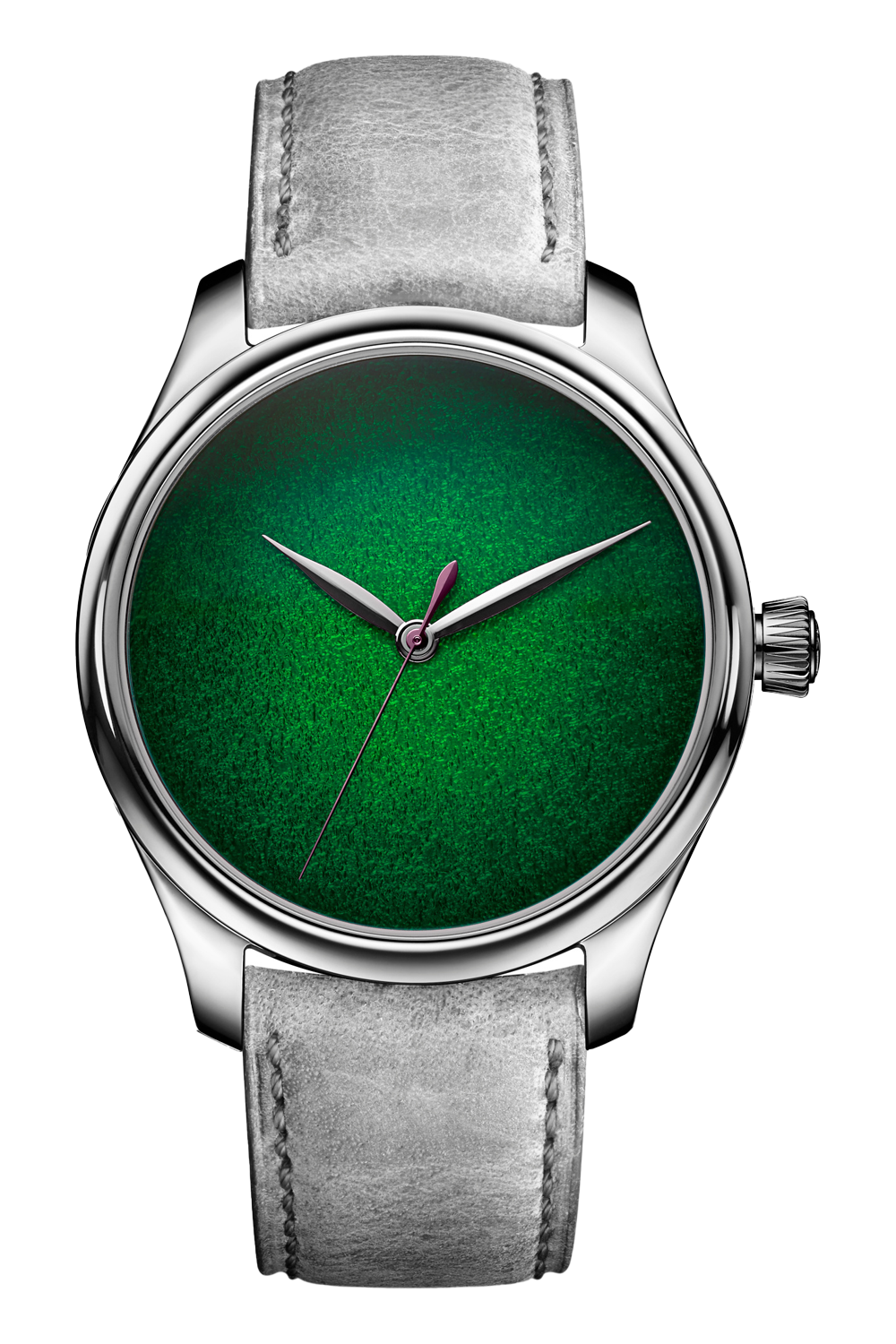
H. Moser & Co. Endeavour Centre-Seconds
H. Moser & Co. has redefined the luxury watch aesthetic with its minimalist, vapor-dial designs. The Endeavour Centre-Seconds remains a cornerstone of their collection, offering a clean, abstract face that appeals to modern collectors. Its limited production and strong secondary market demand make it a reliable entry point for those seeking independent brand exposure.
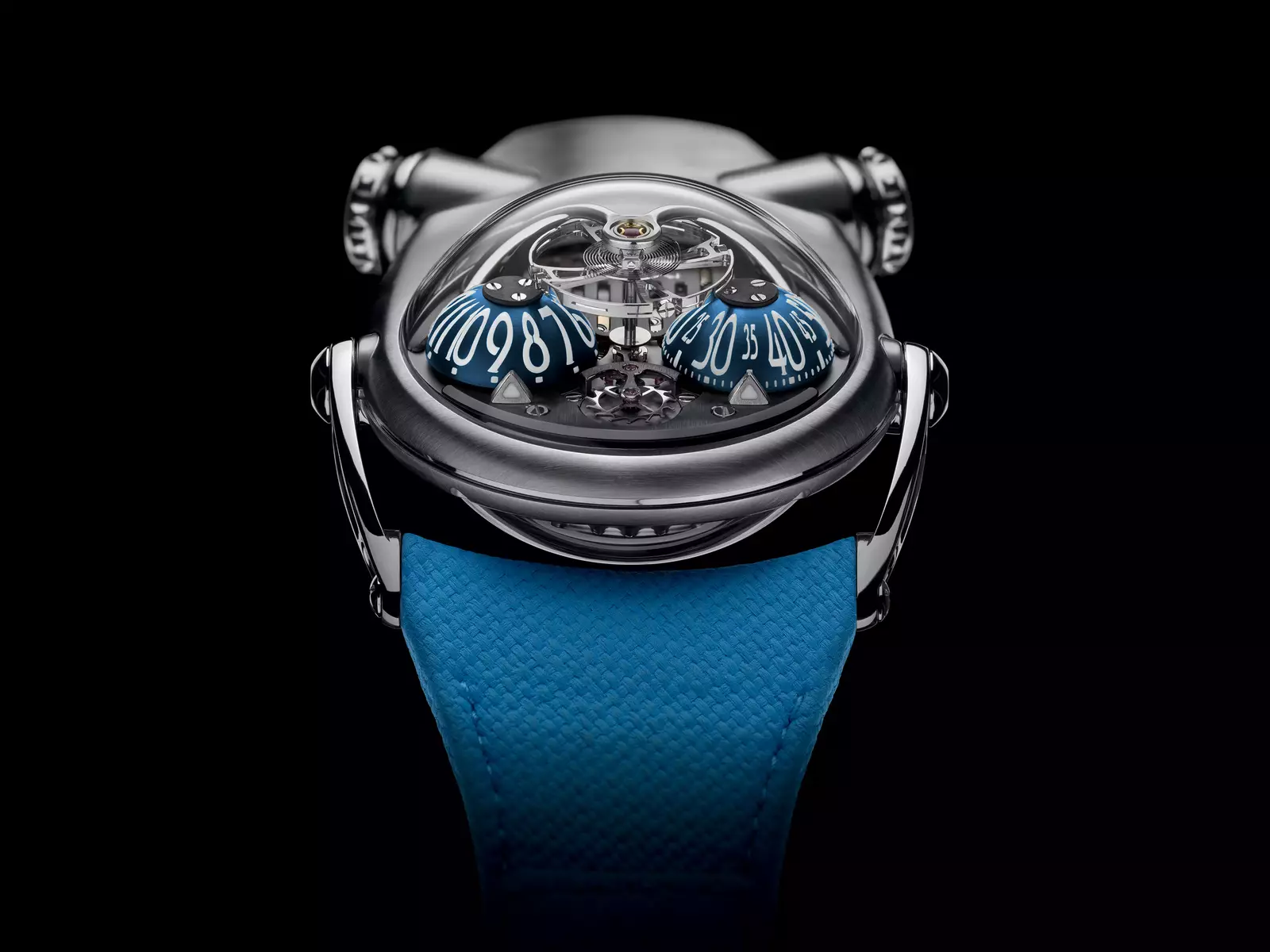
MB&F HM10 King of Time
MB&F (Maximilian Büsser & Friends) is the pioneer of the "machine" genre, treating watches as kinetic sculpture. The HM10 King of Time features a unique, asymmetrical case and a floating movement that defies traditional watchmaking norms. Its bold, abstract design has cemented its status as a collector's item, with values holding steady or appreciating in the pre-owned market.
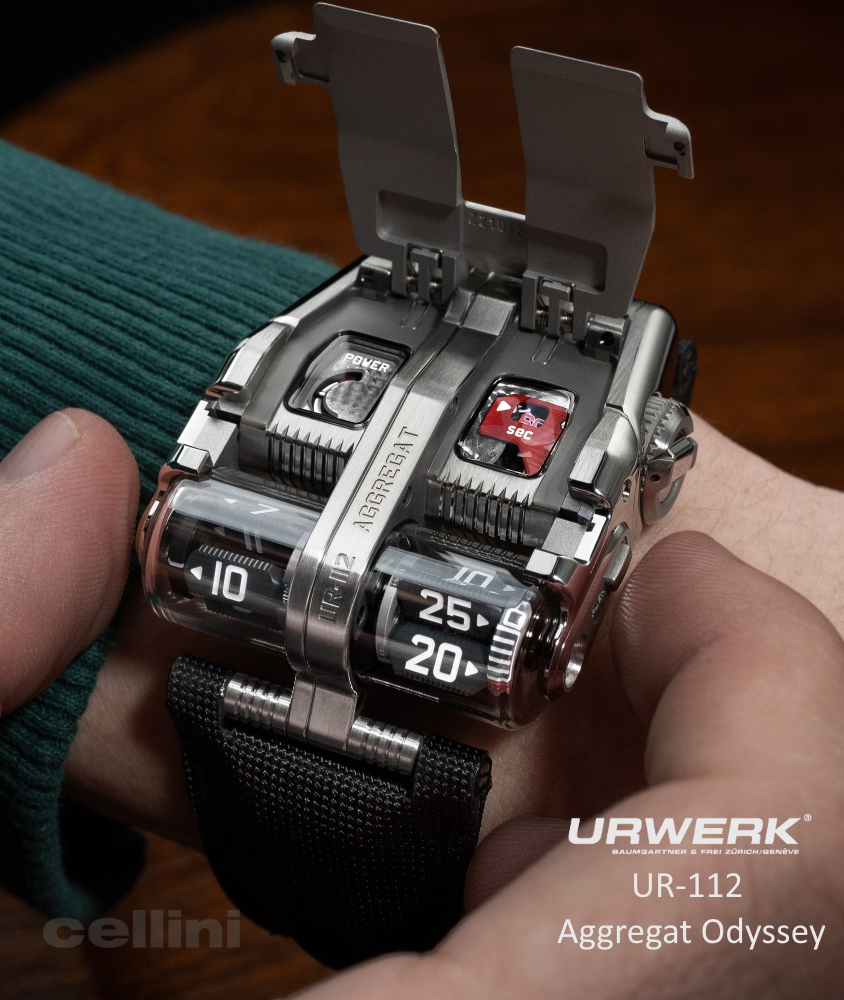
Urwerk UR-112
Urwerk combines aerospace engineering with brutalist design, creating watches that look like they belong in a sci-fi film. The UR-112 model is particularly sought after for its independent movement and distinctive satellite time display. Its rarity and cult following ensure that it remains a top-tier investment piece, often selling above retail on the secondary market.
De Bethune DB28
De Bethune is known for its innovative materials, such as titanium and ceramic, and its signature moon-phase complication. The DB28 collection features a curved, ergonomic case that stands out against the standard round profiles of most luxury watches. Its technical prowess and artistic flair make it a favorite among serious collectors looking for unique investment assets.
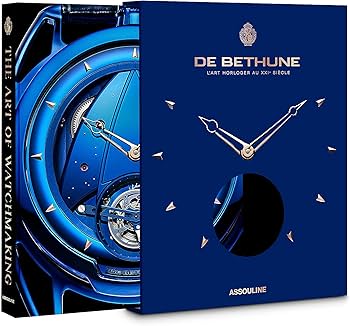
As an Amazon Associate, we may earn from qualifying purchases.
Price fluctuations in the independent watch market can be volatile. Monitor live pricing trends to identify entry points. The following widget provides real-time data for a comparable luxury watch asset to help gauge market sentiment.
Comparing independent brands against traditional luxury
The watch market has split into two distinct camps: the established luxury giants and the rising independent brands. Understanding where your capital sits depends on whether you prioritize brand recognition or artistic scarcity.
Traditional luxury brands like Rolex and Patek Philippe dominate the secondary market. Their value is anchored in decades of marketing, global liquidity, and a predictable resale floor. While they offer safety, their entry price is high, and their design language is often conservative. They are the blue-chip stocks of horology—steady, recognized, and widely traded.
Independent brands operate differently. They trade on scarcity, hand-finished artistry, and limited production runs. Because there are fewer buyers in this niche, liquidity is lower. However, the potential for appreciation is higher if the brand gains critical acclaim. Think of them as venture capital in a wristwatch format: higher risk, but potentially higher reward for those who spot the next big name early.
The table below breaks down the key differences to help you decide which strategy fits your portfolio.
| Feature | Independent Brands | Traditional Luxury |
|---|---|---|
| Primary Value Driver | Scarcity & Artistry | Brand Recognition & Heritage |
| Entry Price | Lower to Mid-range | High to Ultra-high |
| Liquidity | Low (Niche Buyers) | High (Global Market) |
| Resale Stability | Volatile | Stable |
| Design Uniqueness | High | Moderate |
Key risks in the abstract watch market
Investing in independent watch brands carries a different risk profile than buying established luxury houses. While Rolex and Patek Philippe benefit from massive secondary market liquidity, independent brands often trade in a much thinner pool. This illiquidity means you may hold an asset for years before finding a buyer willing to pay your asking price. Unlike blue-chip stocks or major luxury brands, there is no guaranteed exit strategy for niche pieces.
Service costs present another hidden expense. Independent brands rarely have the global service infrastructure of giants like Rolex. When a movement requires attention, you often rely on a single watchmaker or the brand’s own small team. This can lead to long wait times and high labor costs, which eat into potential returns. A $500 service bill is manageable on a daily wearer, but it significantly impacts the net profit on an investment piece.
Market volatility also affects independent brands differently. While major luxury brands have shown resilience, independent pieces can swing wildly based on collector sentiment or the founder’s public profile. The "investment watch" era for mass-market luxury is cooling, but niche independents remain highly speculative. Always treat these purchases as high-risk assets, not guaranteed appreciations.
How to buy independent watches safely in 2026
Entering the market for independent watch investment requires a different playbook than buying established luxury giants. While brands like Patek Philippe or Audemars Piguet offer a degree of liquidity through global auction houses, independent brands rely on a tighter, more specialized network. Buying safely means prioritizing provenance over price, as the secondary market for these pieces is less transparent and more volatile.
Authentication is your first line of defense. For independent brands, there is no universal registry. You must rely on direct communication with the manufacturer or authorized dealers. Always request the original box, papers, and service history. If a seller cannot provide a clear chain of custody, walk away. The risk of counterfeit or altered pieces is significantly higher in the independent sector, where production numbers are low and tracking is manual.
Timing your entry can protect your capital. Watch values often fluctuate with broader economic sentiment and brand-specific news cycles. Avoid buying immediately after a major auction hype cycle; instead, look for periods of market correction or when a specific independent brand is under-followed. Patience allows you to acquire pieces at fair value before the next wave of interest drives prices up.
Finally, consider the long-term hold. Independent watches are not quick flips. They require a multi-year horizon to appreciate meaningfully. Build relationships with trusted brokers who specialize in independent brands. These experts can alert you to upcoming releases or secondary market opportunities before they hit mainstream platforms, giving you a critical edge in sourcing rare pieces safely.
No comments yet. Be the first to share your thoughts!