

In the high-stakes world of blockchain development, launching a custom app-chain often feels like wrestling with a hydra: fix one infrastructure headache, and two more sprout up. Enter Rollup-As-A-Service (RaaS), powered by abstract rollup technology. This game-changer lets developers deploy tailored blockchains without drowning in node management, sequencer setup, or settlement layer configs. At abstractwatch. com, our RaaS platform strips away those barriers, handing you scalable app-chains that settle on Ethereum or beyond, all while you zero in on your dApp's killer features.
Abstract rollups abstract away the gritty details of L2 architecture. Instead of coding every proving mechanism or data availability layer from scratch, you configure high-level parameters. Think of it as Lego blocks for blockchains: stack optimistic or ZK rollups, tweak gas limits, and launch. This abstraction slashes deployment time from months to days, a boon for startups racing against VC-funded rivals.
Decoding Abstract Rollup Technology for App-Chain Deployment
At its core, abstract rollup technology generalizes rollup stacks into modular templates. Providers like those highlighted in recent guides from Conduit and Alchemy offer pre-built stacks from Optimism's OP Stack, Arbitrum Orbit, zkSync's ZK Stack, and Polygon CDK. Zeeve's infrastructure, for instance, handles the multichain thesis by bundling rollups with app-chain sovereignty. You pick your flavor - optimistic for low costs, ZK for ironclad proofs - and RaaS orchestrates the rest: fault proofs, forced transactions, even cross-chain bridges.
Why does this matter? Traditional L1 launches demand armies of DevOps engineers. RaaS flips the script. Gelato's 1-click deploy or Caldera's streamlined dashboard exemplify this: enter a name, select chain ID, and boom - your custom rollup launch is live. No more wrestling with Geth nodes or RPC endpoints. Our platform at abstractwatch. com takes it further with abstractchain rollups, where you customize governance on-chain without forking repos.
Key RaaS Benefits for App-Chains
- Reduced Costs: RaaS platforms like Caldera and Zeeve handle infrastructure, slashing deployment and transaction expenses versus self-hosting.
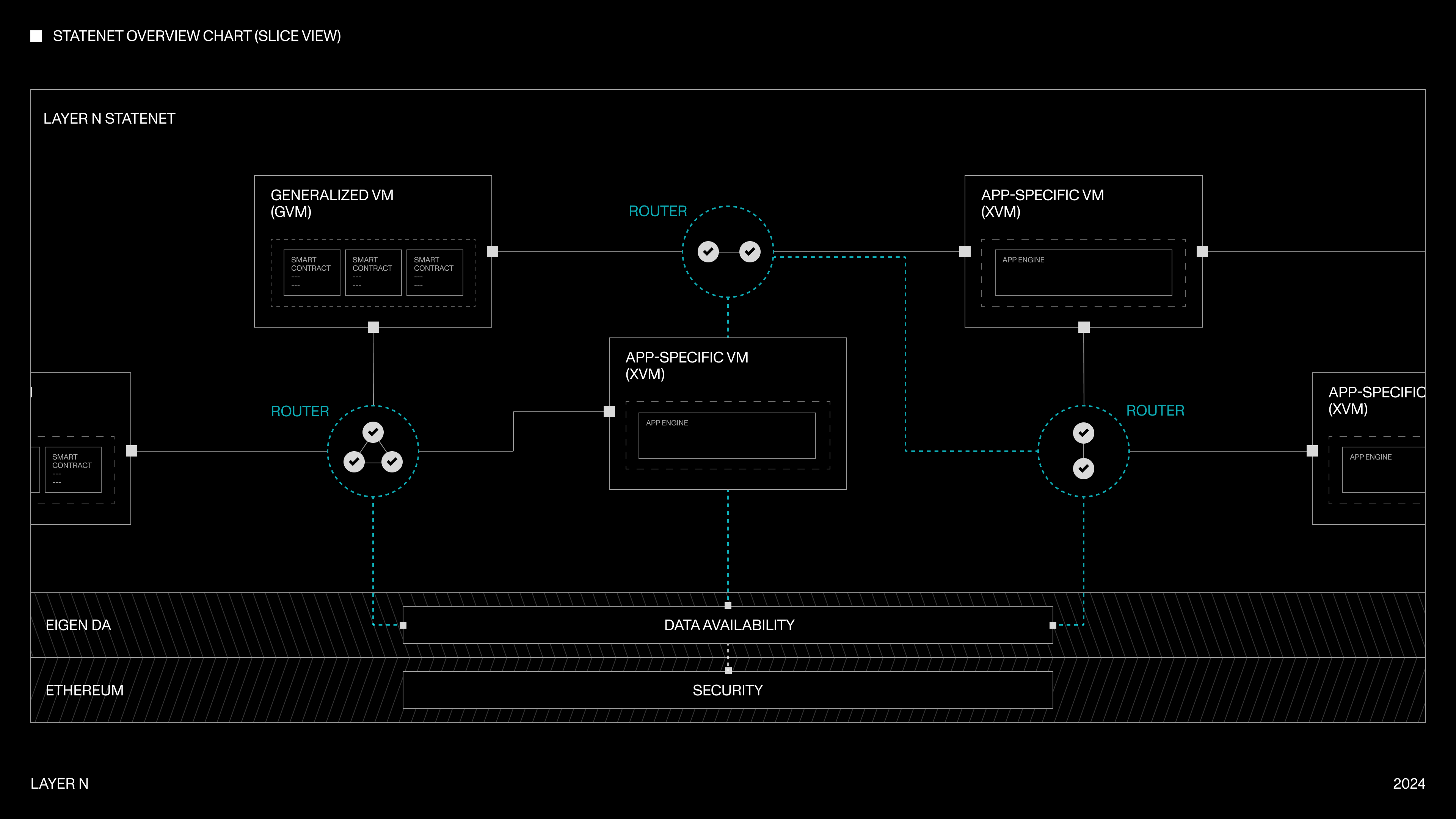
- Faster Time-to-Market: Deploy custom rollups in minutes via 1-click tools from Gelato and Alchemy, bypassing complex setups.
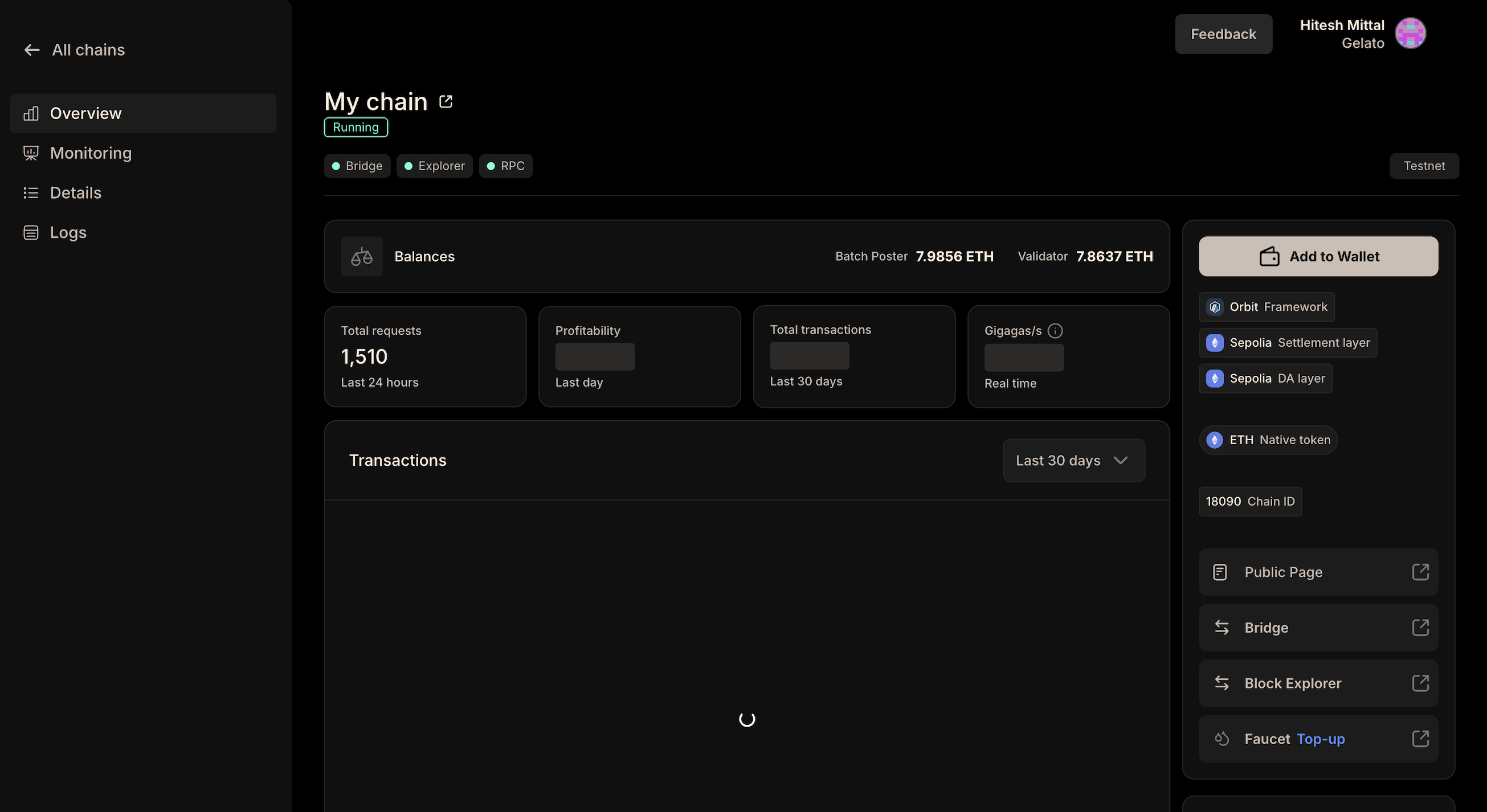
- Built-in Scalability: Leverage L2/L3 scaling with optimistic and ZK rollups, as powered by Conduit and Polygon CDK.
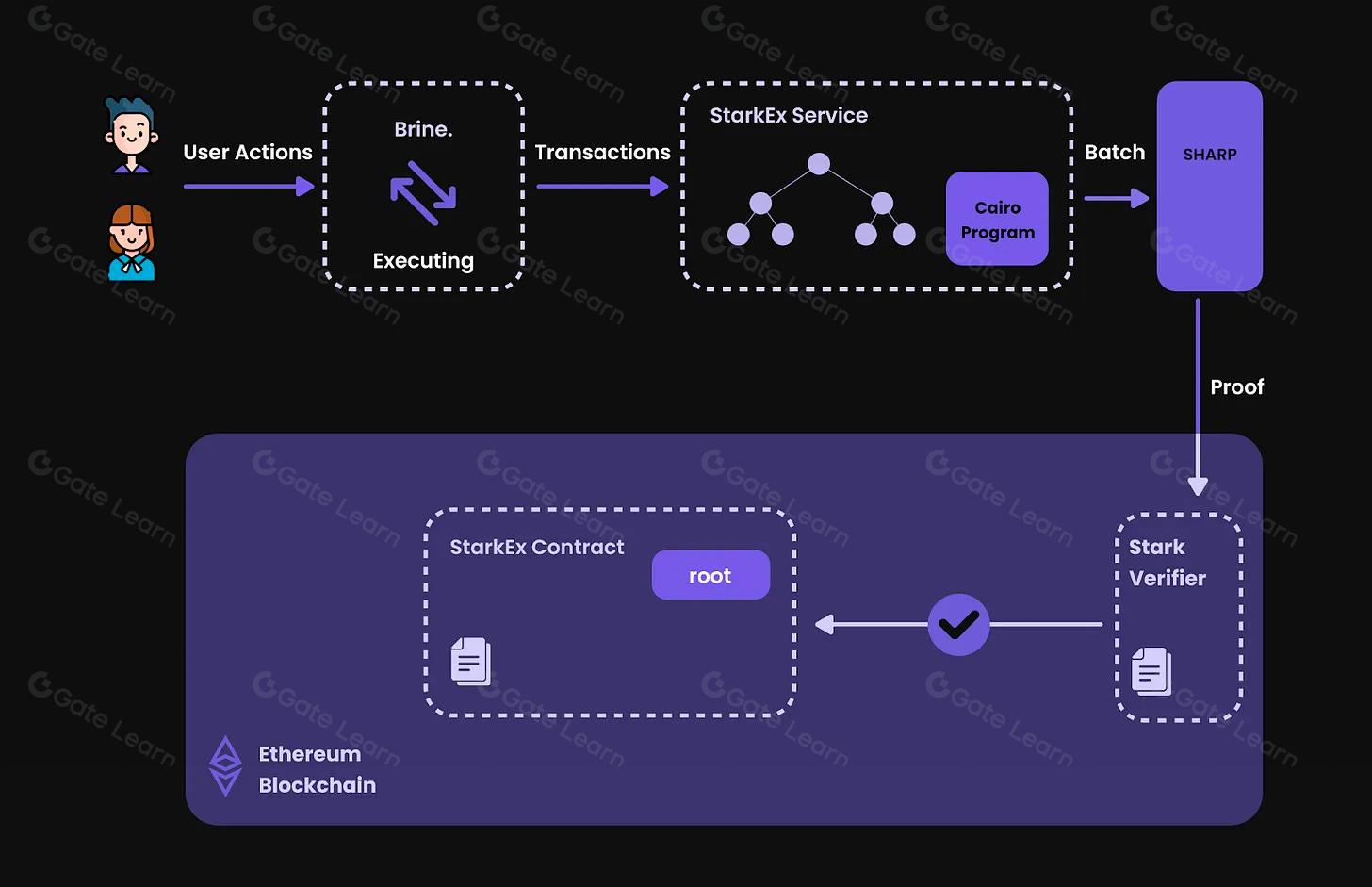
- Framework Flexibility: Select from OP Stack, Arbitrum Orbit, ZK Stack, or Polygon CDK via providers like Ankr.
- Expert Monitoring: Get real-time analytics and oversight from platforms like QuickNode and Zeeve for seamless operations.
Streamlining Custom Rollup Launch with RaaS Blockchain Tools
Dive into the mechanics, and you'll see why RaaS dominates app-chain deployment. Platforms process transactions off-main-chain, batch them, and post proofs or data to L1. Abstract layers mean you define economics - tokenomics, fee structures - via dashboards, not Solidity rewrites. Ankr and QuickNode add monitoring: real-time analytics track sequencer uptime, which hits 99.99% on top tiers.
Consider BNB Chain's opBNB: it proves RaaS scales beyond Ethereum. Developers deploy rollups with native EVM compatibility, inheriting security while optimizing for their app's load. Dysnix notes throughput jumps 10x-100x; that's real numbers for gaming dApps crushing 100k TPS. For web3 startups, this means simplified app-chain deployment without the $1M infra bill.
Customization shines here. Want a rollup with custom preconfirms? Orbit lets you. Need ZK for privacy? ZK Stack delivers. RaaS providers integrate these seamlessly, often with CLI tools for CI/CD pipelines. Tatum. io's comparison underscores: pick optimistic for speed-to-launch, ZK for trust-minimized finality. Eco. com spotlights Caldera as leader, but abstractwatch. com edges ahead with uptime guarantees and white-glove support for enterprises.
Overcoming Traditional Barriers in RaaS Blockchain Ecosystems
Legacy chains force compromises: Ethereum's congestion, Solana's outages. App-chains via RaaS sidestep this. You own your sequencer, control upgrades, and interoperate via shared bridges. Zeeve's pain-free L2/L3 launches align with the multichain future - no more siloed liquidity.
Tradeoffs? Minimal. Alchemy's guide weighs app-chains vs rollups: sovereignty wins for high-value apps like DeFi hubs. Costs plummet 90% versus self-hosted; scaling auto-adjusts via elastic node pools. Developers report 5x faster iterations, per forum chatter. This isn't hype - it's the new standard for raas blockchain innovation.
Security remains paramount, and RaaS delivers without shortcuts. Abstract rollup technology enforces L1 settlement for data availability, while optional validity proofs lock in trustlessness. Providers audit sequencers rigorously; downtime? Near zero, thanks to multi-region deployments and auto-failover. This reliability lets high-stakes DeFi or NFT platforms thrive, unburdened by Ethereum's gas wars.
Picking the Right RaaS for Your Custom Rollup Launch
Not all RaaS platforms equal out. Gelato shines for 1-click Ethereum rollups, ideal for solo devs. Caldera leads in gaming with metal-backed nodes for ultra-low latency. But for true abstractchain rollups, abstractwatch. com stands apart: our stack supports hybrid optimistic-ZK modes, custom VMs, and seamless Cosmos-EVM bridges. Dive into abstract rollup technology configs, and you'll configure yield-bearing sequencers in minutes. Opinion: Skip generic providers; demand abstraction that scales to L3s without refactor hell.
Comparison of Leading RaaS Platforms
| Platform | Supported Stacks (OP/Arbitrum/ZK/Polygon) | Deployment Time | Monitoring Features | Interoperability Tools |
|---|---|---|---|---|
| Caldera | ✅ / ✅ / ✅ / ✅ | <10 minutes | Real-time dashboard, analytics, custom alerts | Built-in bridges, Hyperlane, LayerZero |
| Zeeve | ✅ / ✅ / ✅ / ✅ | 30 minutes - 1 hour | Advanced monitoring suite, API analytics, uptime tracking | Cross-chain bridges, IBC support, custom interoperability |
| Alchemy | ✅ / ✅ / ❌ / ❌ | Instant (1-click) | Comprehensive analytics, performance metrics, alerts | Standard Ethereum bridges, relayer integrations |
| Ankr | ✅ / ❌ / ✅ / ✅ | 1-2 hours | Uptime monitoring, detailed metrics, API access | Ankr interoperability toolkit, cross-chain messaging |
| Gelato | ✅ / ❌ / ❌ / ❌ | <1 minute (1-click) | Dashboard, basic alerts, status checks | Gelato relayers, OP Stack bridges |
Throughput metrics tell the tale. OP Stack rollups hit 2,000 TPS out the gate; ZK variants push 10,000 and with recursive proofs. RaaS dashboards visualize this live, alerting on bottlenecks before users notice. QuickNode's integrations add RPC scaling, ensuring your app-chain deployment handles Black Friday-level spikes.
Hands-On: Deploying with Rollup-As-A-Service
Enough theory - let's get actionable. Launching via RaaS boils down to dashboard clicks, not code marathons. Start with framework selection: optimistic for cheap experimentation, ZK for production-grade finality. Tweak params like block time or validator sets, then deploy. abstractwatch. com's portal auto-generates genesis files and node configs, bridging to your GitHub for instant upgrades.
Launch Custom App-Chain Rollup: 5-Step RaaS Guide
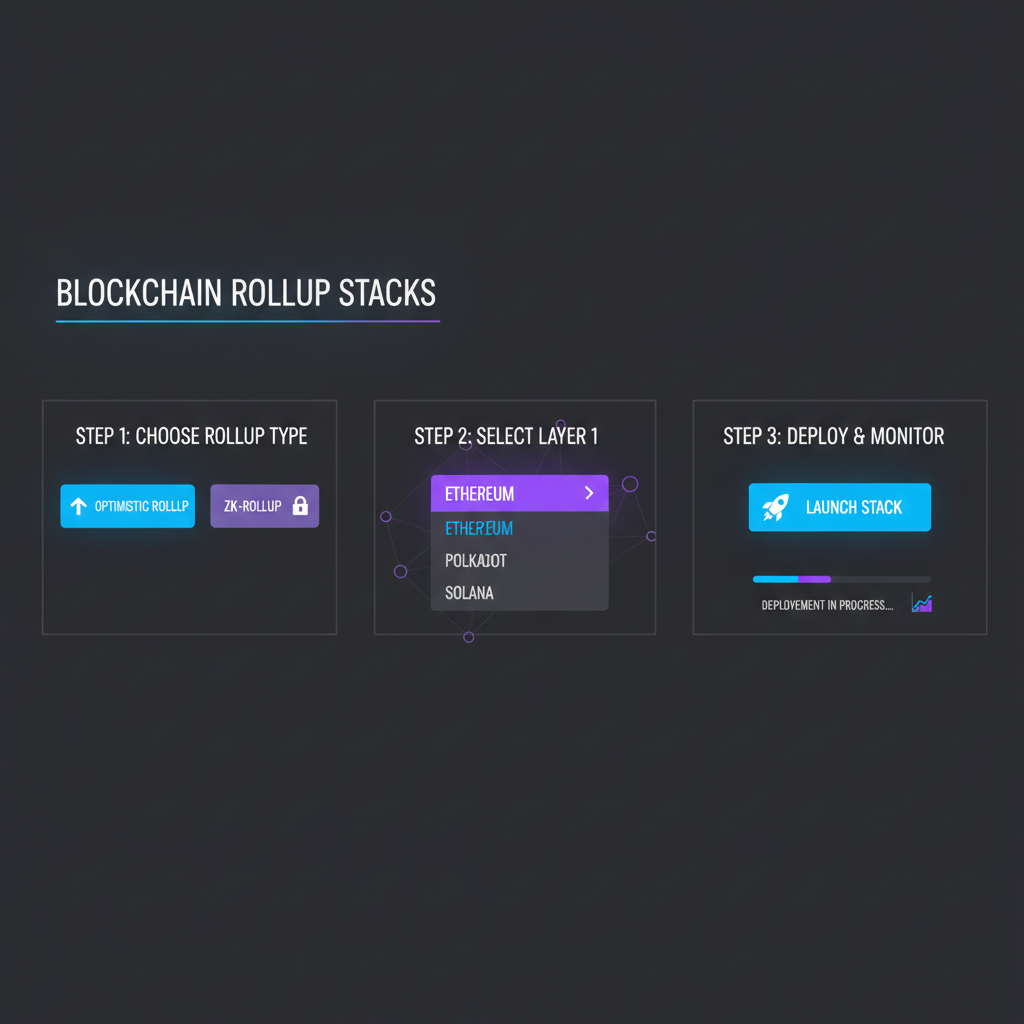
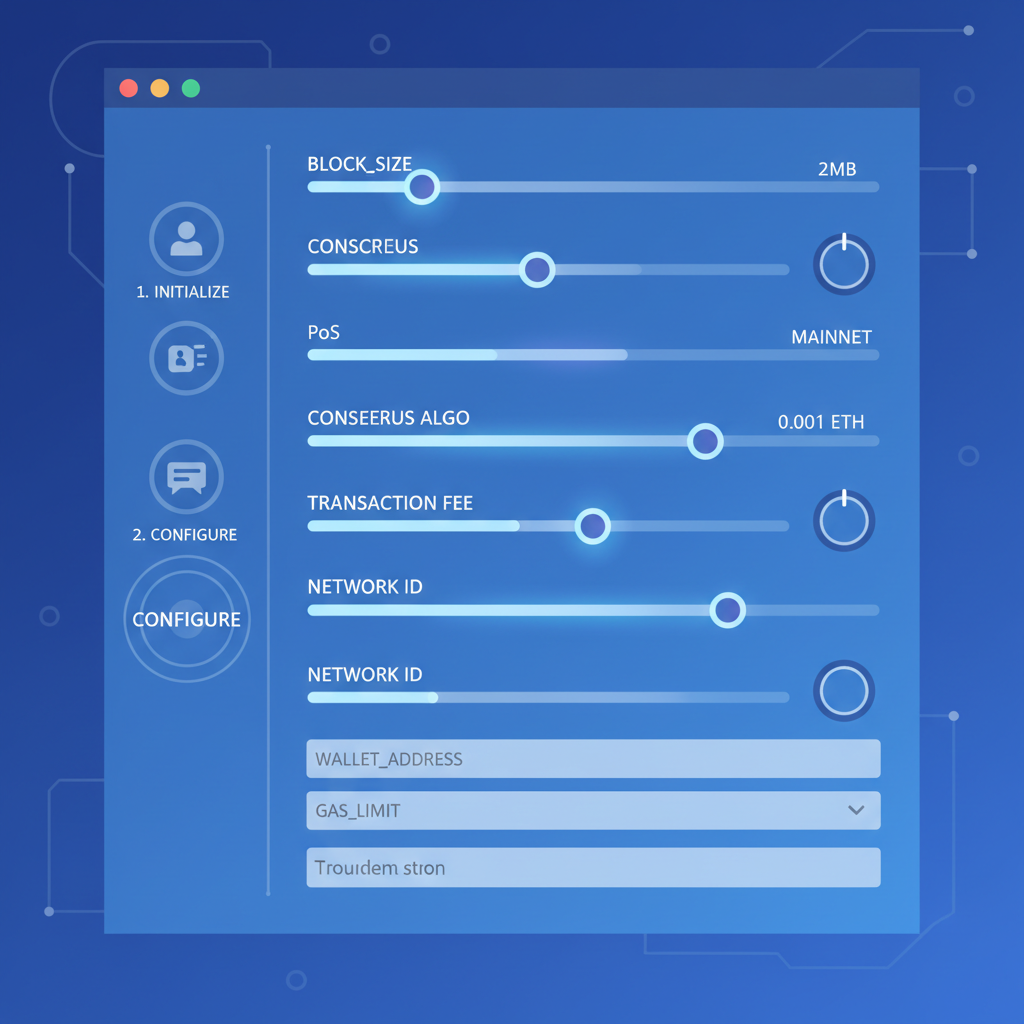
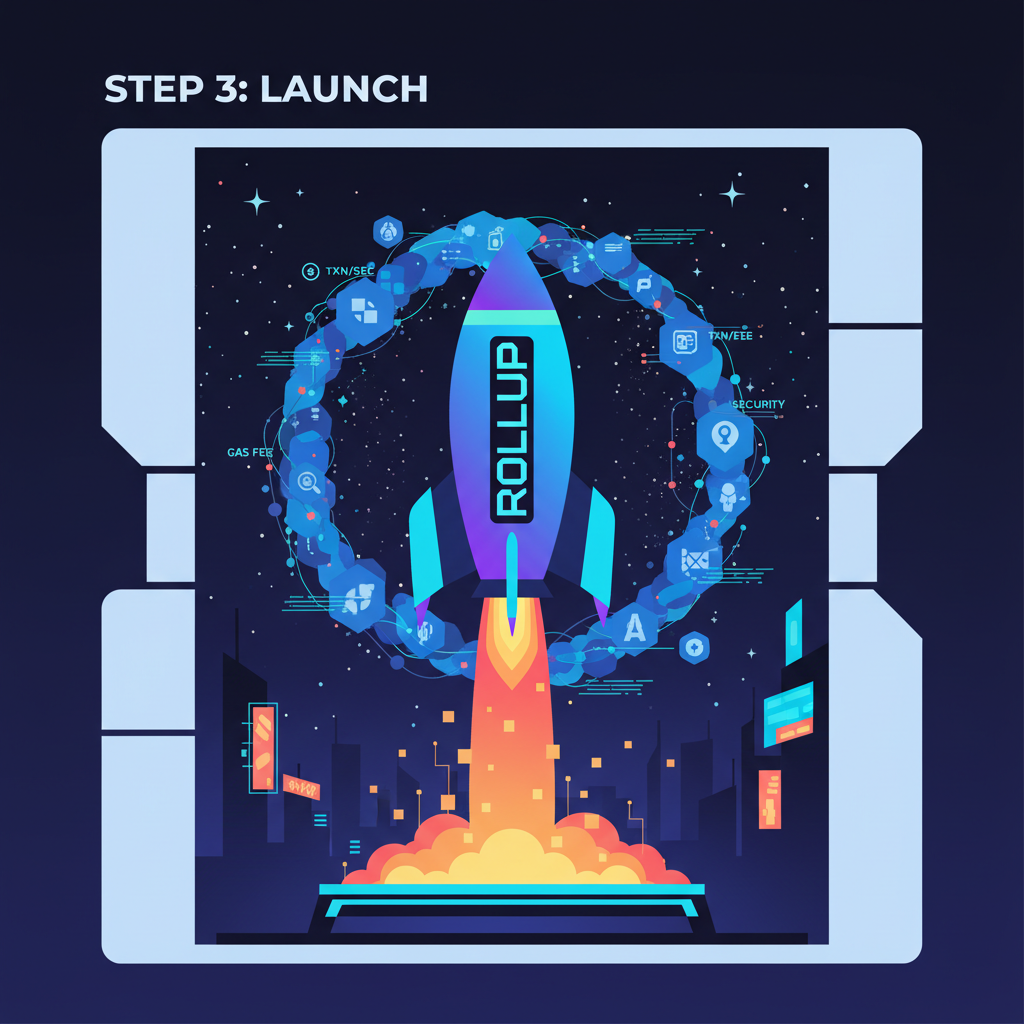
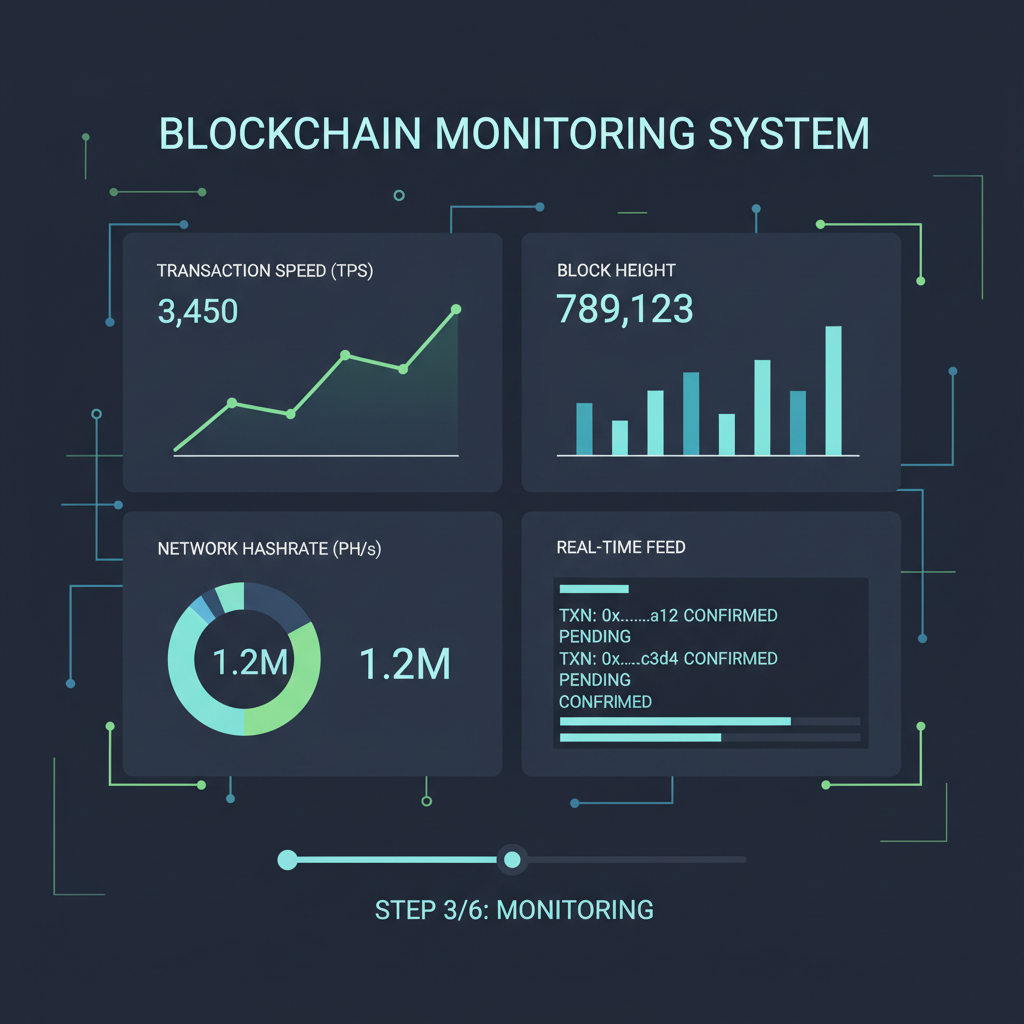

Post-launch, tools kick in. Real-time dashboards track TVL, user growth, even MEV extraction. Interoperability? Built-in: Axelar or LayerZero for cross-chain messaging. This workflow crushes self-hosted setups, where one misconfig dooms your chain.

Pre-Launch Checklist for RaaS Success
Before hitting deploy, audit your setup. Sovereignty demands forethought: define governance early, stress-test bridges, and plan token economics. abstractwatch. com bundles these with on-chain voting modules, sidestepping DAO pitfalls. Multichain liquidity? Route via shared sequencers. My take: Chains that ignore this fizzle; winners compound value across ecosystems.
Future-proofing seals the deal. RaaS evolves with Ethereum's Danksharding or modular DA layers, keeping your rollup ahead. Enterprises eye this for private chains; startups for viral dApps. Zeeve and Alchemy pave the way, but abstractwatch. com's rollup as a service abstraction layers unlock bespoke economics - think dynamic fees tied to TVL.
Teams deploying now report 80% infra savings, per Dysnix exec guides. Gaming guilds launch worlds in weeks; DeFi protocols capture niche liquidity. The barrier? Mindset shift: embrace RaaS as your chain OS. Head to abstractwatch. com, spin up a testnet today, and reclaim dev velocity. Your app-chain awaits - deploy it right, scale it forever.




No comments yet. Be the first to share your thoughts!