
Solana’s relentless pursuit of real-time, scalable blockchain experiences has reached a pivotal moment with the emergence of ephemeral rollups. These temporary, high-speed execution environments are rewriting the rules for elastic scalability on Solana, allowing developers to build applications that rival Web2 in speed and responsiveness, without sacrificing security or composability. With SOL currently priced at $201.52, the network’s momentum is palpable as innovative scaling solutions like ephemeral rollups attract both builders and users alike.
What Are Ephemeral Rollups? The Architecture Behind On-Demand Scaling
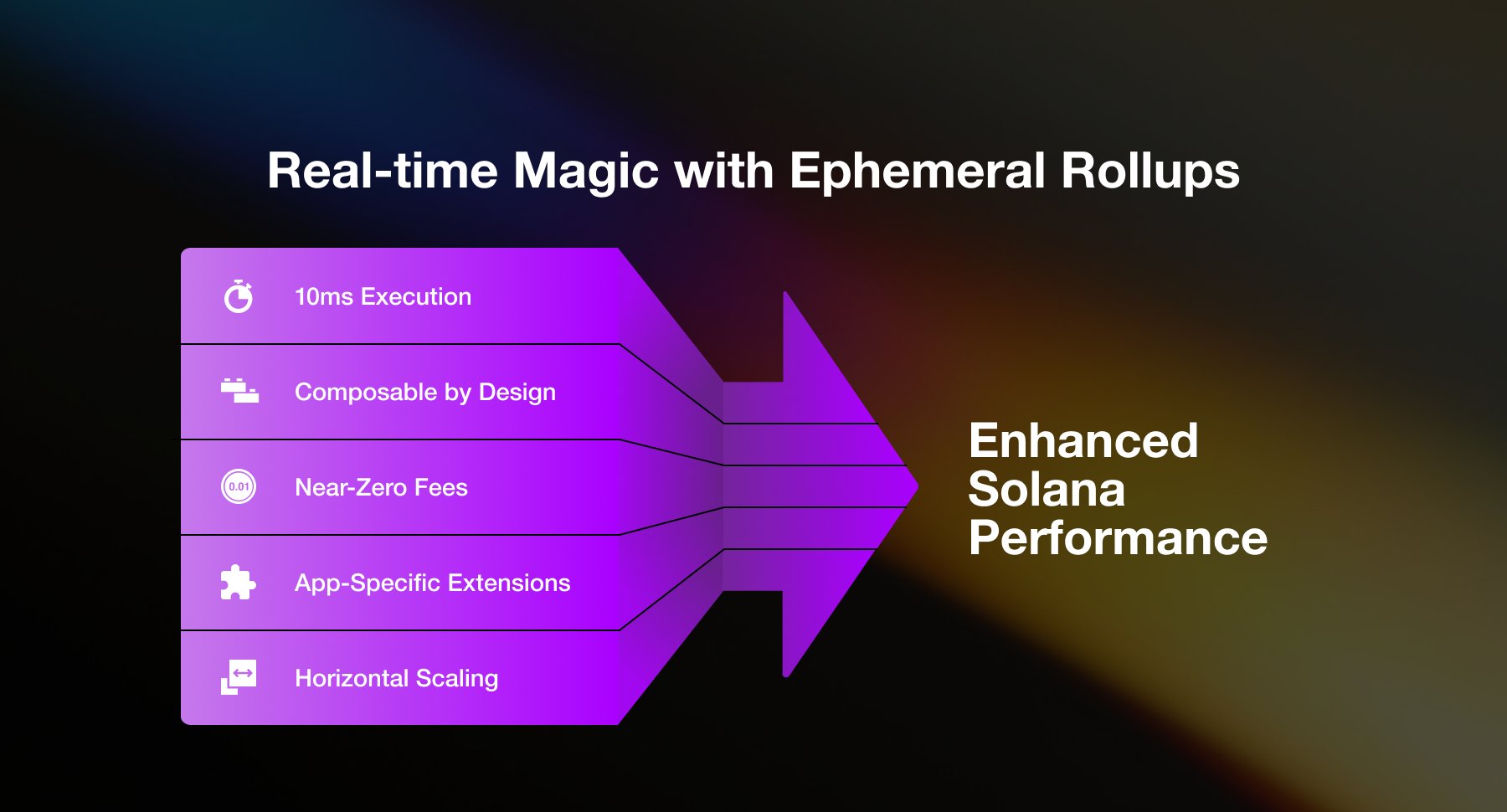
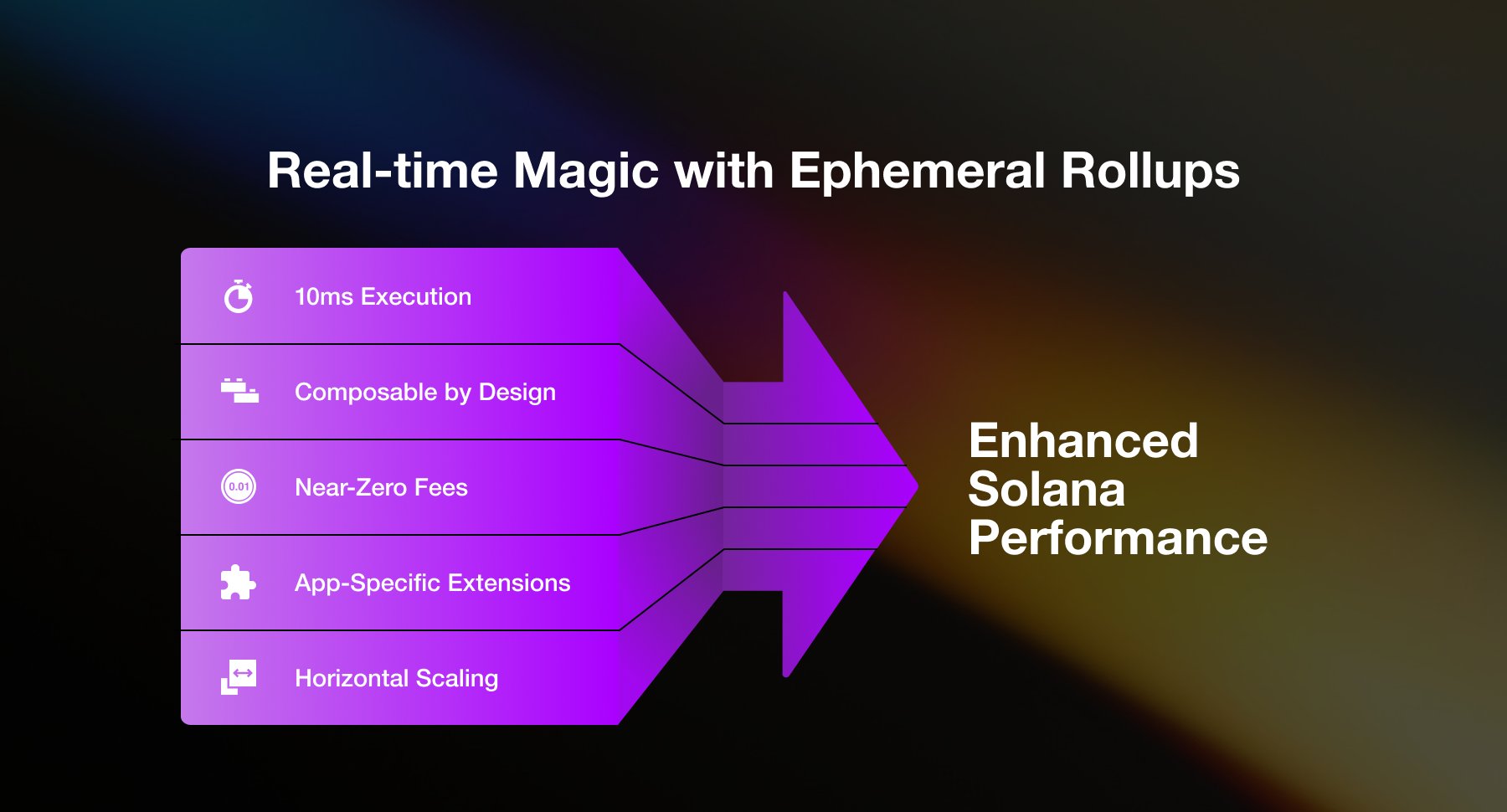
At their core, ephemeral rollups on Solana function as temporary Solana Virtual Machine (SVM) runtimes spun up on demand. Unlike traditional app-chains or sidechains, these rollups don’t fragment liquidity or require separate bridges. Instead, developers can delegate specific accounts, such as game states or DeFi trading pairs, to these transient environments. Transactions are processed at lightning speeds (as low as 10 milliseconds per block), while all assets and core programs remain anchored to Solana’s mainnet.
This architecture means ephemeral rollups inherit Solana’s robust security guarantees. Once a session concludes, state changes are cryptographically verified and committed back to the base layer, ensuring finality and composability. The result: applications can scale horizontally by spinning up multiple rollup instances in parallel, each tailored for different workloads or user groups.
If you want a deeper dive into how this modular approach is redefining blockchain scalability, check out this analysis from Dalayers: How Ephemeral Rollups on Solana Are Redefining Modular Blockchain Scalability.
Elastic Scalability in Action: Key Use Cases Unlocked by Ephemeral Rollups
The most exciting aspect of ephemeral rollups is their versatility across high-performance use cases:
- On-Chain Gaming: Real-time multiplayer games like Supersize leverage ephemeral rollups to achieve sub-50ms latency, enabling smooth gameplay and fair competition directly on-chain. No more waiting for sluggish block confirmations; every move feels instant.
- DeFi at Web2 Speed: Platforms such as Flash Trade utilize ERs to execute high-frequency trades with near-zero gas fees, making decentralized exchanges competitive with centralized ones when it comes to speed and cost.
- Ultra-Fast Data Feeds: Oracle networks like Pyth Lazer use ERs to deliver price updates at millisecond intervals, empowering dApps with real-time market data for advanced trading strategies.
- Decentralized Communications: Projects like dTelecom integrate ERs for sub-50ms messaging and VPN services, proving that even bandwidth-heavy applications can thrive on-chain without lag.
This breadth of use cases demonstrates why so many believe ephemeral rollups are the future of real-time Solana apps and DeFi.
The Developer Advantage: Speed, Flexibility, and Composability Without Compromise
The magic of ephemeral rollups isn’t just about raw throughput, it’s about empowering developers with new creative levers while preserving what makes Solana special. Here are some standout benefits for builders:
- Ultra-Low Latency: Achieve block times down to 10 milliseconds for truly responsive user experiences, critical for gaming and financial trading.
- No Liquidity Fragmentation: All assets stay native to Solana; no need for risky bridges or complex cross-chain logic.
- Dramatically Lower Fees: Minimal or zero-fee transactions within each ER session make high-frequency interactions viable.
- Horizontal Auto-Scaling: Spin up multiple ER instances as needed to process millions of transactions per second during peak demand.
- Bespoke Environments: Customize block time, fee structure, or execution logic per application without impacting ecosystem-wide composability.
This combination of flexibility and security is why more teams are exploring how ephemeral rollup technology can supercharge their next project. For a practical guide on implementation details and developer workflows, see this resource from Custom App Chains: Ephemeral Rollups on Solana: How Temporary App-Chains Enable Elastic Blockchain Scalability.
Solana’s approach to elastic scalability is more than just a technical upgrade, it’s a paradigm shift that enables new business models and user experiences. By anchoring all state changes back to the mainnet, ephemeral rollups ensure that every interaction remains trustless and verifiable, even as throughput soars. This is especially vital for sectors like DeFi and gaming, where composability and asset security are non-negotiable.
Solana dApps Using Ephemeral Rollups for Sub-50ms Latency
- Supersize: A real-time, fully on-chain multiplayer game leveraging MagicBlock's Ephemeral Rollups to achieve ultra-low latency gameplay, with transaction processing as fast as 30ms. Supersize maintains Solana composability while delivering a seamless gaming experience.
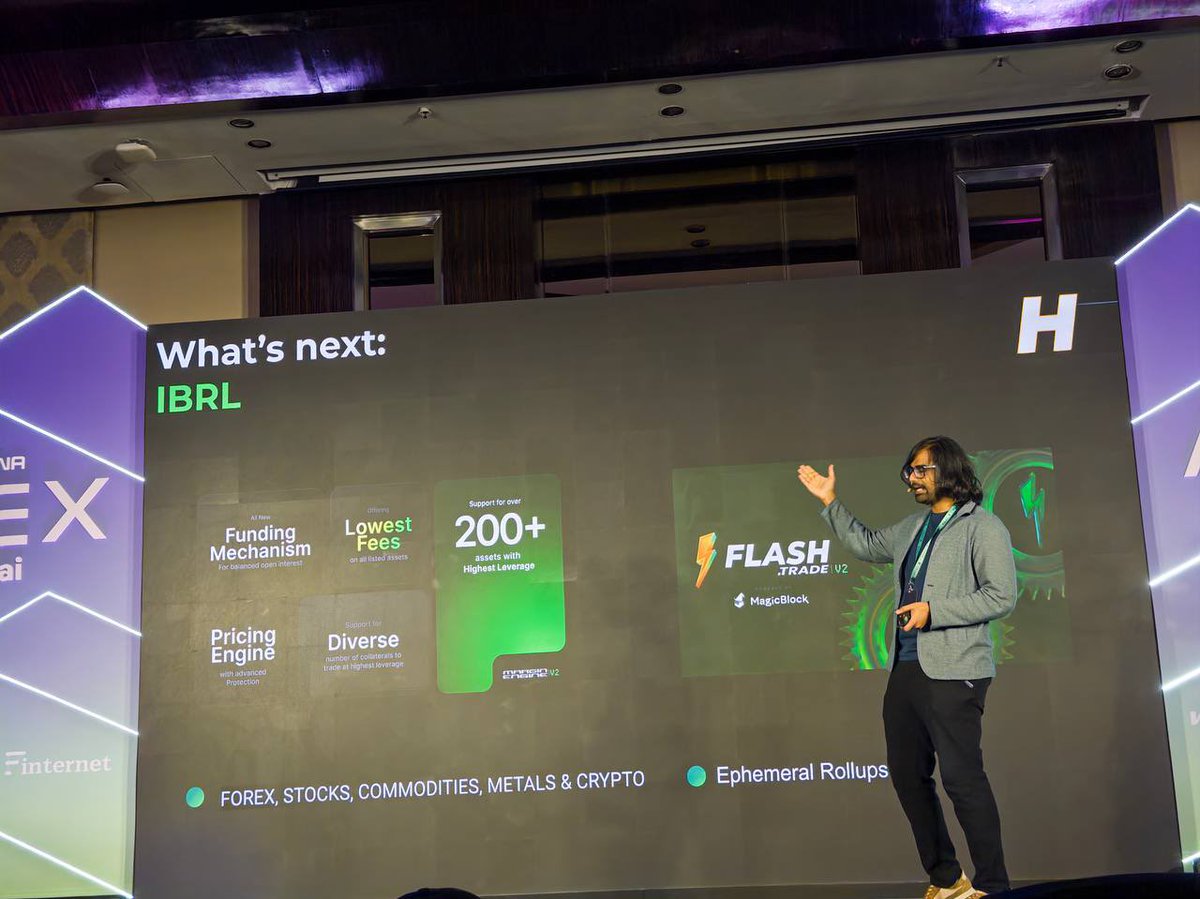
- Flash Trade: A decentralized finance (DeFi) platform utilizing Ephemeral Rollups for high-frequency, low-latency trading. Flash Trade enables users to execute trades with minimal fees and near-instant settlement, rivaling centralized exchanges in speed.
- Pyth Lazer: This oracle solution delivers real-time price feeds to Solana dApps, updating at 1ms intervals thanks to Ephemeral Rollups. Pyth Lazer empowers high-performance DeFi applications with ultra-fast, reliable market data.
- dTelecom: A decentralized communication platform integrating Ephemeral Rollups to provide sub-50ms latency for on-chain messaging and VPN services. dTelecom combines real-time performance with Solana's security and composability.
Let’s zoom in on why this matters. For game studios, ephemeral rollups remove the traditional trade-off between speed and decentralization. Developers can orchestrate massive, real-time tournaments or player-versus-player battles without worrying about network congestion or high fees disrupting the experience. Meanwhile, DeFi protocols can match the execution speeds of centralized exchanges, without ever relinquishing custody or composability.
How Ephemeral Rollups Future-Proof Solana’s Ecosystem
With SOL trading at $201.52, Solana is already a magnet for capital and developer talent. Ephemeral rollups amplify this advantage by future-proofing the network against surging demand. As new use cases emerge, think real-time prediction markets, AI-powered trading bots, or immersive metaverse platforms, developers can confidently scale without hitting bottlenecks.
Another key innovation is modular architecture. Because ephemeral rollups are spun up only when needed and tailored for specific workloads, they avoid the pitfalls of monolithic chains or static sidechains. This dynamic provisioning means resources are always right-sized: you get peak performance during traffic spikes without paying for idle infrastructure.
The result? Solana dApps can deliver smooth onboarding flows, instant in-game actions, and live financial data, all while maintaining full compatibility with other protocols on the network. For an in-depth look at how these benefits translate into real-world scaling power, check out this research from ZK Today: How Ephemeral Rollups Are Transforming Solana’s Scalability Without Compromising Security.
“The ability to process millions of transactions per second without sacrificing composability or liquidity is a game-changer, not just for Solana, but for blockchain as a whole. ”
What’s Next? An Expanding Frontier for Builders
The momentum behind ephemeral rollups on Solana is unmistakable. As more frameworks like MagicBlock mature and documentation improves, expect to see a wave of new projects pushing boundaries in gaming, DeFi, data streaming, and beyond.
If you’re building on Solana today, or considering it, now is the time to explore how these on-demand rollup environments can unlock unprecedented scale and user experience. With tools becoming more accessible and community resources growing daily, there has never been a better moment to experiment with modular scaling solutions that let you focus on what matters most: creating innovative products.
For those eager to dive deeper into implementation patterns or connect with other forward-thinking teams experimenting with ephemeral rollups Solana-wide, I encourage following ongoing discussions and technical breakdowns across forums and developer channels.



No comments yet. Be the first to share your thoughts!