

Launching a custom blockchain app-chain used to be a daunting task, reserved for teams with deep protocol expertise and significant infrastructure budgets. In 2025, Rollup-as-a-Service (RaaS) has flipped the script, empowering builders to deploy scalable, production-grade rollups in minutes, not months. This step-by-step guide breaks down the process using current best practices and real-world options, so you can focus on your app’s edge, not its plumbing.
Why App-Chains and Rollups-as-a-Service Matter Now
App-chains, dedicated blockchains built for specific applications, are dominating the conversation around scalability and user experience. They let projects control gas fees, tailor consensus rules, and optimize for unique use cases. But building an app-chain from scratch is complex. Enter RaaS: providers like Instanodes, QuickNode, Zeeve, and Conduit offer pre-built frameworks (OP Stack, Arbitrum Orbit, zkSync’s ZK Stack) and fully managed infrastructure so you can launch without reinventing the wheel.
Fact: In 2025, more than 60% of new L2 launches use a RaaS provider rather than bespoke infrastructure.
Step 1: Choose Your RaaS Provider
The first decision is selecting a platform that fits your technical needs and risk profile. Here’s what to look for:
Key Features to Compare Among Top RaaS Providers
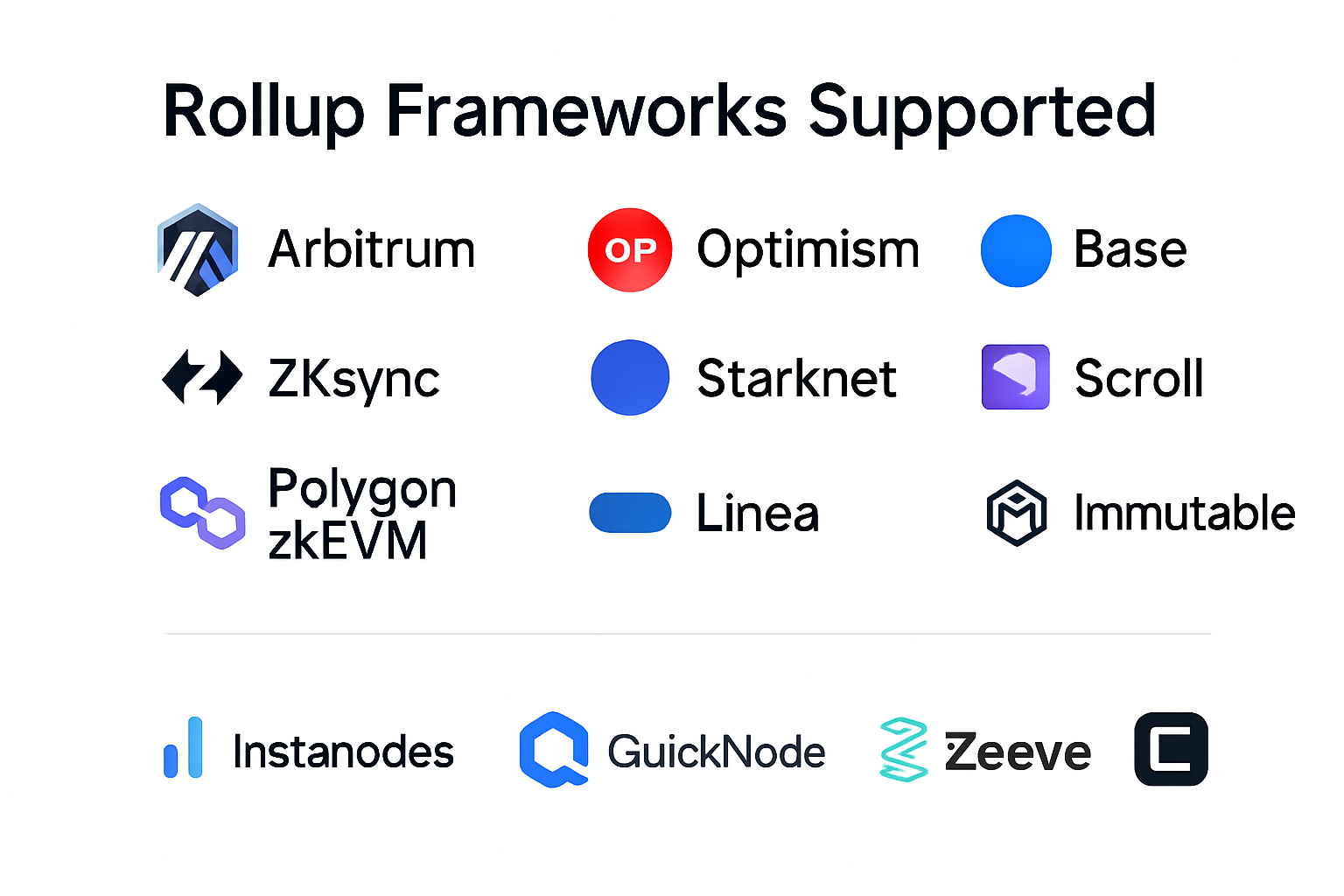
- Supported Rollup Frameworks: Assess whether the provider supports OP Stack, Arbitrum Orbit, Polygon CDK, and zkSync’s ZK Stack for maximum flexibility in deployment.
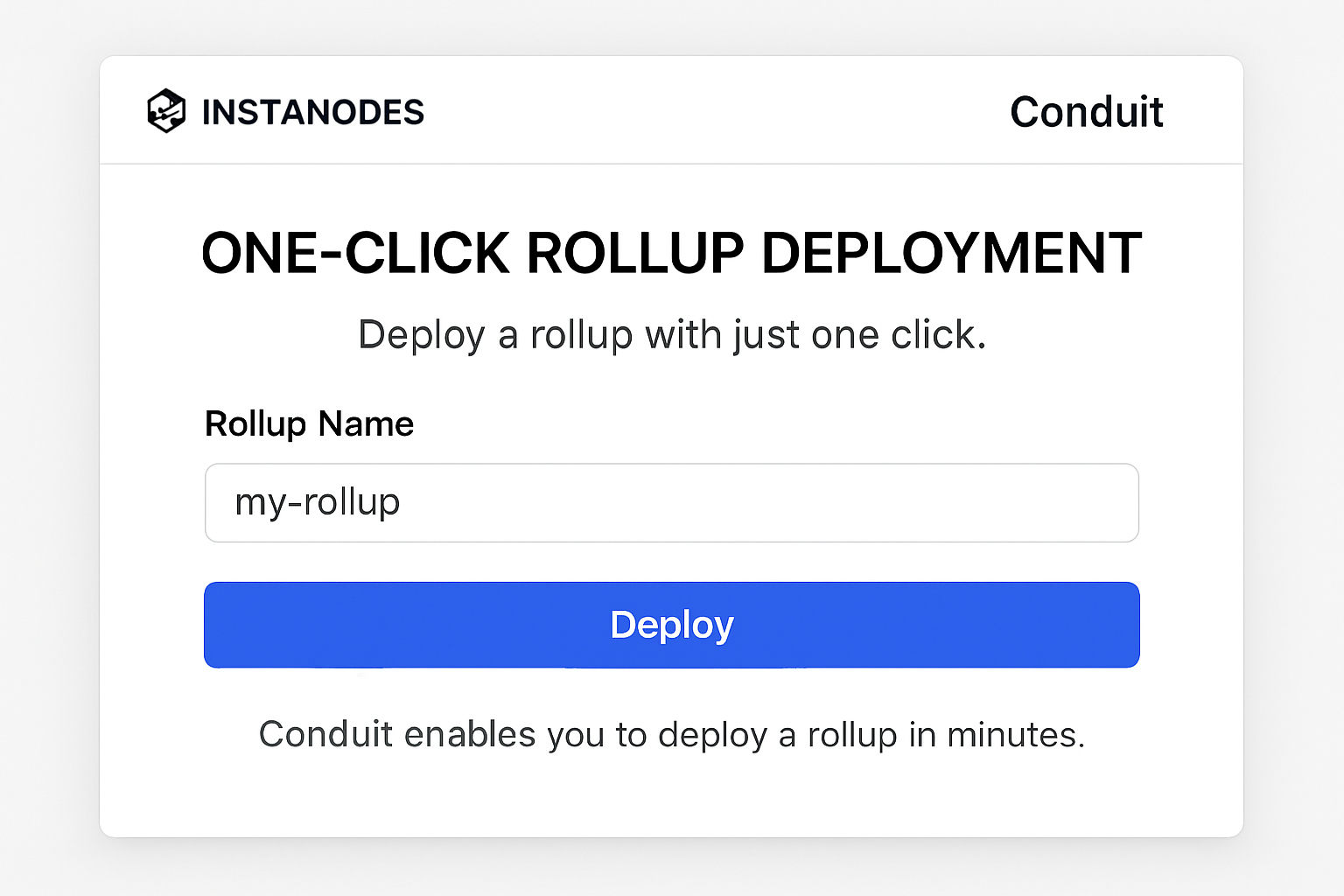
- Deployment Speed & Automation: Look for one-click or no-code deployment with rapid setup (minutes, not hours), as offered by Instanodes and Conduit.
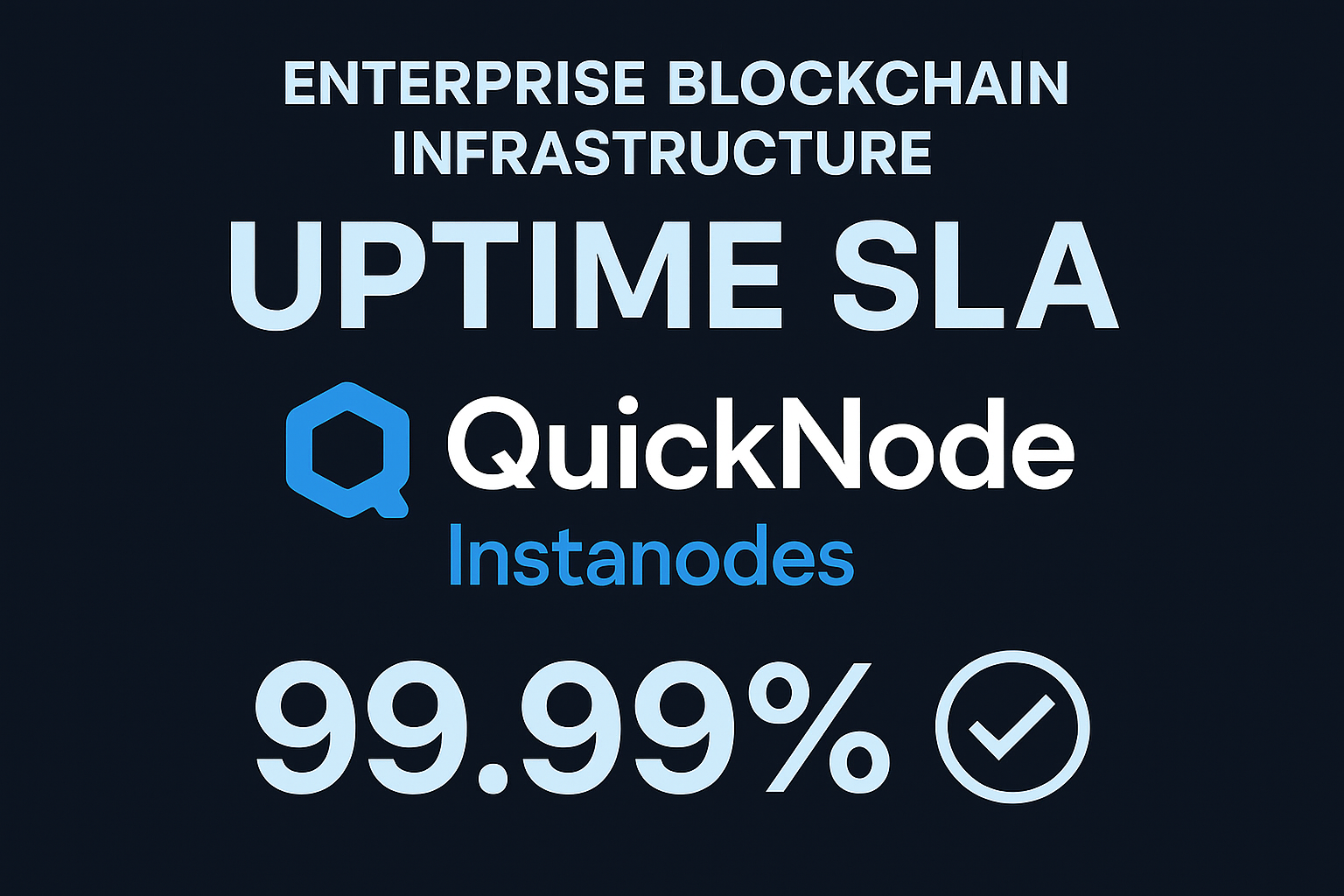
- Enterprise-Grade Reliability & Uptime: Check for 99.99% uptime SLAs and robust infrastructure, a standard with QuickNode and Instanodes.
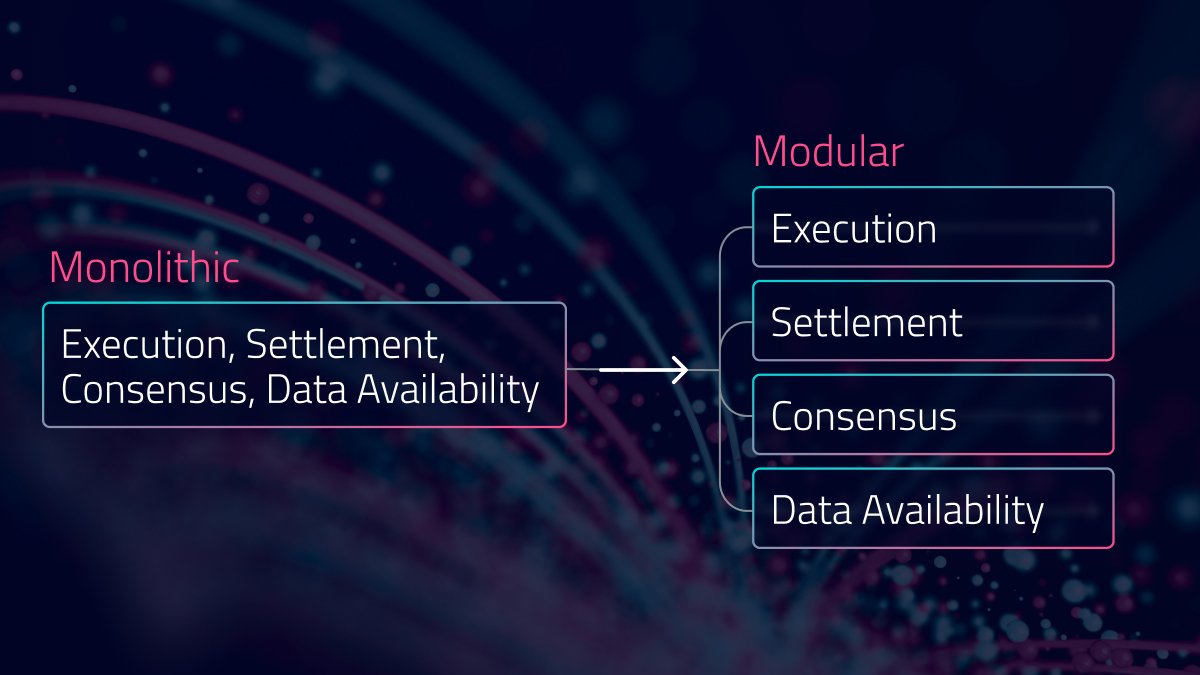
- Data Availability Options: Compare support for Ethereum, Celestia, and alternative DA layers to optimize cost and security.
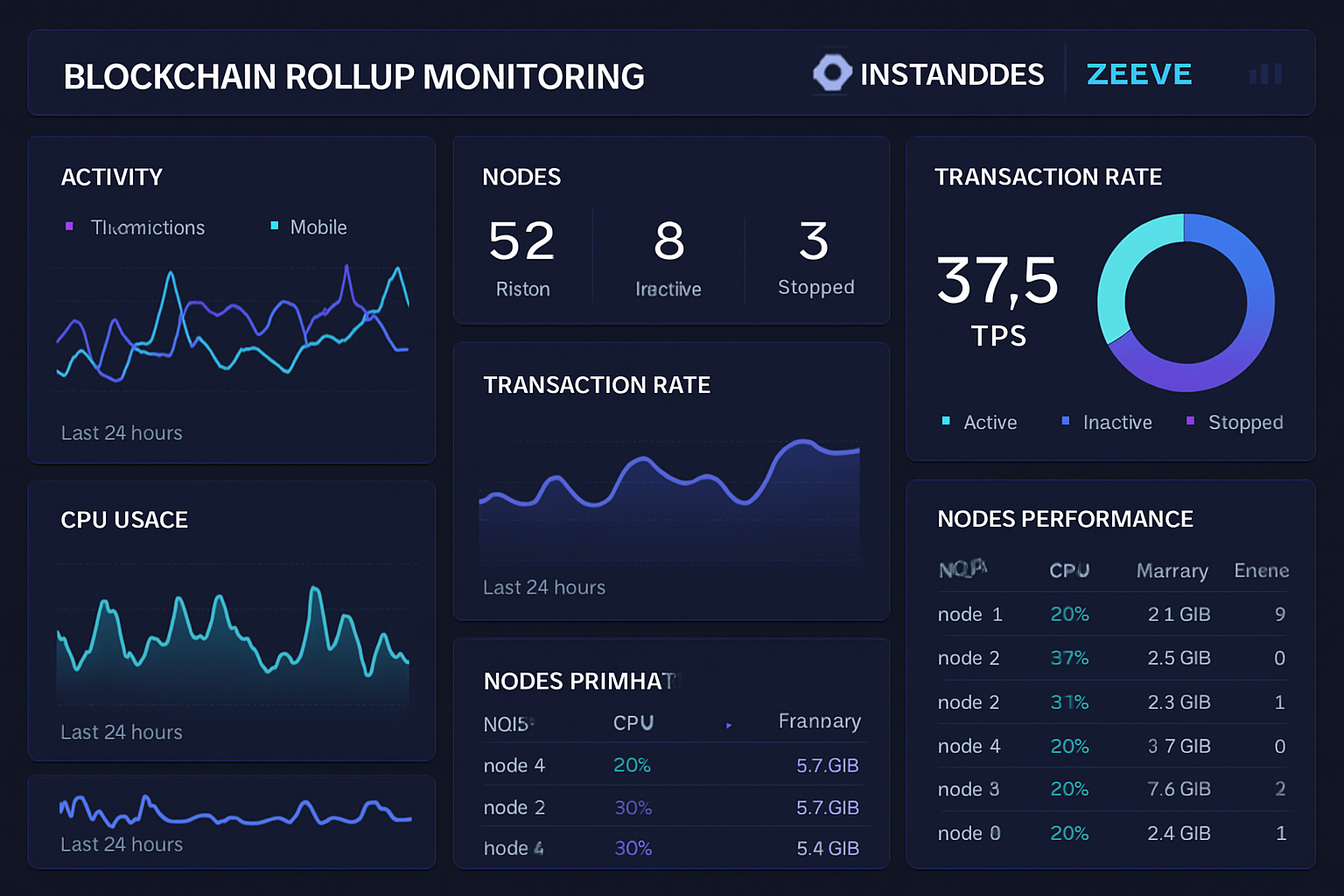
- Integrated Monitoring & Analytics: Ensure real-time monitoring, auto-scaling, and security analytics are available, such as those provided by Instanodes and Zeeve.
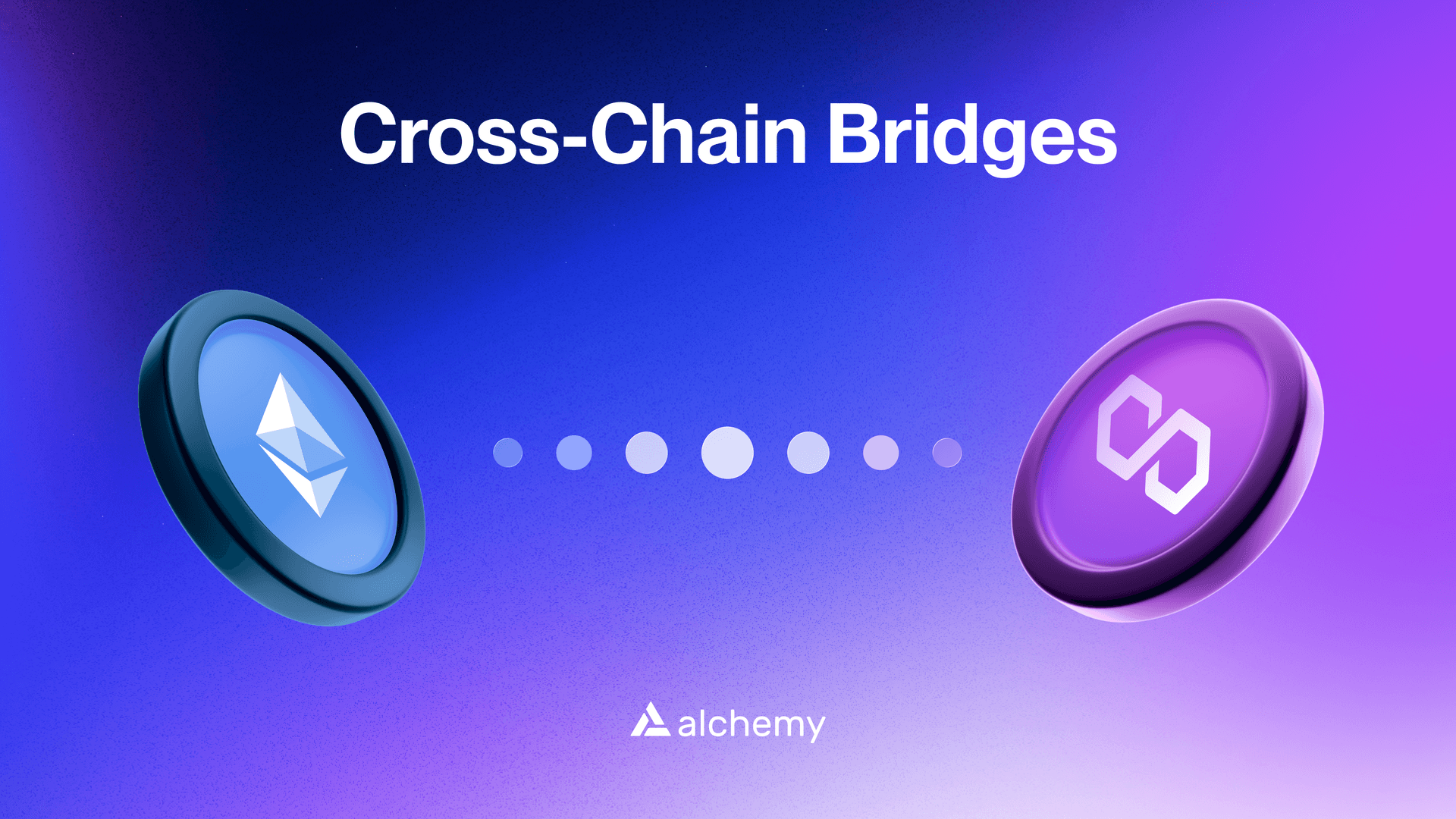
- Cross-Chain Bridges & Interoperability: Evaluate the availability of native bridges for seamless asset transfers, a feature highlighted by Zeeve and QuickNode.
- White-Label Solutions & Customization: Seek white-label block explorers and customizable deployment parameters for branding and flexibility, as seen with Zeeve.
- Security & Compliance: Confirm the presence of enterprise-grade security, multi-signature wallets, and compliance tools to meet organizational requirements.
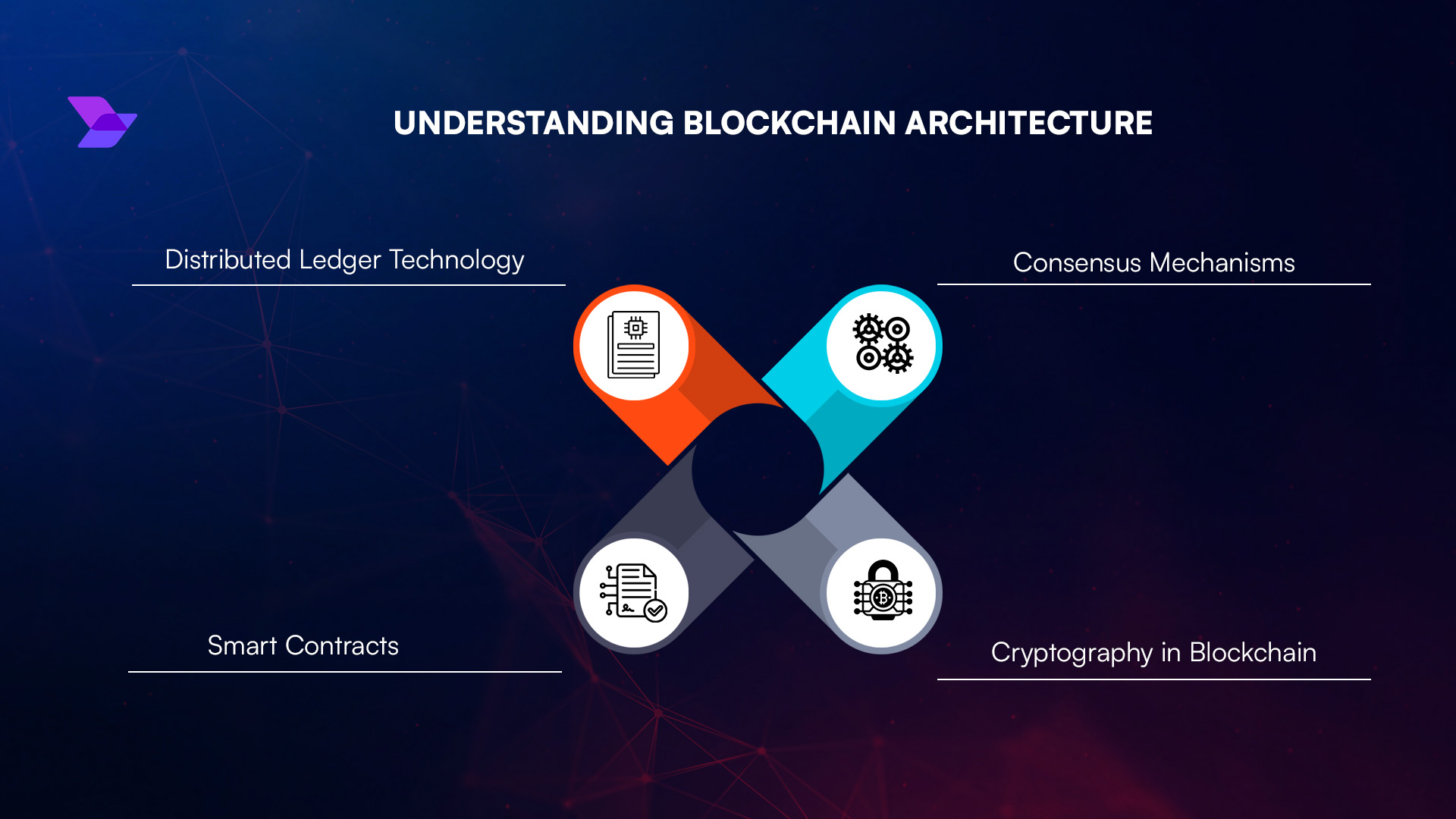
Instanodes excels with multi-stack support (zkSync, Polygon CDK), native RPC integration, and a 99.99% uptime SLA, perfect for mission-critical deployments. Read more about Instanodes’ reliability. QuickNode offers broad framework support plus enterprise-grade security; ideal if you want customization with peace of mind (details here). Zeeve stands out for its white-label explorers and cross-chain bridges, great for projects aiming at interoperability.
Step 2: Select Your Rollup Framework
Your framework choice determines EVM compatibility, security assumptions, and scalability limits:
- OP Stack: Open-source standard maintained by Optimism Collective; robust for EVM-based L2/L3 chains.
- Arbitrum Orbit: Enables highly customizable dedicated chains using Arbitrum tech; supports both Rollup and AnyTrust models.
- ZK Stack (zkSync): Leverages zero-knowledge proofs for enhanced security and throughput, ideal if privacy or massive scale is key.
If you’re unsure which fits your use case best, check out this breakdown from Alchemy (see Alchemy's overview) or dive into the detailed docs here.
Step 3: Configure Your Custom Rollup Parameters
This is where abstract rollup technology shines, flexibility without complexity. On platforms like QuickNode or Zeeve:
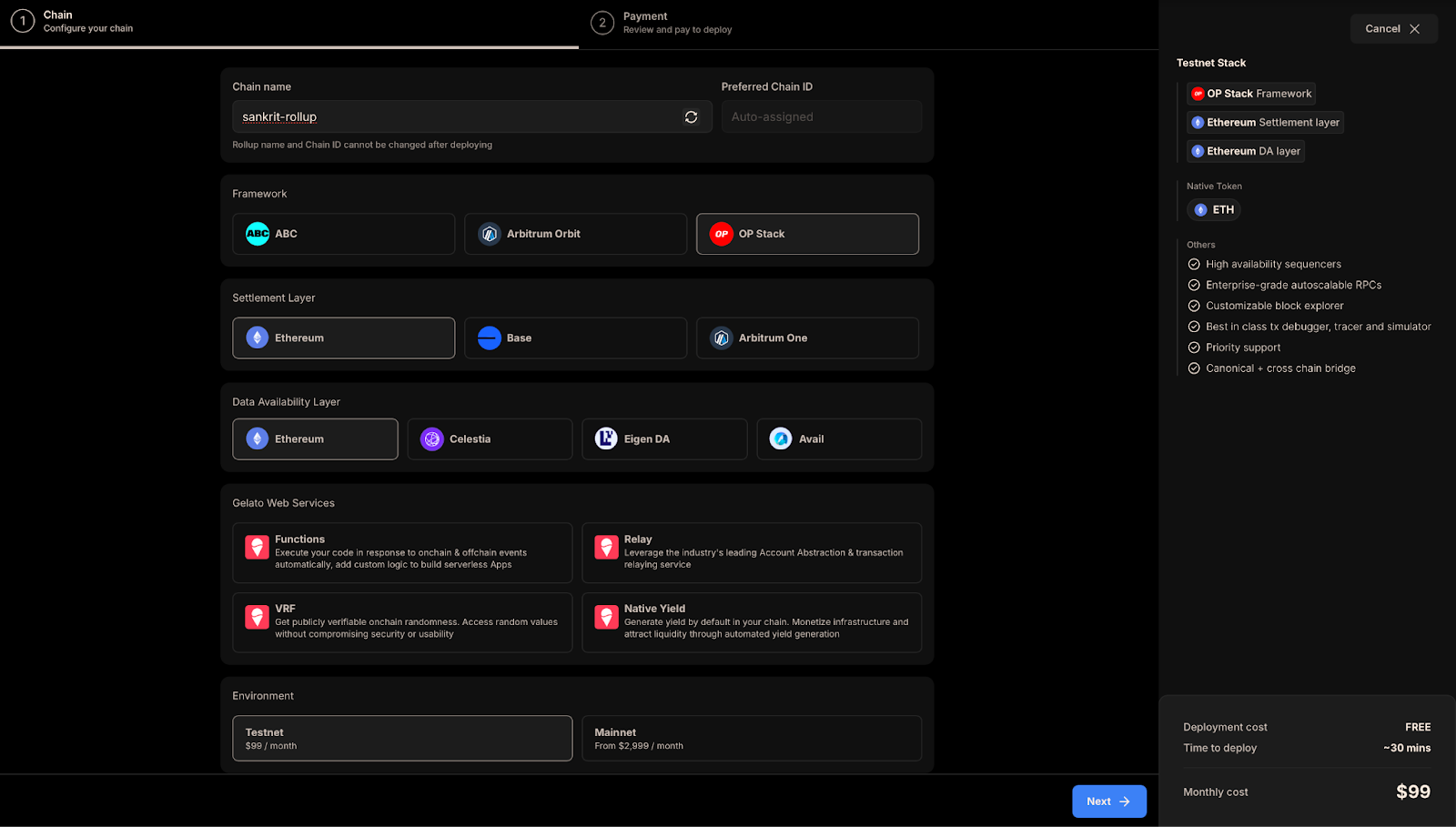
- Name your chain and set Chain ID: Avoid conflicts by choosing a unique identifier.
- Select Settlement Layer: Will your rollup anchor to Ethereum mainnet or another parent chain like Base or Zora?
- Tune Data Availability: Decide if you’ll store transaction data on Ethereum (maximum security), Celestia (cost-efficient), or another layer.
- Edit gas fee parameters and whitelists: Control economic incentives and access policies from day one.
The configuration UI is typically point-and-click, no need to wrangle YAML files or write custom scripts. For specifics on each parameter set, and how they impact performance, consult the latest provider documentation (QuickNode’s launch guide here).
Once your parameters are locked in, it’s time to deploy. The beauty of modern rollup-as-a-service platforms is their speed and reliability. With providers like QuickNode and Instanodes, you can launch a testnet rollup in as little as 15-20 minutes, no manual server provisioning, no custom DevOps pipelines. Just hit “Deploy, ” and your app-chain is live for internal QA or public testing.
Step 4: Monitor, Manage, and Scale Your App-Chain
Deployment isn’t the finish line, it’s the starting gun. Ongoing monitoring and management are critical for uptime, security, and user trust. Top RaaS providers deliver dashboards with real-time analytics: block times, gas usage, validator health, and even on-chain anomalies. Instanodes’ auto-scaling ensures your chain meets demand spikes without intervention. Zeeve offers built-in alerting and maintenance tools for enterprise-grade reliability.
For deeper visibility into network activity, consider integrating a block explorer service like TraceHawk or leveraging white-label solutions from Zeeve. These tools provide granular transaction data, crucial for debugging smart contracts or auditing user flows.
Step 5: Supercharge Your Rollup with Key Integrations
A robust app-chain isn’t just about throughput; it’s about ecosystem connectivity. Post-launch, prioritize integrating:
- Bridges: Enable seamless asset transfers between your chain and other L1/L2s, vital for liquidity and onboarding users (see QuickNode guide).
- Multi-Signature Wallets: Add an extra layer of security for treasury management or protocol governance.
- API Endpoints and Oracles: Connect off-chain data feeds to unlock new dApp use cases.
The best RaaS providers offer plug-and-play integrations or detailed guides so you can add these features without deep protocol changes.
Step 6: Best Practices and Next Steps
The landscape is evolving fast, here are key tips to future-proof your deployment:
- Pilot on Testnet First: Always validate configuration changes in a sandbox before mainnet launch.
- Automate Monitoring: Use provider APIs to trigger alerts for downtime or suspicious activity.
- Stay Up-to-Date: Follow provider updates; frameworks like OP Stack or ZK Stack push frequent upgrades that may impact compatibility or performance.
If you’re ready to dive deeper into the technical details of each step, or want to compare frameworks side-by-side, consult provider documentation from Owl Build, QuickNode, or explore industry overviews at Alchemy.
The bottom line? With abstract rollup technology now accessible via RaaS platforms, launching a custom app-chain is no longer reserved for protocol engineers, it’s open to any team ready to build at scale. Focus on what makes your application unique; let the infrastructure fade into the background.




No comments yet. Be the first to share your thoughts!