

Web3 startups are in a race to capture market share, but the technical hurdles of building scalable, secure blockchains have historically slowed innovation. Enter Rollup-as-a-Service (RaaS): a wave of platforms purpose-built to eliminate infrastructure bottlenecks and accelerate app-chain deployment. The result? Startups can now launch custom, production-ready rollups in days instead of months, with minimal blockchain expertise required.
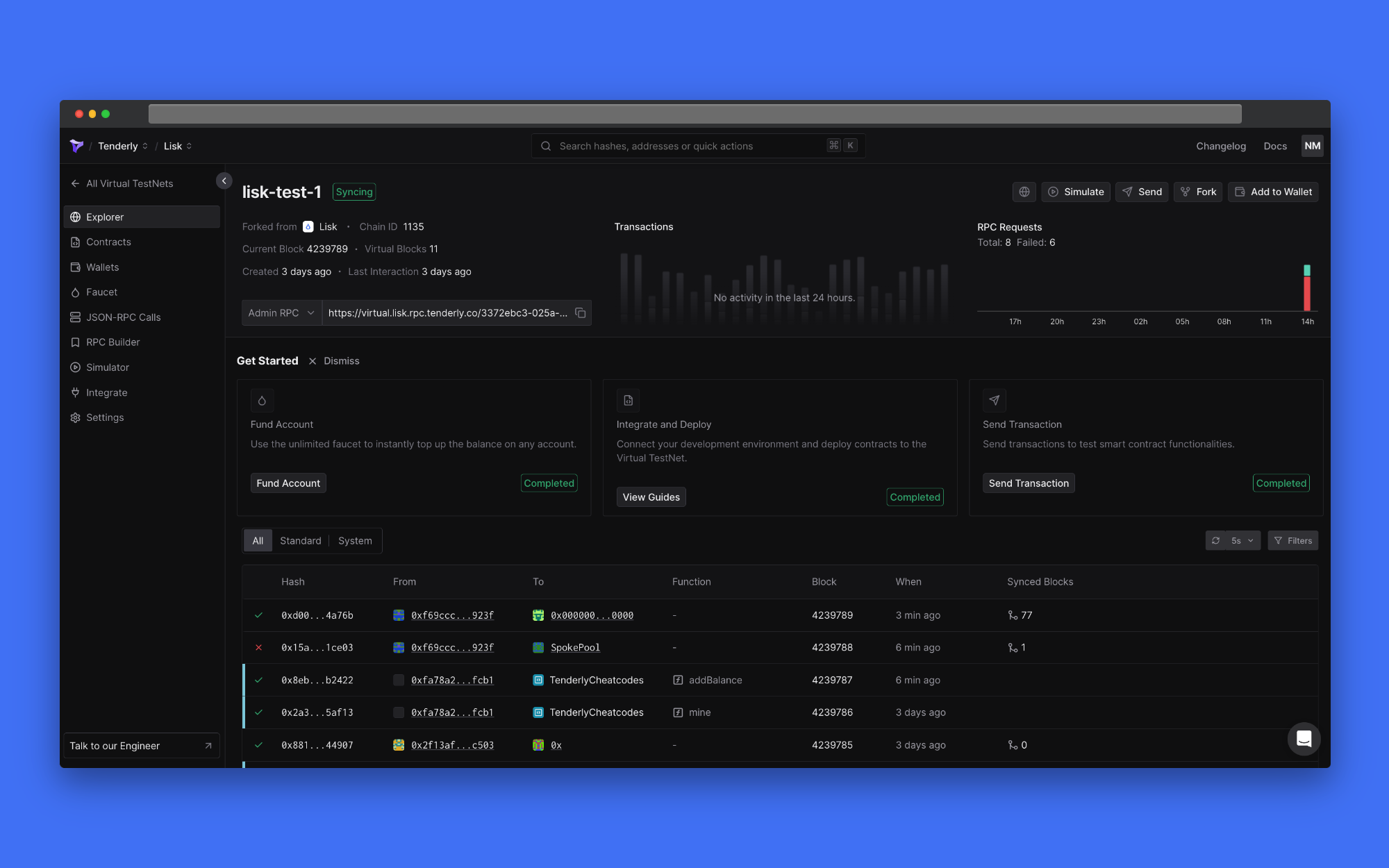
Modular Rollup Architecture: The Foundation for Web3 Scalability
The modular blockchain era is here. Instead of monolithic chains struggling under their own weight, modular architectures separate consensus, execution, and data availability. Rollups sit at the heart of this revolution by batching transactions off-chain and posting compressed proofs back to Layer 1s like Ethereum or Polygon. This approach delivers high throughput and low fees while inheriting the security of established networks.
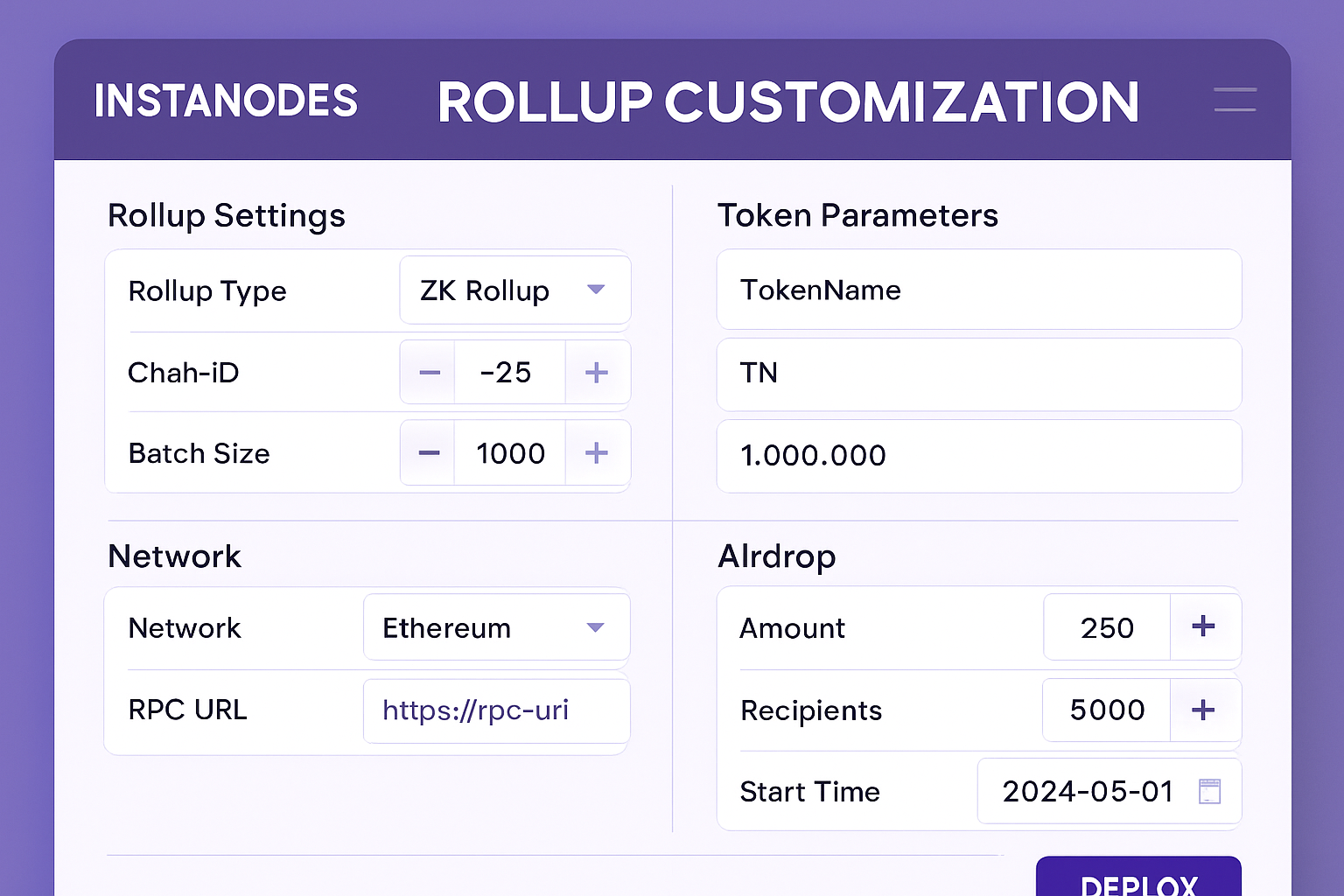
RaaS platforms take this further by offering managed rollup stacks with plug-and-play components, sequencers, verifiers, bridges, that abstract away complexity. For example, Instanodes supports OP Stack, Arbitrum Orbit, Polygon CDK, and zkSync ZK Stack out-of-the-box. This flexibility empowers teams to select the optimal framework for their use case, whether it’s DeFi protocols demanding instant finality or NFT projects seeking ultra-low gas costs.
“Appchains are bringing composable scalability to web3 and RaaS is accelerating appchain development. ”
- QuickNode Blog
No-Code Blockchain Deployment: Lowering Barriers for Startups
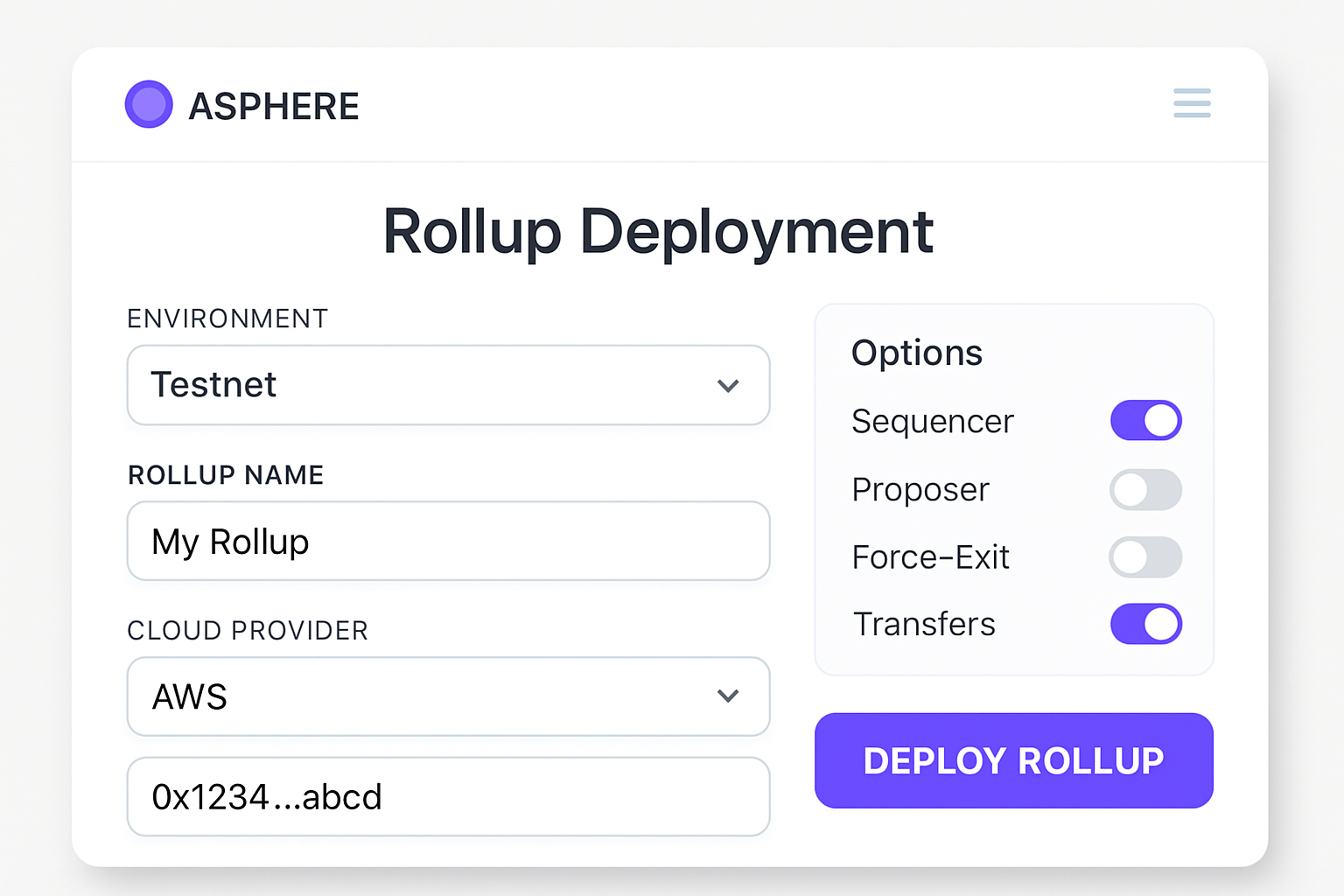
The next wave of Web3 growth will be defined by accessibility. No-code and low-code RaaS solutions, such as those from Asphere, enable teams to deploy interoperable Polkadot rollups in minutes, no Solidity or Rust mastery required. Drag-and-drop interfaces turn what was once a months-long engineering sprint into an afternoon project.
This democratization is key for lean startups looking to validate ideas quickly and iterate based on user feedback rather than wrestling with node configuration or cryptography libraries. The ability to customize transaction logic, tokenomics, and governance modules via simple dashboards means founders can focus on product-market fit, not infrastructure headaches.
Integrated Infrastructure and Enterprise-Grade Security Out-of-the-Box
Beyond speed and simplicity, modern RaaS providers deliver robust infrastructure baked into every deployment. Built-in sequencers ensure transaction ordering and liveness; automated verifiers maintain trustless execution; monitoring dashboards provide real-time analytics on chain health and usage spikes.
Platforms like Zeeve go further with enterprise-grade security protocols, DDoS protection, automated backups, 24/7 support, to safeguard mission-critical dApps from day one. Integration with major Layer 1s (Ethereum, Polygon, BSC) guarantees interoperability across the most active ecosystems in crypto.
Key Benefits of Rollup-as-a-Service for Web3 Startups
- Simplified Deployment: RaaS platforms like Asphere offer no-code or low-code deployment, enabling startups to launch secure, high-performance rollups without deep blockchain expertise.
- Customization and Flexibility: Leading providers such as Instanodes support multiple frameworks (OP Stack, Arbitrum Orbit, Polygon CDK, zkSync ZK Stack), letting teams tailor rollup configurations to fit unique application needs.
- Integrated Infrastructure: RaaS solutions deliver built-in sequencers, verifiers, and seamless integration with major Layer 1 blockchains like Ethereum and Polygon, streamlining operations and boosting interoperability.
- Enhanced Scalability and Performance: By leveraging advanced compression and efficient transaction processing, RaaS platforms reduce gas fees and enable faster transactions—addressing key scalability challenges for Web3 startups.
- Robust Security and Monitoring: Platforms such as Zeeve provide enterprise-grade security protocols, real-time monitoring, and 24/7 support, ensuring reliability and safety for deployed rollups.
The bottom line? By leveraging RaaS platforms such as Instanodes, Asphere, Zeeve, Caldera, or Conduit (source), startups can ship faster than ever before while maintaining security and scalability standards that rival industry leaders.
With rollup-as-a-service platforms, the days of wrestling with bespoke infrastructure are numbered. Instead, founders and dev teams can zero in on what matters: user experience, protocol innovation, and rapid iteration cycles. The impact is measurable, projects leveraging RaaS consistently report reduced time-to-market, lower operational overhead, and a dramatic uptick in developer velocity.
Performance Gains and amp; Real-World Outcomes
Speed is only half the equation. Modern modular rollup architecture brings quantifiable improvements to scalability and cost efficiency. By batching thousands of transactions off-chain before settlement, RaaS-powered app-chains routinely achieve sub-second finality and gas fees that are orders of magnitude lower than legacy Layer 1s. Startups deploying via Instanodes or Zeeve can scale to tens of thousands of daily active users without a hint of congestion or price volatility for end-users.
The composability unlocked by RaaS means projects aren’t locked into a single tech stack or ecosystem silo. Interoperability with Ethereum, Polygon, BSC, and seamless bridges between rollups, enables cross-chain liquidity and network effects that were previously out of reach for early-stage teams.
Choosing the Right RaaS Provider: What to Look For
The landscape is competitive and evolving fast. When evaluating custom rollup platforms, founders should scrutinize:
- No-code deployment options: Does the platform let you launch without deep protocol expertise?
- Supported frameworks: Is there flexibility to choose between OP Stack, Arbitrum Orbit, Polygon CDK, zkSync ZK Stack?
- Integrated infrastructure: Are sequencers, verifiers, explorers, bridges included out-of-the-box?
- Security protocols: Are there robust monitoring tools and proven enterprise-grade protections?
- Ecosystem integrations: Can your app-chain connect easily with major Layer 1s and other rollups?
- SLA and amp; support: Is 24/7 technical help available if something goes wrong?
The strongest providers provides Asphere, Instanodes, Zeeve, Caldera, Conduit, are setting new benchmarks for uptime and reliability (source). This lets Web3 startups compete at the same level as established DeFi protocols or NFT marketplaces from day one.
The Road Ahead: RaaS as the New Standard for Blockchain Scalability Solutions
The numbers are clear: adoption of RaaS is accelerating across every segment of Web3, from games to DeFi to enterprise supply chain solutions. As abstraction layers improve and no-code interfaces become ubiquitous, expect even more non-technical founders entering the blockchain space. The modular era rewards those who move quickly while maintaining security and compliance standards.
If your team wants to ship faster while keeping infrastructure headaches at bay, now’s the time to evaluate leading rollup-as-a-service platforms. The next unicorn may well be built on a stack you can deploy in minutes, not months.




No comments yet. Be the first to share your thoughts!