

Start with abstract watch designs 2026
Use this section to make the The Rise of AI-Generated Horology decision easier to compare in real life, not just on paper. Start with the reader's actual constraint, then separate must-have requirements from details that are merely nice to have. A practical choice should survive normal use, maintenance, timing, and budget. If a recommendation only works in an ideal situation, call that out plainly and give the reader a fallback path.
The simplest way to use this section is to write down the must-have criteria first, then compare each option against those criteria before weighing nice-to-have features.
7 Rise of AI-Generated Horology: Top 7 Abstract Watch Designs Defying Convention in 2026
Generative design tools have shifted watchmaking from mechanical precision to algorithmic abstraction, creating timepieces that prioritize visual disruption over traditional legibility. These seven AI-conceived models demonstrate how computational aesthetics are redefining luxury status in 2026.
1. Algorithmic fractal dial patterns
These watches replace traditional numerals with recursive geometric shapes generated by code. The dial creates infinite complexity from simple rules, turning time-telling into a visual puzzle. This approach merges mathematical precision with artistic abstraction, offering a unique aesthetic that changes perspective as you move. It appeals to those who appreciate the intersection of rigorous algorithmic logic and wearable art.
2. Generative mesh strap structures
Generative design software optimizes strap geometry for maximum airflow and minimal material use. The resulting mesh structures are lighter and more breathable than standard leather or metal bands, adapting to wrist contours through algorithmic lattice patterns. This technology reduces waste while enhancing comfort, making it ideal for active wearers who prioritize functionality without sacrificing the futuristic, intricate look of AI-driven design.

3. Neural network case geometries
AI models analyze ergonomic data to create case shapes that defy standard circular or rectangular forms. These non-Euclidean geometries are calculated to distribute pressure evenly and fit unique wrist profiles. The result is a watch that feels custom-made, with organic curves that look impossible yet function flawlessly. This design philosophy prioritizes human-centric comfort over traditional horological symmetry, offering a truly personalized fit.
4. AI-optimized weight distribution
Computational simulations balance mass across the watch body to ensure perfect balance on the wrist. By shifting heavy components like the movement or crown, AI creates a piece that feels lighter than it is. This subtle engineering marvel improves wearability during long periods, reducing fatigue. The internal architecture is invisible to the eye but profoundly impacts the tactile experience, making heavy luxury pieces feel surprisingly agile.
5. Dynamic time display logic
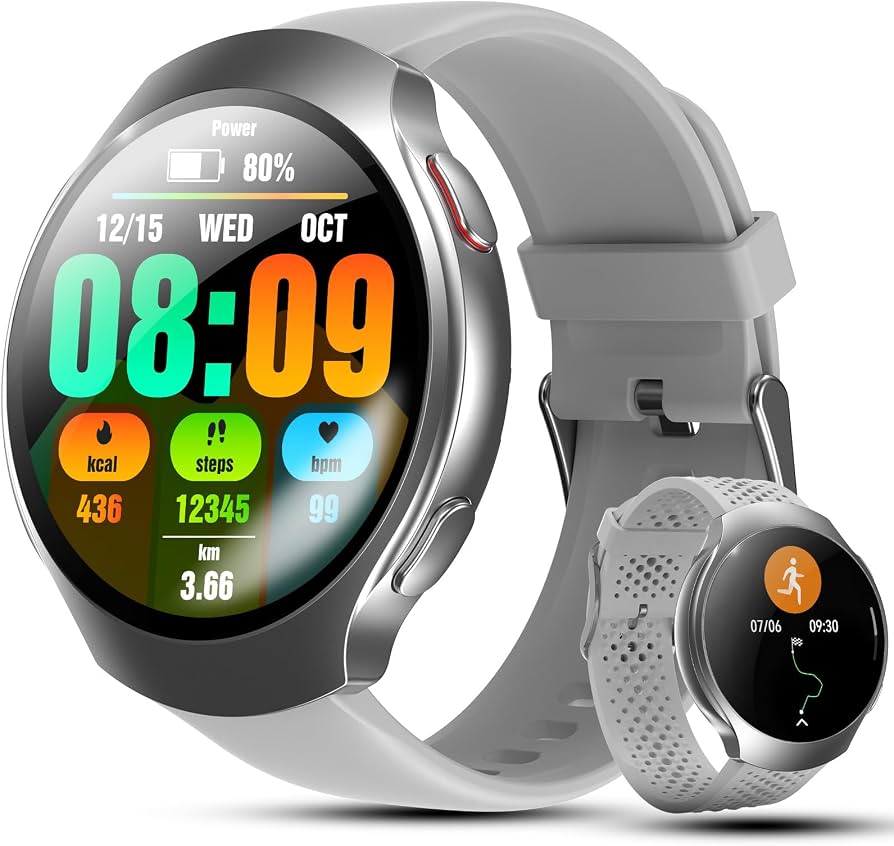
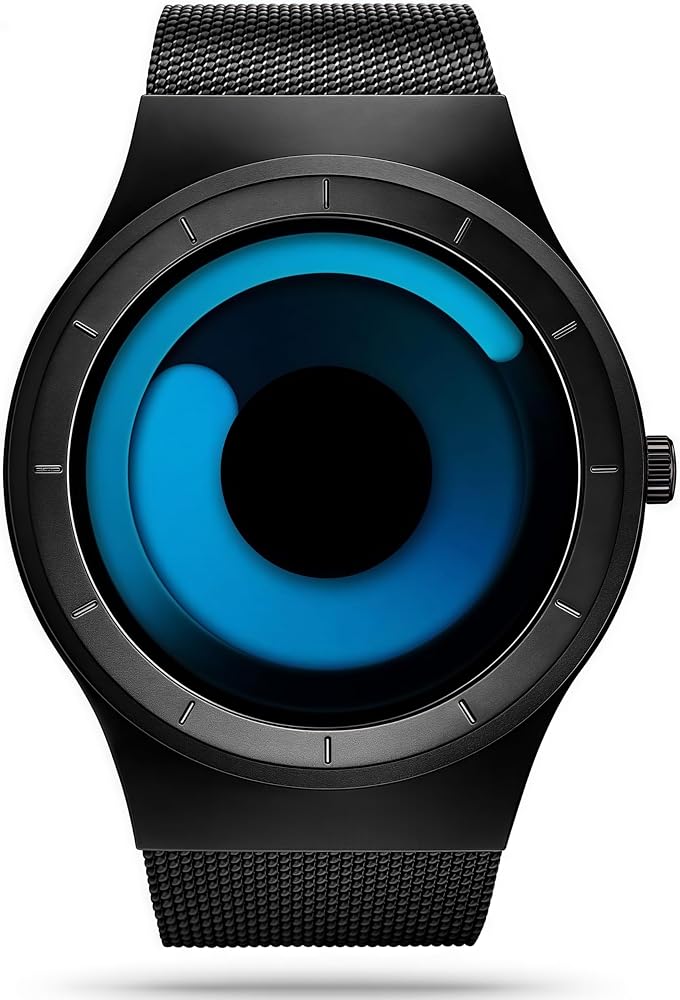
Instead of fixed hands, these watches use AI to reinterpret time through evolving visual metaphors. The display might shift from geometric pulses to fluid animations based on the time of day or user activity. This dynamic logic transforms timekeeping into an interactive experience, where the interface adapts to context. It breaks the rigid tradition of analog dials, offering a living, breathing representation of moments.
6. Synthetic material texture mapping
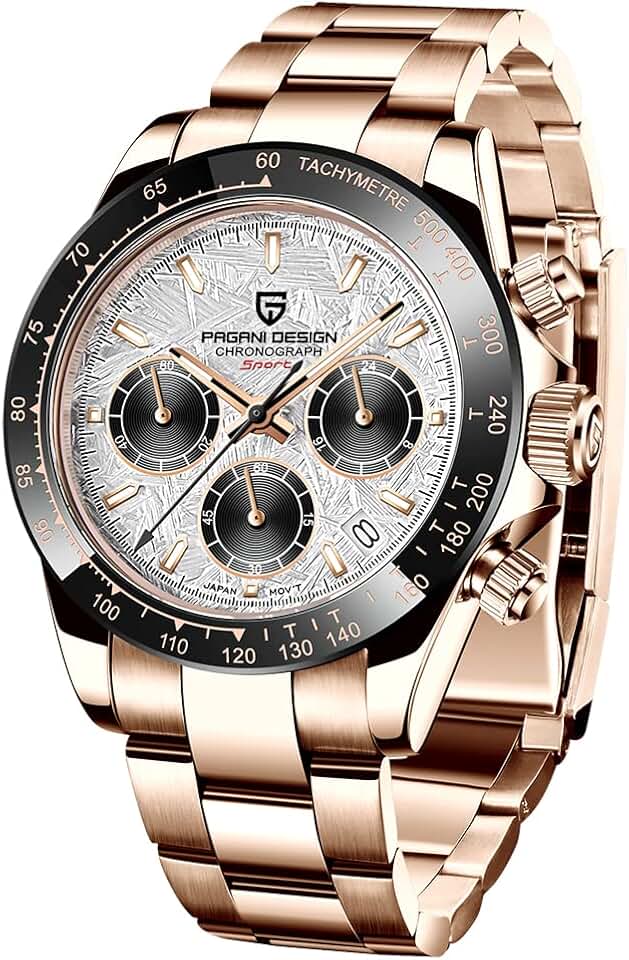
AI-driven texture mapping transforms standard watch surfaces into hyper-realistic, non-repeating patterns that mimic rare natural materials like abalone or meteorite without the ethical or supply constraints. This technique allows designers to generate unique tactile finishes on resin or ceramic cases, offering a distinct visual depth that changes under different lighting conditions.
7. Predictive movement aesthetics
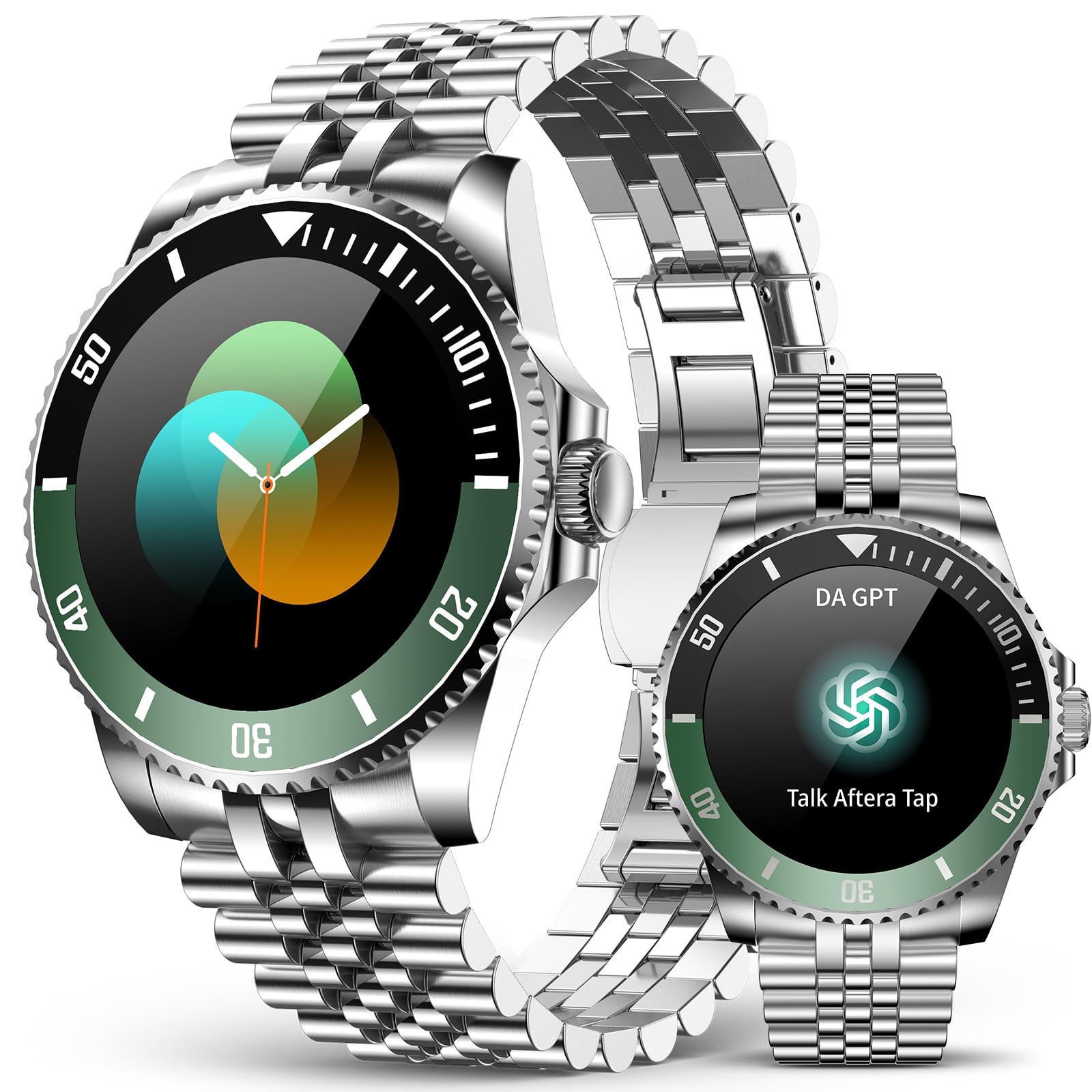
Beyond static visuals, some 2026 designs incorporate AI that predicts wearer activity to subtly alter dial aesthetics or hand positions, creating a dynamic interface that feels alive. This predictive layer adjusts the complexity of the display based on context, such as simplifying the layout during high-motion activities or adding intricate details during rest.
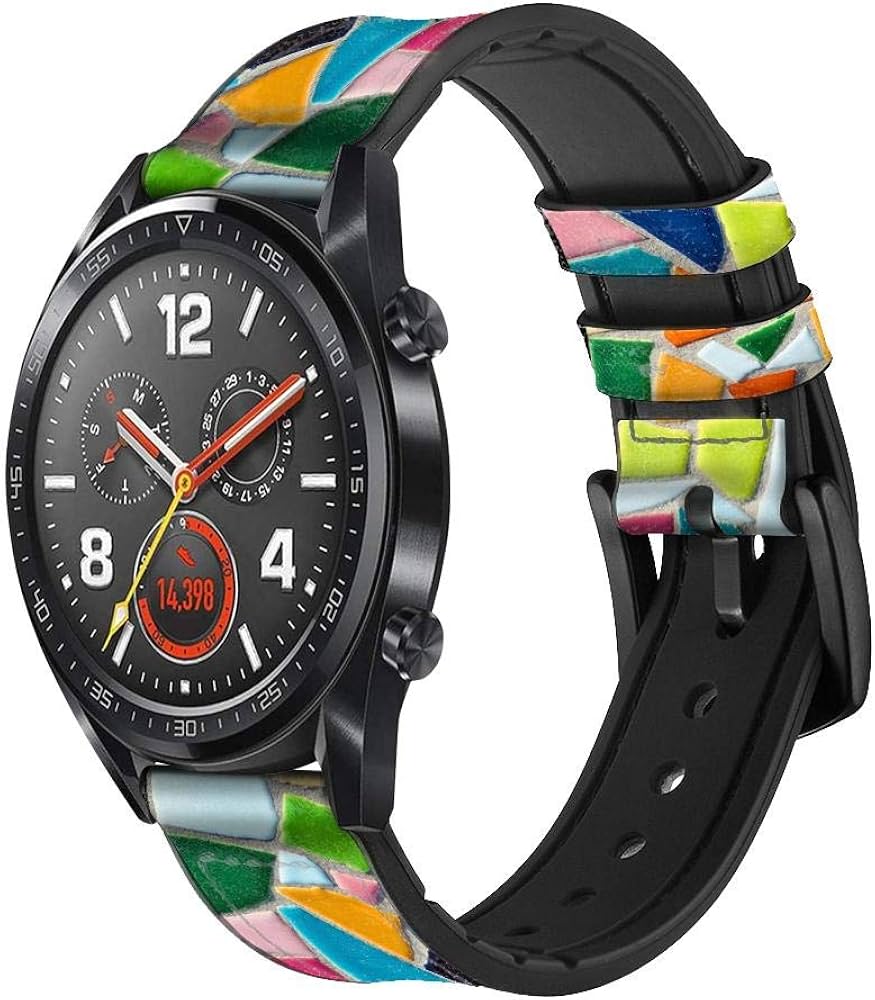
Pick the right fit
Choosing an AI-generated abstract watch means prioritizing how the dial interacts with light and movement. Unlike traditional timepieces, these designs rely on texture and gradient to create depth. When evaluating a piece, look for clarity in the algorithmic patterns. A busy dial can become muddy on the wrist, so ensure the contrast between the abstract elements and the hour markers remains sharp.
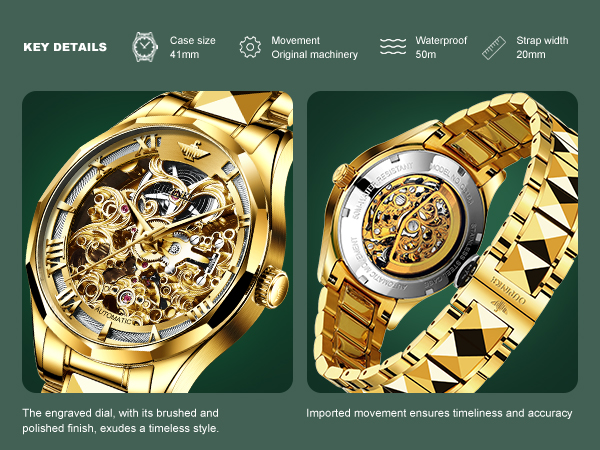
Material choice also defines the reading experience. Colored ceramics and stone textures, as seen in recent 2026 releases, offer durability but can mute the vibrancy of digital-inspired gradients. Brushed metallic finishes provide a tactile anchor that grounds the abstract face. Test the legibility under different lighting conditions before committing to a specific aesthetic.
Finally, consider the strap as a counterbalance to the complex dial. A simple leather or nylon strap prevents the overall look from becoming overwhelming. The goal is a harmony where the AI-generated art remains the focal point without competing with excessive case complexity.
As an Amazon Associate, we may earn from qualifying purchases.
FAQ: AI-Generated Horology and 2026 Trends
What are the trendy watch styles for 2026?
2026 is defined by expressive dials that defy traditional symmetry. Designers are using AI to create smoky gradients, stone textures, and vibrant hues that mimic natural phenomena. Expect to see colored ceramics and abstract micro-sculptures made from rubber and diamond, turning the watch face into a canvas for art rather than just a timekeeper.
What is the "poor man's Rolex"?
This informal term typically refers to brands like Seiko, Orient, or Tissot that offer reliable mechanical movements and classic designs at a fraction of the cost of luxury brands. These watches provide the aesthetic appeal and build quality of high-end horology without the premium price tag, making them accessible entry points for new collectors.
What are the coolest watches in 2026?
The coolest pieces this year blend motorsport heritage with avant-garde design. Highlights include the Chanel Superleggera for its lightweight, racing-inspired construction and Piaget's ultra-thin luxury models. Abstract designs from brands like Rado and Hermès are also gaining traction for their unique dial textures and innovative material use.
What is the 3 watch rule?
The 3 watch rule is a minimalist styling guideline suggesting you own only three timepieces: one for formal occasions, one for everyday casual wear, and one for sports or active use. This approach ensures versatility without clutter, allowing each watch to serve a specific purpose and maintain its condition through focused rotation.
No comments yet. Be the first to share your thoughts!