

Deploying application-specific blockchains, or app-chains, was once the domain of deep protocol engineers and well-funded teams. Today, Rollup-As-A-Service (RaaS) platforms are changing that equation. By abstracting away the intricate technical challenges of rollup technology, RaaS providers empower blockchain developers to launch scalable, secure app-chains with minimal friction and cost.
What Are Rollups-As-A-Service and Why Do They Matter?
A rollup is a type of Layer-2 scaling solution that bundles (or "rolls up") transactions off the main blockchain (such as Ethereum), then posts a summary back on-chain. This approach increases throughput and reduces transaction costs while still leveraging the security guarantees of the underlying Layer-1. App-chains are blockchains tailored for specific applications or ecosystems, often requiring their own performance parameters, governance models, and integrations.
Rollup-As-A-Service platforms dramatically lower the barrier to entry for launching these chains. Instead of months spent architecting infrastructure, developers can now deploy custom rollups in minutes, sometimes with no code required. This paradigm shift is crucial for innovation in Web3, as it enables rapid experimentation and iteration without prohibitive engineering overhead.
Simplified Deployment: No-Code Solutions and Intuitive Interfaces
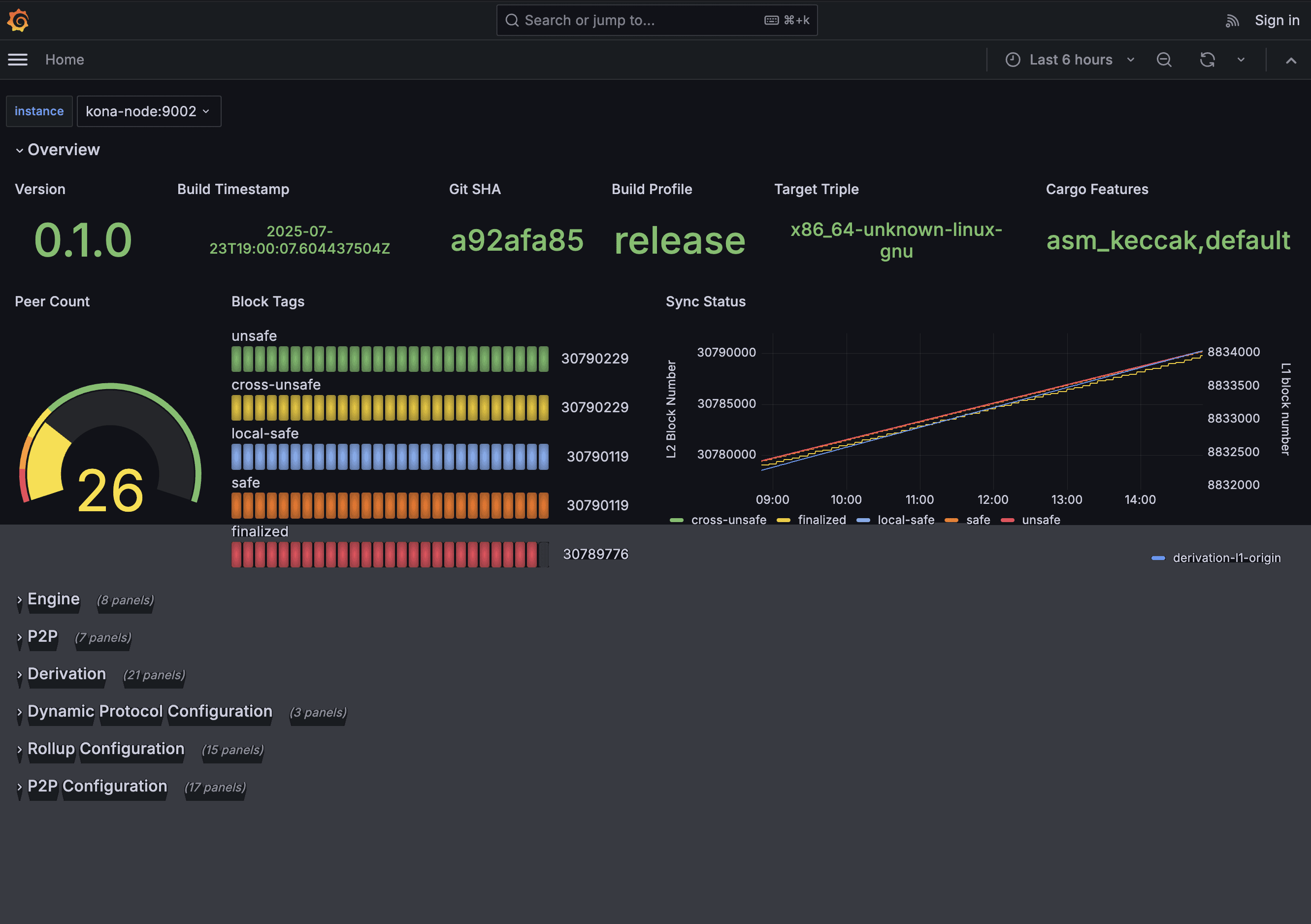
The most immediate benefit RaaS platforms offer is a streamlined deployment process. Providers like Asphere have introduced no-code deployers that allow users to configure and launch modular rollups through graphical dashboards. These tools handle everything from sequencing and data availability to bridge integrations and monitoring, removing the need for specialized blockchain engineers at every step.
This democratization of app-chain deployment means startups, DAOs, and enterprises can focus on what matters most: building differentiated products rather than wrestling with infrastructure headaches. As a result, time-to-market shrinks from quarters to weeks or even days. For an in-depth look at how one-click deployment is shaping the industry landscape, see How Rollup-as-a-Service Is Making One-Click Blockchain Appchain Deployment a Reality.
Cost Efficiency and Resource Allocation
Cost efficiency is another core advantage driving adoption of RaaS solutions. By outsourcing infrastructure management, including node operations, uptime monitoring, security patching, and compliance, projects can significantly reduce both capital expenditure (CapEx) and operational expenditure (OpEx). Instead of hiring dedicated DevOps teams or protocol engineers for each new chain instance, developers can allocate resources directly to smart contract development and user experience design.
This model also supports flexible scaling: as demand grows or use cases evolve, teams can adjust throughput parameters or integrate new modules without rearchitecting their stack from scratch. For more on how RaaS accelerates go-to-market strategies for blockchain startups specifically, explore How Rollup-as-a-Service Accelerates App-Chain Deployment for Blockchain Startups.
The Rise of Modular Blockchain Solutions
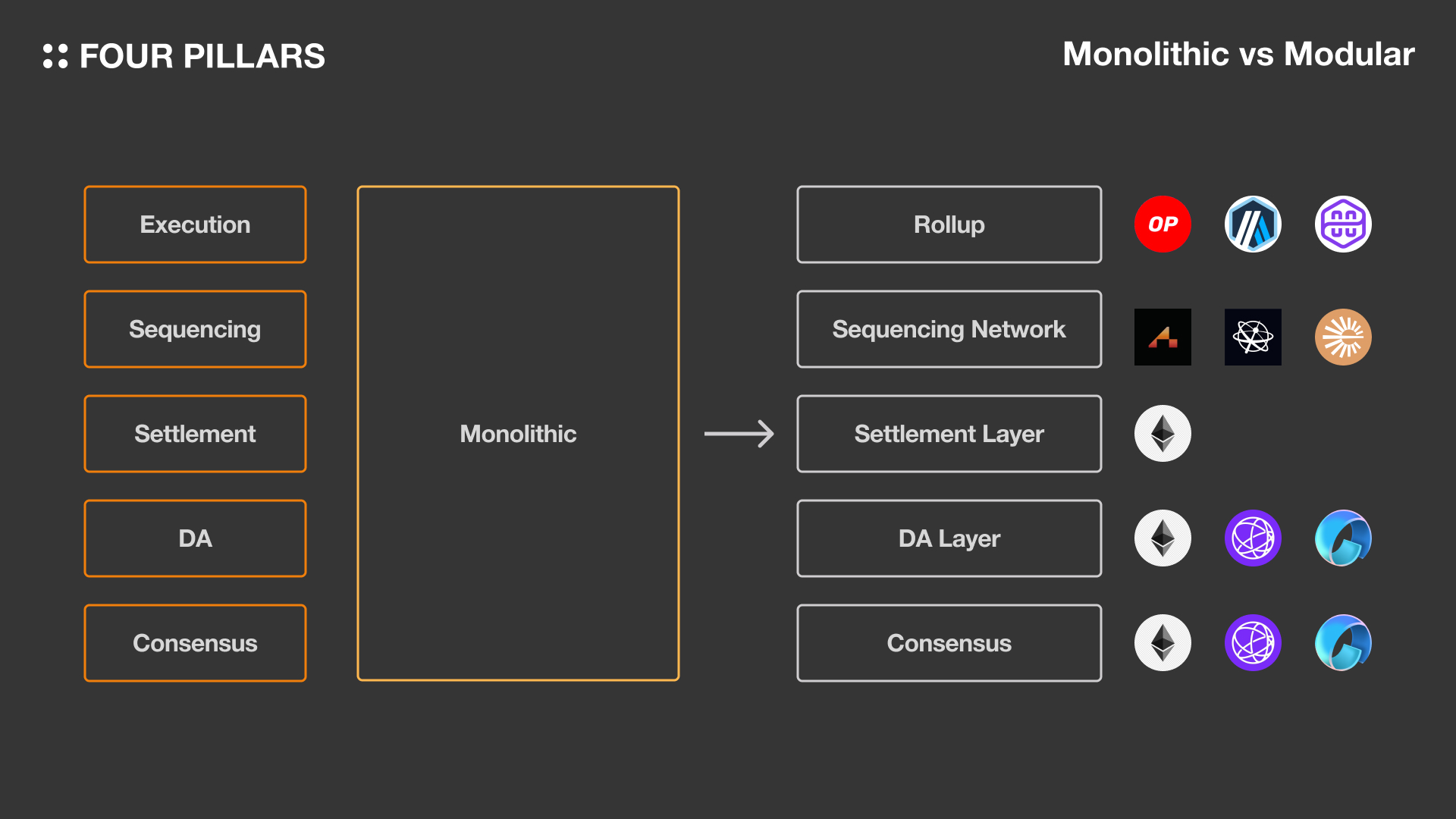
The latest generation of RaaS providers supports multiple rollup frameworks, such as Optimistic Rollups for fast finality or zk-Rollups for enhanced privacy, and offers modular architectures that allow granular customization. Leading platforms like AltLayer enable developers to select different data availability layers or bridge protocols based on their unique requirements.
This flexibility is especially valuable as regulatory landscapes shift and user expectations evolve; projects can swap out components or upgrade features without downtime or costly migrations. In effect, RaaS platforms are making modular blockchain solutions accessible even to small teams with limited technical resources, a trend that is rapidly expanding the diversity of apps in the Web3 ecosystem.
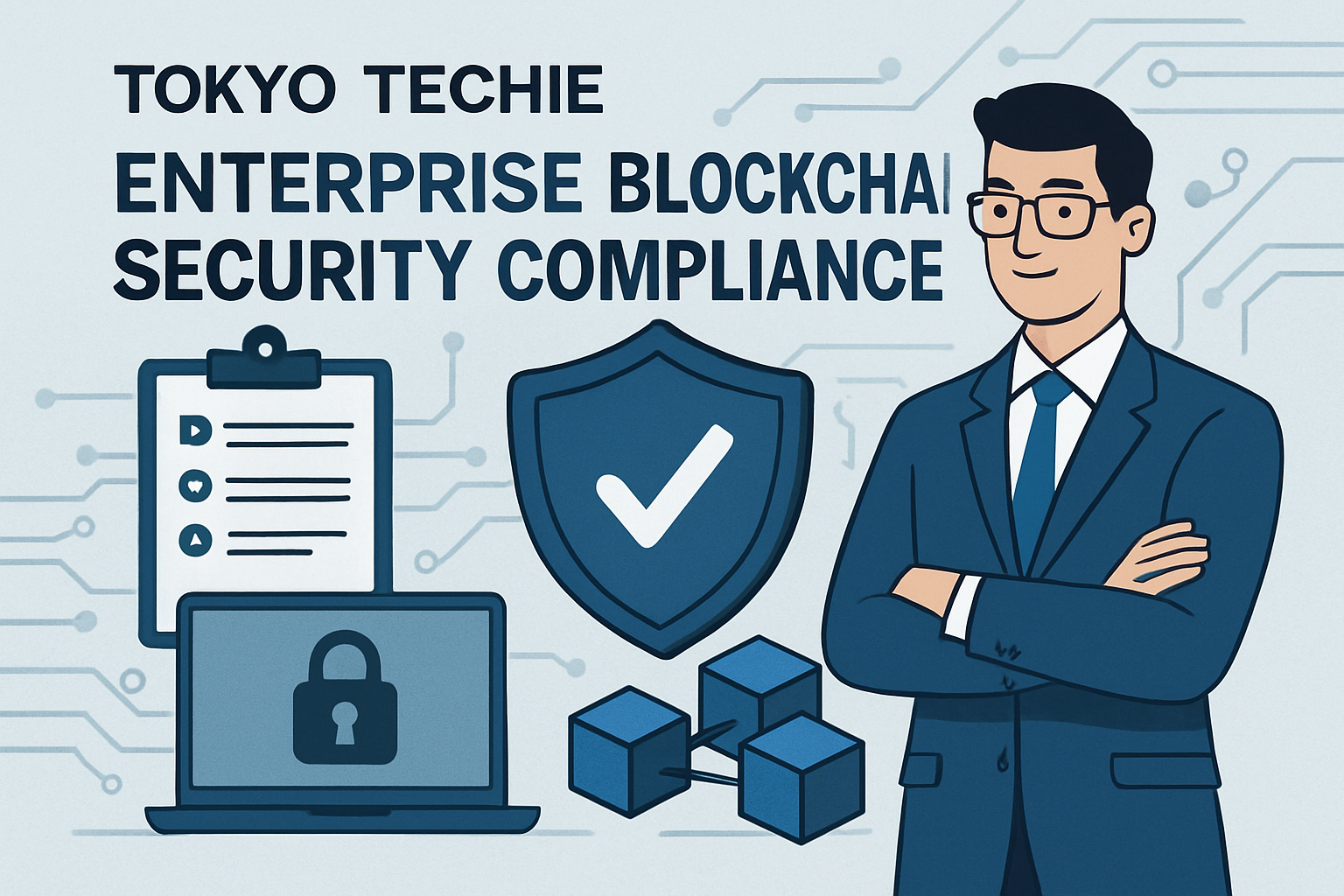
Another critical benefit of Rollup-As-A-Service is the delivery of enterprise-grade infrastructure out of the box. Top RaaS providers, such as Tokyo Techie and Conduit, offer robust security frameworks, 24/7 uptime monitoring, and real-time analytics dashboards. This means projects can launch with confidence, knowing their app-chains are protected by industry-standard compliance measures like ISO 27001 and SOC 2 Type 2. For enterprise teams handling sensitive data or large transaction volumes, these assurances are not just conveniences, they are requirements.
Beyond technical robustness, RaaS platforms foster ecosystem interoperability. Asphere’s integration with the Web3 Foundation, for example, lets developers deploy no-code Polkadot rollups that natively interoperate within the Polkadot network. This seamless connectivity accelerates composability between chains and unlocks new opportunities for cross-chain DeFi protocols, NFT marketplaces, and decentralized identity solutions.
How RaaS Platforms Empower Innovation
The proliferation of customizable rollup frameworks has catalyzed a new wave of experimentation in blockchain development. Teams can now launch proof-of-concept chains to test novel governance models or performance parameters without risking mainnet assets or incurring prohibitive costs. This agility is especially valuable for DAOs and startups seeking product-market fit in fast-moving sectors like on-chain gaming or decentralized finance.
Key Advantages of Rollup-as-a-Service Platforms
- No-Code Deployment: RaaS platforms like Asphere and Caldera offer intuitive, no-code interfaces, enabling developers to launch app-chains in minutes without deep blockchain expertise.
- Significant Cost Savings: By handling infrastructure and engineering requirements, RaaS providers such as Alchemy and Conduit reduce operational costs, letting teams focus on application logic instead of blockchain maintenance.
- Modular Customization: Platforms like AltLayer support both Optimistic and zk-Rollups with modular architectures, allowing developers to tailor app-chains for specific needs, including throughput, privacy, and governance.
- Enterprise-Grade Security: Leading RaaS providers, such as Tokyo Techie, deliver robust security features, including ISO 27001 and SOC 2 Type 2 compliance, with 24/7 monitoring and real-time analytics.
- Ecosystem Interoperability: Solutions like Asphere's Polkadot rollup deployment enable seamless integration with major blockchain networks, ensuring interoperable and scalable app-chains.
From a risk management perspective, a subject close to my heart, RaaS platforms also enhance operational resilience. By abstracting away infrastructure maintenance and patch management, they reduce attack surfaces and limit single points of failure. Projects can leverage built-in redundancy and automated failover protocols to maintain uptime during network congestion or targeted attacks.
For developers evaluating whether to build on a shared Layer 1 versus launching an app-chain via RaaS, the calculus has shifted decisively in favor of dedicated rollups for many use cases. The ability to tailor throughput limits, fee models, privacy settings, and governance structures provides a competitive edge that generic smart contract platforms cannot match.
Choosing the Right RaaS Provider
Selecting a Rollup-As-A-Service partner is a strategic decision that hinges on several factors:
- Supported Rollup Frameworks: Does the provider offer both Optimistic and zk-Rollup support? Can you switch frameworks as your needs evolve?
- Customization Options: How granularly can you configure data availability layers or bridge integrations?
- SLA Guarantees: What uptime commitments and support tiers are included?
- Ecosystem Integrations: Are there native bridges to major Layer-1s or other app-chains?
- Security and Compliance: Does the platform meet your regulatory requirements?
The answers will depend on your project’s scale, user base geography, compliance obligations, and growth roadmap. For more guidance on evaluating modular deployment options for app-chains in 2025’s landscape see How No-Code Rollup Deployment Platforms Are Revolutionizing App-Chain Launches in 2025.
The net result? Developers now have access to infrastructure once reserved for top-tier enterprises, without sacrificing speed or flexibility. As competition among RaaS providers intensifies in response to surging demand from DeFi protocols and consumer dApps alike, expect further improvements in pricing transparency, developer tooling, and ecosystem incentives.
If you’re building an application-specific chain today, or even considering it, Rollup-As-A-Service platforms offer a clear path forward: lower barriers to entry; robust security; modularity; cost efficiency; and seamless integration into the broader Web3 world. The future of blockchain scalability is here, and it’s as accessible as clicking “deploy. ”




No comments yet. Be the first to share your thoughts!