
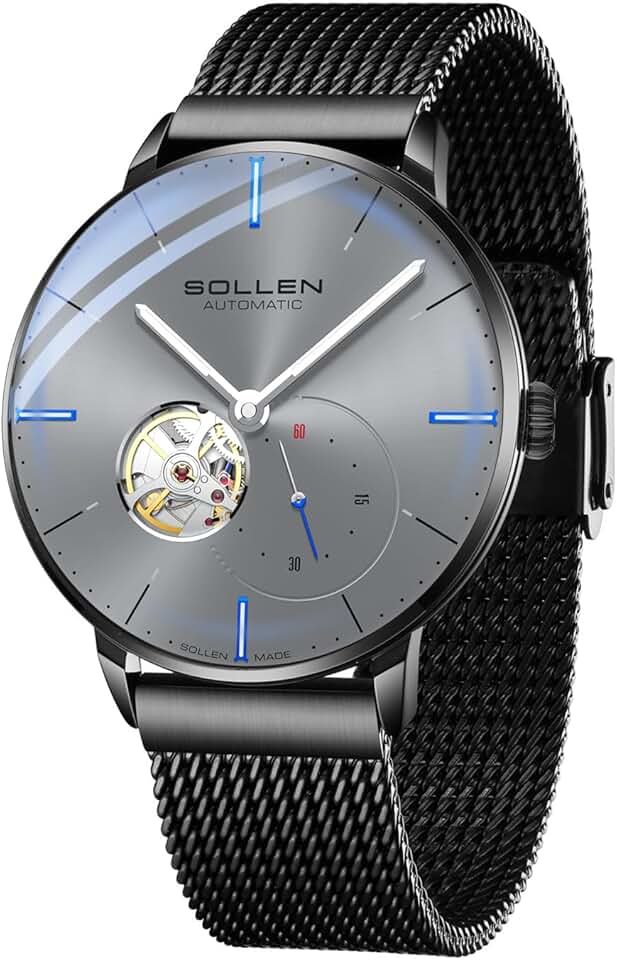
The shift toward smaller, quieter dials
The dominant aesthetic of 2026 is a decisive retreat from the oversized, busy faces that defined the previous decade. Watchmakers are moving toward compact, monochrome, and abstract designs that prioritize legibility and understated luxury. This shift is not merely about size; it is a return to the principle that a watch should be worn, not displayed. The visual noise of multi-dial chronographs and high-contrast color blocks is being replaced by clean, breathable dials that invite closer inspection.
This trend is particularly visible among independent watchmakers, who are leading the charge in redefining wearable elegance. According to industry analysis from Watches & Wonders 2026, there is a marked increase in sub-38mm case releases. These smaller footprints allow for more intimate proportions, making timepieces suitable for a wider range of wrist sizes and daily activities. The focus has shifted from making a bold statement to creating a quiet companion.
The design language supporting this shift is rooted in abstraction and simplicity. Dials are becoming more geometric and less cluttered, often relying on subtle textures or monochromatic palettes to create depth without visual chaos. This approach aligns with a broader cultural move toward minimalism in consumer goods, where function and form are stripped down to their essential elements. The result is a timepiece that feels both modern and timeless, avoiding the fleeting trends of flashy complications.
This movement toward quieter dials does not mean a lack of innovation. Instead, it channels creativity into materials, finishing, and subtle mechanical details that are appreciated up close rather than from a distance. The 2026 landscape is defined by this restraint, offering a sophisticated alternative to the maximalist designs of the past.
Micro-movements: engineering for elegance
The defining technical shift in 2026 watchmaking is the pursuit of micro-movements. Manufacturers are no longer content with simply shrinking cases; they are re-engineering the calibers themselves to fit inside ultra-thin, minimalist profiles without sacrificing the power reserve or accuracy that collectors demand. This is not merely aesthetic reduction—it is a feat of high-precision engineering.
Historically, miniaturization meant compromise. Smaller cases often housed less robust movements that required frequent winding or lost time. Today, brands like Jaeger-LeCoultre and Piaget are pushing the boundaries with calibers that are fractions of a millimeter thinner than their predecessors. These micro-movements use advanced materials and optimized gear trains to maintain efficiency in a confined space. The result is a watch that feels weightless on the wrist but retains the mechanical soul of a traditional timepiece.
This trend aligns with the broader "minimalist renaissance" in design. As cases shrink and dials clear up, the movement becomes the focal point. Skeletal designs, where bridges and gears are exposed, allow the wearer to appreciate the intricate dance of micro-components. It’s a subtle luxury that rewards closer inspection, turning the wrist into a miniature workshop.
For consumers, this means a new category of watches that bridge the gap between jewelry and tool. They are elegant enough for formal wear but technically impressive enough to satisfy horological enthusiasts. The focus is on precision and refinement, proving that less can indeed be more when the engineering behind it is exceptional.
Monochrome Dials and Abstract Geometry
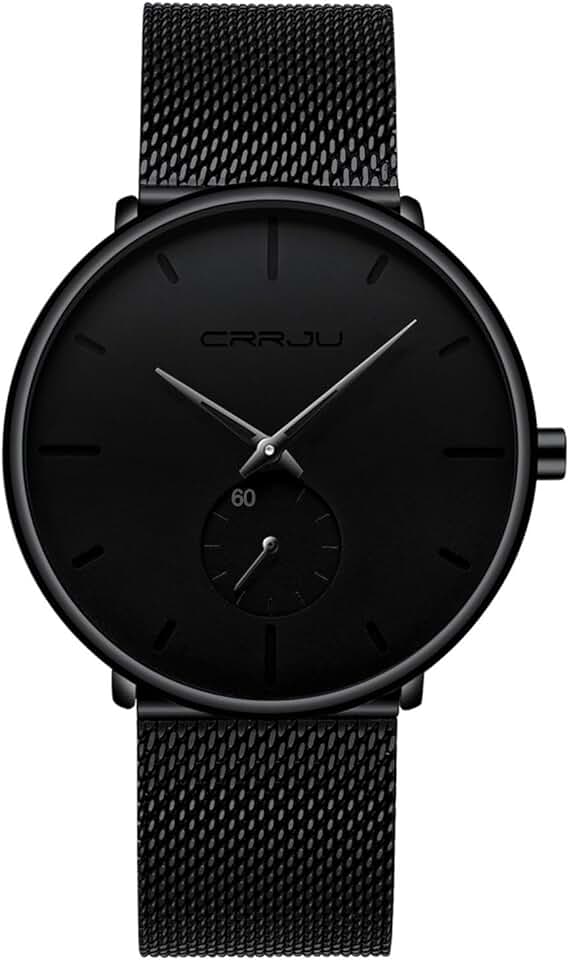
The 2026 watch landscape is shifting away from the maximalist, multi-dial complexity of the late 2010s. Brands are now stripping away visual noise to focus on pure geometry and high-contrast monochrome palettes. This "less is more" approach transforms the dial from a simple time-telling surface into a piece of abstract art. By removing color distractions, the structural integrity of the watch becomes the primary visual hook.
This trend relies heavily on the interplay between negative space and sharp, geometric indices. Instead of traditional Roman or Arabic numerals, designers are using triangular markers, minimalist batons, and skeletal cutouts. These elements create a sense of depth and architectural precision. The result is a timepiece that feels modern and uncluttered, allowing the mechanical movement to peek through without overwhelming the eye.
The visual language of these abstract watches is often compared to the California Light and Space movement. Just as artists in that genre used light and shadow to create immersive, minimalist experiences, watchmakers are using monochrome dials to create a similar sense of depth. The single-color background acts as a canvas, while the geometric indices serve as the focal points, drawing the viewer into the intricate details of the movement.
Top abstract watches to watch in 2026
The shift toward minimalism in 2026 isn't just about removing elements; it's about revealing the mechanical soul of the timepiece. Skeletal movements and open-worked dials are dominating the conversation, allowing the wearer to see the micro-movements that drive the watch. This transparency turns the wrist into a window of engineering, prioritizing the visible complexity of the gear train over traditional dial clutter.
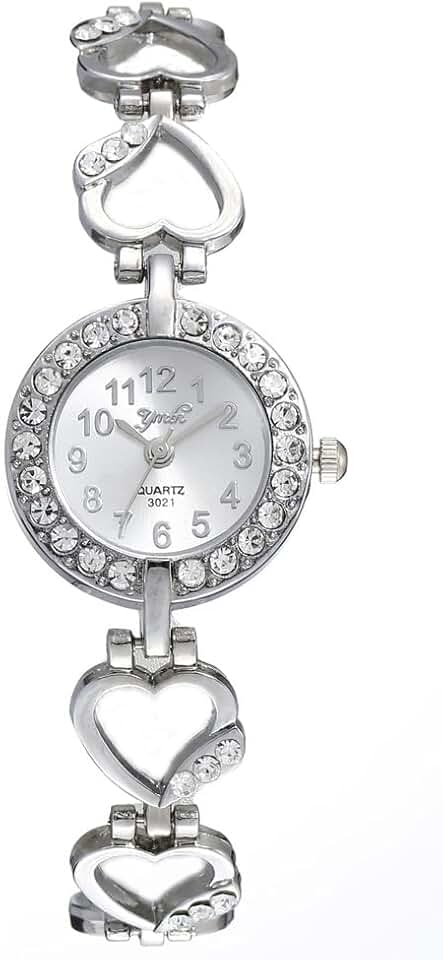
Below are specific models that capture this aesthetic, ranging from accessible skeletonizers to high-end independent pieces. These selections focus on clean lines, exposed mechanics, and the subtle use of color that defines the current landscape.


As an Amazon Associate, we may earn from qualifying purchases.
How to choose a minimalist timepiece
The shift toward smaller cases and skeletonized dials in 2026 requires a different buying approach than the bulky tool watches of the previous decade. Minimalism is no longer just about a clean face; it is about engineering transparency and wrist presence. When selecting your next piece, prioritize movement visibility, dial clarity, and case proportions that respect your wrist size.
Prioritize movement type
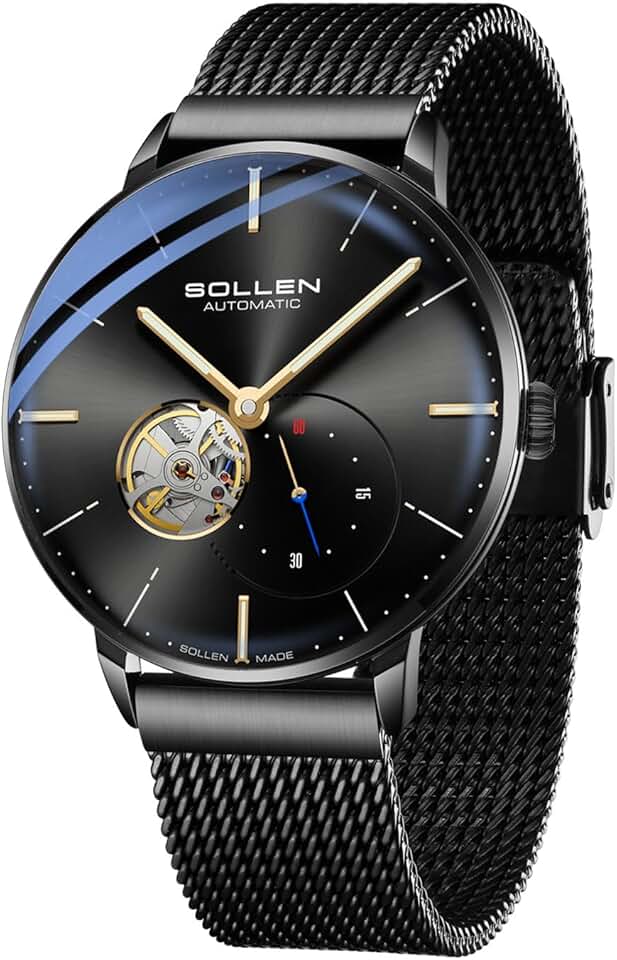
The defining trend for 2026 is the "skele-mode" aesthetic, where watchmakers expose the inner mechanics to create a sense of luxury and complexity. Unlike traditional minimalist watches that hide the movement, these pieces let you see the balance wheel and gears. This transparency adds visual weight, so a smaller case size (36mm–39mm) often feels more substantial than it actually is. If you prefer a cleaner look, stick to standard automatic movements with a date window at 3 o'clock, but be aware that fully exposed movements are the current status symbol.
Check dial legibility
Skeletonized dials can compromise readability if the bridges are too dense. Look for high-contrast indices and hands that remain distinct against the mechanical background. Matte black or silver dials with applied markers offer the best balance of minimalism and function. Avoid overly busy patterns or thin, uncoated hands that fade into the movement. The goal is a watch that looks intricate but tells time instantly.
Match case size to wrist
The industry is trending toward smaller cases, moving away from the 42mm+ dominance of the 2010s. For most wrists, a 36mm to 38mm case offers the best proportion with modern minimalist straps. If you have a larger wrist, a 40mm case with a thinner profile (under 12mm) will sit more comfortably than a thicker, larger watch. Always check the lug-to-lug distance, not just the diameter, to ensure the watch fits your wrist width without overhang.
| Feature | Case Size | Movement | Dial Style | Price Range |
|---|---|---|---|---|
| Skeleton Minimalist | 36–38mm | Exposed Automatic | Openworked | $1,500–$5,000 |
| Classic Minimalist | 38–40mm | Standard Automatic | Matte/Plain | $800–$2,500 |
| Ultra-Thin Dress | 34–36mm | Quartz/Auto | Clean/No Date | $1,000–$3,000 |

As an Amazon Associate, we may earn from qualifying purchases.
No comments yet. Be the first to share your thoughts!