
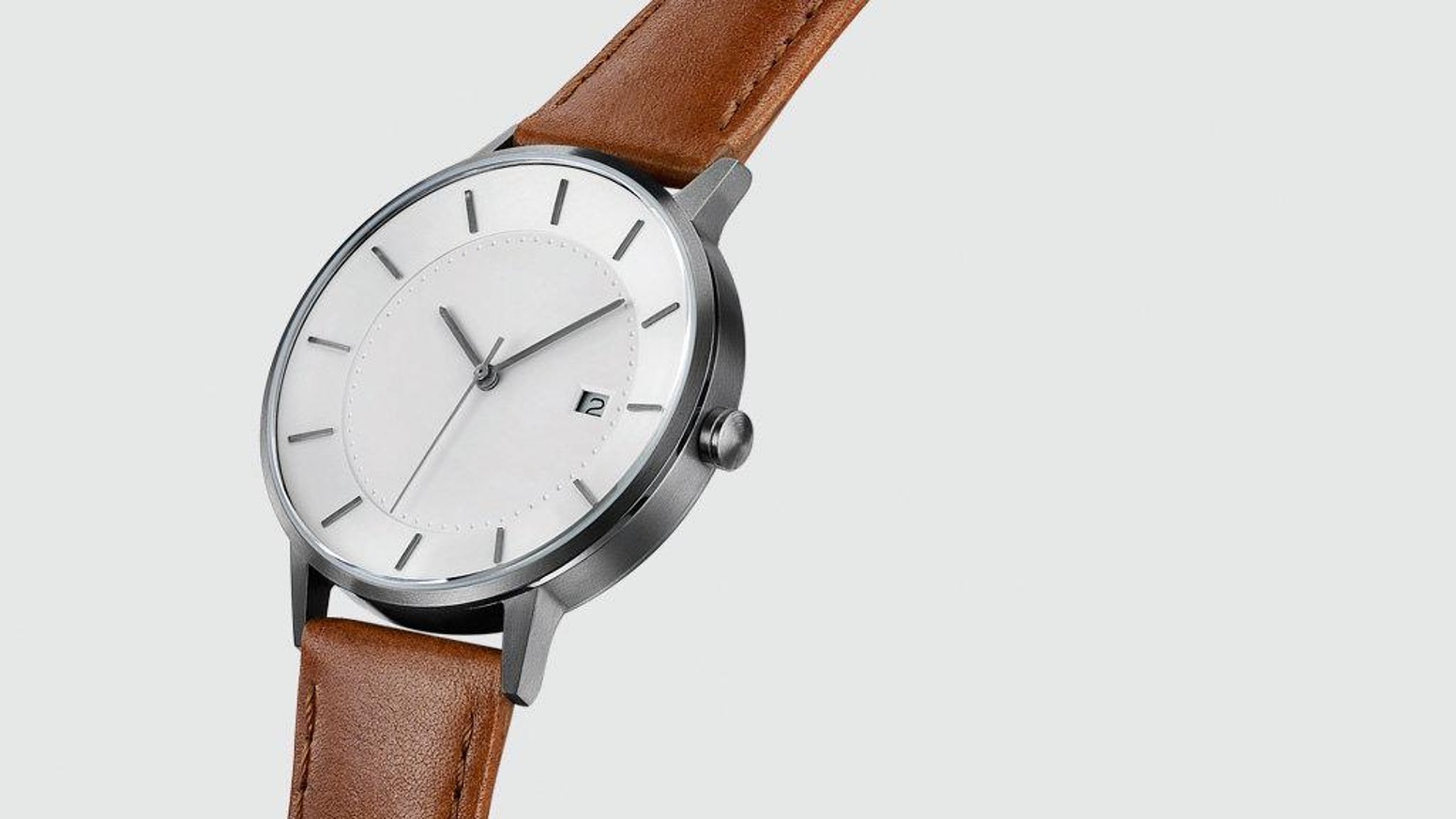
The shift to abstract dials
Abstract watch design in 2026 marks a decisive break from the utilitarian legibility that has dominated horology for over a century. We are moving away from traditional indices, clear hands, and predictable sub-dials toward artistic, geometric, and minimalist interpretations of time. This is not merely a stylistic choice; it is a redefinition of the wristwatch as a piece of wearable art rather than a strict instrument.
The modern abstract dial treats the face as a canvas. Designers are stripping away the noise of conventional markers, replacing them with textured surfaces, asymmetrical shapes, and unconventional materials. The focus shifts from "reading the time" to experiencing the passage of time through visual rhythm and light. This approach prioritizes aesthetic expression, turning the watch into a conversation piece that rewards closer inspection.
This trend is evident in the latest releases from Watches & Wonders, where brands are experimenting with depth, transparency, and negative space. Instead of a flat, readable plane, the dial becomes a layered landscape. Think of it less like a clock and more like a modern sculpture. The goal is to evoke emotion and curiosity, allowing the wearer to engage with the mechanism as a dynamic visual element.
Abstract watch picks for 2026
The 2026 landscape for abstract watch design favors pieces that prioritize geometric purity and structural honesty over traditional horological ornamentation. These selections represent the current vanguard of minimalist luxury, where the dial is treated as a canvas for negative space and the case serves as a refined frame.
The following picks highlight brands that have mastered the balance between avant-garde aesthetics and wearable elegance. Each piece strips away the unnecessary, leaving only the essential elements of timekeeping and form.
1. The Geometric Skeleton
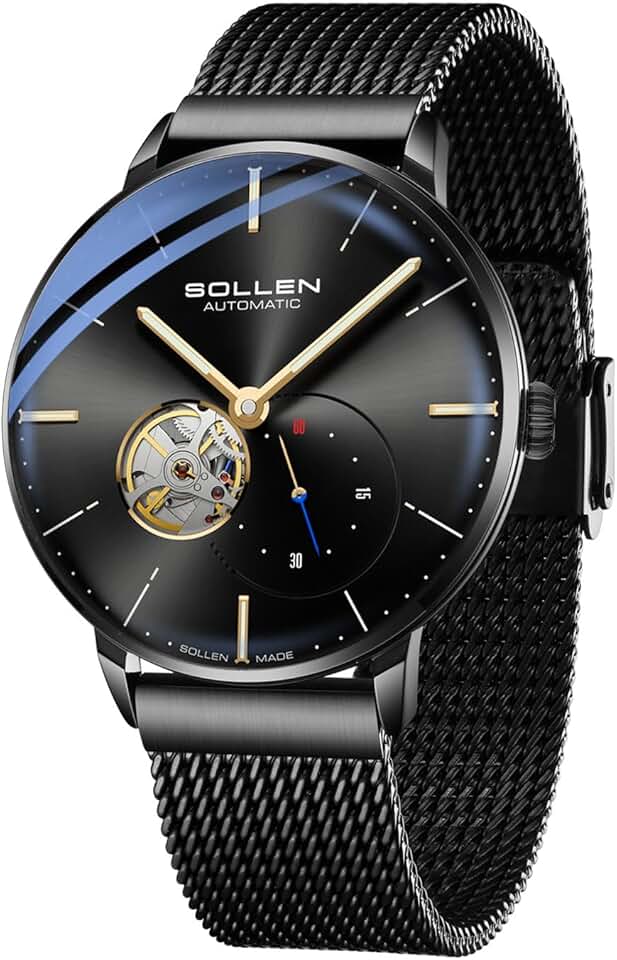
This style embraces the internal mechanics of the watch, revealing the movement through a dial that is largely open. The focus is on the interplay of polished and brushed metals, creating a sense of depth and precision. The case is typically tonal, allowing the intricate gears and bridges to serve as the primary visual interest.
These watches appeal to those who appreciate the engineering behind the design. The absence of a traditional dial transforms the timepiece into a piece of wearable architecture, suitable for both formal and creative professional settings.
2. The Monochromatic Dial
A solid, unadorned dial defines this category. Often found in matte black, deep navy, or soft cream, these watches rely on subtle texturing or a single contrasting element to create visual tension. The hands are typically slim and elongated, maximizing the negative space of the dial.
This approach to minimalist luxury is about restraint. It avoids the clutter of sub-dials or complex indices, offering a clean, uncluttered read that feels both modern and timeless. The emphasis is on the quality of the materials and the precision of the finishing.
3. The Asymmetric Case
Breaking from the traditional round or square, these designs feature cases with irregular geometry or offset crowns. The dial often follows suit, with indices or markers arranged in non-traditional patterns that challenge the eye.
This category is for the wearer who views a watch as a statement of individuality. The abstract nature of the design ensures that it stands out in a crowd, while the high-quality construction maintains its status as a luxury item.


As an Amazon Associate, we may earn from qualifying purchases.
Key design elements to look for
Abstract watch design in 2026 moves beyond simple minimalism into a realm of structural honesty and material experimentation. The defining characteristics are no longer just about reducing clutter, but about exposing the mechanics and reimagining the dial as a canvas for unconventional materials. When evaluating these timepieces, look for three specific visual markers: skeletonization that reveals the movement’s architecture, the use of non-traditional materials like ceramic or carbon, and non-traditional time-telling methods that prioritize artistic expression over immediate legibility.
Skeletonization and Openwork
Skeletonization is the process of removing excess material from a watch movement to reveal its inner workings. In 2026, this technique has evolved from a purely functional approach to a highly decorative one. Designers are using laser-cut bridges and hand-finished anglage to create watches that look like intricate jewelry. The visual impact comes from the play of light through the gears and springs, turning the mechanical heart of the watch into the primary aesthetic feature. This transparency invites the wearer to appreciate the engineering precision, making the watch a display of horological art rather than just a tool.
Unconventional Materials
The traditional use of steel and gold is being challenged by materials like zirconium, carbon fiber, and high-tech ceramics. These materials offer distinct visual properties: zirconium provides a deep, gunmetal hue that doesn’t fade, while carbon fiber offers a textured, matte finish that contrasts sharply with polished metal. Ceramic, particularly black or white zirconium oxide, provides a scratch-resistant surface with a smooth, almost porcelain-like feel. These materials are not just about durability; they change the weight, color, and tactile experience of the watch, allowing for designs that feel modern and industrial yet luxurious.
Non-Traditional Time-Telling
Abstract watches often abandon the traditional hour markers and hands in favor of more conceptual ways to read the time. This might include rotating discs, digital displays integrated into analog faces, or even light-based indicators. The goal is to engage the wearer in the act of reading the time, turning it into a small ritual. These methods often sacrifice some legibility for artistic merit, creating a piece that is as much a conversation starter as a functional accessory. The visual complexity of these dials adds depth and intrigue, making each watch unique in its approach to time.
Feature Comparison
The table below compares key design elements across three prominent abstract watch styles to help you identify the features that matter most to you.
| Feature | Skeletonization | Primary Materials | Legibility Style | Visual Impact |
|---|---|---|---|---|
| Openwork Dial | High | Steel, Titanium, Ceramic | Hands + Indexes | Mechanical Artistry |
| Minimalist Dial | None | Carbon Fiber, Zirconium | Hidden or Minimal | Quiet Luxury |
| Abstract Display | Low | Glass, Acrylic, Metal | Conceptual/Non-Traditional | Artistic Statement |
Styling Abstract Timepieces for Everyday Luxury
Abstract watch design in 2026 is less about telling time and more about wearing a piece of kinetic sculpture. These timepieces demand to be seen, which means they should anchor your outfit rather than blend into it. The goal is to let the dial and case architecture take center stage, using your clothing as a quiet gallery wall that frames the movement.
The Power of Negative Space
The most effective way to style an abstract watch is through negative space. Because these pieces often feature open-worked dials, asymmetrical markers, or bold geometric cases, they require a clean canvas. A solid-color shirt cuff—white, navy, or charcoal—provides the perfect contrast, allowing the intricate details of the watch to catch the light without visual competition. Avoid busy patterns or textured fabrics near the wrist; they will fight for attention with the watch’s complex design.
Elevating the Casual Uniform
Abstract timepieces have successfully bridged the gap between formal and casual wear. They pair exceptionally well with minimalist streetwear or smart-casual ensembles. Think of a structured blazer over a plain t-shirt, or a high-quality knit sweater with a slim fit. The watch acts as the "luxury" element in an otherwise understated outfit, elevating simple fabrics into something more deliberate and refined. This approach works because the watch’s artistic nature adds a layer of sophistication that standard dress watches might lack.
Occasion Appropriateness
While these watches are versatile, they shine brightest in social and creative settings. For business meetings, choose a piece with a more subdued abstract pattern or a monochromatic dial to maintain professionalism. For evening events or creative industries, don’t hesitate to choose a bold, colorful, or highly textured abstract design. The watch becomes a conversation starter, signaling an appreciation for art and design beyond mere functionality. As noted in recent industry edits, the best new watches of 2026 are those that balance technical precision with artistic expression, making them ideal for those who view accessories as extensions of their personal aesthetic.


As an Amazon Associate, we may earn from qualifying purchases.
No comments yet. Be the first to share your thoughts!