
The geometric dial comeback
The face of a luxury watch is finally shedding its duty as a mere clock. In 2026, abstract watch design has moved from niche artistic experimentation to the center stage of high horology. Manufacturers are no longer prioritizing immediate legibility; instead, they are treating the dial as a canvas for geometric abstraction and tactile depth. This shift signals a broader change in luxury values, where the object’s aesthetic complexity outweighs its utility as a time-telling device.
This trend is defined by a departure from the clean, minimalist dials that dominated the 2010s. Today’s most compelling pieces use negative space, layered materials, and sharp angular cuts to create visual tension. The dial becomes an architectural element rather than a display screen. This approach rewards closer inspection, inviting the wearer to appreciate the craftsmanship of the layout itself. It is a deliberate move away from the "readable at a glance" standard that has governed watch design for over a century.
The influence of contemporary art and modernist architecture is visible in the latest releases. Brands are experimenting with off-center subdials, fragmented hour markers, and asymmetrical layouts that challenge the traditional 12-6 axis. These designs often require the reader to engage with the watch actively, piecing together the time from scattered visual cues. The result is a timepiece that functions as much as a wearable sculpture as it does as a chronometer.
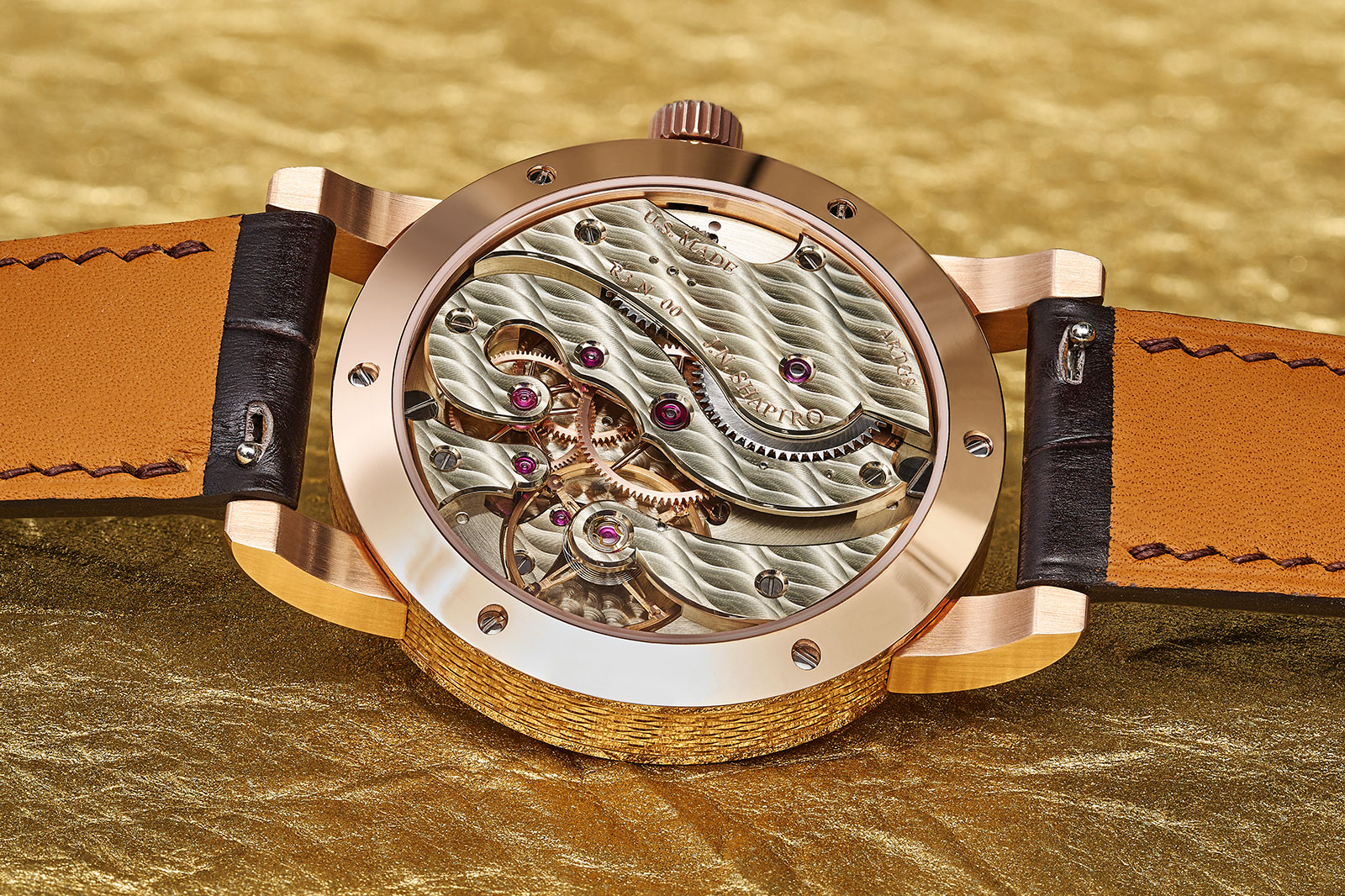
J. N. Shapiro’s Resurgence exemplifies this geometric shift. The piece features a dial that plays with perspective and depth, using sharp lines and contrasting textures to create a dynamic surface. It is not designed for quick glances but for sustained observation. This kind of bold, artistic dial work is becoming the defining characteristic of the year’s most talked-about luxury releases.
As we look at the broader market, this geometric revival is part of a larger movement toward bolder dial designs. According to industry predictions for 2026, consumers are seeking pieces with more texture, color, and structural complexity. The dial is no longer a passive background; it is the primary focus of the watch’s identity. This trend is particularly evident in independent and microbrand releases, which are pushing the boundaries of what a watch face can look like.
For collectors and enthusiasts, this shift offers a refreshing change from the homogenized designs of recent years. It encourages a deeper appreciation for the artistry involved in watchmaking. As we explore the top picks for 2026, we will see how major brands and independent makers alike are embracing this geometric renaissance to create timepieces that are as visually striking as they are mechanically precise.
Top avant-garde timepieces of 2026
The shift toward abstract watch design 2026 is no longer just about minimalism or clean lines. It is about breaking the traditional relationship between the dial and the time-telling mechanism. In 2026, the most compelling luxury pieces treat the watch face as a canvas for geometric exploration, often obscuring the hands or reimagining the dial as a structural element rather than a simple display window. These are not novelty items; they are serious horological statements that prioritize artistic form alongside mechanical precision.
J.N. Shapiro Resurgence
The J.N. Shapiro Resurgence exemplifies this trend by completely removing the traditional dial. Instead of a flat surface with printed indices, the watch features a three-dimensional, abstract arrangement of components that float above the movement. The hour and minute markers are distinct geometric shapes that rotate independently, creating a dynamic, almost sculptural effect. This design forces the wearer to engage with the timepiece as an object of art first and a tool second. The visual complexity of the Resurgence demonstrates how abstract design can coexist with legibility, provided the geometric logic is sound.
Van Cleef & Arpels Planetarium
For those seeking a more poetic interpretation of abstract geometry, the Van Cleef & Arpels Planetarium remains a benchmark. While not a new release, its continued prominence in 2026 discussions highlights the enduring appeal of celestial abstraction. The dial is not a map of the sky but an artistic rendering of it, using gold planets and stars that move in a synchronized, abstract dance. The hour is indicated by the position of the sun, and the minutes by the moon, but the overall effect is one of cosmic geometry rather than precise astronomical tracking. This piece proves that abstract design can be luxurious and intricate without relying on standard industrial aesthetics.
Ulysse Nardin Classico Skeleton
Ulysse Nardin’s approach to abstract design in 2026 leans heavily into the skeletonization trend, but with a geometric twist. The Classico Skeleton series removes the dial entirely, exposing the movement’s bridges and gears. However, these components are not just functional; they are machined with sharp, angular lines that create a negative-space aesthetic. The hands are often slender and minimalist, designed to cut through the visual noise of the exposed mechanics. This design choice turns the internal complexity of the watch into the primary visual feature, abstracting the concept of time into a study of engineering and light.
Breguet Classique Moon Phase
Breguet continues to refine the abstract aesthetic through its use of grand feu enamel and geometric dials. The Classique Moon Phase often features a dial that is less a window to the sky and more a study in contrast and form. The moon itself is rendered in gold, set against a deep blue enamel background that is textured to resemble the night sky without depicting it literally. The hands are Breguet’s signature dauphine shape, adding a layer of geometric elegance that complements the abstract nature of the dial. This approach shows how traditional brands are adapting to the 2026 trend by simplifying their visual language.
Cartier Crash
No discussion of abstract watch design is complete without mentioning the Cartier Crash. Though it has been around for decades, its resurgence in 2026 is a testament to its enduring power as an abstract object. The melted case and distorted dial are the ultimate rejection of geometric perfection, embracing chaos and asymmetry. In a year where many brands are doubling down on clean lines, the Crash stands out as a reminder that abstraction can also mean disruption. It is a piece that defies categorization, serving as both a timepiece and a piece of wearable sculpture.



As an Amazon Associate, we may earn from qualifying purchases.
Comparing geometric dial approaches
Abstract watch design in 2026 has moved beyond simple minimalism into distinct geometric languages. Understanding these styles helps you choose a piece that matches your aesthetic rather than just your budget. The shift is not about complexity for its own sake, but about how light interacts with structured surfaces.
Minimalist geometry
This approach relies on negative space and clean lines. The dial feels uncluttered, using subtle depth rather than intricate patterns. It is ideal for those who prefer a modern, understated look that transitions easily from casual to formal settings.
Complex lattice structures
Lattice dials introduce overlapping planes and repeating motifs. These designs create visual depth that changes as you move. The result is a dynamic surface that feels architectural, often using guilloché techniques or laser-etched patterns to catch light from multiple angles.
Asymmetric compositions
Asymmetry breaks the traditional radial symmetry of watch dials. Elements are offset to create tension and movement. This style is bold and artistic, often found in independent or avant-garde brands that prioritize unique character over conventional harmony.
| Design Style | Visual Focus | Best For | Material Trend |
|---|---|---|---|
| Minimalist | Clean lines, negative space | Everyday wear, formal settings | Polished steel, matte black |
| Lattice | Depth, repeating patterns | Statement pieces, collectors | Guilloché, textured titanium |
| Asymmetric | Tension, movement | Artistic expression, unique tastes | Mixed metals, ceramic |
These approaches define the core of abstract watch design 2026. Whether you prefer the quiet confidence of minimalism or the bold architecture of lattice structures, the key is finding a geometric language that speaks to you. The following product grid showcases current models that exemplify these styles.
What to know about buying abstract watch design 2026
The shift toward geometric and abstract dial layouts in 2026 requires a different approach to selection than traditional horology. When the hour markers are fragmented or the hands are stylized, legibility becomes the primary constraint. Buyers should prioritize models where the abstraction enhances the aesthetic without sacrificing the ability to read the time at a glance. A well-executed abstract design uses contrast and spacing to guide the eye, turning a functional tool into a piece of wearable art.
Investment value in abstract designs often hinges on the brand's heritage and the distinctiveness of the movement. While smartwatches like the rumored Apple Watch Ultra 4 focus on efficiency and health metrics, mechanical abstract pieces are valued for their craftsmanship. The 2026 landscape sees a divergence: tech-forward models prioritize battery life and new sensors, while luxury pieces emphasize the geometric complexity of the dial and case architecture.
When evaluating these timepieces, look for concrete details in the finishing. The interplay between light and the abstract elements—such as sunburst patterns intersecting with geometric cutouts—determines the watch's presence on the wrist. Avoid designs that rely solely on novelty; the best abstract watches from 2026 balance artistic intent with enduring style.
No comments yet. Be the first to share your thoughts!