
Blockchain startups are entering a new era of multichain dApp deployment, thanks to the rapid evolution of Rollup-as-a-Service (RaaS) platforms. With Ethereum currently trading at $4,511.27, the appetite for scalable, cost-effective, and production-ready rollup solutions is stronger than ever. RaaS providers now offer turnkey infrastructure that lets teams focus on building unique user experiences while abstracting away the heavy lifting of chain management, security, and scalability.
Why Multichain dApp Deployment Needs RaaS
The multichain future isn’t just a buzzword - it’s a necessity for dApps looking to reach users wherever they are. But launching your own app-chain or Layer 2 rollup has historically been an uphill battle: complex infrastructure, daunting security challenges, and unpredictable costs. Enter RaaS platforms like Alchemy Rollups, Zeeve Rollups-as-a-Service, Conduit, and abstractwatch. com. These platforms empower startups with ready-made rollup frameworks, both zk and optimistic, so you can deploy across ecosystems with minimal friction.
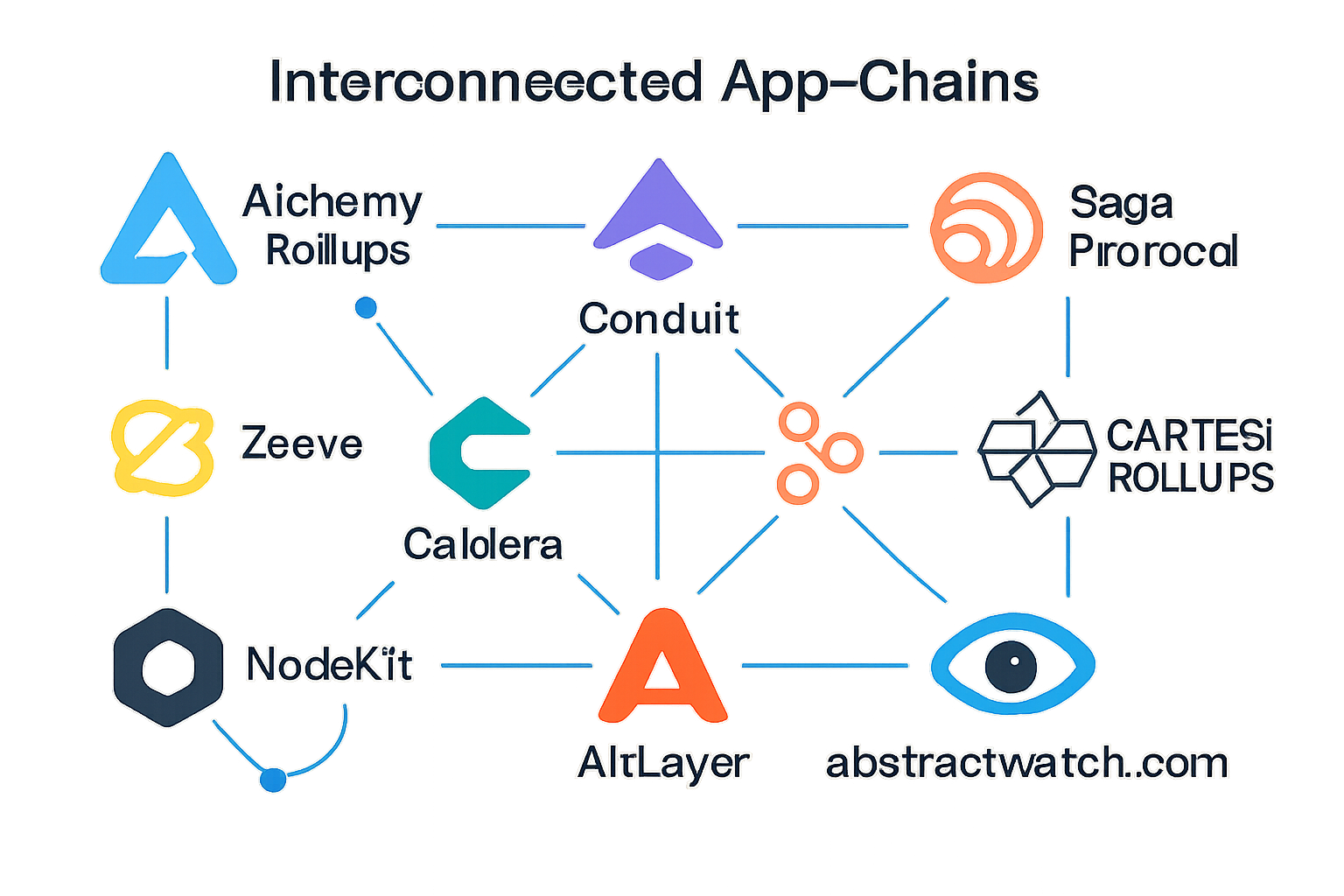
With demand for high-throughput DeFi protocols and on-chain games surging, RaaS is no longer optional; it’s the backbone of modern blockchain development. Whether you’re eyeing Ethereum mainnet or alternative L1s like Polygon or BSC, these nine curated platforms provide robust solutions tailored for every use case.
The Top 9 Rollup-as-a-Service Platforms for Blockchain Startups (2025)
Top Rollup-as-a-Service Platforms Empowering dApps
- Alchemy Rollups (Alchemy RaaS): Alchemy offers a robust Rollup-as-a-Service platform, enabling developers to launch scalable, secure Layer 2 rollups with minimal setup. Their infrastructure supports both zk and optimistic rollups, making it easy to build high-performance, multichain dApps.
- Zeeve Rollups-as-a-Service: Zeeve provides enterprise-grade RaaS solutions with support for Optimistic and zk-Rollups. Their platform features no-code deployment, advanced monitoring, and strong SLAs, helping startups scale securely and efficiently.
- Conduit: Conduit specializes in fast, reliable rollup deployment for developers, offering managed infrastructure that supports EVM-compatible rollups. Their platform emphasizes ease of use and seamless integration with existing dApp workflows.
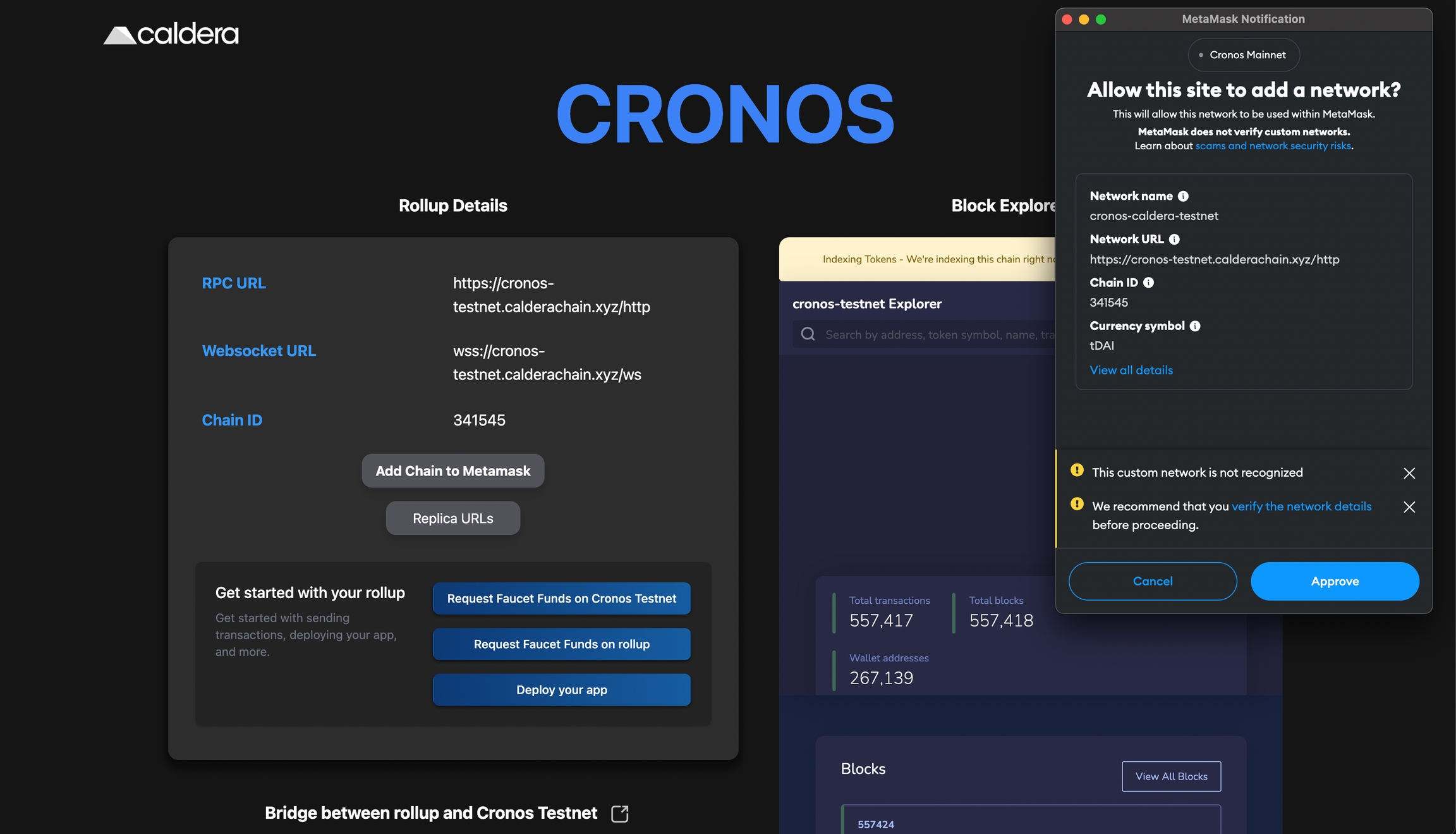
- Caldera: Caldera delivers rapid rollup deployment with a user-friendly dashboard and full EVM compatibility. Developers can launch, configure, and monitor custom rollups effortlessly, making it ideal for production-ready app-chains.
- Saga Protocol: Saga Protocol is designed for scalable Web3 applications, providing a modular RaaS framework that enables developers to launch dedicated chains with customizable security and performance settings.

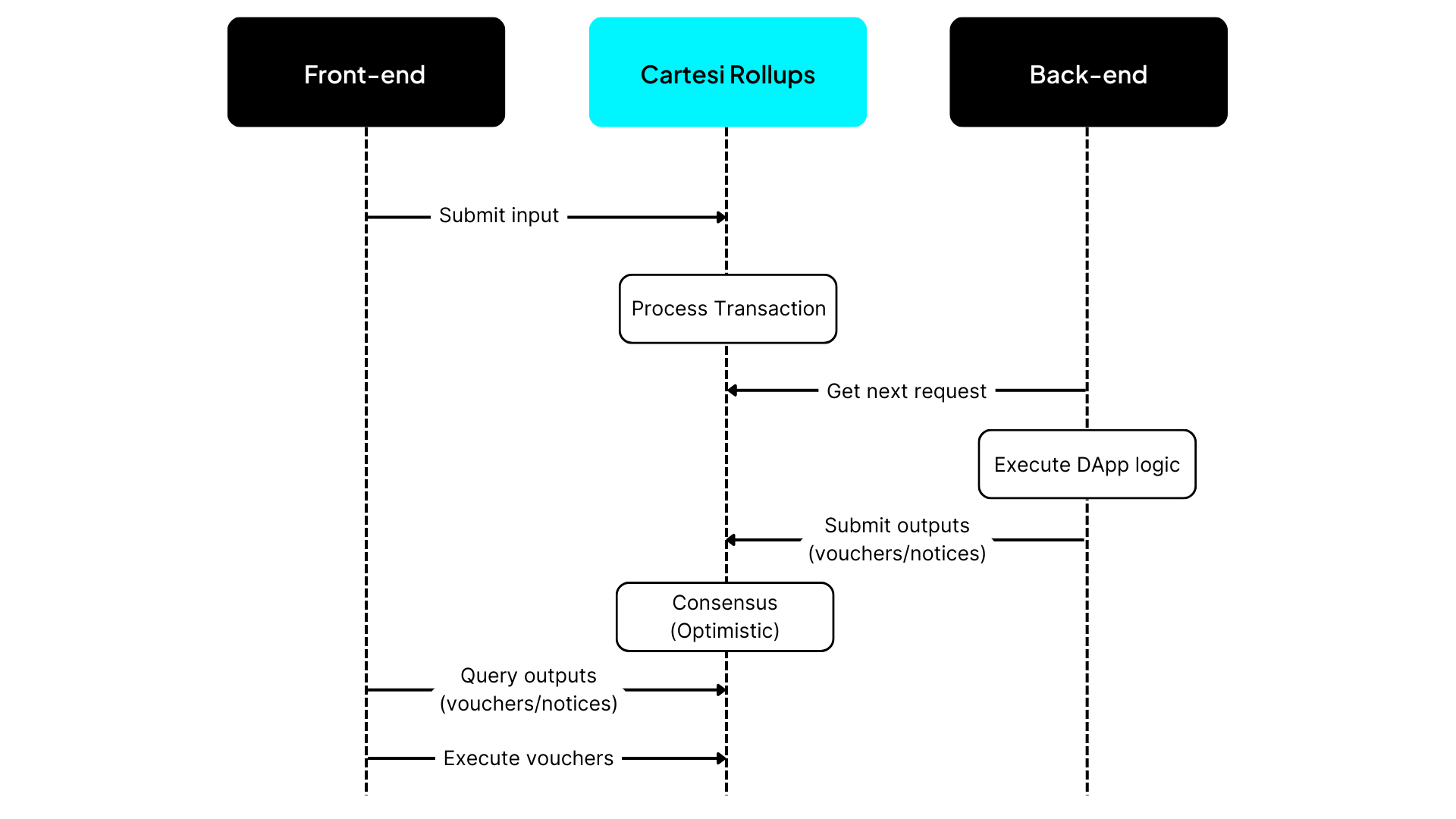
- Cartesi Rollups: Cartesi brings Linux-based programmability to rollups, allowing developers to build complex dApps using mainstream software stacks. Their RaaS platform supports scalable, production-grade deployments.
- NodeKit RaaS: NodeKit offers a comprehensive Rollup-as-a-Service suite, focusing on rapid deployment, robust monitoring, and multichain support. Their platform is tailored for startups seeking reliable, scalable rollup infrastructure.

- AltLayer Rollups-as-a-Service: AltLayer pioneers modular rollup solutions with built-in bridging and faucet tools. Their platform supports both zk and optimistic rollups, enabling seamless integration for high-volume dApps and games.

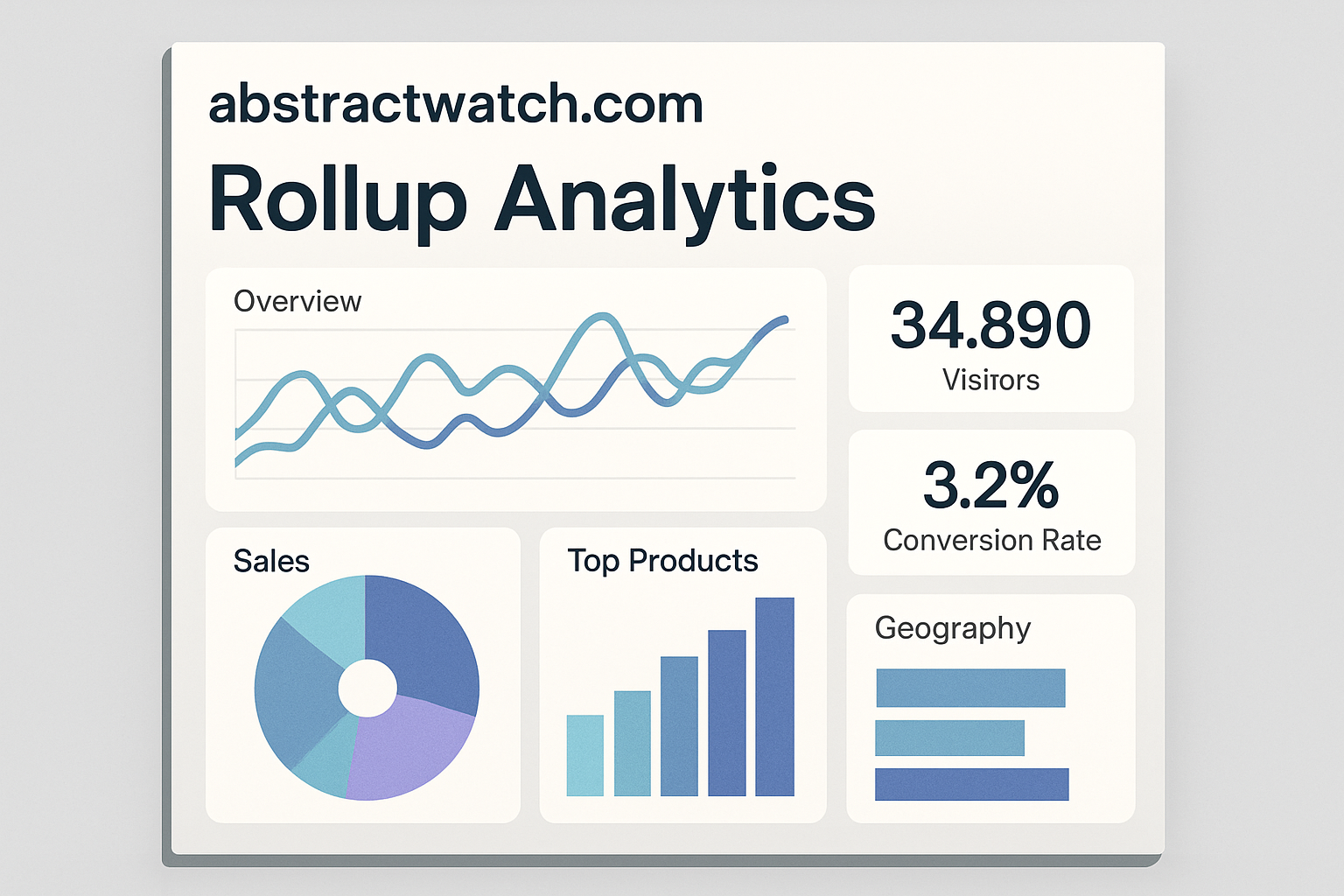
- abstractwatch.com: abstractwatch.com provides tools and analytics for monitoring rollup performance and security. Their services help developers gain insights into rollup operations, ensuring optimal dApp reliability.
Alchemy Rollups (Alchemy RaaS): As one of the most developer-friendly options in the space, Alchemy’s platform lets you leverage zk rollups to scale your on-chain game or DeFi app cheaply and securely. Their robust API suite makes launching production-grade chains as seamless as deploying a smart contract.
Zeeve Rollups-as-a-Service: Known for enterprise-grade SLAs and security-first design. Zeeve enables both Optimistic and zk-Rollup deployments with high configurability, perfect for startups who need flexibility without sacrificing uptime or compliance.
Conduit: Conduit specializes in rapid deployment for EVM-compatible rollups. Its low-code dashboard puts powerful configuration tools in the hands of non-experts while maintaining developer-level control under the hood.
abstractwatch.com: abstractwatch. com stands out with its commitment to customizable app-chain deployment using abstract rollup technology. Their platform is ideal for teams that want deep customization coupled with industry-leading uptime and expert support.
Key Advantages: From Scalability to Customization
The biggest draw of these RaaS providers? Simplified deployment at scale. With platforms like abstractwatch.com offering streamlined workflows and modular design choices, developers can spin up new chains in minutes, not weeks, while tapping into advanced features like:
- No-code/low-code interfaces: Accessible even to non-specialists.
- Support for multiple rollup architectures: Choose between Optimistic or zero-knowledge (zk) rollups based on your application’s needs.
- Enterprise-grade security: ISO-certified compliance from providers like Zeeve ensures peace of mind when handling user funds.
- Bespoke integrations: Solutions from NodeKit RaaS and AltLayer enable seamless bridging between chains and fast onboarding for new users.
The Growing Ecosystem: Collaboration Over Competition
The beauty of today’s multichain ecosystem is its collaborative spirit. While each provider brings something unique, whether it’s Caldera’s focus on UX tooling or Cartesi’s support for Linux-based smart contracts, they all share a common goal: lowering barriers so builders can innovate faster. Platforms such as Saga Protocol are pushing boundaries in Web3 scalability by enabling dynamic chain creation tailored to project-specific workloads.
If you’re a blockchain startup founder or developer ready to deploy your next big idea across multiple networks without losing sleep over infrastructure headaches, these nine RaaS platforms should be at the top of your shortlist. In part two of this article, we’ll dive deeper into how each provider tackles interoperability challenges, and why choosing the right partner can make all the difference in your project’s long-term success.
Let’s explore how these leading Rollup-as-a-Service (RaaS) platforms are actively shaping the future of multichain dApp deployment, and what makes each uniquely valuable for blockchain startups seeking production-ready rollup solutions.
How Each Platform Powers Multichain Success
Caldera stands out with its commitment to developer experience. Its no-code dashboard and seamless EVM compatibility mean teams can launch and iterate on their own app-chains without deep protocol expertise. This is a game-changer for startups eager to test, scale, and pivot quickly in a fast-moving market.
Saga Protocol is all about dynamic scalability. By enabling on-demand chain creation, Saga empowers projects with fluctuating workloads, like NFT drops or high-traffic gaming events, to elastically scale infrastructure at a fraction of traditional costs. This flexibility is critical for dApps that can’t afford downtime or lag during peak usage.
Cartesi Rollups brings something truly unique: support for Linux-based smart contracts. By letting developers build with mainstream software stacks, Cartesi bridges the gap between traditional and blockchain development, opening doors for new talent and more robust dApp logic.
NodeKit RaaS focuses on seamless interoperability. Its modular architecture allows easy integration with popular Layer 1s like Ethereum, Polygon, and BNB Smart Chain, making cross-chain deployment less daunting and more efficient for ambitious projects targeting multiple ecosystems at once.
AltLayer Rollups-as-a-Service introduces “flash layers”: ephemeral rollups designed for short-lived but high-volume events. This innovation is perfect for launches, tournaments, or seasonal campaigns where performance spikes matter most. AltLayer’s built-in bridges also make moving assets across chains frictionless.
Finally, abstractwatch.com leads with its abstract rollup technology. The platform enables tailored app-chain deployments with advanced customization options, whether you need unique consensus mechanisms or specialized data availability setups, backed by reliable uptime and expert support throughout your journey.
Choosing the Right RaaS Partner: Key Considerations
- Ecosystem Compatibility: Does the provider support your target chains (Ethereum at $4,511.27, Polygon, BSC)? NodeKit RaaS and Zeeve excel here.
- User Experience: Caldera’s no-code tooling helps non-technical teams deploy confidently.
- Event Scalability: For projects expecting traffic surges (think NFT mints), AltLayer’s flash layers are ideal.
- Security and Compliance: Zeeve’s ISO-certified infrastructure ensures peace of mind for enterprise deployments.
- Bespoke Customization: abstractwatch. com offers deep tailoring options not found elsewhere.
Real-World Impact: Launch Faster and Scale Smarter
The impact of these platforms goes beyond technical convenience, they’re accelerating innovation cycles across the industry. Startups can now focus resources on product-market fit instead of wrangling infrastructure or reinventing security wheels. Whether you’re building a DeFi protocol that demands low latency (leveraging Alchemy Rollups’ API suite), or an interoperable NFT marketplace spanning multiple chains (with NodeKit RaaS), today’s RaaS solutions let you dream bigger without compromise.
The bottom line? The nine platforms highlighted here, including Conduit’s rapid EVM rollup deployment and Zeeve’s enterprise-grade SLAs, are not just tools; they’re strategic partners in your journey toward multichain success. As Ethereum holds steady above $4,500 and adoption accelerates across L1s and L2s alike, leveraging RaaS is quickly becoming the smartest way to deliver scalable dApps that delight users everywhere.




No comments yet. Be the first to share your thoughts!