

Blockchain startups face a critical challenge: how to deploy scalable, secure, and user-friendly app-chains without becoming mired in infrastructure complexity. The rise of abstract rollup technology is fundamentally changing this landscape, offering a streamlined path for projects aiming to leverage the next generation of blockchain scalability.
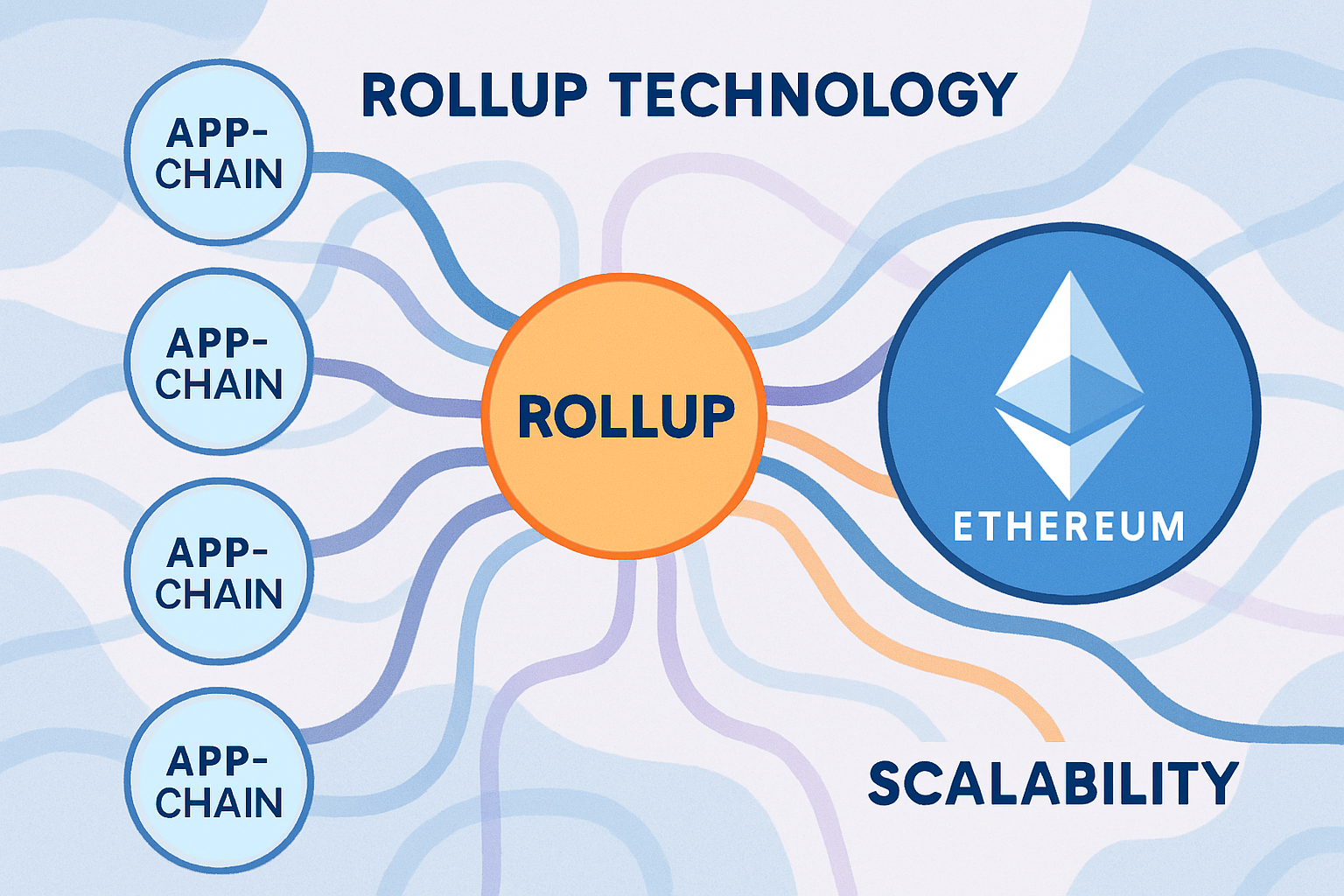
Abstract Rollups: The Engine Behind Modular Blockchain Deployment
Rollups are not just another scaling solution; they represent a paradigm shift in how decentralized applications (dApps) interact with blockchains. In the modular era, rollups act as virtual blockchains, providing simulated environments where smart contracts execute as if on a dedicated chain. This abstraction layer allows developers to focus on application logic while the underlying rollup manages transaction batching, proof generation, and security guarantees.
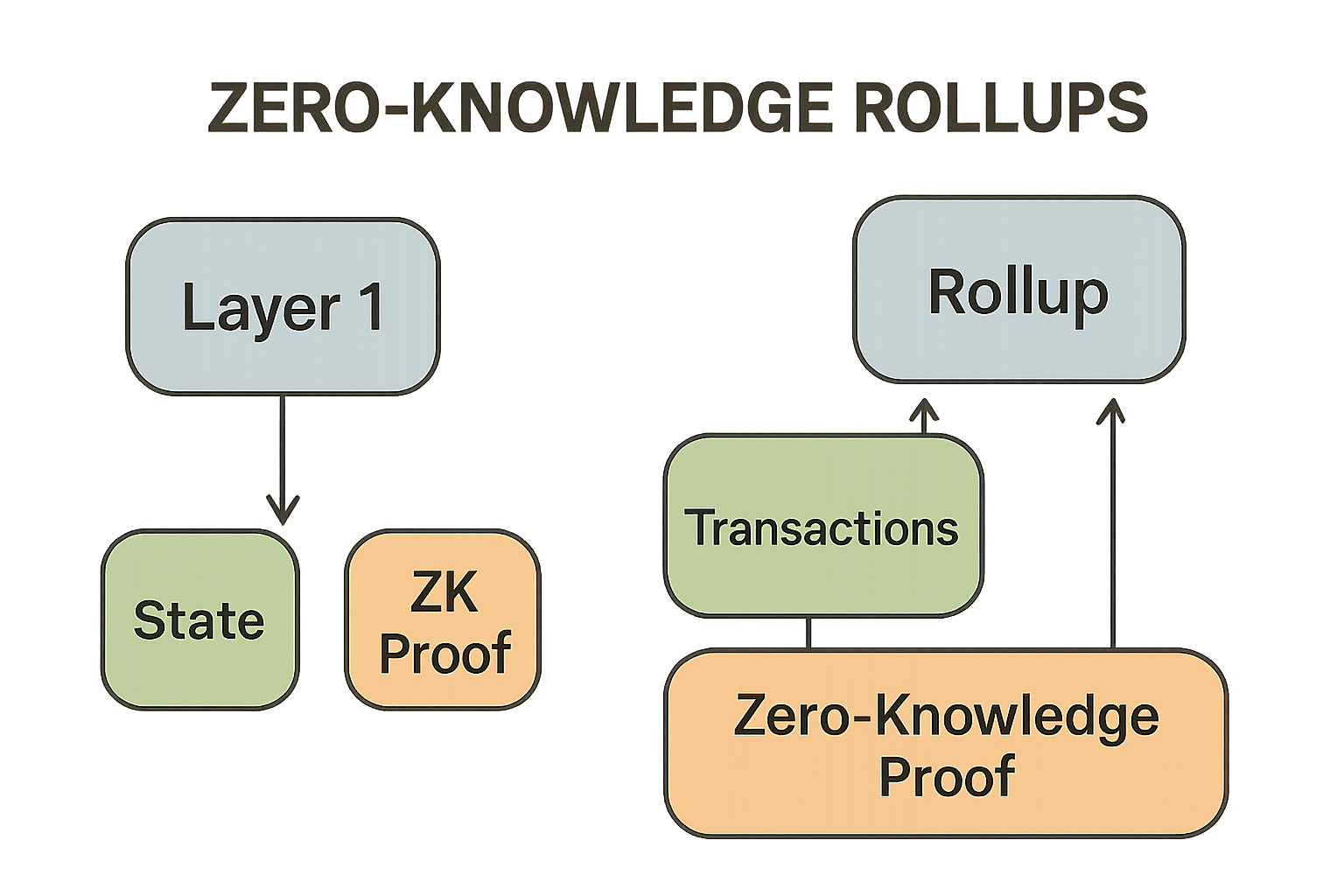
Abstract Rollup Technology, especially those leveraging zero-knowledge (ZK) proofs, processes transactions off-chain and submits succinct proofs to Ethereum. This approach dramatically increases throughput and reduces costs while inheriting Ethereum’s robust security model. According to recent research from placeholder. vc and abstractchain. org, these ZK-rollups are powering consumer-focused crypto applications at scale.
Simplifying App-Chain Deployment for Startups
Traditionally, launching an app-chain required expertise in consensus mechanisms, networking, node management, and ongoing maintenance. Abstract rollup frameworks remove these barriers by providing:
Key Features of Abstract Rollup Technology for Startups
- Zero-Knowledge Rollups for Enhanced Scalability: Abstract Rollup Technology leverages zero-knowledge (ZK) rollups to process transactions off-chain and submit succinct proofs to Ethereum, significantly increasing throughput and reducing transaction costs while maintaining robust security guarantees.
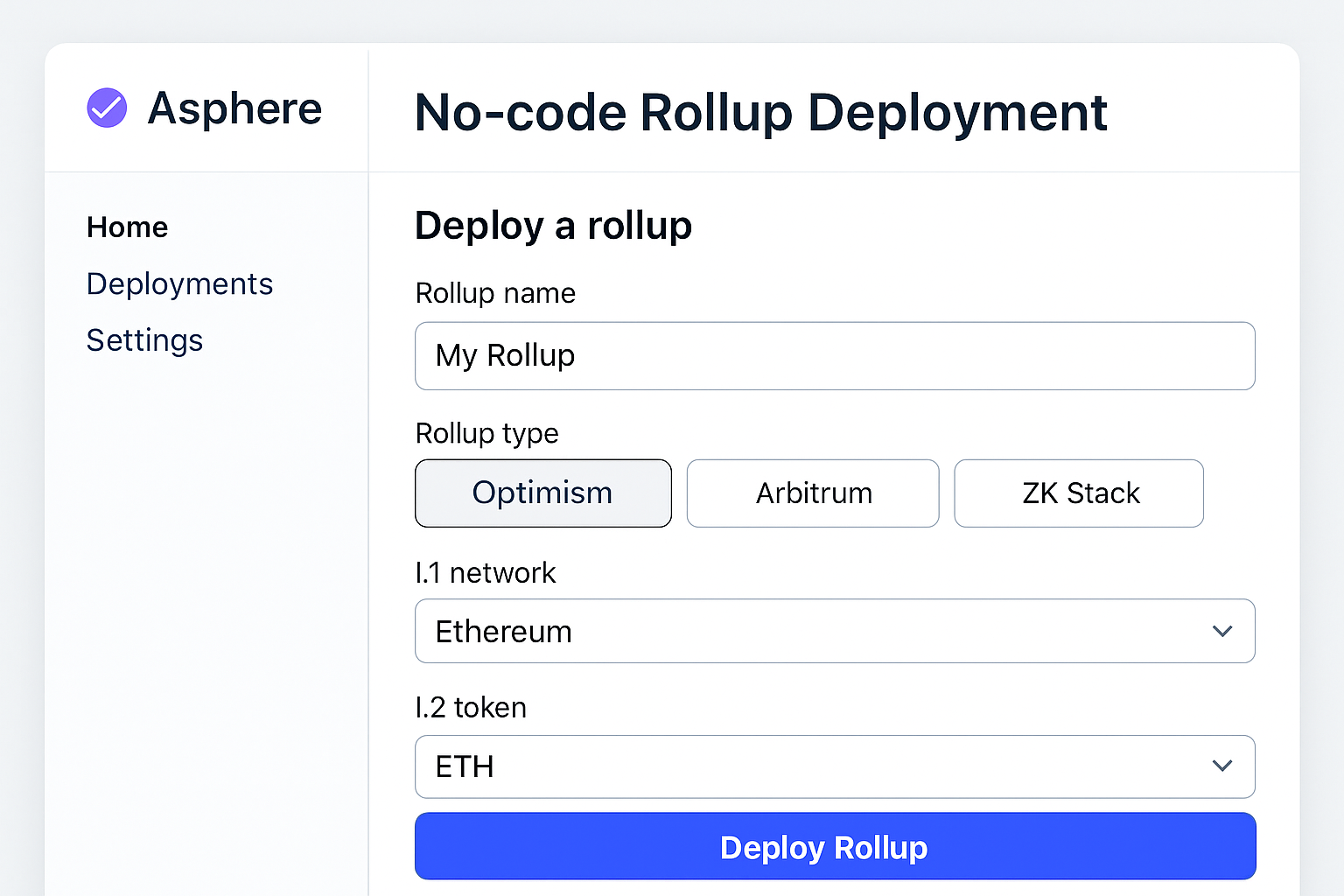
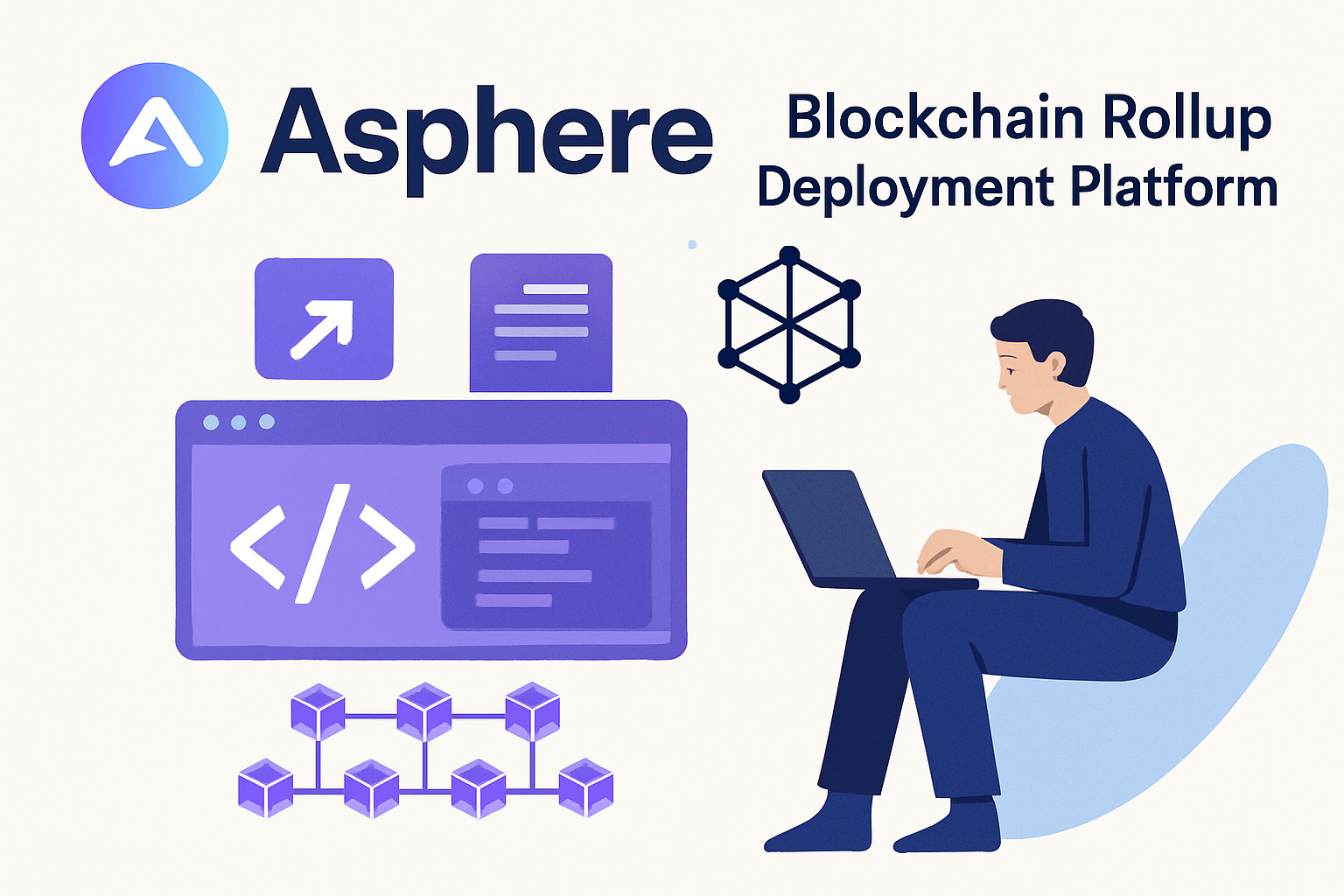
- No-Code Deployment Platforms: Solutions like Asphere offer intuitive, no-code rollup deployment frameworks, allowing startups to launch customized app-chains in minutes without deep blockchain expertise.
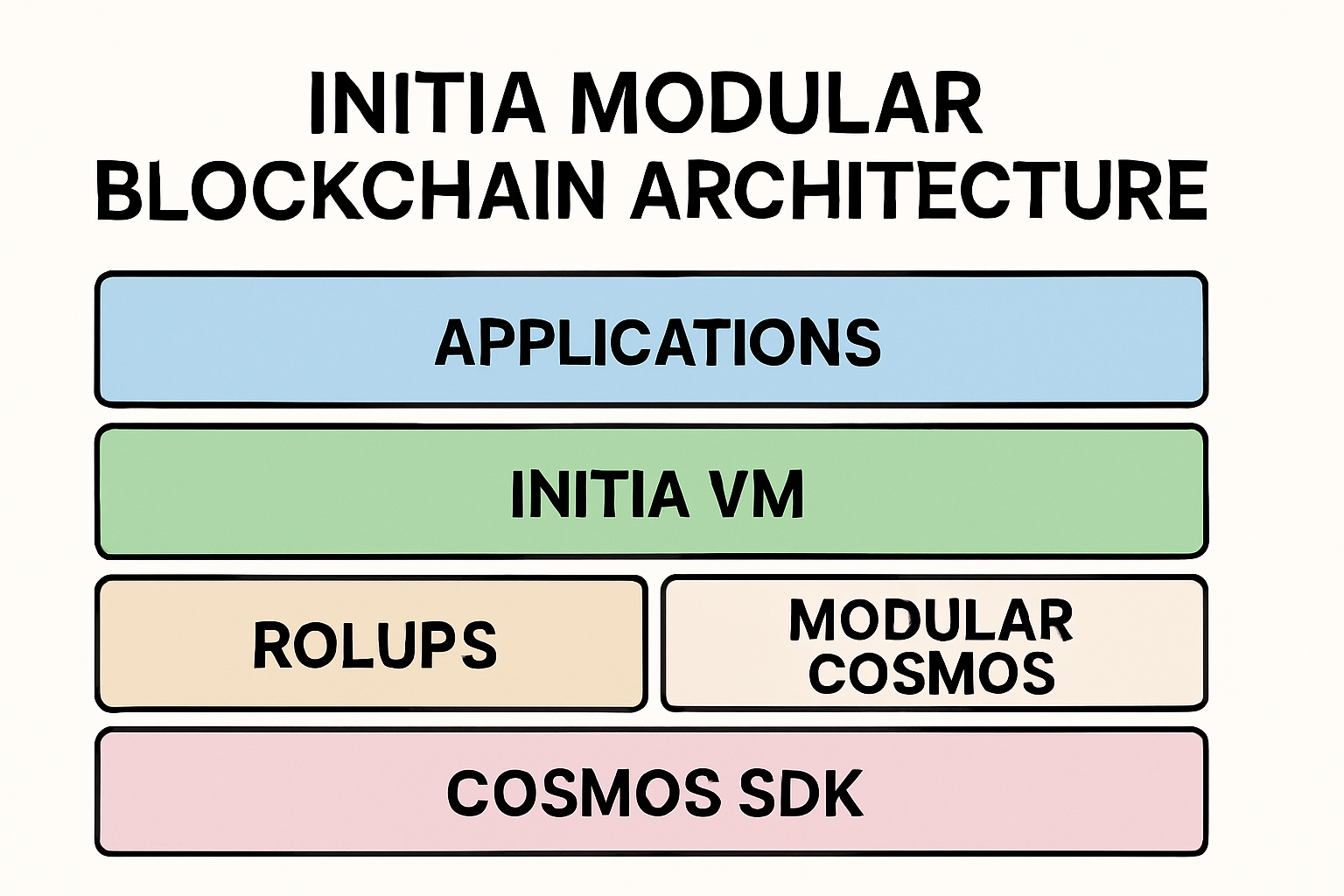
- Modular and Customizable Architecture: Platforms such as Initia enable startups to tailor app-chains with bespoke economic models, consensus mechanisms, and application logic, supporting diverse use cases and business requirements.
- Managed Rollups-as-a-Service (RaaS): Providers like Zeeve deliver end-to-end managed infrastructure for rollup deployment, handling technical complexities so startups can focus on product development and user experience.
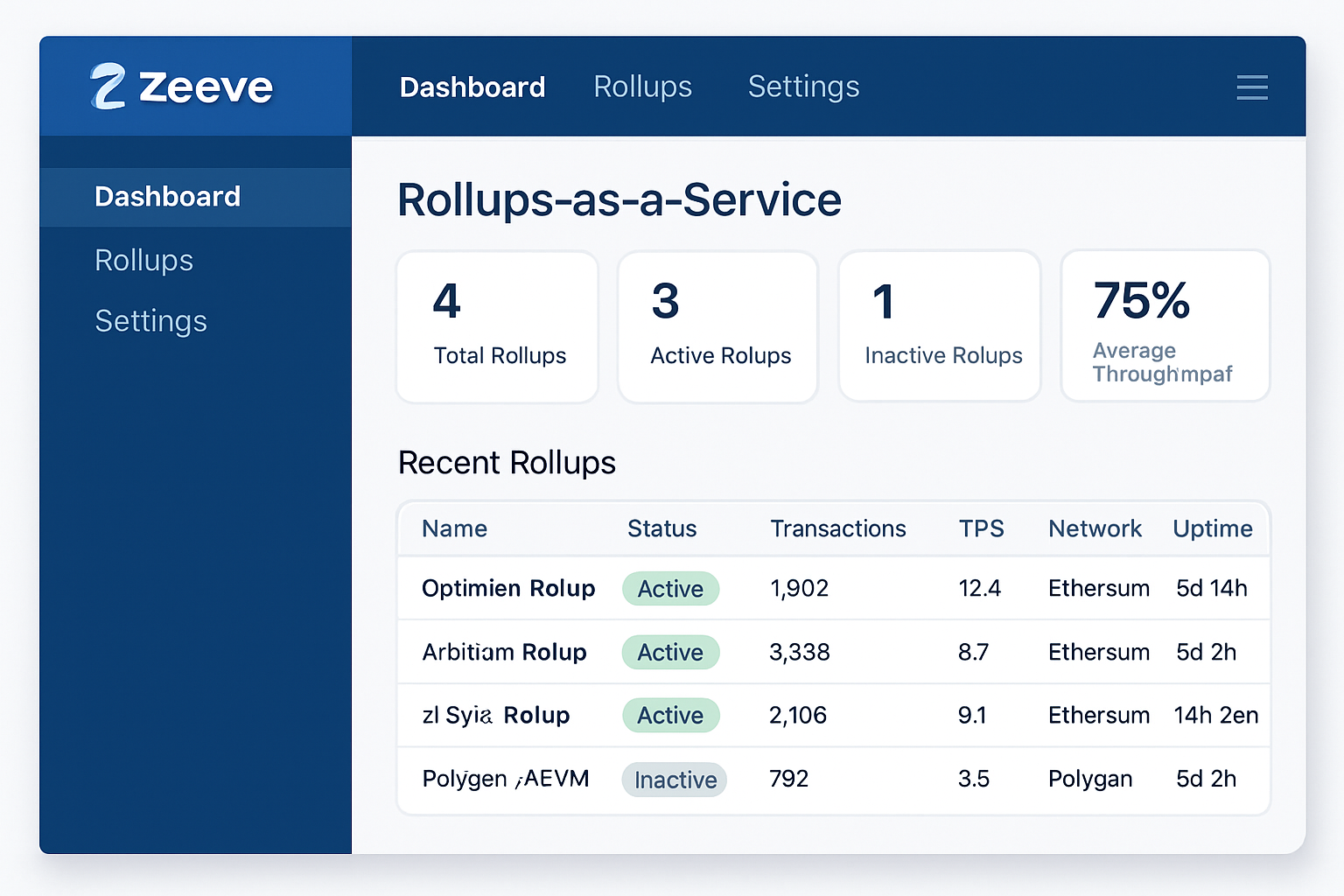
- Accelerated Time-to-Market: Pre-built frameworks and managed services dramatically reduce the time required to launch and iterate on app-chains, enabling startups to quickly adapt to market feedback and scale operations efficiently.
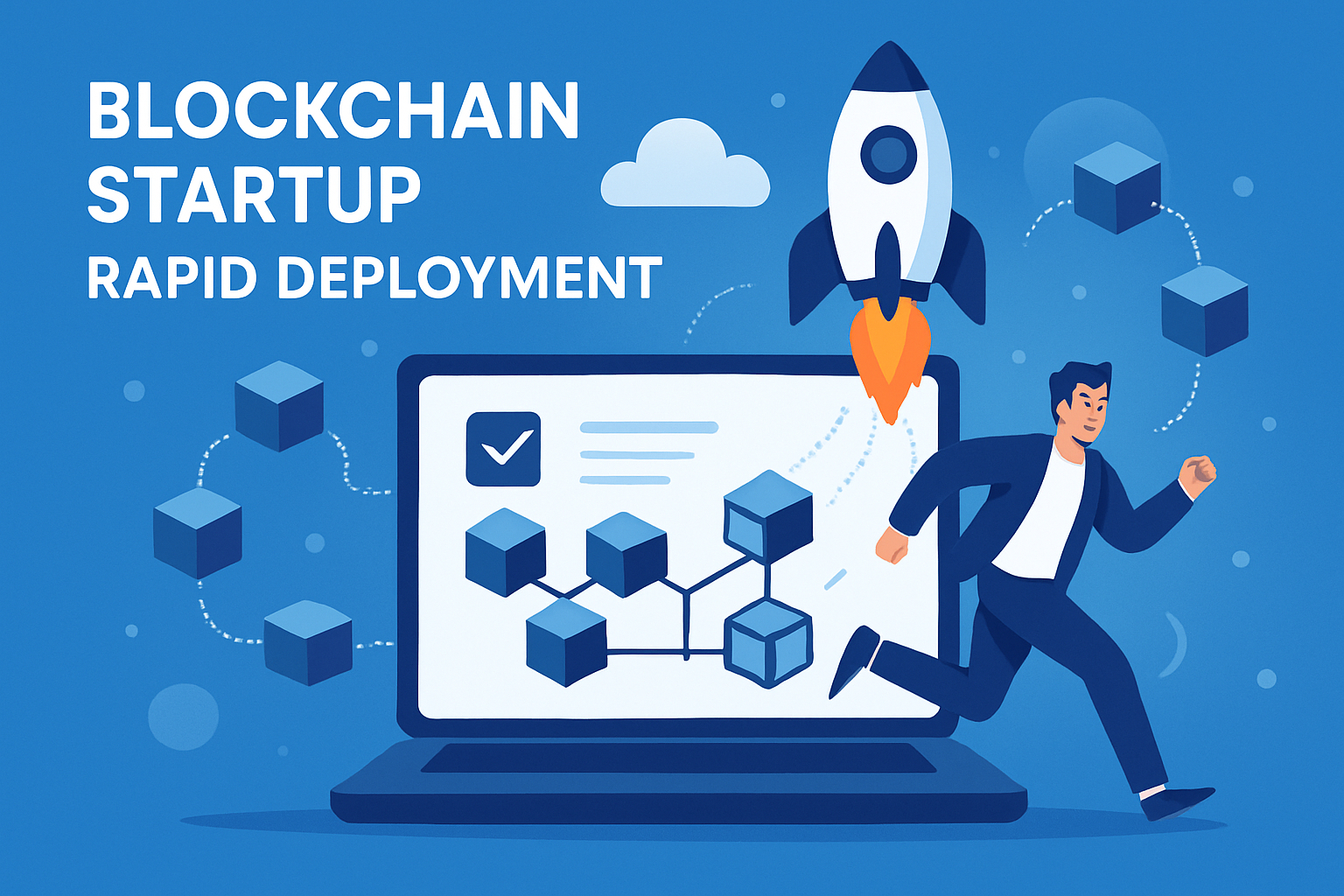
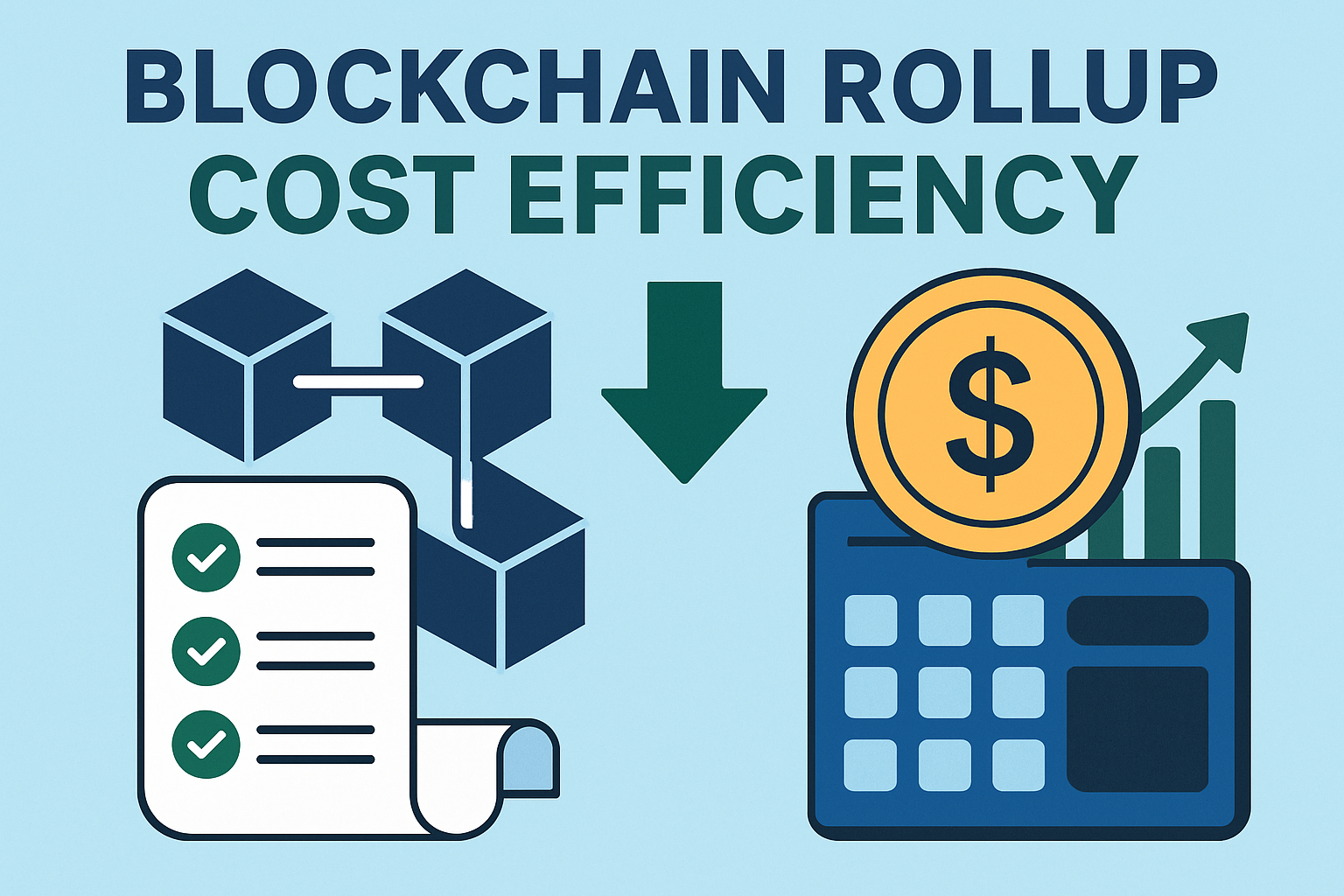
- Cost Efficiency and Resource Optimization: By offloading computation and leveraging managed infrastructure, Abstract Rollup Technology lowers operational expenses, making blockchain adoption more accessible for emerging projects.
No-code deployment platforms like Asphere enable teams to launch customizable rollups within minutes using intuitive interfaces, no deep protocol engineering required. Meanwhile, modular solutions such as Initia empower founders to tailor economic structures and application logic precisely to their use case. For those who prefer a managed approach, Rollup-as-a-Service (RaaS) providers like Zeeve handle infrastructure setup and maintenance end-to-end.
This shift toward abstraction is not just theoretical, it’s fueling real adoption across Web3. Startups can now iterate faster and focus on product-market fit rather than wrestling with blockchain infrastructure.
The Benefits: Speed, Scale, Customization
The advantages of adopting abstract rollup technology are clear:
- Accelerated Time-to-Market: Pre-built frameworks cut deployment times from months to days or even hours.
- Enhanced Scalability: Off-chain transaction processing supports thousands of transactions per second without congesting the main chain.
- Custom Functionality: Modular architectures allow startups to optimize for transaction speed, security settings, and user experience.
- Cost Efficiency: Managed RaaS solutions reduce operational overheads by handling infrastructure behind the scenes.
This suite of benefits is driving a wave of innovation among blockchain startups eager to capitalize on scalable blockchain solutions with minimal friction. As the market matures into 2025, expect abstraction-driven platforms to become the default choice for new dApps seeking both performance and flexibility.
Another compelling aspect of abstract rollup technology is its ability to foster interoperability and composability across the blockchain ecosystem. By leveraging standardized interfaces and modular components, startups can integrate their app-chains with existing DeFi protocols, NFT marketplaces, or cross-chain bridges more seamlessly than ever before. This not only expands the reach of decentralized applications but also encourages network effects that drive user adoption and liquidity.
Risk Management and Security Considerations
While abstract rollups simplify deployment, they do not compromise on security. Zero-knowledge proofs ensure that transaction data remains private while still being verifiable by the main chain. Additionally, most RaaS platforms implement rigorous monitoring and automated failover systems to maintain industry-leading uptime. For founders concerned about compliance or regulatory requirements, managed service providers often offer tailored solutions to meet jurisdictional needs without sacrificing scalability.
It’s also worth noting that as app-chains proliferate, robust risk management frameworks become essential. Abstract rollup platforms regularly update their codebases and conduct third-party audits to mitigate vulnerabilities. Startups should prioritize providers with transparent security practices and a proven track record in safeguarding digital assets.
Real-World Impact: Case Studies in Rapid Deployment
The market is already seeing tangible results from this wave of abstraction. Teams that once struggled with multi-month development cycles are now launching production-ready app-chains in a fraction of the time. For example, several consumer-facing crypto projects have leveraged no-code rollup platforms to onboard thousands of users within weeks, demonstrating how infrastructure simplification translates directly into business agility.
Successful Startups Leveraging Abstract Rollup Technology
- Asphere: This platform empowers startups to deploy custom rollups without coding, dramatically reducing the time and technical barriers to launching app-chains. Asphere's collaboration with the Web3 Foundation has enabled projects to rapidly iterate and scale on Polkadot using no-code rollup deployment frameworks.
- Initia: By offering a modular architecture for app-chain creation, Initia allows startups to build and launch fully customizable rollups with tailored consensus mechanisms and economic models. This flexibility has attracted a growing ecosystem of decentralized applications seeking scalable, app-specific blockchains.
- Zeeve: As a leading Rollups-as-a-Service (RaaS) provider, Zeeve manages the technical complexities of rollup deployment for startups. Its managed infrastructure solutions have enabled numerous projects to focus on product development and user acquisition, accelerating their go-to-market timelines.
- Caldera: Caldera provides a streamlined platform for launching high-performance, customizable rollups. Startups have used Caldera to deploy application-specific chains that benefit from enhanced scalability and reduced operational overhead, supporting rapid product iteration.
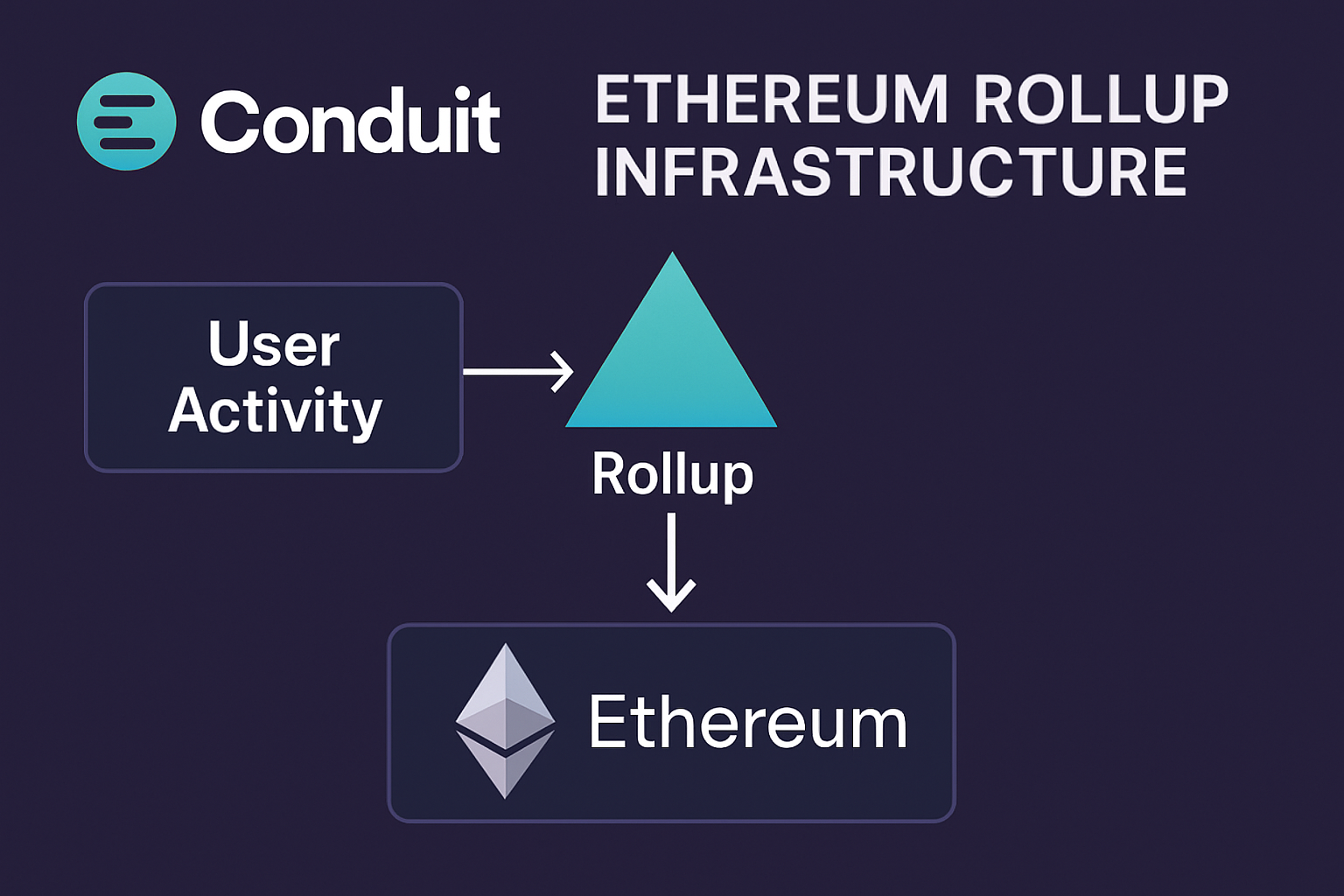
- Conduit: Conduit offers infrastructure for deploying and managing Ethereum rollups, allowing startups to launch scalable app-chains with minimal setup. Its robust tooling and support services have facilitated the growth of several blockchain applications requiring dedicated throughput and security.
As more startups embrace these tools, we’re witnessing an acceleration in experimentation across sectors such as gaming, supply chain logistics, and decentralized finance. The modular nature of abstract rollups means new features or integrations can be rolled out incrementally without disrupting core operations, a critical advantage for agile teams iterating toward product-market fit.
What’s Next for App-Chain Deployment?
The trajectory is clear: abstraction will continue to lower barriers for blockchain innovation. As Rollup-as-a-Service offerings mature, expect even greater automation around node orchestration, governance upgrades, and cross-chain communication. This evolution will empower founders to focus on user experience design and ecosystem growth rather than protocol maintenance.
For those evaluating whether now is the right time to launch an app-chain using abstract rollup technology, consider both the technical advantages and the strategic flexibility it offers your project’s roadmap. The competitive edge lies not just in faster deployment but in being able to adapt quickly as markets evolve.
If you’re interested in diving deeper into how these innovations can accelerate your own blockchain venture or want a step-by-step guide on leveraging RaaS platforms effectively, explore further resources at this detailed overview.




No comments yet. Be the first to share your thoughts!