
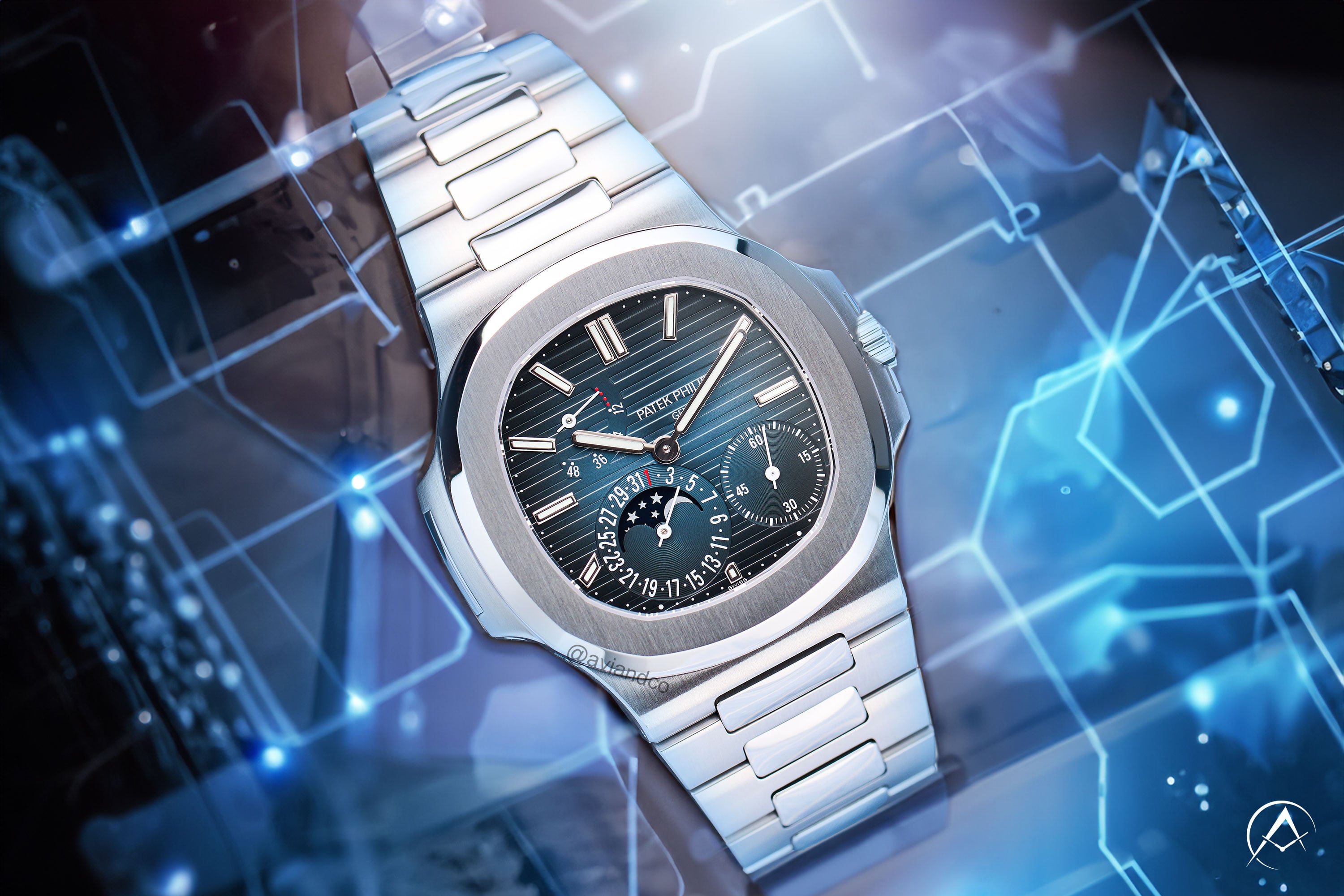
Abstract watch design 2026 budget
Finding a watch that balances abstract aesthetics with a realistic price tag requires looking past the hype. In 2026, the market is split between high-end luxury pieces and accessible alternatives that mimic the look without the premium. For budget-conscious buyers, the goal is to find pieces that offer visual impact without breaking the bank. This means focusing on brands that prioritize design innovation over heritage status.
The "poor man's Rolex" phenomenon continues to influence the market, with many affordable options drawing inspiration from classic luxury designs. However, the 2026 trend leans more towards abstract, digital-inspired faces and unconventional materials. These watches offer a modern twist on traditional timepieces, appealing to those who want something distinct. When shopping, prioritize build quality and movement type over brand name. A well-made quartz or entry-level automatic from a reputable brand often outperforms a flashy, poorly constructed luxury knockoff.
Condition and age also play a significant role in budget decisions. Pre-owned markets offer access to higher-quality materials at lower prices, but buyers must be cautious of wear and tear. New releases from mid-tier brands provide peace of mind and modern features, though they may lack the unique character of vintage pieces. Ultimately, the best budget watch is one that fits your style and daily needs, regardless of its price point. Look for pieces that offer versatility, allowing you to wear them with both casual and formal attire.


As an Amazon Associate, we may earn from qualifying purchases.
Shortlist real options
The abstract smartwatch market in 2026 has moved past the era of clunky fitness trackers. Today's leading designs prioritize form factors that mimic high-end mechanical horology while retaining digital utility. We are seeing a convergence of minimalist aesthetics, modular interfaces, and premium materials. This section compares the strongest contenders that define the "digital-only" aesthetic—watches that look like art first and technology second.
To help you plan around the current landscape, we have compiled a comparison of the top abstract smartwatches available. These models represent the best balance of design integrity, battery efficiency, and display technology for 2026.
| Brand | Model | Design Language | Display Type | Best For |
|---|---|---|---|---|
| Nothing | CMF Watch 2 | Industrial Minimalism | AMOLED | Budget-conscious design fans |
| Garmin | Instinct 2X Solar | Rugged Tactical | MIP | Outdoor endurance |
| Withings | ScanWatch 2 | Classic Hybrid | Analog + Digital | Health monitoring |
| Fossil | Gen 6 | Traditional Luxury | AMOLED | Style over substance |
| Apple | Ultra 2 | Monolithic Titanium | Always-On LTPO | Pro-level integration |
Each of these options serves a different philosophy of wearability. The Nothing CMF Watch 2 leads the charge in abstract minimalism, offering a stark, industrial look that stands out in a sea of black rectangles. Its design is intentionally stripped back, focusing on clear typography and simple shapes rather than cluttered interfaces.
For those who prefer a more traditional silhouette, the Withings ScanWatch 2 bridges the gap between analog elegance and digital capability. Its hybrid design features physical hands that move to indicate notifications and health data, maintaining a classic appearance while providing smart features. This makes it an ideal choice for professionals who want to avoid the "tech-heavy" look.
On the rugged end of the spectrum, the Garmin Instinct 2X Solar offers a monolithic, utilitarian design. Its MIP display is always readable in direct sunlight, and its solar charging capabilities extend battery life significantly. This watch is built for durability rather than delicate aesthetics, appealing to users who prioritize function and resilience.


As an Amazon Associate, we may earn from qualifying purchases.
When choosing an abstract smartwatch, consider how the device interacts with your daily routine. If you prefer a discreet notification system, a hybrid like the Withings is superior. If you want the screen to be the focal point of your outfit, an AMOLED model from Nothing or Apple offers the most vibrant abstract visuals. The key is to select a design that complements your personal style without sacrificing the core functionalities you need.
Inspect the expensive parts
Digital-only horology brings high-performance screens and complex sensors into a single, compact chassis. But compactness means there is little room for error when components fail. Repairing a cracked OLED display or replacing a proprietary battery in a sealed smartwatch often costs as much as the watch itself. Before you commit to a high-end model, understand where the hidden costs lie.
Check the display glass and bezel gap
The screen is the most expensive single component to replace. Look for watches with sapphire crystal or high-grade Gorilla Glass DX, which resist micro-scratches from keys and wallets. More importantly, check how the glass is mounted. A flush, seamless fit with no visible gaps prevents dust and sweat from accumulating under the bezel, which can corrode internal seals over time. If the glass sits slightly proud of the case, it is more vulnerable to impact damage.
Inspect the button mechanism and seals
Physical buttons are the primary entry point for water and dust. On digital watches, these buttons often double as haptic triggers or capacitive touch points. Press them firmly; they should click with tactile resistance, not feel mushy or stiff. Check for visible rubber gaskets around the button stems. If you see any gaps or misalignment, water resistance claims are likely overstated. A compromised seal here leads to foggy screens and short circuits within months.
Evaluate the charging port durability
Wireless charging is convenient but can be slow. Many premium digital watches still rely on pogo-pin connectors for faster charging or data syncing. Inspect the pin placement and the surrounding casing. Are the pins recessed to avoid wear? Is the casing material prone to cracking around the port? A loose or poorly reinforced charging port will eventually fail, leaving you with a brick. Look for reinforced ports or those protected by a durable flap.
Review the strap attachment system
Straps break, but replacing them shouldn't require specialized tools or expensive proprietary parts. Check if the watch uses standard spring bars or a proprietary quick-release system. Proprietary systems lock you into buying expensive straps from the same brand. Standard 20mm or 22mm spring bars are universal and cheap. Additionally, inspect the lug holes for sharp edges that could fray leather or fabric straps prematurely.
Assess the internal battery accessibility
Most modern digital watches have sealed batteries that are not user-replaceable. This is a critical failure point. If the battery degrades after two years, you must send the watch back to the manufacturer or a specialist. Check the manufacturer’s warranty terms and battery replacement costs. Some brands offer battery replacement services for a flat fee; others do not. A watch with a non-replaceable battery is a liability if the manufacturer goes out of business or discontinues support.
Plan for ownership costs
Use this section to make the The Rise of Digital-Only Horology decision easier to compare in real life, not just on paper. Start with the reader's actual constraint, then separate must-have requirements from details that are merely nice to have. A practical choice should survive normal use, maintenance, timing, and budget. If a recommendation only works in an ideal situation, call that out plainly and give the reader a fallback path.
The simplest way to use this section is to write down the must-have criteria first, then compare each option against those criteria before weighing nice-to-have features.
Abstract watch design 2026: what to check next
The shift toward abstract smartwatch faces and digital-only horology has moved from niche experiment to mainstream trend. As we move through 2026, the debate isn't just about tech specs, but about personal expression and visual identity. Here are the most common questions readers ask before committing to a new timepiece.
No comments yet. Be the first to share your thoughts!