
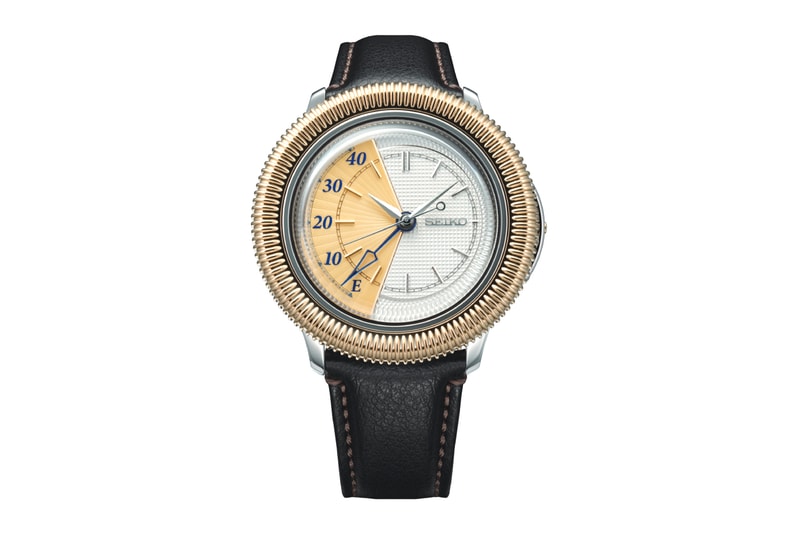
Abstract watch design 2026 budget
You can find minimalist luxury without spending a fortune, but the entry point has shifted. In 2026, the "poor man’s Rolex" label no longer applies to generic fashion watches. Instead, it points to specific microbrands and entry-level Swiss makers that prioritize clean, abstract dials over logo-heavy branding. These pieces offer the same visual restraint as luxury models but at a fraction of the cost.
The tradeoff is often in the movement and finishing. While a $2,000 luxury piece might use a high-beat automatic with hand-finished bridges, a $500 abstract watch often relies on a workhorse quartz or a standard automatic. However, for daily wear, this is rarely a problem. The goal of abstract design is to remove distraction, not to showcase mechanical complexity.
When shopping for these pieces, look for brands like Tissot, Orient, or Seiko’s higher-end lines. They dominate the budget abstract category by offering sapphire crystals and clean indices that age gracefully. Avoid watches with overly complex sub-dials; true minimalist design thrives on negative space, not clutter.


As an Amazon Associate, we may earn from qualifying purchases.
Shortlist real options
Use this section to make the The Abstract Watch Trend decision easier to compare in real life, not just on paper. Start with the reader's actual constraint, then separate must-have requirements from details that are merely nice to have. A practical choice should survive normal use, maintenance, timing, and budget. If a recommendation only works in an ideal situation, call that out plainly and give the reader a fallback path.
| Factor | What to check | Why it matters |
|---|---|---|
| Fit | Match the option to the primary use case. | A good deal still fails if it does not fit the job. |
| Condition | Verify age, wear, and service history. | Hidden condition issues erase upfront savings. |
| Cost | Compare purchase price with likely upkeep. | The cheapest option is not always the lowest-cost option. |
Inspect the expensive parts
Use this section to make the The Abstract Watch Trend decision easier to compare in real life, not just on paper. Start with the reader's actual constraint, then separate must-have requirements from details that are merely nice to have. A practical choice should survive normal use, maintenance, timing, and budget. If a recommendation only works in an ideal situation, call that out plainly and give the reader a fallback path.
-
Verify the basicsConfirm the core specs, condition, and fit before comparing extras.
-
Price the downsideLook for the repair, maintenance, or replacement cost that would change the decision.
-
Compare alternativesCheck at least two comparable options before treating one listing as the benchmark.
Ownership Costs: The Hidden Price of Minimalist Luxury
Buying a minimalist watch is only the first transaction. The true cost of ownership includes maintenance, insurance, and the depreciation curve that quietly erodes value. Understanding these factors helps you determine when a cheap entry price actually becomes the most expensive option in the long run.
Service Intervals and Parts Availability
Even the most reliable mechanical movements require servicing every five to seven years. A standard service for a luxury minimalist watch typically costs between $400 and $800, depending on the movement complexity and brand labor rates. Brands like Hermès or Louis Vuitton, which often use modified ETA movements, may have lower service costs than in-house manufacturers, but parts availability can be slower. Always check the brand’s service network before buying; a watch without local support turns minor repairs into costly shipping exercises.
Insurance and Security
Minimalist designs are often more discreet, but they are not immune to theft or loss. Homeowner’s or renter’s insurance policies usually have low sub-limits for jewelry (often $1,500–$3,000), meaning a $5,000 minimalist watch might be significantly underinsured. A dedicated jewelry rider or a specialized watch insurance policy is necessary for full coverage. For high-value pieces, consider a safe deposit box or a home safe rated for jewelry, as standard fireproof safes may not protect against water damage or sophisticated break-ins.
Depreciation: When Cheap Stops Being Cheap
A common trap is buying a "budget luxury" watch with the hope that it will hold value. In reality, most minimalist watches from non-heritage brands depreciate by 30–50% the moment they leave the store. A $3,000 watch bought on sale for $1,500 might resell for $750. In contrast, a $1,000 entry-level watch from a brand like Tissot or Longines often holds 80–90% of its value if kept in excellent condition. The cheapest upfront price often leads to the highest total cost of ownership when you factor in resale loss.


As an Amazon Associate, we may earn from qualifying purchases.
Abstract watch design 2026: what to check next
The luxury watch market in 2026 is shifting toward minimalist abstraction, where form follows function and visual noise is stripped away. Here are the practical answers to the most common questions about this year’s design landscape.
No comments yet. Be the first to share your thoughts!