
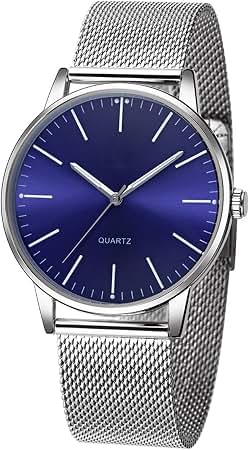
Abstract watch trends 2026 budget
Finding minimalist 'anti-design' dials in 2026 doesn't require a six-figure collection. The trend thrives on restraint, making it surprisingly accessible if you know where to look. While high-end pieces from brands like Carl F. Bucherer or independent makers command premium prices, the core aesthetic—clean lines, muted colors, and functional simplicity—is widely available across the mid-range market. The key is prioritizing case finishing and dial texture over brand prestige.
For those on a tighter budget, the 2026 landscape offers several strong entry points. You can achieve the coveted abstract look through affordable microbrand options or well-regarded mainstream brands that have embraced the minimalist shift. These pieces often feature solar movements or reliable quartz engines, keeping maintenance costs low while delivering the sleek, uncluttered appearance that defines the year's luxury horizon.
When shopping, focus on materials. A stainless steel case with a matte brushed finish often looks more expensive than a polished gold-plated alternative. Look for dials with subtle guilloché patterns or sunburst finishes that catch light without relying on busy indices. This approach allows you to build a versatile collection that feels current and sophisticated, regardless of your spending limit.
Best Budget-Friendly Options
We've selected pieces that capture the 2026 abstract spirit without the luxury markup. These options prioritize design integrity and build quality, ensuring your watch looks intentional rather than merely cheap.


As an Amazon Associate, we may earn from qualifying purchases.
The beauty of this trend is its flexibility. Whether you choose a bold geometric shape or a subtle jewel-tone accent, the anti-design philosophy ensures your watch remains a statement of taste, not just a display of wealth. By focusing on these accessible options, you can align with the 2026 aesthetic while keeping your budget intact.
Shortlist real options
The 2026 luxury watch market is shifting away from heavy, complex dials toward minimalist 'anti-design' aesthetics. This trend prioritizes clean lines, slimmer cases, and refined color palettes over the maximalist complications of previous years. Brands are responding by stripping back visual noise, focusing instead on tactile materials and subtle geometric forms.
When comparing the strongest options available this year, the differences lie in how each brand interprets restraint. Some lean into historical tank shapes with modern proportions, while others experiment with jewel-tone dials that catch light without relying on metallic sheen. The following comparison highlights four distinct approaches to this minimalist movement, allowing you to weigh the trade-offs between heritage design and contemporary abstraction.
| Brand | Design Focus | Case Profile | Best For |
|---|---|---|---|
| Cartier | Tank geometry with thin profiles | Slim, rectangular | Classic elegance |
| A. Lange & Söhne | Ultra-slim dials with minimal indices | Thin, round | Formal wear |
| Clean dials with jewel-tone accents | Medium, round | Daily versatility | |
| Nomos Glashütte | Thin, round | Modern minimalism |
Inspect the expensive parts
Use this section to make the The Abstract Watch Trend decision easier to compare in real life, not just on paper. Start with the reader's actual constraint, then separate must-have requirements from details that are merely nice to have. A practical choice should survive normal use, maintenance, timing, and budget. If a recommendation only works in an ideal situation, call that out plainly and give the reader a fallback path.
-
Verify the basicsConfirm the core specs, condition, and fit before comparing extras.
-
Price the downsideLook for the repair, maintenance, or replacement cost that would change the decision.
-
Compare alternativesCheck at least two comparable options before treating one listing as the benchmark.
Understanding the True Cost of Ownership
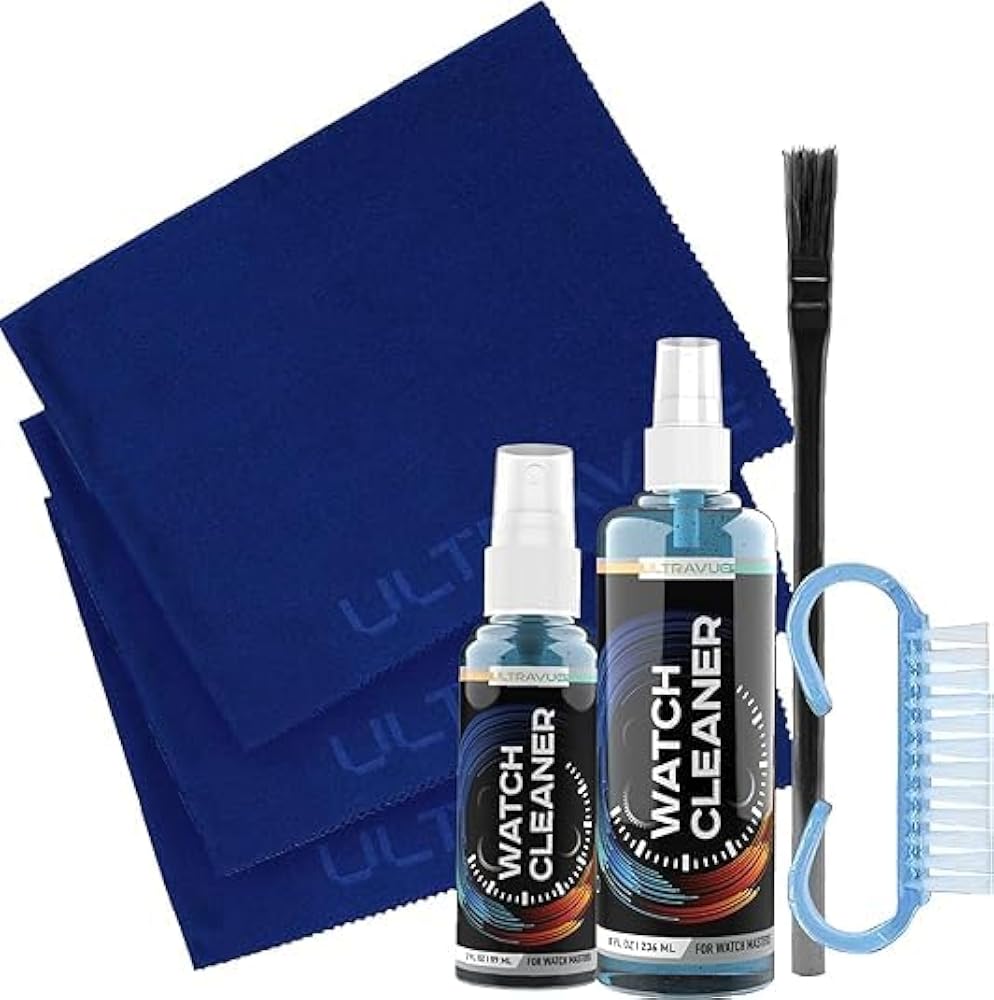
Buying a minimalist watch is the easy part; keeping it running is where the budget often fractures. The "anti-design" aesthetic you see on 2026 runways—clean dials, hidden crowns, and ultra-thin profiles—often relies on delicate, specialized movements that don't tolerate rough treatment well. When a cheap buy stops being cheap, it is rarely because the watch broke; it is because the maintenance required to keep it accurate and water-resistant costs more than the watch itself.
Service Intervals and Labor Costs
Most luxury minimalist watches use automatic movements that require servicing every five to seven years. A standard service involves disassembly, ultrasonic cleaning, lubrication, and regulation. For brands like Cartier or Jaeger-LeCoultre, which often power these sleek designs, labor rates at authorized service centers can range from $600 to over $1,000. If you buy a $2,000 watch, you are effectively paying an additional $1,000 every half-decade just to keep it ticking. Quartz movements, common in more affordable minimalist brands, have lower service costs but eventually require battery replacements and gasket changes every 2-3 years.
The "Cheap Buy" Trap
It is tempting to buy a $300 watch to avoid these costs, but low-end automatic movements are often less reliable than a $100 quartz alternative. When a budget automatic fails, the repair cost often approaches the value of the watch, leaving you with a paperweight. Conversely, high-end minimalist watches often use sapphire crystals and high-quality seals that hold up over decades, making the initial investment more sustainable. The sweet spot is usually a mid-range quartz or a well-known entry-level automatic from a brand with accessible service networks.
Hidden Expenses: Straps and Insurance
Minimalist designs often feature integrated straps or unique lugs that limit replacement options. If you want to change the look of your watch, you may be forced to buy proprietary straps that cost $100-$200 each. Additionally, luxury watches are rarely covered by standard homeowners insurance without a specific rider, which can add 1-2% of the watch's value to your annual premium. Always factor in these recurring costs before finalizing your purchase.


As an Amazon Associate, we may earn from qualifying purchases.
Abstract watch trends 2026: what to check next
Before committing to a new piece, it helps to separate the noise from the actual design shifts. The 2026 landscape is defined by a move away from heavy complications toward clean, minimalist aesthetics, often referred to as 'anti-design.' This section addresses the most common questions about what defines these trends and how they fit into the current market.
No comments yet. Be the first to share your thoughts!