

How AI is reshaping watch aesthetics
Generative design is moving from abstract concept to tangible product in 2026. AI now acts as a creative co-pilot for major brands, transforming how timepieces are conceptualized and produced. This shift allows for unprecedented personalization while maintaining the structural integrity required for functional horology.
Swatch’s AI-DADA tool exemplifies this new direction. The platform is trained on over 40 years of Swatch’s iconic innovations, from product designs to street art. Users can prompt unique patterns and colorways that the AI then renders into viable watch faces. This process turns imagination into a personalized product, offering an experience that goes beyond standard customization options.
Similarly, Guess has integrated AI into its design workflow for its tonneau watches. The brand used artificial intelligence to generate the initial creative direction. Human designers then refined these AI-generated concepts into the final physical watch. This collaboration between algorithm and artisan ensures that the final product balances modern aesthetic trends with traditional manufacturing standards.
AI in horology is shifting from authentication apps to generative design tools that allow consumers to prompt unique timepieces.
The result is a blend of technological innovation and traditional respect for craft. AI handles the volume of creative iteration, while skilled watchmakers ensure precision and durability. This partnership allows brands to explore new visual territories without compromising the mechanical reliability that defines a quality timepiece.
Swatch AI-DADA: Prompting unique timepieces
Swatch has moved beyond theoretical concepts with AI-DADA, a consumer-facing tool that turns text prompts into wearable art. Built on OpenAI’s infrastructure, the platform allows users to describe a design concept, and the AI generates a unique watch face and strap combination. This isn't just a novelty; it leverages Swatch's extensive archive to ensure the output feels cohesive with the brand's identity.
The tool is trained on over four decades of Swatch history, including iconic product designs, limited editions, and even street art collaborations. When you type "neon cyberpunk with 80s retro elements," the system doesn't just guess; it references specific past releases to create a design that respects the brand's heritage while pushing into new visual territory. This approach bridges the gap between generative AI's randomness and traditional horological respect for brand DNA.
How to use AI-DADA
Swatch AI-DADA simplifies the design process into a straightforward workflow. You don't need design software or technical knowledge to create a one-of-a-kind timepiece.
Start by typing a description of your ideal watch. Be specific about colors, materials, or themes. The more detail you provide, the more tailored the result. For example, "minimalist white dial with gold accents and a leather strap" yields different results than "bold geometric patterns in primary colors."
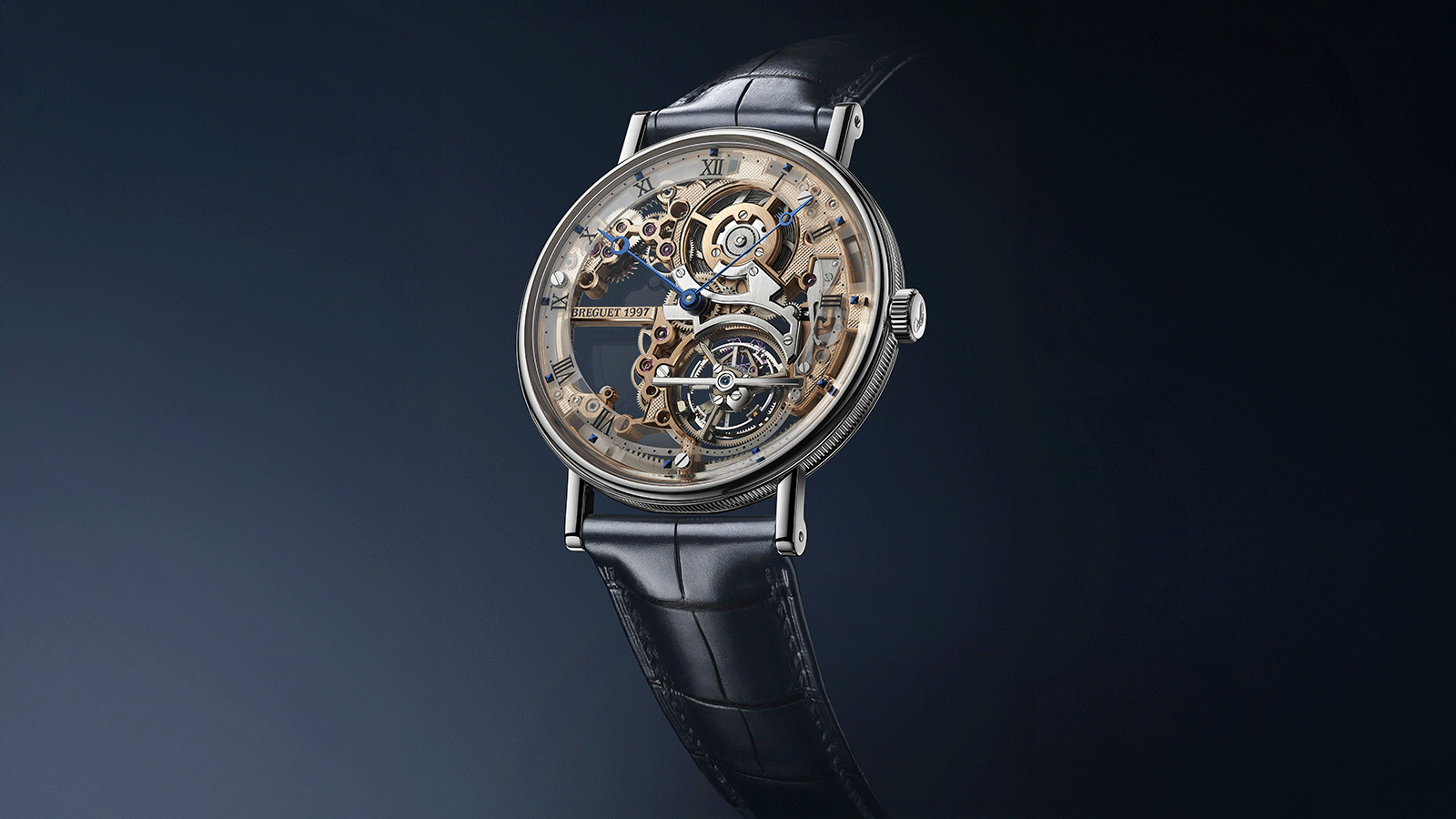
The AI processes your input and generates a visual mockup. This step happens in seconds. You can review the design to see if it captures the vibe you intended. The system automatically adjusts elements like the bezel, dial layout, and strap texture to fit a standard Swatch form factor.
If the first result isn't quite right, tweak your prompt and regenerate. Once you find a design you love, you can save it. This digital prototype serves as the basis for a custom order, allowing you to own a piece of art that no one else has.
This tool democratizes watch design. It allows enthusiasts to participate in the creative process, turning passive consumers into co-creators. While it doesn't replace the precision craftsmanship of a watchmaker, it adds a layer of personal expression that traditional mass production rarely offers. The result is a collection of watches that are as unique as the prompts that created them.
How Guess Uses AI to Set Creative Direction
Guess has shifted the traditional watch design workflow by letting artificial intelligence set the initial creative parameters. Rather than human designers starting from a blank canvas, AI analyzes current trends and historical data to generate the foundational concept. Designers then refine these AI-generated directions into the final product, blending algorithmic trend-spotting with human craftsmanship.
The result is a tonneau-shaped fashion watch that draws clear inspiration from the luxury aesthetics of Richard Mille. This collaboration between code and craft demonstrates how major brands are using generative tools not to replace designers, but to accelerate the conceptual phase. The final piece retains the mechanical soul of traditional horology while leveraging AI for its bold, modern silhouette.
This approach mirrors similar initiatives in the industry, such as Swatch’s AI-DADA tool, which uses 40 years of brand history to personalize design. However, Guess’s execution focuses on high-fashion appeal, proving that AI can effectively guide the aesthetic direction of wearable luxury goods before the final human touch is applied.
| Attribute | AI-Generated Concept | Final Product |
|---|---|---|
| Shape | Tonneau outline based on trend data | Refined tonneau case with luxury proportions |
| Aesthetic | Richard Mille-inspired luxury cues | Polished finish with refined detailing |
| Role | Sets creative direction and parameters | Adds craftsmanship and final polish |
Where to design your own AI watch
If you want to move beyond browsing and actually create a timepiece, the landscape offers dedicated generators and community forums that bridge the gap between imagination and visual reality. These tools allow you to experiment with form factors, dials, and materials without needing to be a CAD expert.
Dedicated design generators
Platforms like The New Black’s AI Watch Design Generator let you build unique, customizable timepieces in just a few clicks. These tools are ideal for exploring personal style through rapid iteration, allowing you to visualize how different case shapes and strap combinations interact before committing to any physical manufacturing.
For a more heritage-focused approach, Swatch’s AI-DADA tool offers a distinct experience. Trained on over 40 years of Swatch’s iconic innovations, art, and street culture, it functions as an artistic intelligence. It is particularly effective for generating designs that reflect the brand’s playful, colorful aesthetic, turning abstract imagination into concrete product concepts.
Community inspiration and reality checks
For broader inspiration, communities like r/ChineseWatches on Reddit serve as a hub for AI-generated concepts. Users frequently share designs that explore bold, unconventional ideas often too risky for traditional manufacturers. These threads provide a window into where the visual language of horology is heading, even if the resulting watches remain digital artifacts.

As an Amazon Associate, we may earn from qualifying purchases.
Frequently asked questions about AI horology
What is the new style watch for 2026?
The dominant 2026 aesthetic blends AI-generated creativity with traditional refinement. Brands like Guess are using AI to establish creative direction, which human designers then refine into final products like the tonneau shape. Meanwhile, Swatch’s AI-DADA tool allows users to generate unique designs via text prompts, pushing the boundaries of personalization.
Can AI replace watchmakers?
No. While AI accelerates the design phase, it cannot replace the precision craftsmanship of a watchmaker. The physical assembly, regulation, and finishing of mechanical movements remain deeply human tasks that require tactile skill and years of training.
What is the name of Swatch's new AI-powered tool?
Swatch’s tool is called AI-DADA. Powered by OpenAI and trained on four decades of Swatch innovations, it turns text prompts into unique watch designs, offering a new level of product personalization for consumers.
Where can I design my own watch?
You can design your own watch using Swatch’s AI-DADA platform, which lets you create unique pieces from scratch. For physical production, brands like Guess and Swatch offer tools where AI-generated concepts are refined by professional designers into wearable reality.
No comments yet. Be the first to share your thoughts!