
How AI reshapes dial art
The high-end watch dial is no longer just a canvas for human hands; it is now a shared workspace between a watchmaker and an algorithm. In 2026, artificial intelligence has moved from backend production tools to the forefront of aesthetic creation. This shift allows for a level of geometric complexity and organic fluidity that simply cannot be achieved by hand engraving or manual painting.
Traditional techniques like Grand Feu enamel, lacquer layering, and ceramic inlay are now being guided by generative models. These models can simulate how light interacts with microscopic textures, predicting the final visual outcome before a single drop of enamel is fired. The result is a dial that feels both ancient in its materiality and futuristic in its structure.
This collaboration produces dials with depth that captures and shapes light in new ways. Instead of flat, predictable patterns, we see intricate, non-repeating motifs that mimic natural phenomena like mineral growth or fluid dynamics. The AI suggests the structure, while the artisan ensures the material integrity, creating pieces that are visually striking and technically sound.
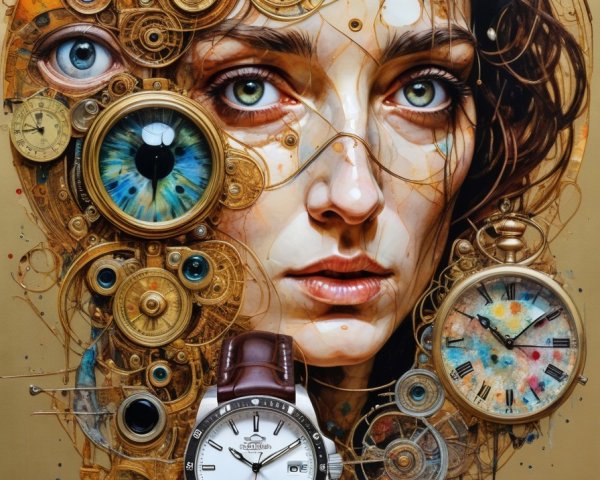
Generative gradients and depth
The 2026 watch dial has moved past flat colors. AI-generated gradients now create impossible depth, shaping light rather than just capturing it. These dials look like they have physical volume, with light refracting through layers of material.
This effect relies on precise control over enamel, lacquer, and ceramic. AI models simulate how light bends through different densities, allowing designers to create gradients that shift from opaque to translucent in ways manual painting cannot achieve. The result is a dial that feels alive, with shadows and highlights that change as you move your wrist.
The trend is visible in high-end sports and luxury pieces. Ceramic dials, in particular, benefit from this approach, as the material’s hardness allows for sharp, clean gradients without the bleeding common in traditional lacquer. This creates a striking, modern aesthetic that stands out in a sea of flat dials.
Algorithmic enamel and lacquer
AI is no longer just sketching concepts; it is now guiding the intricate handiwork of traditional watchmaking. Artisans are using algorithmic parameters to produce grand feu enamel and urushi lacquer dials that feature non-repeating, abstract motifs too complex for manual planning alone.
This approach treats the dial as a tiny, high-stakes canvas. The AI generates unique geometric flows or organic textures, which the watchmaker then translates into physical form. The result is a fusion of digital precision and centuries-old craft, where every piece remains distinct.
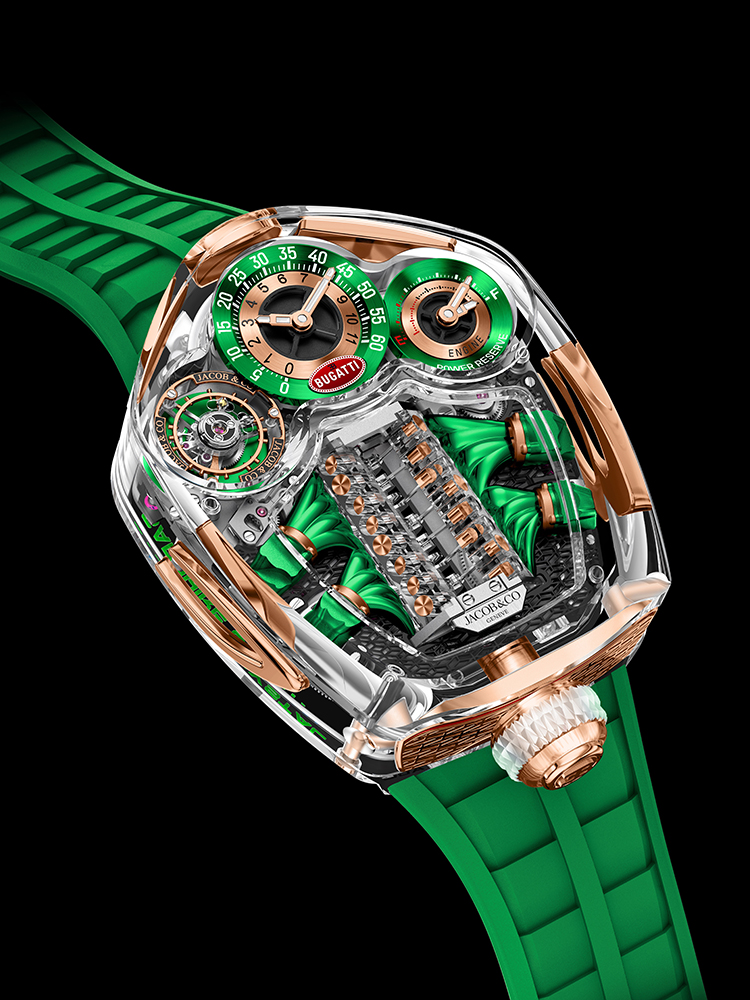
The visual outcome is striking. Instead of standard guilloché patterns, you see sweeping, AI-influenced gradients in enamel that shift seamlessly from one hue to another. In lacquer work, the algorithms introduce subtle depth layers that mimic natural phenomena, creating dials that feel alive under light.
This trend highlights a shift from mass production to digital craft. Each dial is a singular artifact, blending the reliability of code with the soul of artisanal labor.
Bold color palettes in 2026
Use this section to make the AI-Generated Abstract Watch Dials decision easier to compare in real life, not just on paper. Start with the reader's actual constraint, then separate must-have requirements from details that are merely nice to have. A practical choice should survive normal use, maintenance, timing, and budget. If a recommendation only works in an ideal situation, call that out plainly and give the reader a fallback path.
The simplest way to use this section is to write down the must-have criteria first, then compare each option against those criteria before weighing nice-to-have features.
Where to find these pieces
Use this section to make the AI-Generated Abstract Watch Dials decision easier to compare in real life, not just on paper. Start with the reader's actual constraint, then separate must-have requirements from details that are merely nice to have. A practical choice should survive normal use, maintenance, timing, and budget. If a recommendation only works in an ideal situation, call that out plainly and give the reader a fallback path.
The simplest way to use this section is to write down the must-have criteria first, then compare each option against those criteria before weighing nice-to-have features.
Common questions about AI dials
The rise of AI-generated designs has sparked curiosity about how these pieces are made and whether they hold traditional value. Unlike standard manufacturing, AI dials often begin as digital art before being translated into physical materials like enamel or lacquer, creating a hybrid of code and craft.
Are AI-generated dials handmade?
Most AI dials are not handmade in the traditional sense. The design originates from algorithms that generate patterns, which artisans then interpret using techniques like grand feu enamel, miniature painting, or laser engraving. The "hand" comes in the application and finishing, not the initial creation of the motif.
Do AI dials have resale value?
Resale value depends on the brand and the physical execution rather than the design source. A dial crafted with high-quality materials—such as ceramic or precious stones—retains value similar to other artistic dials. However, purely digital designs with no physical craftsmanship component rarely hold secondary market value.
How can I spot an AI influence on a dial?
Look for patterns that are intricate but lack logical continuity. AI designs often feature repeating textures that blur at the edges or motifs that don't align with traditional horological symmetry. While subtle, these irregularities can distinguish algorithmic art from hand-painted or engraved traditional dials.
No comments yet. Be the first to share your thoughts!