
App-chain projects are rapidly transforming the blockchain landscape, driven by a demand for scalability, customization, and user-centric experiences. In 2025, many teams are turning to Rollup-as-a-Service (RaaS) platforms to streamline app-chain deployment and accelerate innovation. RaaS providers like abstractwatch. com offer pre-configured rollup frameworks that eliminate the steep learning curve and infrastructure headaches traditionally associated with launching custom Layer 2 solutions.
What Are App-Chains and Why Do They Need RaaS?
An app-chain is a dedicated blockchain or Layer 2 network tailored to a specific application’s needs. Unlike deploying a decentralized application (dApp) on a shared L1 or L2 network, app-chains grant full control over transaction logic, fee structures, governance mechanisms, and onchain integrations. However, building and maintaining an app-chain from scratch is resource-intensive, requiring expertise in consensus mechanisms, sequencer management, bridging, security audits, and ongoing monitoring.
This is where Rollup-as-a-Service comes in. RaaS acts as an enhancement layer for existing Layer 1 blockchains (such as Ethereum or Polygon), focusing on improving transaction handling efficiency. By leveraging pre-built modules optimized by experts, teams can deploy custom rollups in days rather than months, without sacrificing performance or security.
The Mechanics of Rollup-as-a-Service Platforms
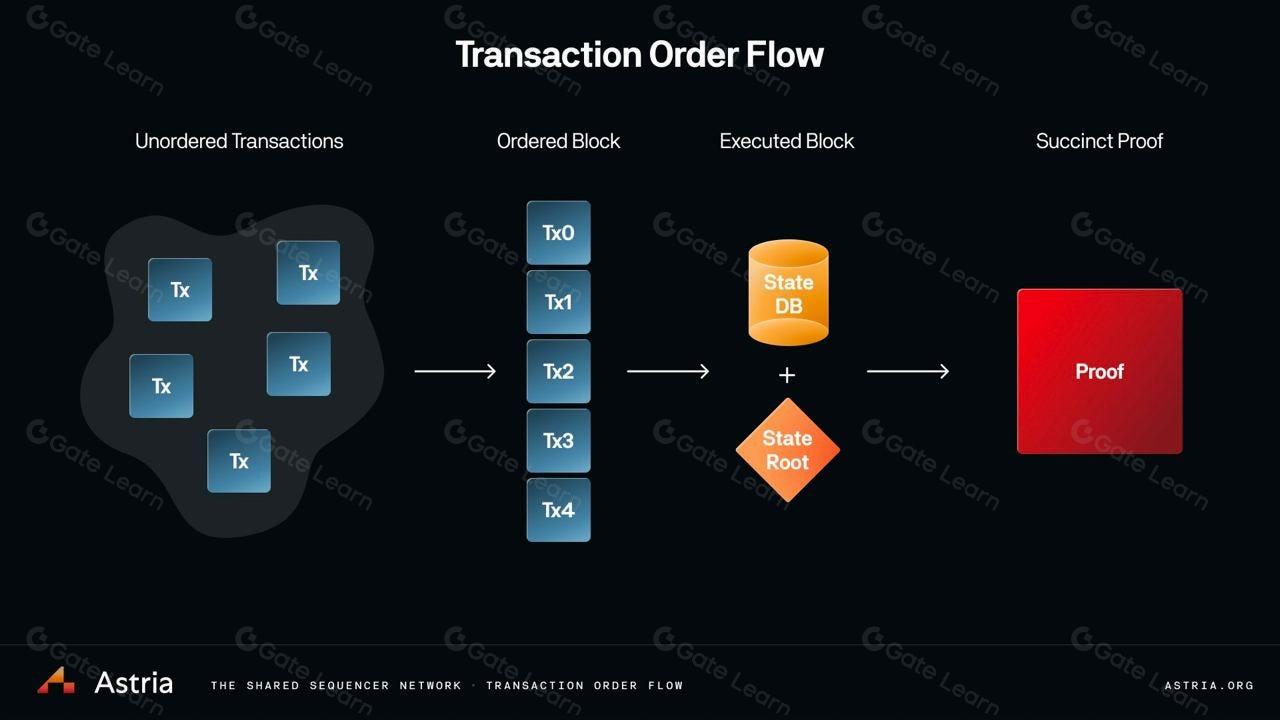
At its core, RaaS platforms provide ready-to-use infrastructure for deploying scalable rollups, such as Optimistic or Zero-Knowledge (ZK) rollups, that aggregate transactions off-chain before submitting succinct proofs to the mainnet. This architecture slashes gas fees and boosts throughput while inheriting the underlying security of the base layer.
Key features of leading RaaS platforms include:
Key Features of Leading Rollup-as-a-Service Platforms
- Pre-configured Rollup Frameworks: Top RaaS platforms offer ready-to-deploy Optimistic and Zero-Knowledge (ZK) rollup modules, enabling rapid launch of custom Layer 2 solutions without deep protocol engineering.
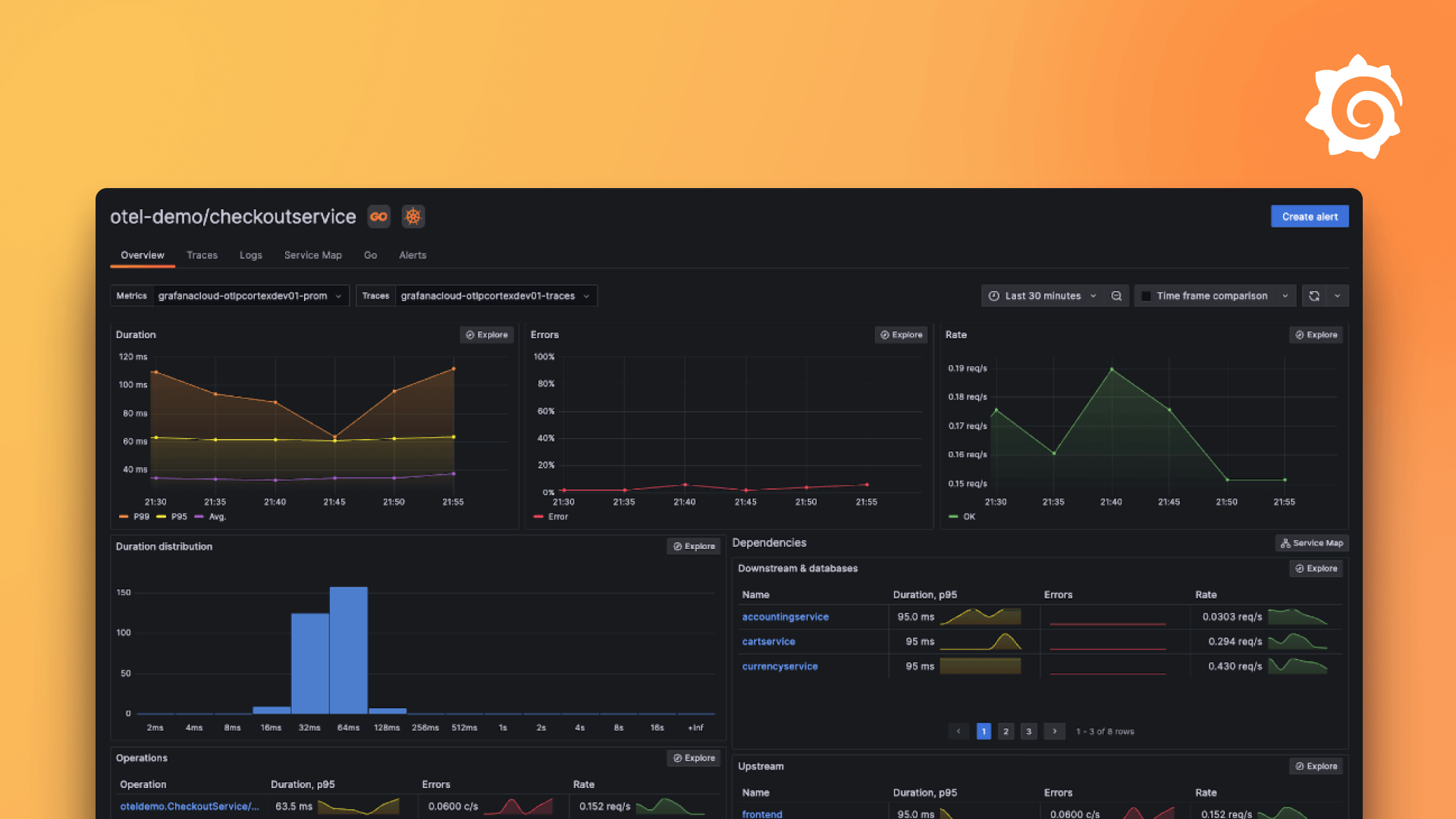
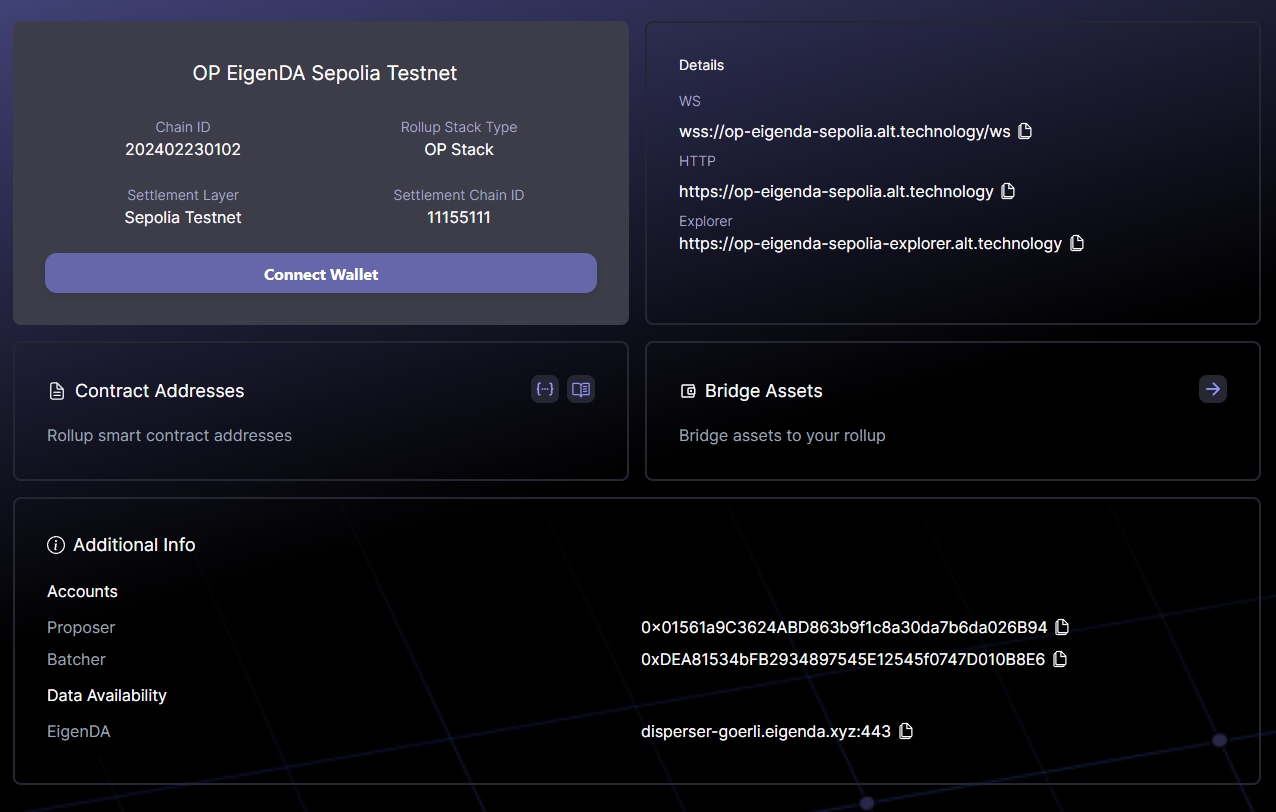
- Customizable Deployment Options: Providers like Instanodes and AltLayer allow teams to tailor rollup parameters—such as sequencer configuration, data availability, and fee structures—to fit specific application needs.
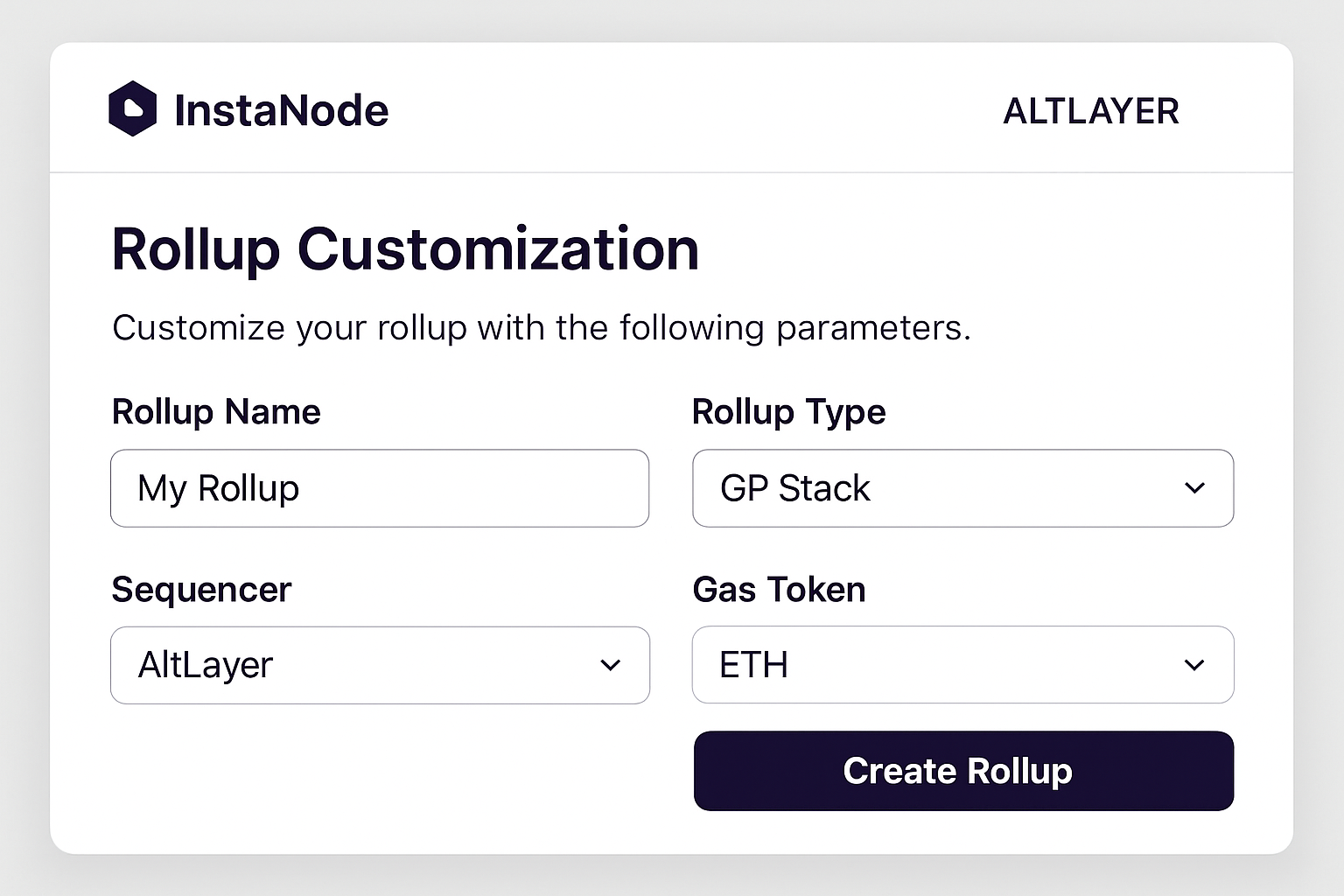
- Integrated Infrastructure and Monitoring: RaaS solutions deliver managed infrastructure, including built-in sequencers, verifiers, and monitoring tools, reducing operational complexity for app-chain projects.
- Seamless Layer 1 Blockchain Integration: Leading platforms support integration with major blockchains like Ethereum and Polygon, ensuring secure settlement and broad ecosystem compatibility.
- Modular Architecture and Bridge Support: Some RaaS providers, such as AltLayer, feature a modular rollup architecture with built-in bridges and faucet integration, simplifying cross-chain asset transfers and onboarding.
- Managed Support and Maintenance: Comprehensive technical support, updates, and ongoing maintenance are standard, enabling projects to focus on core development rather than infrastructure management.
This modular approach allows projects to tailor their app-chains’ parameters, including block times, fee models, data availability layers, and permissioning, to fit their unique use cases. For example, AltLayer’s ‘flash layers’ enable ephemeral rollups for NFT drops or gaming tournaments with built-in bridge support; Instanodes offers end-to-end zk-Rollup deployments with integrated sequencers and verifiers (source).
Accelerating App-Chain Deployment: From Months to Days
The traditional process of launching a production-grade app-chain involves extensive planning, architecture design, smart contract development, node provisioning, monitoring setup, and can stretch over several months. With RaaS providers like abstractwatch. com in the mix, this timeline shrinks dramatically.
Here’s how:
- No need for deep protocol engineering: Teams leverage expert-built templates for both Optimistic and ZK rollups.
- Baked-in scalability: Off-chain transaction aggregation ensures high throughput without congesting mainnet resources.
- Simplified operations: Managed infrastructure means less time spent on maintenance and more focus on product innovation.
This shift enables developers to prioritize user experience and business logic rather than worrying about uptime or cross-chain communication glitches. As noted by industry sources like Alchemy (see here), projects can now customize their chain’s entire feature set while benefiting from robust security guarantees.
Beyond speed and convenience, Rollup-as-a-Service platforms like abstractwatch. com offer a robust foundation for long-term scalability. By offloading transaction processing to purpose-built rollups, app-chain projects can handle surges in user activity or transaction volume without sacrificing performance. This is critical for applications in sectors like DeFi, gaming, and NFTs, where unpredictable spikes are common and user expectations for seamless experiences are high.
Operational Efficiency and Cost Optimization
One of the most compelling advantages of RaaS is the dramatic reduction in operational overhead. Instead of allocating engineering resources to maintain custom consensus mechanisms or troubleshoot infrastructure bottlenecks, teams can rely on managed monitoring, auto-scaling nodes, and built-in analytics provided by their RaaS partner. This translates into predictable costs and greater capital efficiency, freeing up budget for product development and go-to-market efforts.
For example, with abstractwatch. com’s managed stack, app-chain teams gain access to:
Key Operational Benefits of Managed RaaS Platforms
- Accelerated Deployment Timelines: Managed RaaS platforms like Instanodes and AltLayer offer pre-configured rollup frameworks, enabling app-chain projects to launch customized Layer 2 solutions rapidly—often in days rather than months.
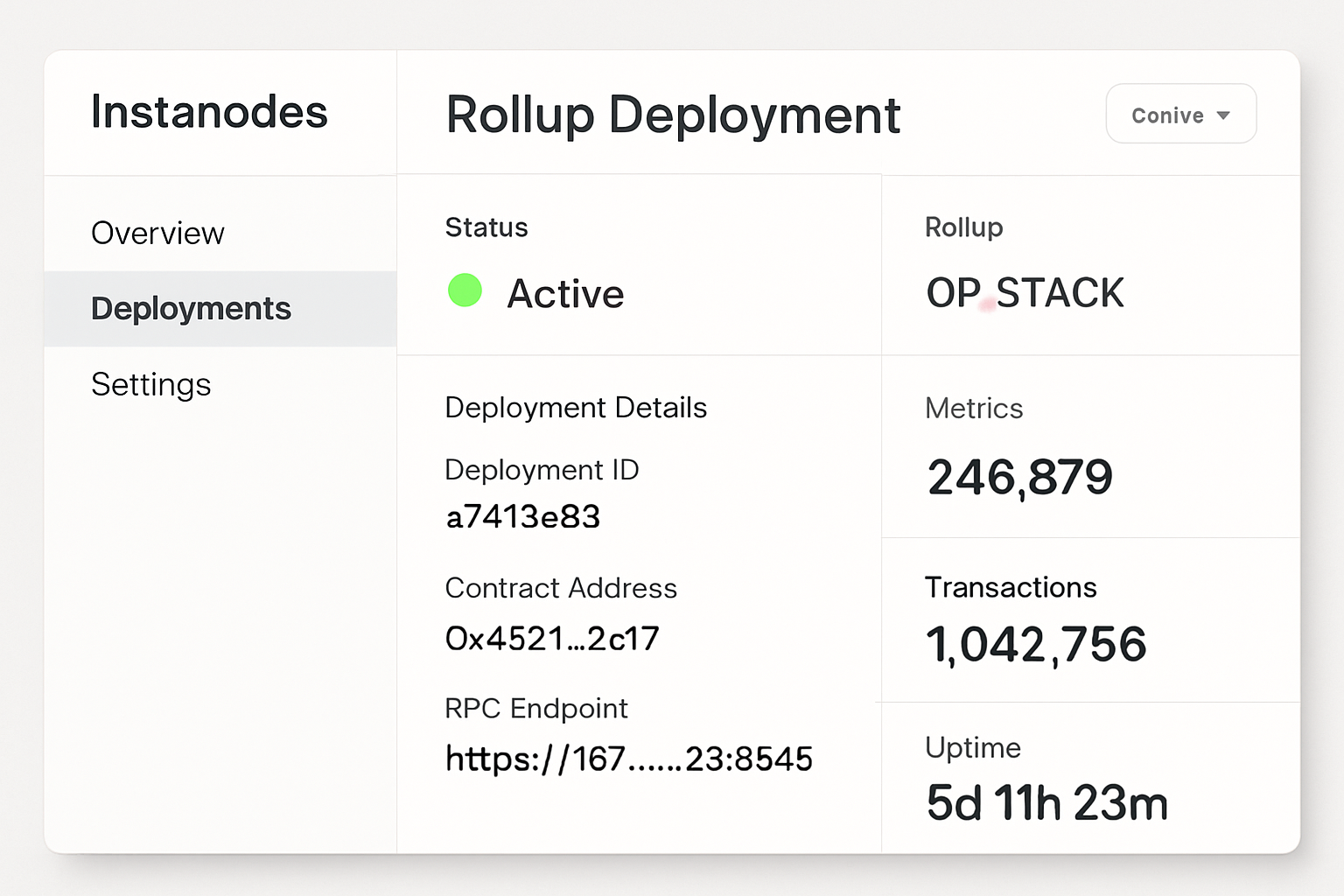
- Reduced Infrastructure Complexity: RaaS providers handle the underlying infrastructure, including sequencers, verifiers, and integration with Layer 1 blockchains, allowing teams to focus on core application development rather than blockchain maintenance.
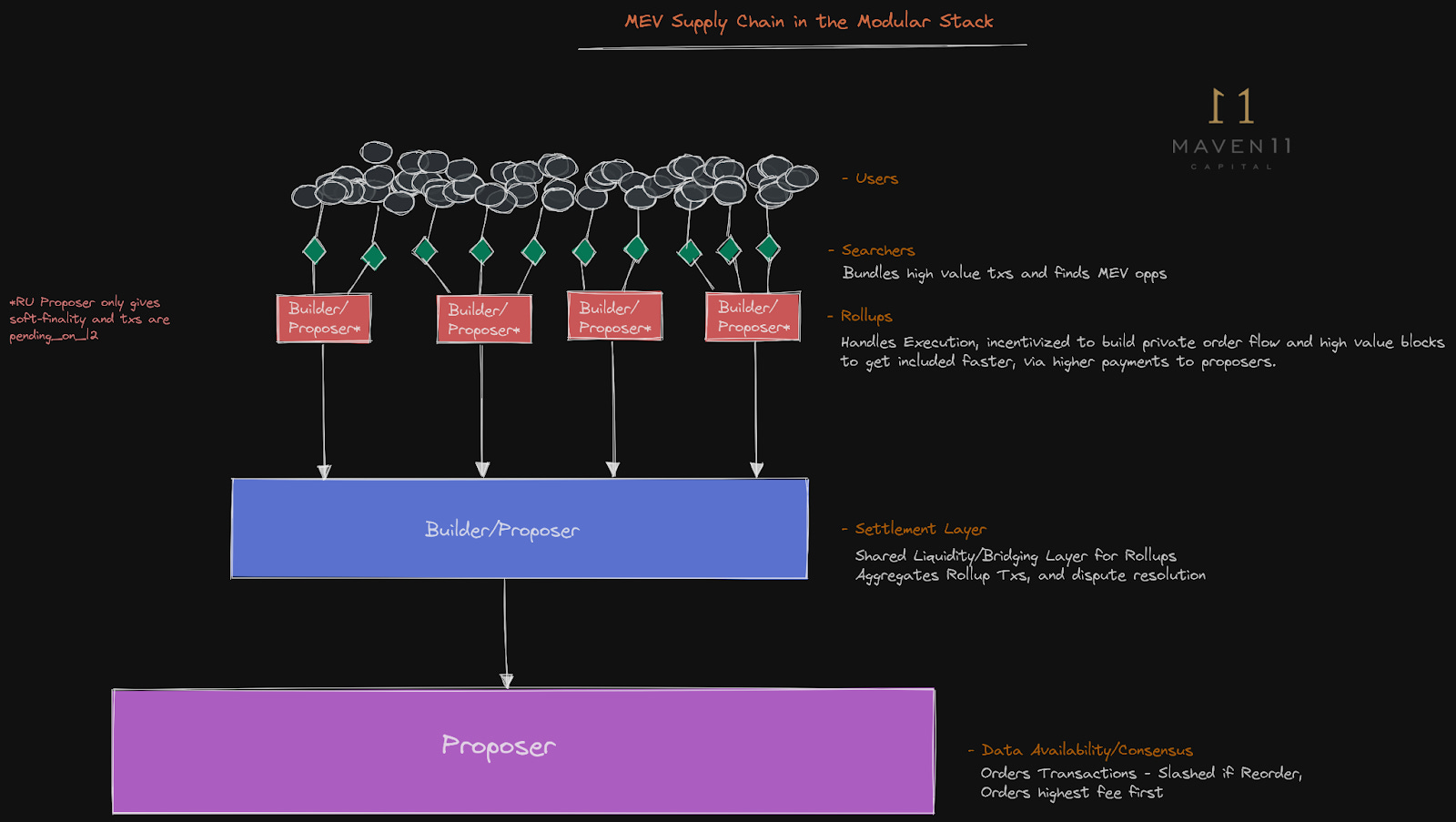
- Scalability and Cost Efficiency: By aggregating transactions off-chain and submitting proofs to mainnets like Ethereum or Polygon, RaaS platforms help projects reduce gas fees and increase throughput, ensuring cost-effective scaling.
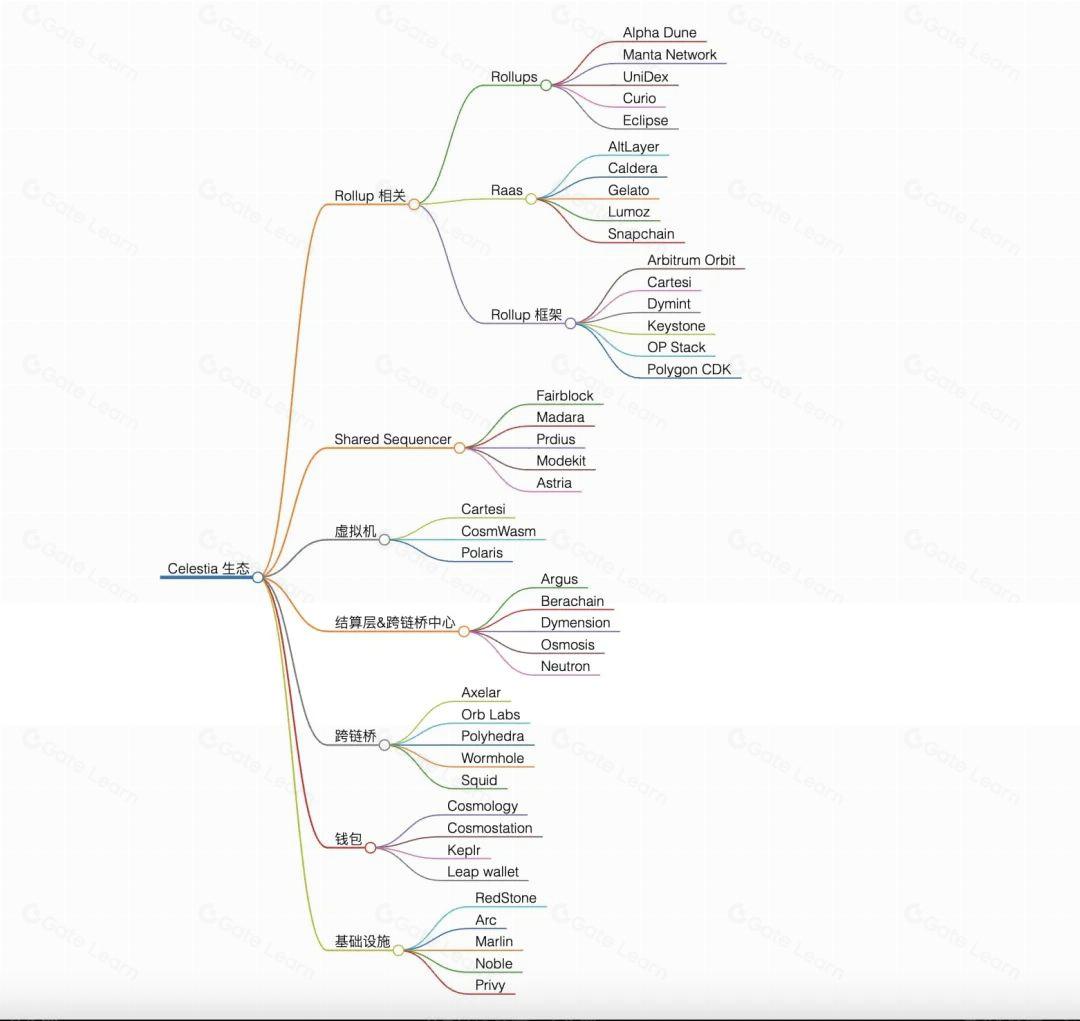
- Customizable Rollup Parameters: Solutions such as AltLayer provide modular architectures, letting projects tailor consensus, data availability, and bridging features to meet specific use-case requirements.
- Comprehensive Support and Monitoring: Managed RaaS offerings include ongoing monitoring, maintenance, and technical support, reducing operational overhead for projects without deep blockchain expertise.

This approach is especially valuable for startups or enterprises entering the blockchain space without deep protocol expertise. By leveraging pre-built modules and expert support, projects avoid costly missteps while ensuring their infrastructure remains secure and up-to-date with the latest advancements in rollup technology.
Customizability Without Compromise
Modern RaaS platforms empower projects to fine-tune every aspect of their app-chain, from transaction finality times to fee structures, without touching the underlying protocol code. Want instant settlement for a gaming tournament? Need programmable gas incentives for DeFi users? With abstractwatch. com’s modular stack, these features can be toggled on or off as needed.
This flexibility extends to onchain governance models, permissioning systems, data availability solutions (such as Celestia or EigenDA), and seamless cross-chain bridges. As a result, app-chain builders can respond rapidly to market demands or regulatory changes without major re-architecture.
Positioning Projects for Future Growth
The adoption curve for onchain apps continues to steepen as mainstream brands pilot web3 loyalty programs and digital collectibles. In this competitive environment, launching quickly, and scaling reliably, can make the difference between capturing market share or being left behind. RaaS platforms like abstractwatch. com lower the barrier to entry while providing enterprise-grade uptime and support.
Industry analysts predict that by late 2025, most high-growth web3 applications will run on custom rollups rather than shared L1s or L2s. The winners will be those who leverage RaaS not just as a deployment shortcut but as a strategic enabler of rapid iteration, security hardening, and ecosystem integration.
The bottom line: For app-chain projects aiming to scale fast without reinventing the wheel, Rollup-as-a-Service offers a pragmatic path forward. With providers like abstractwatch. com delivering modularity, reliability, and expert guidance out-of-the-box, teams can focus on what matters most: building next-generation blockchain applications that delight users at scale.




No comments yet. Be the first to share your thoughts!