
In 2026, Web3 gaming is exploding, with startups racing to build immersive app-chains that handle thousands of transactions per second for real-time battles, NFT trades, and player economies. Rollup-as-a-service (RaaS) platforms like the one from abstractwatch. com have become the secret weapon, slashing deployment times from months to days while delivering scalable app-chains startups crave. The global RaaS market, valued at $75.4 million in 2024, is on track to hit $354 million by 2032, driven by demands for high-throughput gaming experiences.
Gaming app-chains demand more than generic Layer 2s; they need custom rollups tuned for low-latency moves, asset minting, and cross-game interoperability. Providers like AltLayer have evolved into multi-ecosystem powerhouses, but the real differentiator lies in the infra stack underneath – transaction capacity, sequencer uptime, and upgrade speed directly impact player retention.
Why Blockchain Gaming Rollups Dominate 2026
Blockchain gaming rollups 2026 aren’t just hype; they’re necessity. Traditional chains choke on the volume of micro-transactions in play-to-earn models or metaverse worlds. Rollups process these off-chain, batching proofs back to Ethereum or other L1s for security without the gas wars. Startups using RaaS avoid the pitfalls of self-hosting sequencers, which often fail under peak loads like tournament weekends.

Take optimistic and ZK rollups: optimistic ones like Optimism stacks offer speed for casual gamers, while ZK proofs ensure ironclad finality for high-stakes PvP. RaaS abstracts this complexity, letting devs plug in game logic via SDKs. Zeeve and Alchemy highlight custom DeFi rollups, but for gaming, it’s about MEV resistance and elastic scaling to match player surges.
RaaS Web3 App-Chains: Infrastructure That Wins Games
RaaS web3 app-chains empower startups to launch production-grade chains with block explorers, data indexers, and APIs out of the box. Robust providers guarantee 99.99% uptime, critical when a sequencer outage means lost revenue from in-game purchases. Reddit threads from r/defi nail it: infra quality dictates latency under 100ms, vital for competitive edges in shooters or MOBAs.
Top 5 RaaS Benefits for Web3 Gaming Startups
-
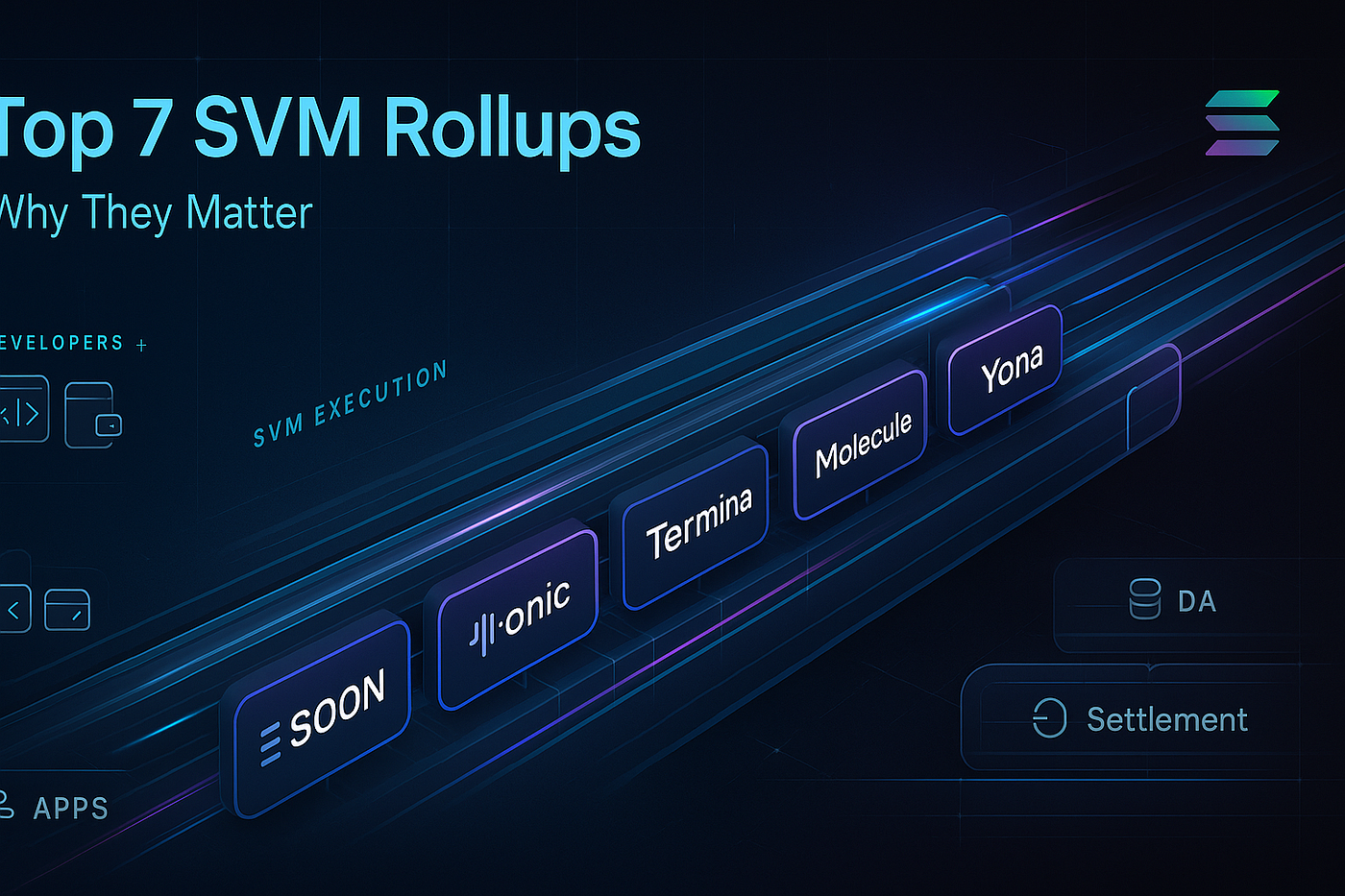
Sub-second latency for real-time gameplay via robust rollup infra, sequencer uptime, and high TX capacity (r/defi).
-
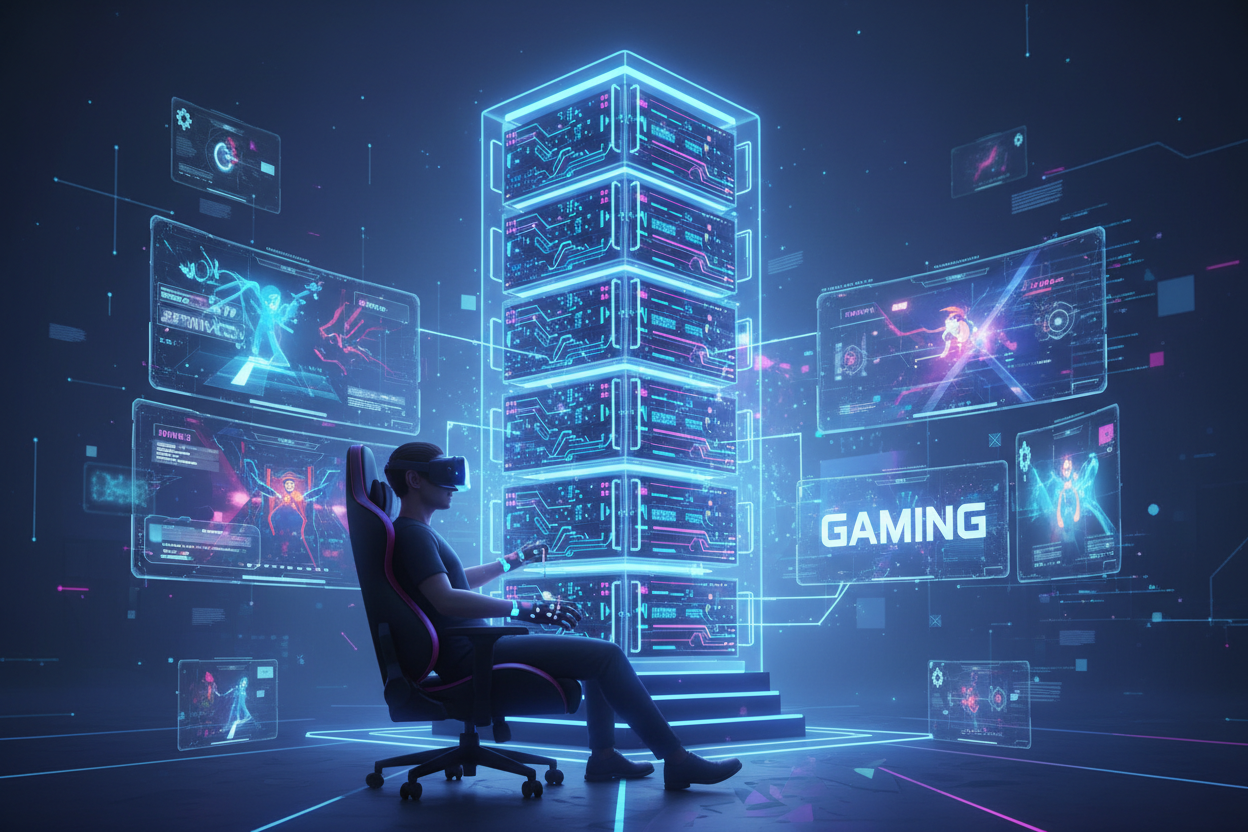
Customizable stacks (Optimism/ZK) for gaming app-chains, supported by AltLayer and Zeeve.
-
Zero-infra management: RaaS handles deployment, maintenance, and scaling for startups.
-
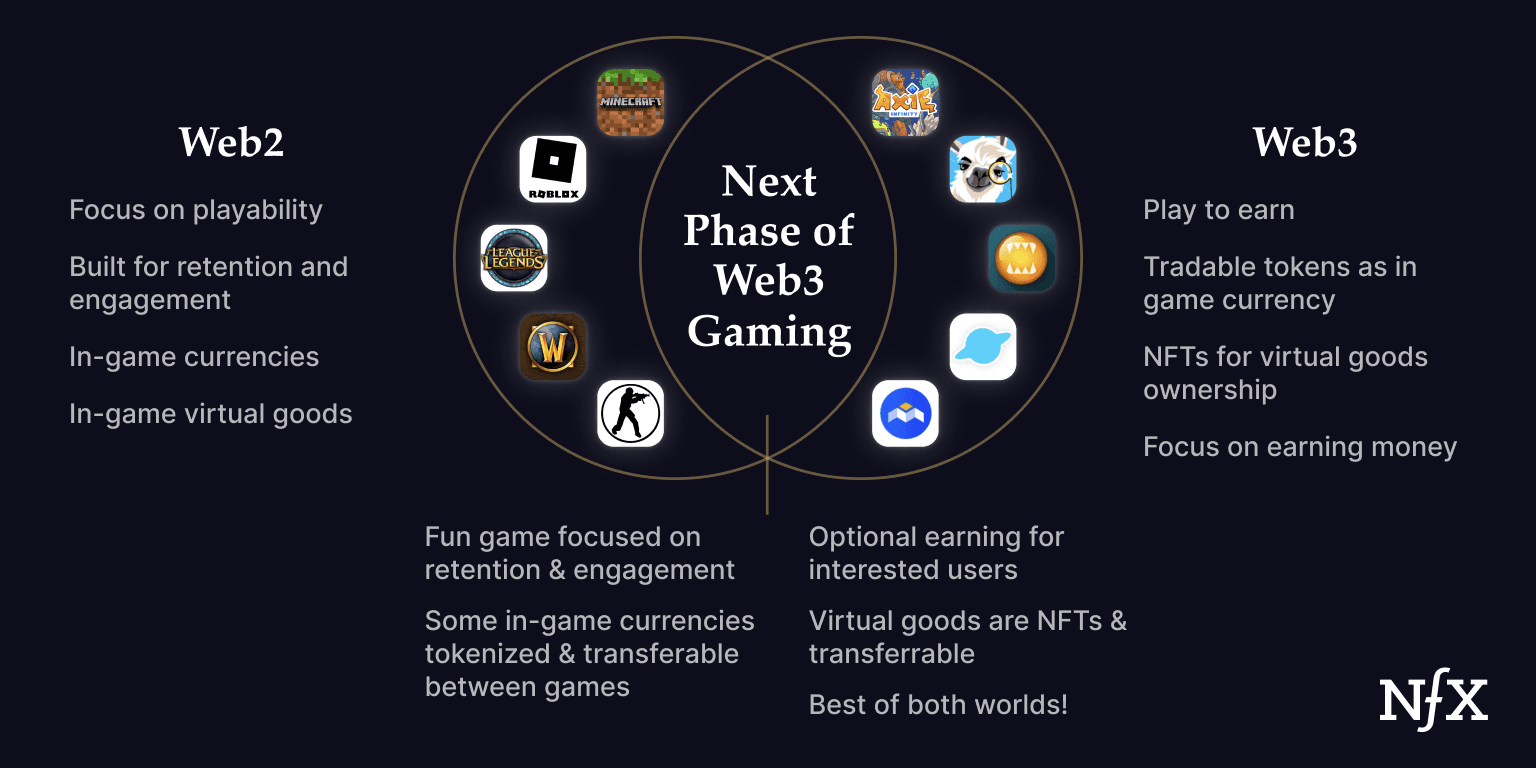
Integrated NFT marketplaces for seamless in-game assets on app-chains like Zeeve’s.
-
Cost savings up to 90% on scaling with massive throughput and lower costs (Zeeve).
Abstract rollup technology shines here, bundling game states efficiently to minimize data posting costs. Dysnix and Nasscom reports emphasize RaaS as the full stack for dApps, but gaming amps it up with needs like state channels for persistent worlds. Startups sidestep the engineer hunt, focusing on mechanics that hook millions.
Abstract Rollup Technology Games: Startup Accelerators
Abstract rollup technology games via Rollup-As-A-Service flip the script on development bottlenecks. Platforms like abstractwatch. com provide turnkey deployment for app-chains tailored to gaming – think seamless Ethereum settlement with sovereign control over upgrades. In 2026, with AltLayer pushing restaked rollups and Alchemy entering late 2024, competition sharpens, but the winners offer gaming-specific tools: elastic APIs for leaderboards, fraud-proofing for tournaments.
Instanodes lists top providers, yet abstractwatch. com stands out for uptime and docs that get chains live fast. Startups report 10x faster iterations, iterating on tokenomics without chain forks. This isn’t theory; it’s battle-tested for volatile player bases where every second counts.
Deploying a gaming app-chain starts with selecting the right RaaS stack, one that handles the chaos of live events without flinching. Abstractwatch. com’s platform excels here, offering rollup as a service gaming optimized for player-driven economies where NFT drops trigger thousands of claims per minute. Forget wrestling with node operators; their service provisions sequencers that scale elastically, keeping latency under 50ms even during global launches.
Scaling Play-to-Earn Economies Seamlessly
Gaming startups thrive when rollups batch player actions – loot trades, skill upgrades, guild wars – into compact proofs. This scalable app-chains startups need prevents congestion on L1s, slashing fees by 90% or more. Providers like Alchemy bring developer tools, but abstractwatch. com layers on gaming primitives: integrated oracles for random loot generation, MEV protection to stop bots from front-running trades. Zeeve touts DeFi security, yet gaming demands anti-griefing mechanics baked into the chain.
Deploy Web3 Gaming App-Chain with RaaS: 5 Actionable Steps
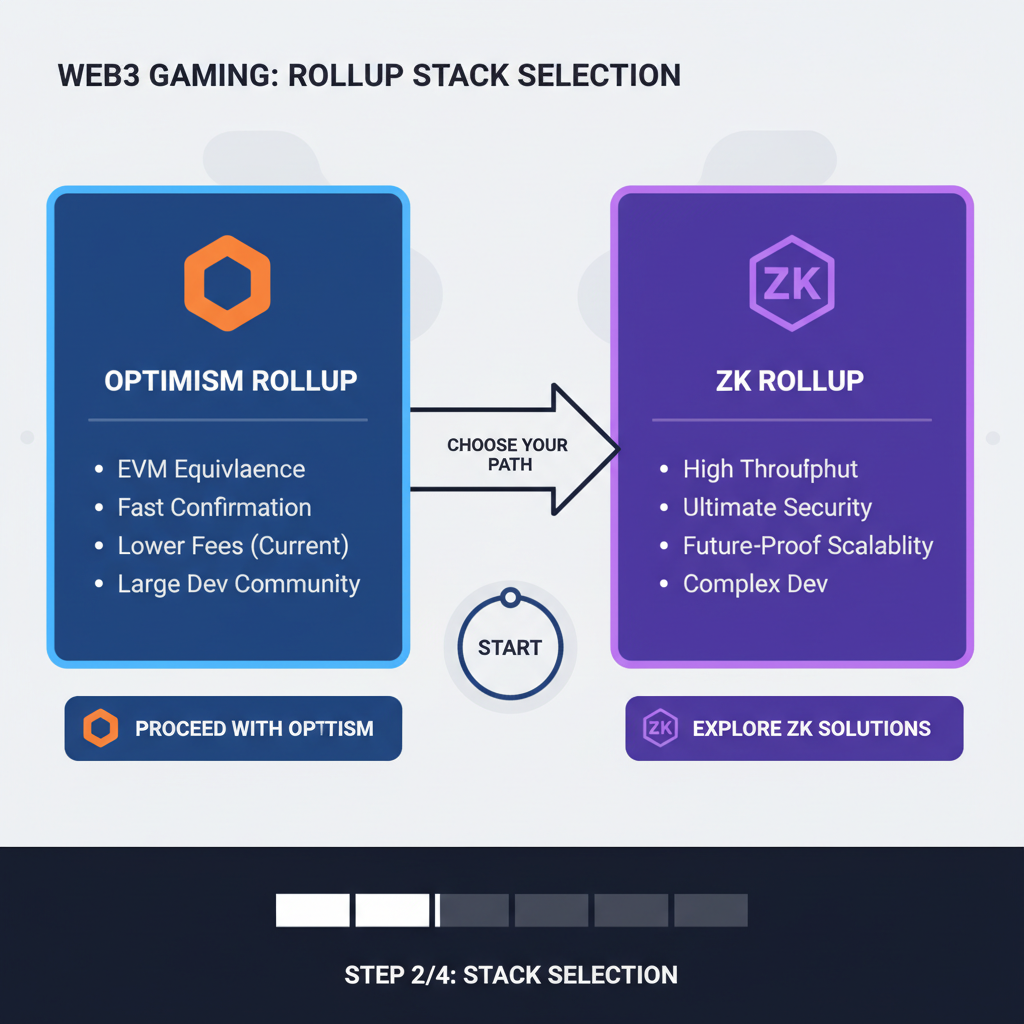
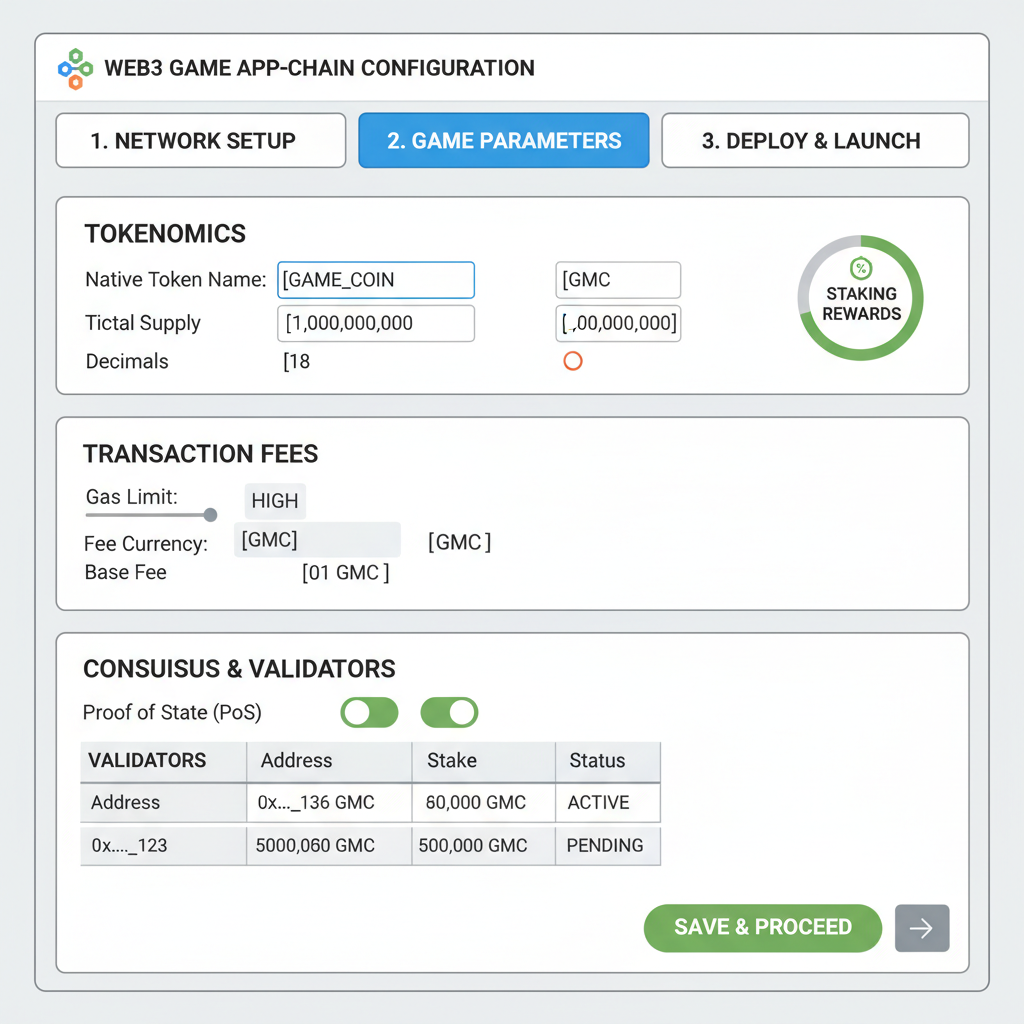
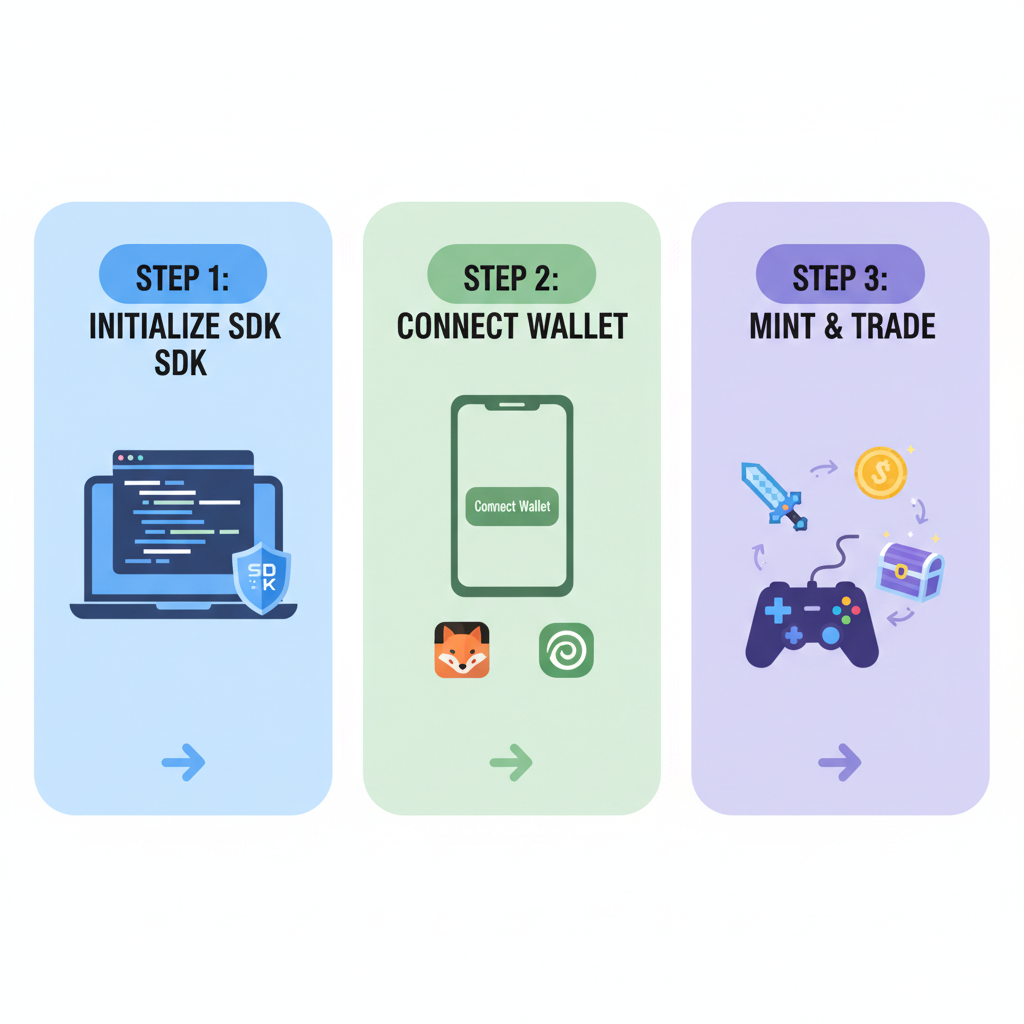
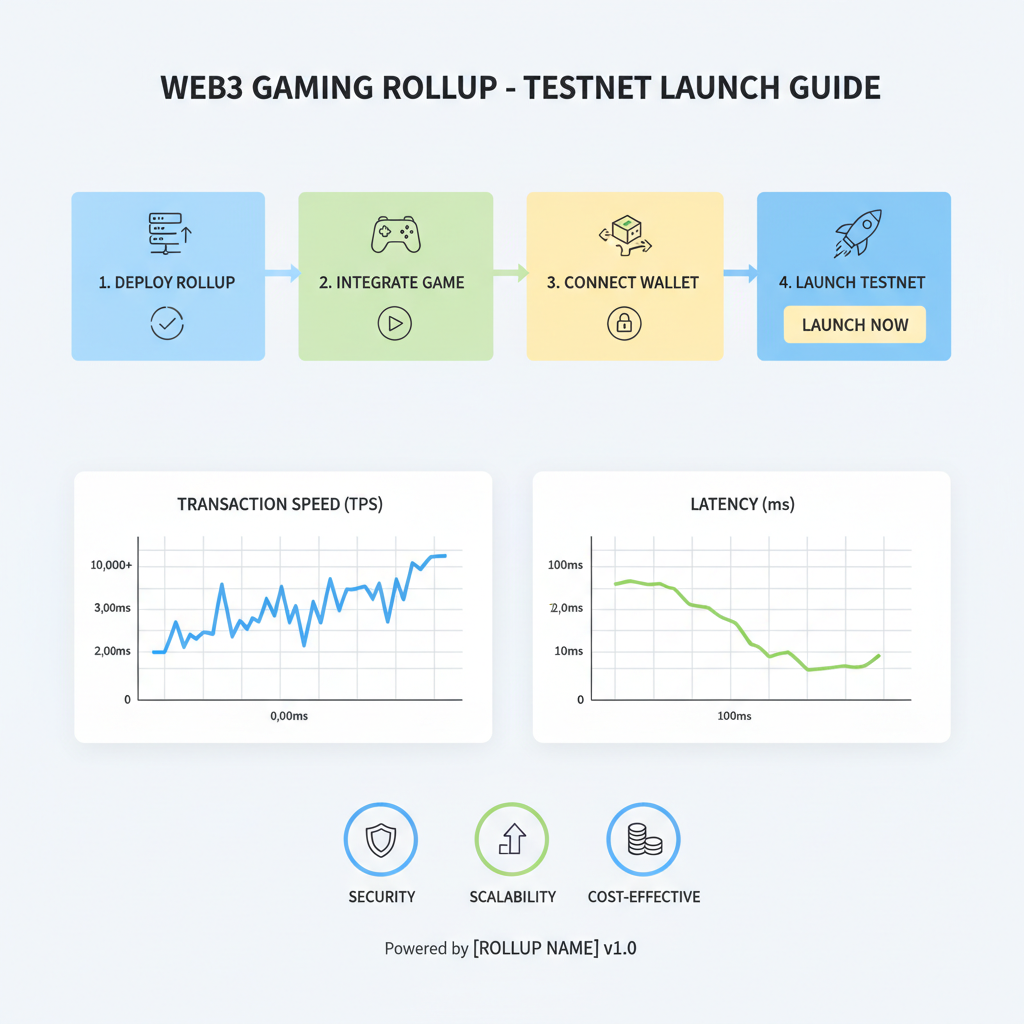
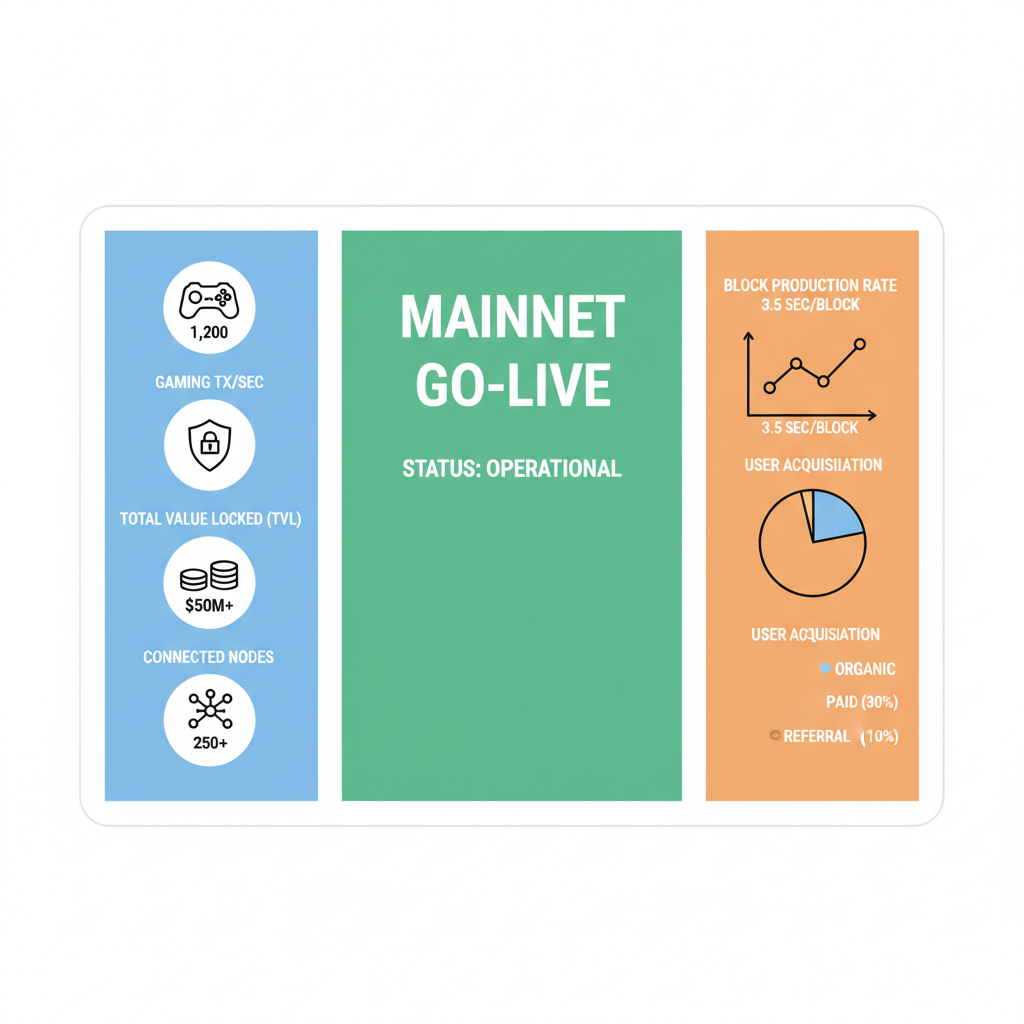
Once live, monitor via built-in explorers that track on-chain events like arena battles or marketplace volumes. Upgrades roll out without downtime, letting teams tweak token emissions based on retention data. This agility turns good games into legends, as seen in projects hitting 100k DAUs without infra headaches.
Real-World Wins: RaaS in Action
Consider a startup building a metaverse shooter: RaaS handles 10k TPS spikes from squad matches, posting validity proofs weekly. AltLayer’s restaked model adds economic security, but abstractwatch. com’s docs streamline SDK integration for Unity devs. Reddit devs swear by infra that upgrades monthly, avoiding stale stacks that lag competitors.
Key RaaS Providers for Gaming Rollups 2026
-
Abstractwatch.com: Gaming-tuned abstract rollups for optimized Web3 gaming performance.
-
Zeeve: Custom high-throughput chains with elastic APIs, block explorers & data indexing for gaming app-chains. zeeve.io
-
Alchemy: Reliable post-2024 RaaS entrant with robust infrastructure for transaction capacity & uptime.
-
AltLayer: Multi-stack restaking for native & restaked optimistic/ZK rollups, evolved for multi-ecosystem scaling.
-
Instanodes: Top choice for sequencer uptime, latency & upgrade frequency in gaming rollups.
Market projections back this: RaaS exploding to $354 million by 2032 means more tools, fiercer innovation. Startups ignoring RaaS risk commoditized chains; those embracing it own niches like persistent worlds or cross-game assets. Vocal. media flags top 2026 watchers, but the edge goes to platforms prioritizing sequencer resilience over generic L2s.
Read how rollup-as-a-service empowers appchain deployment for Web3 startups in related guides. For gaming, abstractwatch. com delivers the full package: deploy today, dominate tomorrow. Their expert support turns infra novices into chain operators overnight, with uptime that outpaces the field. Player bases grow, revenues compound, all on chains built to last through 2026’s bull runs and beyond.
About the Author