


In a blockchain landscape where Ethereum trades at $2,035.03 after a 4.15% dip over the past 24 hours, developers face mounting pressure to deliver scalable decentralized applications without the drag of high fees or sluggish throughput. Rollup-as-a-service (RaaS) emerges as a pragmatic lifeline, abstracting away the infrastructure nightmares that once plagued custom app-chain deployment. Platforms like Rollup-As-A-Service from abstractwatch. com enable teams to launch secure, tailored rollups swiftly, letting innovation take center stage over server wrangling.

This shift matters now more than ever. With the RaaS market poised to balloon from $89.2 million in 2025 to $354 million by 2032 at a 20.5% CAGR, according to Intel Market Research, blockchain builders ignore these tools at their peril. Abstract rollups, in particular, offer a modular edge, bundling execution, settlement, and data availability into cohesive stacks that scale seamlessly.
Why RaaS Outpaces Traditional App-Chain Builds
Building an app-chain from scratch demands expertise in node management, sequencer ops, and prover networks; most teams lack the bandwidth. RaaS flips this script with seamless rollup deployment, handing over pre-vetted stacks like Optimistic or ZK rollups. Take Gelato’s 1-click testnet setup: pick a name, framework, settlement layer like Ethereum, data availability via Celestia or EigenDA, tweak Web3 APIs, and deploy in 30 minutes. The dashboard unlocks explorers, bridges, and metrics instantly.
Alchemy mirrors this efficiency, supporting OP Stack, Arbitrum Orbit, and ZK Stack with free deploys. QuickNode’s guides drill into L2/L3 nuances, while Tokyo Techie’s low-code platform caters to enterprises craving ZK security without the PhD in cryptography. These aren’t gimmicks; they’re battle-tested paths to scalable app-chains that handle real volume.
Navigating Rollup Types for Your Blockchain RaaS Platform
Optimistic rollups assume validity, challenging fraud with 7-day windows; they’re mature, EVM-friendly, and suit high-throughput dApps. ZK rollups prove execution cryptographically upfront, slashing latency and boosting trust-minimized bridges. Hybrid models loom in 2026 predictions from MEXC, blending AI agents and modular data layers.
For fintech eyeing zkrollups. io’s top 25 projects, ZK’s sub-second finality trumps Optimism’s delays. Yet, cost rules: opBNB on BNB Chain delivers cheap deploys. Abstractwatch. com’s Rollup-As-A-Service leans into abstract rollups, customizing these for bespoke logic while upholding enterprise uptime and support.
Ethereum (ETH) Price Prediction 2027-2032
Forecasts aligned with Rollup-as-a-Service (RaaS) market growth from $89.2M in 2025 to $354M by 2032 at 20.5% CAGR
| Year | Minimum Price ($) | Average Price ($) | Maximum Price ($) |
|---|---|---|---|
| 2027 | $1,800 | $3,200 | $5,500 |
| 2028 | $2,200 | $4,200 | $7,500 |
| 2029 | $2,800 | $5,800 | $11,000 |
| 2030 | $3,500 | $8,000 | $15,000 |
| 2031 | $4,500 | $11,000 | $20,000 |
| 2032 | $6,000 | $15,000 | $25,000 |
Price Prediction Summary
Ethereum (ETH) is forecasted to experience substantial growth driven by RaaS-enabled Layer 2 scalability, with average prices rising from $3,200 in 2027 to $15,000 by 2032. Bullish maxima reflect high adoption scenarios, while minima account for market cycles and regulatory risks.
Key Factors Affecting Ethereum Price
- RaaS market expansion boosting ETH L2 transaction fees and TVL
- Leading providers like Gelato, Alchemy, and QuickNode simplifying app-chain deployments
- Layer 2 rollup adoption (Optimistic, ZK) enhancing Ethereum network efficiency
- Crypto market cycles, ETF approvals, and macroeconomic factors
- Technological upgrades and competition from alternative L1/L2 ecosystems
Disclaimer: Cryptocurrency price predictions are speculative and based on current market analysis.
Actual prices may vary significantly due to market volatility, regulatory changes, and other factors.
Always do your own research before making investment decisions.
Choosing hinges on your stack. Cosmos SDK or Substrate shine for sovereign chains, but zkSync and Polygon zkEVM dominate RaaS for Ethereum alignment, per Instanodes’ 2026 frameworks rundown.
Streamlining Custom Rollup Launch with Proven Steps
Zero in on prerequisites: define throughput targets, say 100k TPS; select settlement (Ethereum at $2,035.03 anchors security); opt data availability. Providers like Alchemy dashboard this intuitively. Post-launch, monitor via RPC endpoints and faucets.
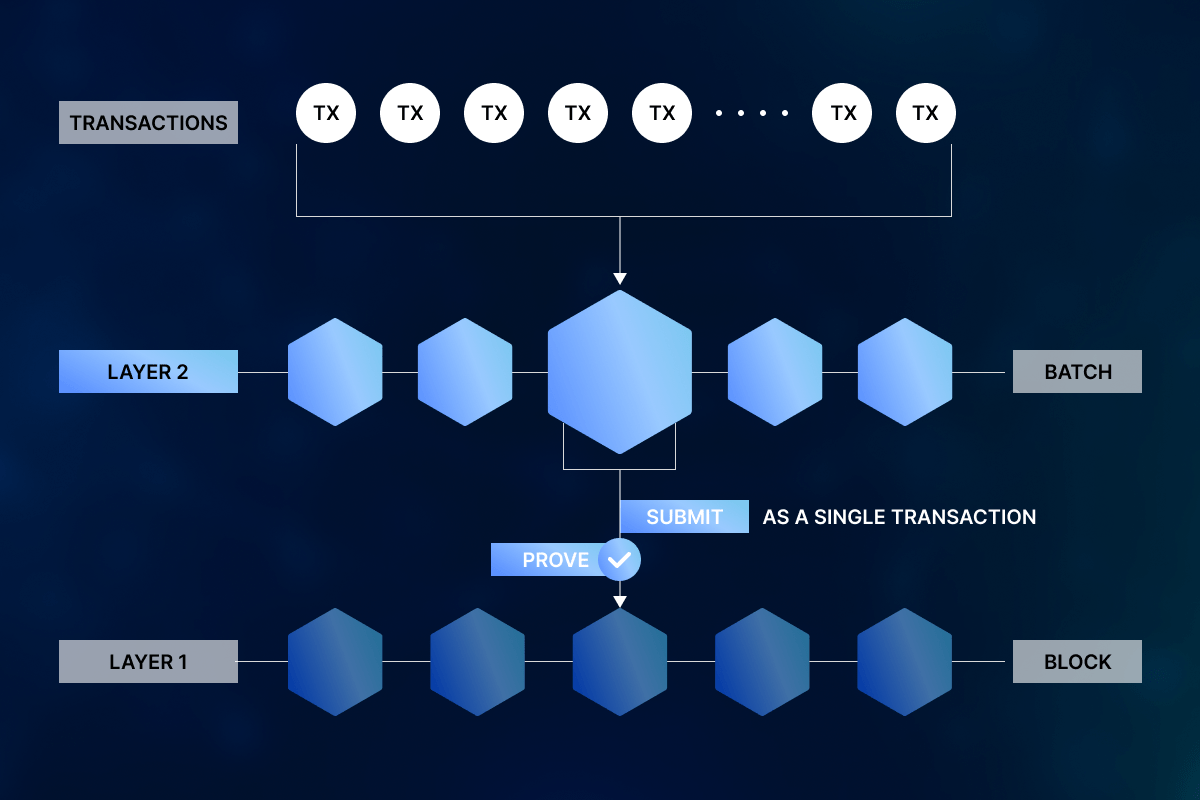
Dive deeper into execution with our step-by-step guide, tailored for frictionless outcomes. Dysnix and Zeeve underscore RaaS’s throughput boost, batching thousands of TXs off-chain for mainnet efficiency. Tatum. io weighs Optimistic vs. ZK for Web3 apps, but RaaS unifies access, democratizing app chain deployment.
Security isn’t optional; RaaS bakes in audited provers and decentralized sequencers, sidestepping solo node risks. Vocal. media flags providers to watch, yet abstractwatch. com stands out for developer-centric docs and 99.99% uptime, fueling portfolios resilient amid volatility.
Enterprises deploying via RaaS sidestep these pitfalls, channeling resources into dApp logic that drives adoption. Abstractwatch. com’s Rollup-As-A-Service exemplifies this, delivering custom rollup launch capabilities with granular control over abstract rollups, minus the ops overhead.
RaaS Cost Breakdown: Value Over Vanilla Infra
Predictable pricing defines RaaS appeal. Gelato charges based on compute and storage post-testnet, while Alchemy’s free tier scales to production seamlessly. QuickNode bundles RPCs and monitoring, often under $1,000 monthly for mid-tier chains. Tokyo Techie pitches enterprise packages north of $10k, suiting regulated fintechs.
Contrast this with self-hosted: $50k and upfront for nodes, plus ongoing sequencer costs. At Ethereum’s current $2,035.03 price tag, gas for settlements stays manageable, but RaaS optimizes further via batching. Dysnix notes throughput jumps 10-100x; for startups, this translates to sub-cent TX fees at volume, fueling scalable app chains.
Comparison of Top Rollup-as-a-Service (RaaS) Providers
| Provider | Deployment Time | Supported Rollup Types | Pricing Tiers | Key Features |
|---|---|---|---|---|
| Gelato | ~30 minutes (testnet) | Optimistic ✅, ZK ✅ | Custom (contact sales) | 1-click deployment, Dashboard (explorer, bridging, analytics) |
| Alchemy | Minutes (self-serve) | Optimistic (OP Stack, Arbitrum Orbit) ✅, ZK (ZK Stack) ✅ | Free deployment | Native developer tools, Scale to millions |
| QuickNode | Varies (guide-based) | Optimistic ✅ (e.g., Optimism L2), ZK ? | Custom (contact sales) | Comprehensive guides for custom L2/L3 rollups |
| Tokyo Techie | Quick (low-code) | Optimistic ✅, ZK ✅ | Custom (contact sales) | Low-code platform, Robust scalability, Enterprise-grade security |
| AbstractWatch.com | N/A | N/A | N/A | N/A |
Abstractwatch. com edges competitors with its focus on abstract rollups, blending ZK proofs and optimistic efficiency into hybrid stacks tailored for bespoke use cases. No vendor lock-in; export configs anytime.
Deployment Mastery: Hands-On Blueprint for Blockchain RaaS Success
Teams ready to act follow a disciplined path. Start with stack audit: EVM compatibility? TPS needs? Then prototype on testnets. Abstractwatch. com streamlines via intuitive UIs, mirroring Gelato’s flow but with deeper customization.
5-Step RaaS Guide: Deploy Secure Custom App-Chains Hassle-Free
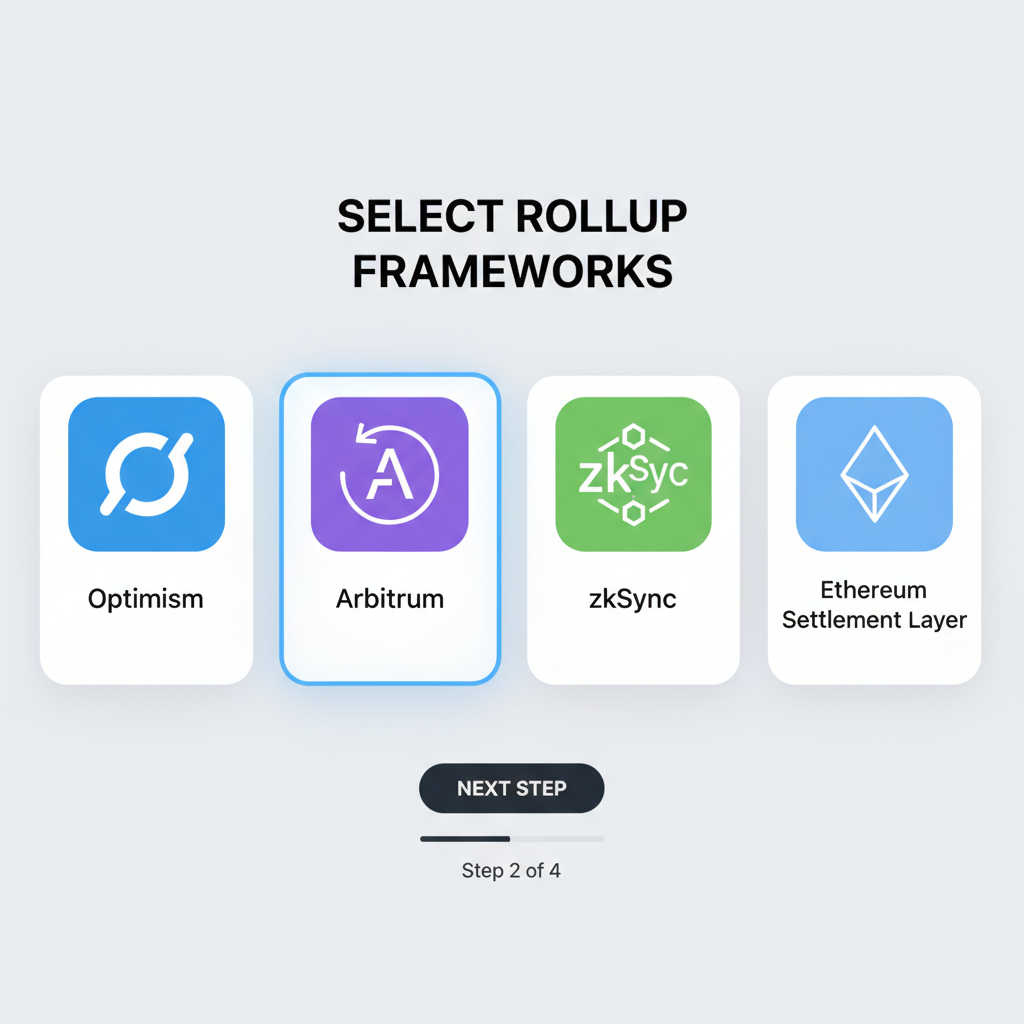
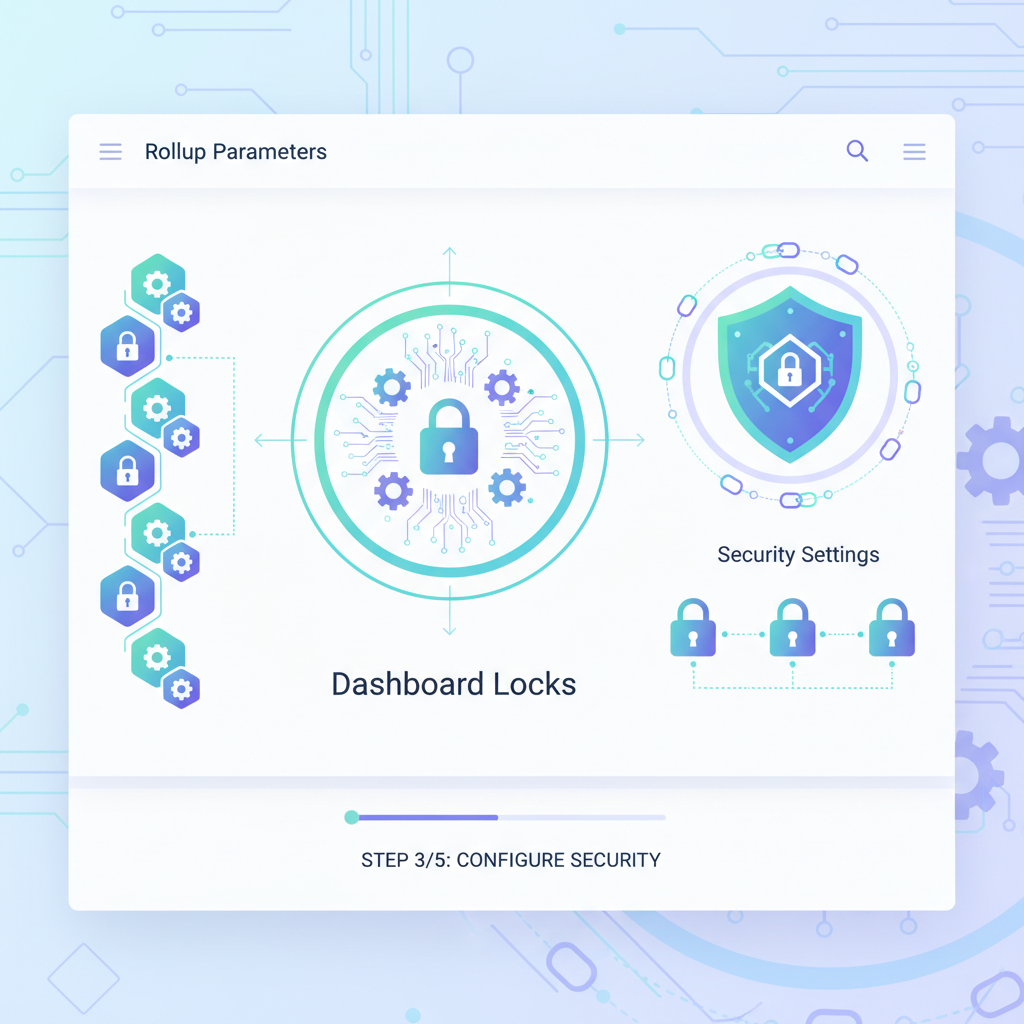
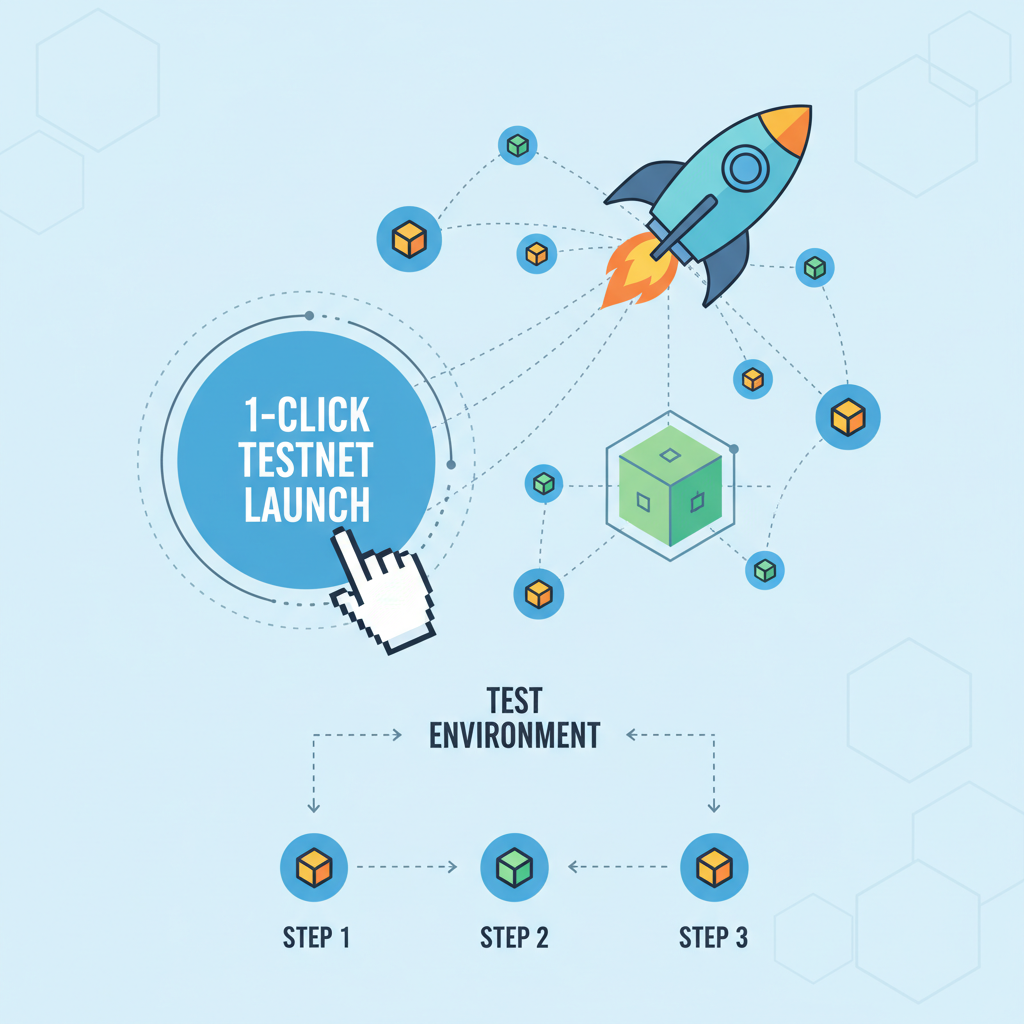
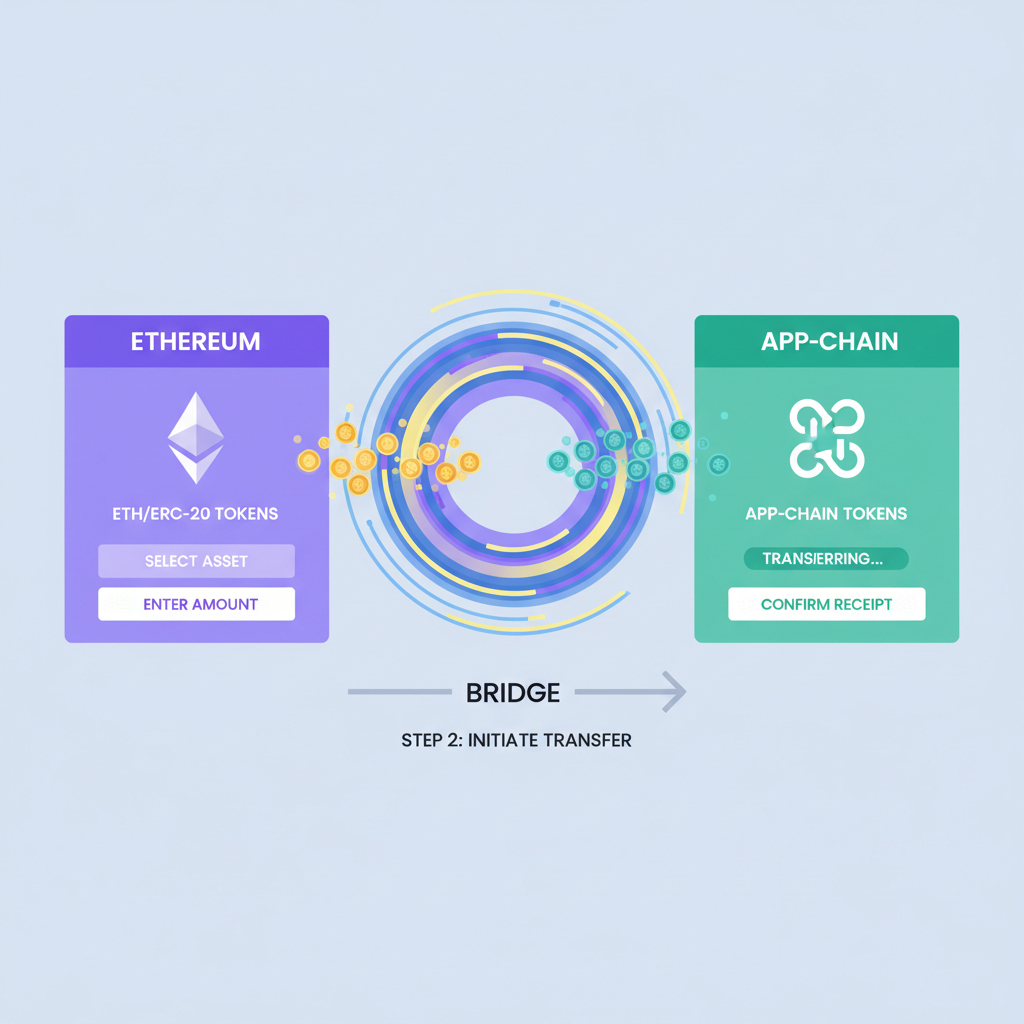
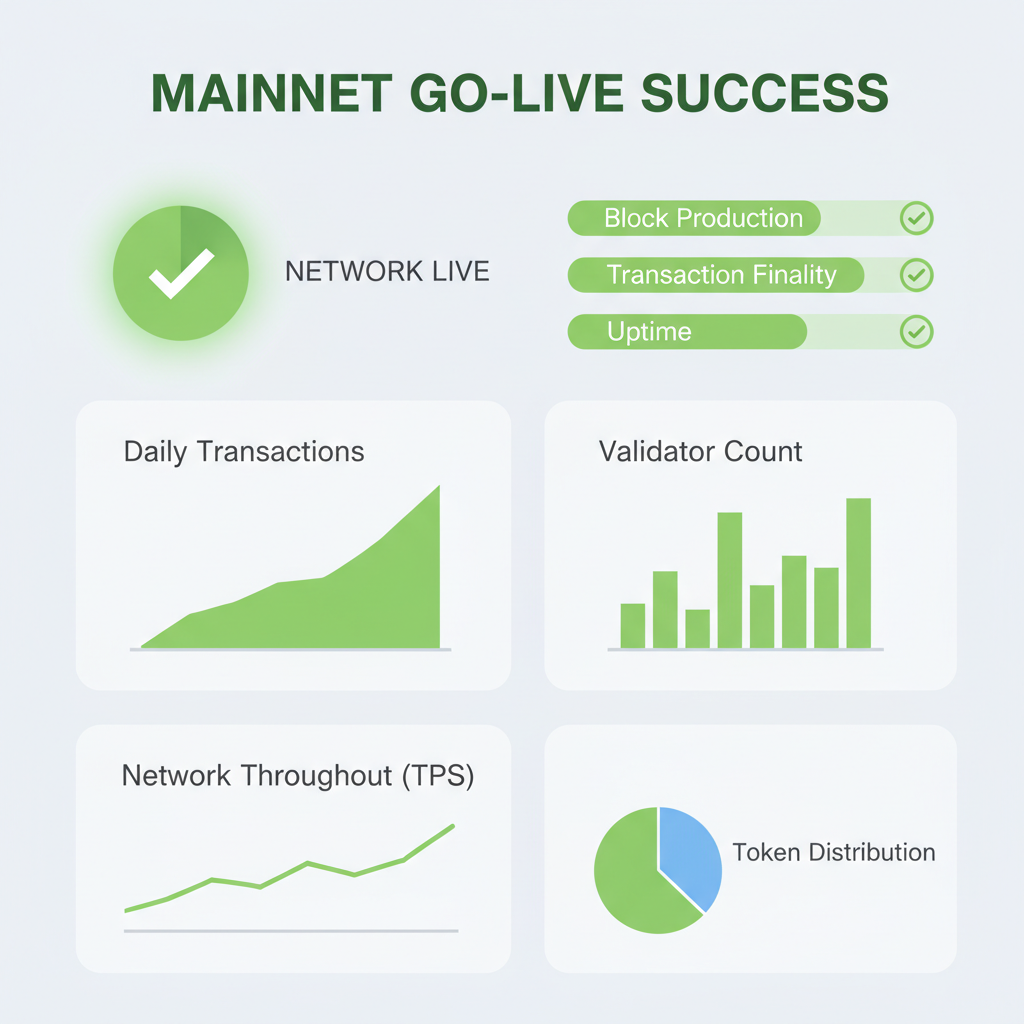
This blueprint, echoed in our detailed walkthrough, cuts weeks to hours. Post-deploy, leverage analytics for optimization; providers furnish faucets, explorers, and bridges out-of-box.
Top Benefits Driving RaaS Adoption
Key RaaS Advantages
-

Rapid deployment in minutes, not months – Gelato enables 1-click testnet setup in ~30 minutes.
-

Built-in security & audits – Providers like Tokyo Techie offer enterprise-grade security for custom rollups.
-
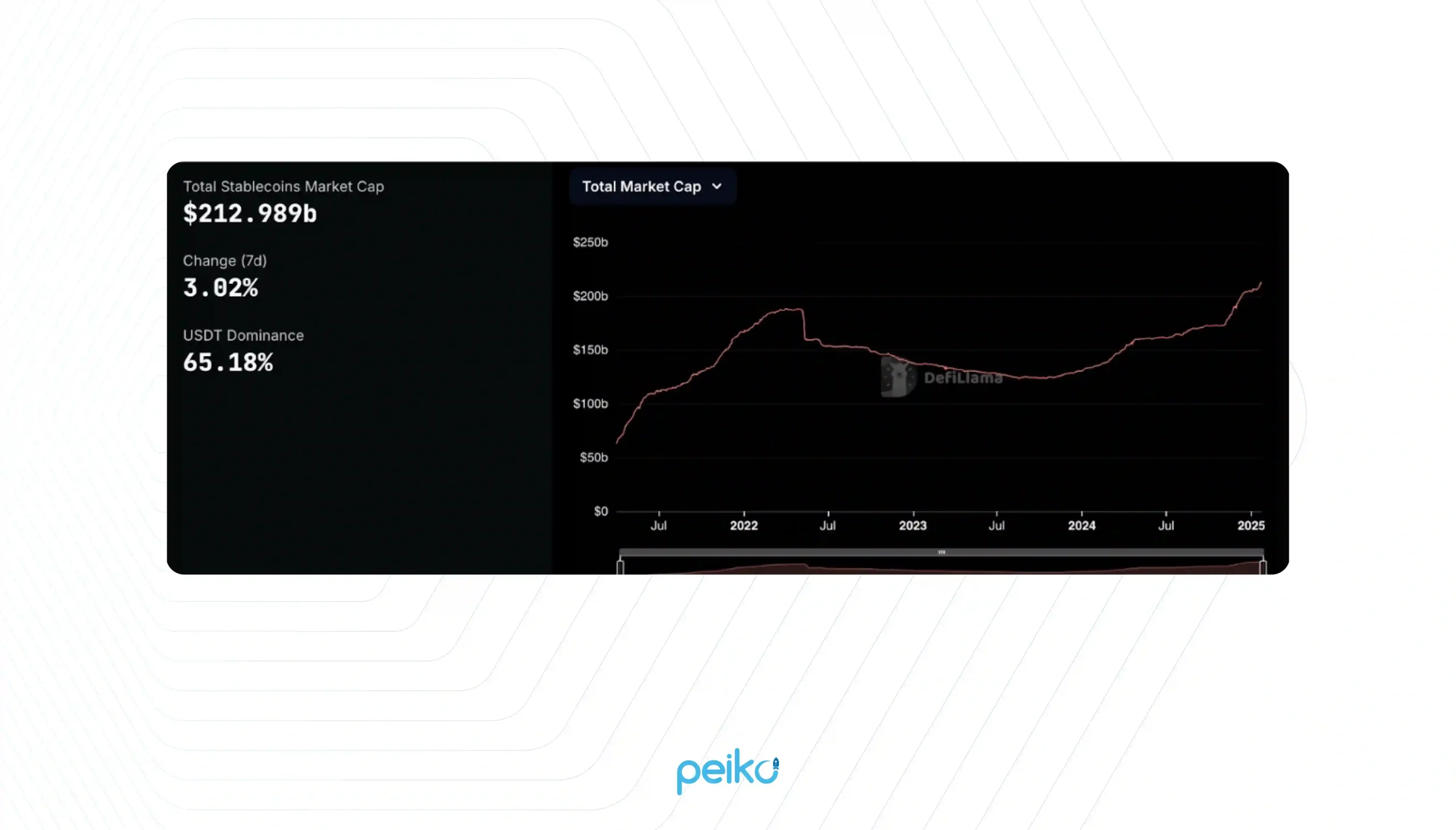
Cost savings vs. self-hosting – Alchemy allows free rollup deployment.
-
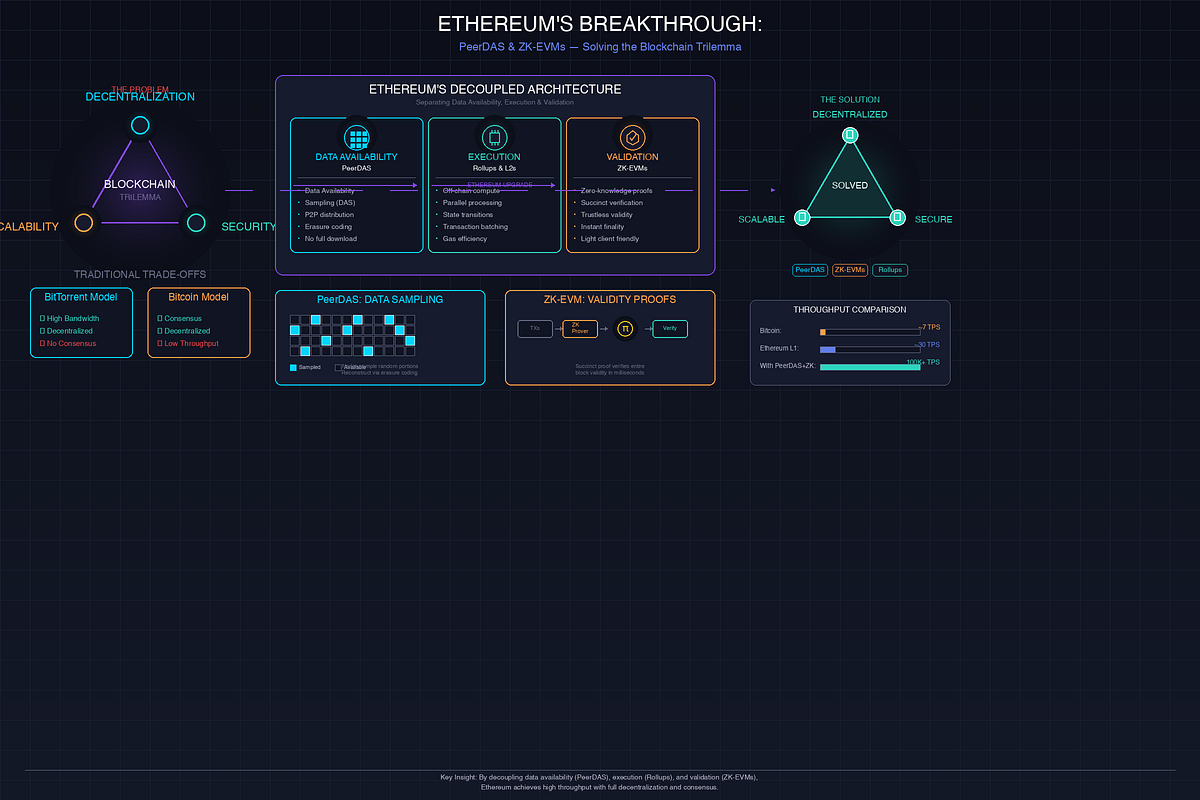
Scalable to millions TPS – Alchemy RaaS scales ambitious teams to millions of transactions.
-
Expert support & docs – Comprehensive guides from QuickNode and others.
-
Seamless Ethereum integration at $2,035.03 ETH – Easy L2 settlement on Ethereum mainnet.
These perks compound in volatile markets. With ETH down 4.15% to $2,035.03, L2s preserve value via efficiency. Zeeve’s deep dive spotlights RaaS as scalability’s future; MEXC predicts modular dominance by 2026, AI-augmented rollups processing intents autonomously.
Vocal. media and zkrollups. io highlight leaders, but for pragmatic builders, abstractwatch. com’s blockchain raas platform delivers without hype. Sovereign control meets plug-and-play: customize governance, tokens, even DA layers like EigenDA.
BNB Chain’s opBNB proves cost kings on alt-L1s, yet Ethereum ecosystems command liquidity. Instanodes ranks zkSync tops for 2026 frameworks; pair with RaaS, and you’re future-proofed. Tatum. io advises matching rollup type to app: DeFi favors ZK, gaming Optimistic.
Developers prioritizing seamless rollup deployment converge on platforms like ours. Launch today, scale tomorrow. Abstractwatch. com equips you with docs, support, and uptime that fortifies against downturns, ensuring your app-chain thrives as Ethereum holds $2,035.03 amid flux.
About the Author