


In 2026, blockchain startups are no longer chained to months of coding drudgery for custom rollups. Rollup-as-a-Service (RaaS) platforms have flipped the script, handing non-technical founders the keys to no-code rollup deployment. Picture launching a tailored app-chain that scales like Ethereum but feels as intuitive as dragging and dropping app elements. With Ethereum trading at $2,343.76 after a solid and 4.70% 24-hour gain, the timing could not be better for Layer 2 innovation.
This shift matters because traditional rollup builds demand deep expertise in zero-knowledge proofs or optimistic mechanisms, often costing six figures and delaying launches. RaaS changes that. Providers bundle enterprise-grade infrastructure, slashing setup from quarters to days. Startups now prioritize user acquisition over node wrangling, fueling a market exploding from $89.2 million in 2025 to a projected $354 million by 2032 at a 20.5% CAGR, per Intel Market Research.
Why No-Code Tools Are Game-Changers for Custom App-Chain Launches
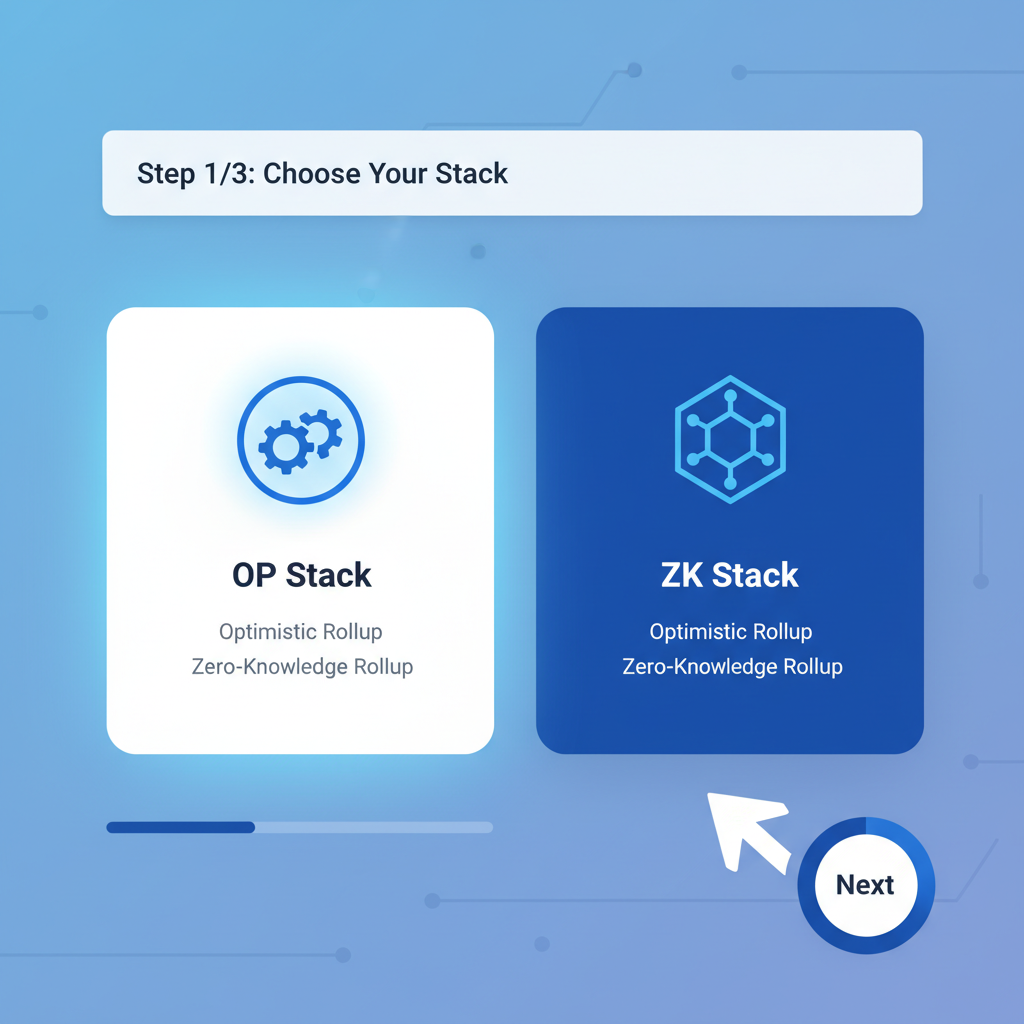
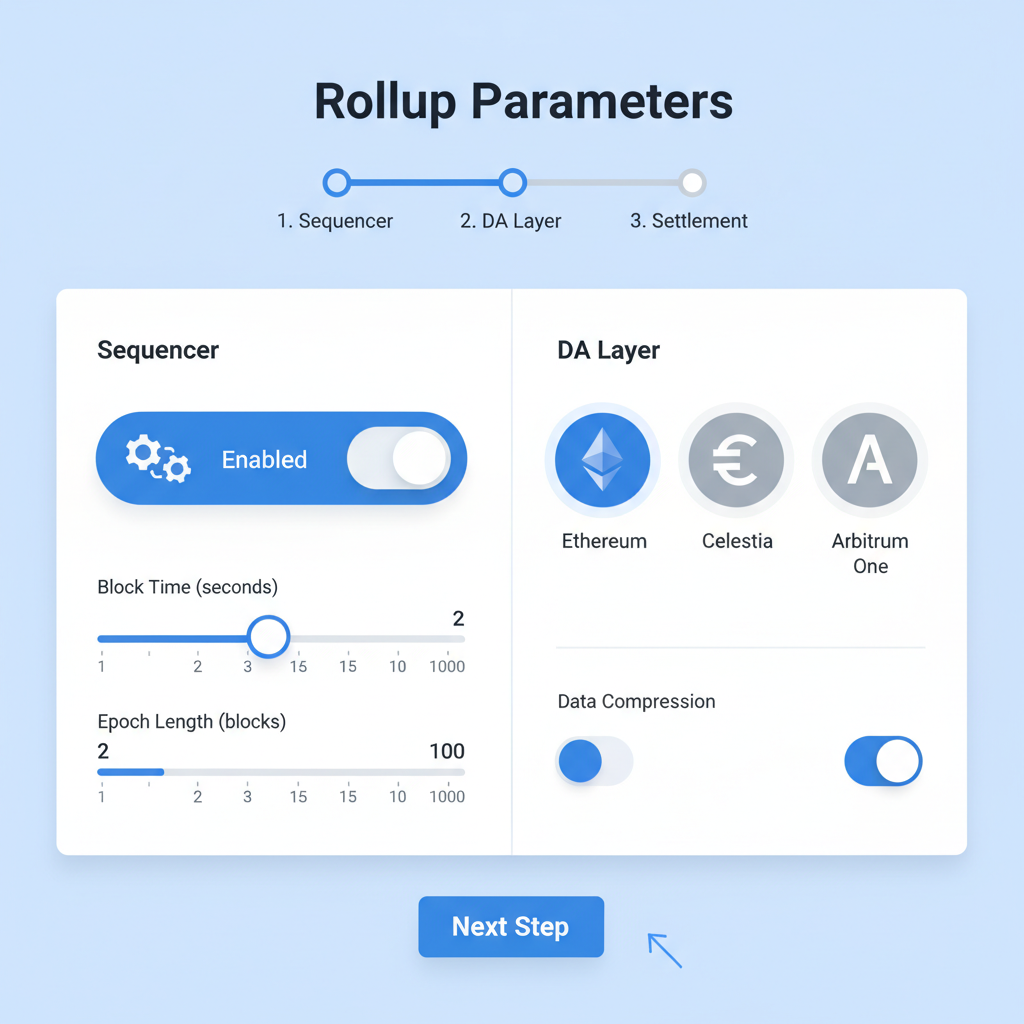
Blockchain founders in 2026 crave speed without sacrificing sovereignty. Custom app chain launch via no-code RaaS delivers both. Platforms like Zeeve offer drag-and-drop interfaces for zkRollups or Optimistic Rollups, complete with monitoring dashboards and Ethereum-level security. No more wrestling Solidity contracts or sequencer configs; select your stack, tweak parameters, deploy.
Take a DeFi startup eyeing high-throughput trading. Instead of hiring a team for bespoke infrastructure, they spin up a rollup in hours. Zeeve’s no-code platform, highlighted in Alchemy’s 2025 RaaS list, exemplifies this with enterprise SLAs. Meanwhile, leaders like Caldera and Alchemy Rollups add EVM compatibility, letting teams port dApps seamlessly. The result? Lower gas fees, faster finality, and costs dropping 80-90% versus mainnet.
Zeeve’s Rollups-as-a-Service platform enables launching your Optimistic or zk Rollups with enterprise-grade infrastructure, Enterprise SLA, and security.
This democratization echoes no-code app builders like Bubble or Replit, but for blockchains. As Emergent notes on 2026’s top no-code tools, these platforms empower startups to scale powerful apps without devs. In RaaS, abstract rollup technology 2026 abstracts complexities further, pre-configuring data availability layers and bridges.
RaaS Providers Leading the No-Code Revolution
A handful of RaaS frontrunners dominate 2026’s landscape. Zeeve stands out for its no-code zkRollup and OP Rollup launches, as Vocal Media flags in top providers to watch. Their monitoring and management tools keep chains humming at 99.99% uptime.
Caldera, Conduit, Alchemy, and Gelato round out the pack, per updated market scans. Caldera’s metalayer unifies rollups across ecosystems, while Gelato’s automation handles relayers. Dysnix’s executive guide underscores rollups’ core: off-chain TX processing with on-chain settlement, now accessible sans code.
| Provider | Key No-Code Feature | Rollup Types |
|---|---|---|
| Zeeve | Drag-and-drop dashboard | zk, OP |
| Caldera | Pre-built templates | Custom L2 |
| Alchemy | API-driven deployment | OP Stack |
These tools shine for startups lacking blockchain PhDs. LinkedIn’s top 7 RaaS picks praise tailor-made frameworks boosting efficiency. Yet, the real edge lies in integration: one-click bridges to Ethereum, where ETH’s stability at $2,343.76 underpins L2 economics.
Ethereum (ETH) Price Prediction 2027-2032
Annual forecasts factoring Rollup-as-a-Service (RaaS) growth impact on scalability, adoption, and Layer 2 expansion from 2026 baseline ($2,344)
| Year | Minimum Price | Average Price | Maximum Price | YoY % Change (Avg from Prev Year) |
|---|---|---|---|---|
| 2027 | $3,200 | $4,800 | $7,500 | +60% |
| 2028 | $4,000 | $6,500 | $11,000 | +35% |
| 2029 | $5,200 | $8,700 | $15,000 | +34% |
| 2030 | $6,500 | $11,500 | $20,000 | +32% |
| 2031 | $8,000 | $15,000 | $26,000 | +30% |
| 2032 | $10,000 | $19,500 | $35,000 | +30% |
Price Prediction Summary
Ethereum (ETH) is projected to experience robust growth from 2027-2032, driven by RaaS platforms like Caldera, Alchemy, and Zeeve enabling no-code custom rollup deployments. This boosts L2 scalability, reduces costs for startups, and increases network adoption. Minimum prices reflect bearish cycles or regulatory hurdles; maximums assume bull markets and mass adoption. Average annual growth ~37%, potentially reaching $19,500 by 2032.
Key Factors Affecting Ethereum Price
- RaaS market expansion (CAGR 20.5% to $354M by 2032) enhancing ETH L2 throughput
- Improved scalability reducing congestion and attracting DeFi/Web3 startups
- Market cycles: Post-2026 bull run with halvings and ETF inflows
- Regulatory clarity on L2s and rollups fostering institutional adoption
- Competition from Solana/L2 rivals balanced by EVM compatibility and security
- Tech upgrades like Dencun and Prague improving rollup efficiency
Disclaimer: Cryptocurrency price predictions are speculative and based on current market analysis.
Actual prices may vary significantly due to market volatility, regulatory changes, and other factors.
Always do your own research before making investment decisions.
Strategic Advantages for Startups in a Scalable Future
Adopting RaaS is not just tactical; it’s a competitive moat. No-code deployment frees capital for marketing and UX, critical as user expectations rival Web2. Startups gain app-chain sovereignty without ops overhead, iterating faster on features like account abstraction or shared sequencers.
Consider volatility hedging: with ETH at $2,343.76, rollups enable sub-cent fees for options protocols, mirroring my options trading roots. RaaS platforms embed risk tools, from MEV protection to dynamic load balancing. ISHIR’s 2026 no-code SaaS analysis warns of limits for hyper-scale, but for 90% of startups, it’s ample runway.
I’ve seen parallels in options trading: just as straddles hedge volatility without picking direction, RaaS hedges infrastructure risk, letting founders bet on product-market fit. Platforms now integrate advanced features like sovereign sequencers, slashing centralization risks that plagued early L2s.
Deploying Your First No-Code Rollup: A Startup’s Playbook

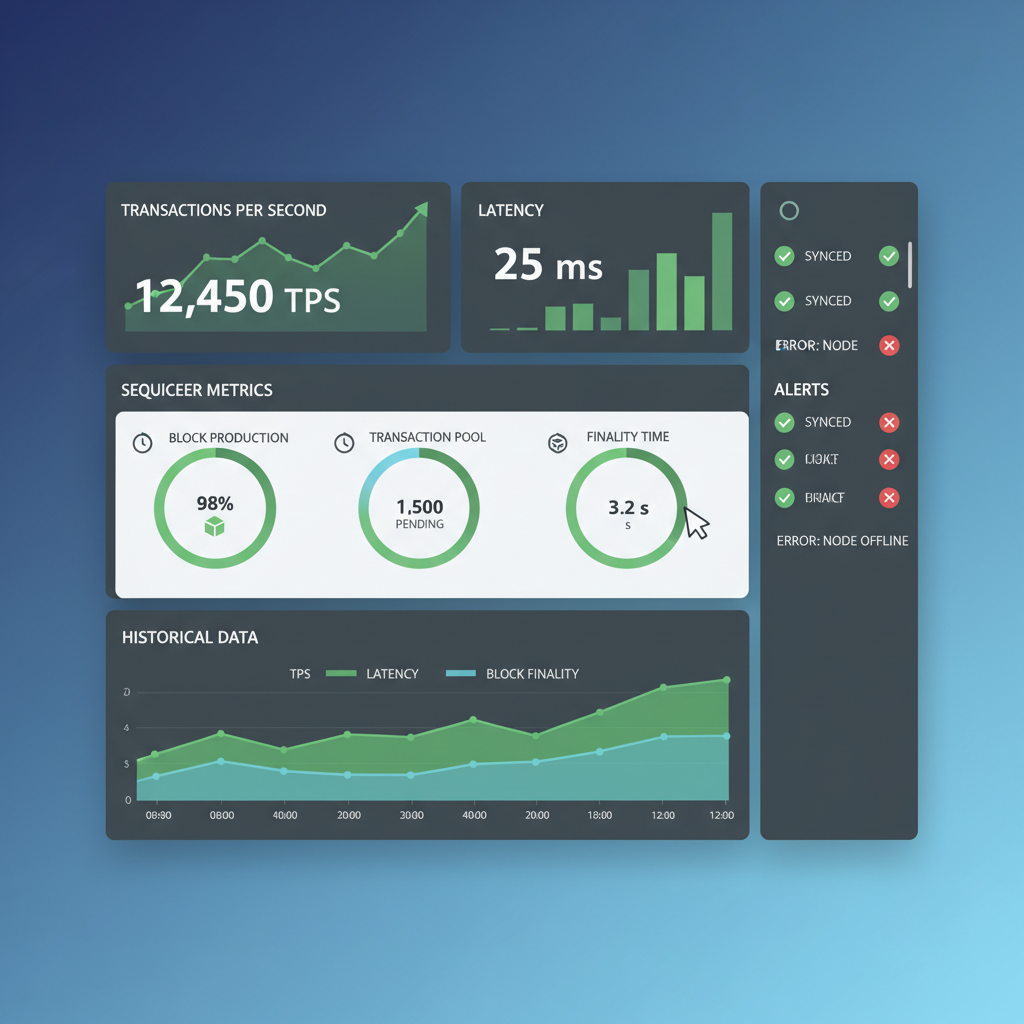
Post-deployment, dashboards track TPS, latency, and sequencer health in real-time. Zeeve’s enterprise-grade setup, as Dysnix outlines, posts batched data back to Ethereum seamlessly, preserving security proofs. Startups report 10x faster iterations, pivoting from testnets to mainnet in weeks.
This no-fuss approach suits bootstrapped teams chasing raas blockchain dominance. Vocal Media spotlights Zeeve’s low-code extensions for edge cases, blending no-code speed with custom tweaks. Meanwhile, Replit-style builders inspire RaaS UIs, where visual flows replace CLI rituals.
Quantifying the Edge: Metrics That Matter
Numbers don’t lie. RaaS adopters slash devex by 70%, per industry benchmarks, redirecting funds to growth hacks. Transaction costs plummet to pennies, vital as ETH’s $2,343.76 price amplifies mainnet friction. UI Bakery’s 2026 no-code AI trends mirror this: tools evolve beyond prototypes into production beasts.
Top No-Code RaaS Benefits
-
Cost Savings: Slash dev costs with no-code platforms like Zeeve and Caldera, focusing resources on innovation.
-

Speed to Market: Deploy custom rollups in days via Alchemy Rollups and Gelato dashboards.
-
Scalability: Achieve high throughput with zkRollups and OP Rollups on enterprise infrastructure.
-

Security: Maintain Ethereum-level security with Zeeve’s enterprise-grade SLAs and monitoring.
-
Sovereignty: Gain full control over app-specific rollups without vendor lock-in.
Caldera’s templates shine for multi-chain ambitions, while Alchemy’s APIs automate scaling. Gelato adds relayer smarts, preventing stuck TXs. For options pros like me, this means viable DeFi vols trading on custom chains, with rollups hedging against Ethereum congestion spikes.
Yet, savvy founders pair RaaS with hybrid strategies. Start no-code, layer code for IP. ISHIR’s SaaS deep-dive flags this: no-code scales to millions of users before needing devs. In blockchain, shared liquidity via bridges unlocks composability, turning solo rollups into ecosystem hubs.
Market tailwinds amplify this. Intel’s forecast pegs RaaS at $354 million by 2032, driven by app-chain proliferation. Ethereum’s resilience at $2,343.76, up $105.27 in 24 hours, signals L2 readiness. Providers like Conduit push boundaries with modular designs, future-proofing against Danksharding upgrades.
At abstractwatch. com, our Rollup-As-A-Service embodies this ethos. Tailored for startups, it deploys abstract rollup technology 2026 via intuitive dashboards, backed by white-glove support. Founders swap infra headaches for viral loops, much like layering calls atop protective puts.
Blockchain’s next wave favors the agile. No-code RaaS isn’t a shortcut; it’s the new standard, empowering visionaries to build without barriers. Dive in, deploy, disrupt.
About the Author