
Imagine spinning up a fully customized blockchain for your app in just hours, without writing a single line of code. That’s the promise of no-code rollup deployment, and platforms like Rollup-As-A-Service are making it reality for builders tired of wrestling with complex infrastructure. In a world where blockchain scalability demands precision, Rollup-As-A-Service by abstractwatch. com stands out by abstracting away the OP Stack and Rollup SDKs, letting you focus on what matters: your innovation.

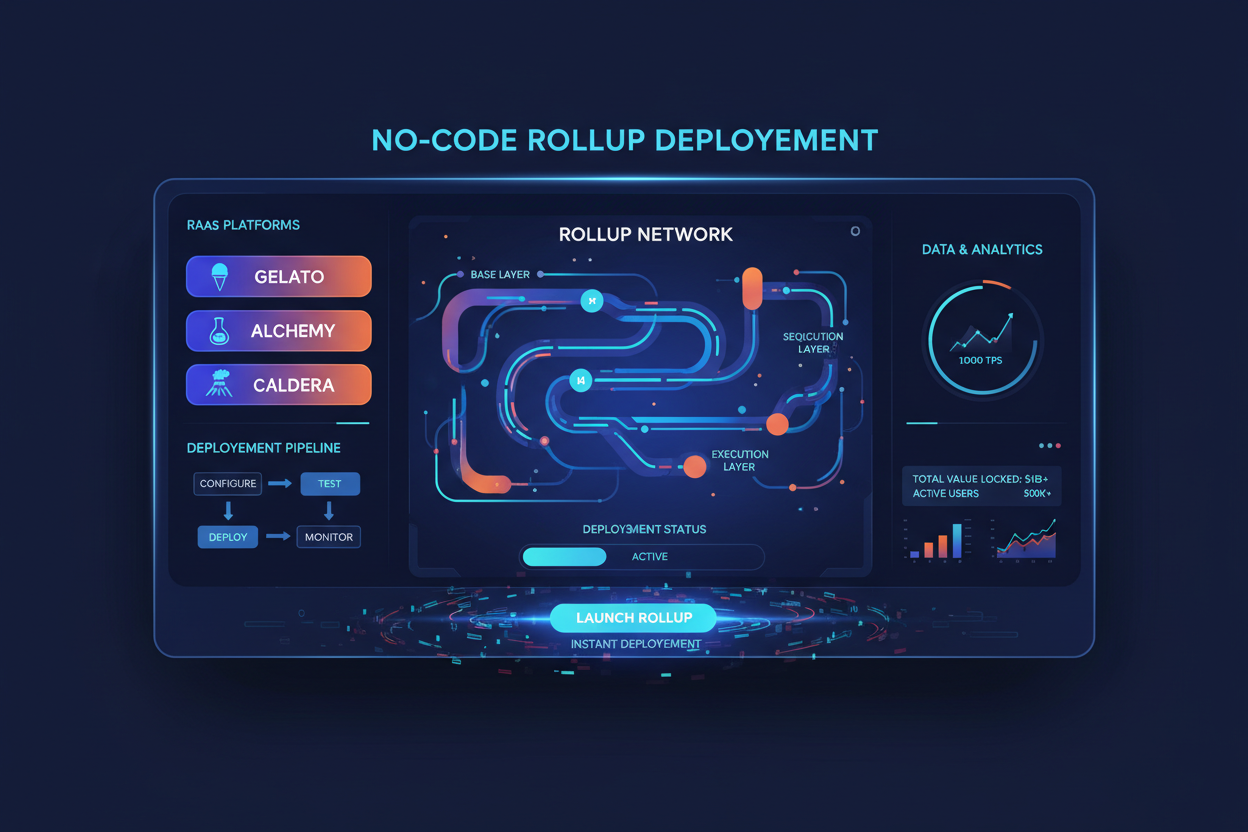
Rollups have transformed Ethereum’s ecosystem by bundling transactions off-chain and settling them securely on Layer 1. But deploying your own rollup? Historically, that’s meant deep dives into node management, sequencer setup, and data availability layers. Enter Rollups-as-a-Service (RaaS). These platforms handle the heavy lifting, offering intuitive interfaces for launch app chain hours timelines that were once pipe dreams.
Why No-Code Rollups Are the Future of Custom App-Chains
Traditional rollup deployment chews through engineering resources. You need experts to configure optimistic or zero-knowledge proofs, integrate with settlement layers like Ethereum or BNB Chain, and ensure uptime. RaaS flips this script. With a few clicks, you select your stack – think OP Stack, Arbitrum Orbit, or Polygon CDK – pick data availability options, and boom: your app-chain is live.
Take Gelato’s approach: their 1-click deployment gets testnets running in 30 minutes. Alchemy’s dashboard supports multiple frameworks, while Caldera’s one-click EVM rollups add custom gas tokens. Ankr’s Asphere even provisions RPCs, faucets, and explorers automatically. This isn’t just convenience; it’s a scalability revolution. Projects can now iterate faster, test ideas without sunk costs, and scale as user demand surges.
I love how these tools democratize blockchain. No longer do you need a PhD in cryptography to launch a sovereign chain tailored for your DeFi protocol, gaming dApp, or NFT marketplace. Rollup-As-A-Service takes it further with rollup as a service abstract technology, ensuring seamless integration and top-tier support.
Top 5 No-Code Rollup Benefits
-
1. Hours-to-Launch SpeedDeploy custom app-chains in hours or less! Gelato’s 1-click deploys testnets in ~30 minutes, while Alchemy and Ankr offer self-serve dashboards for rapid rollups. Try Gelato
-
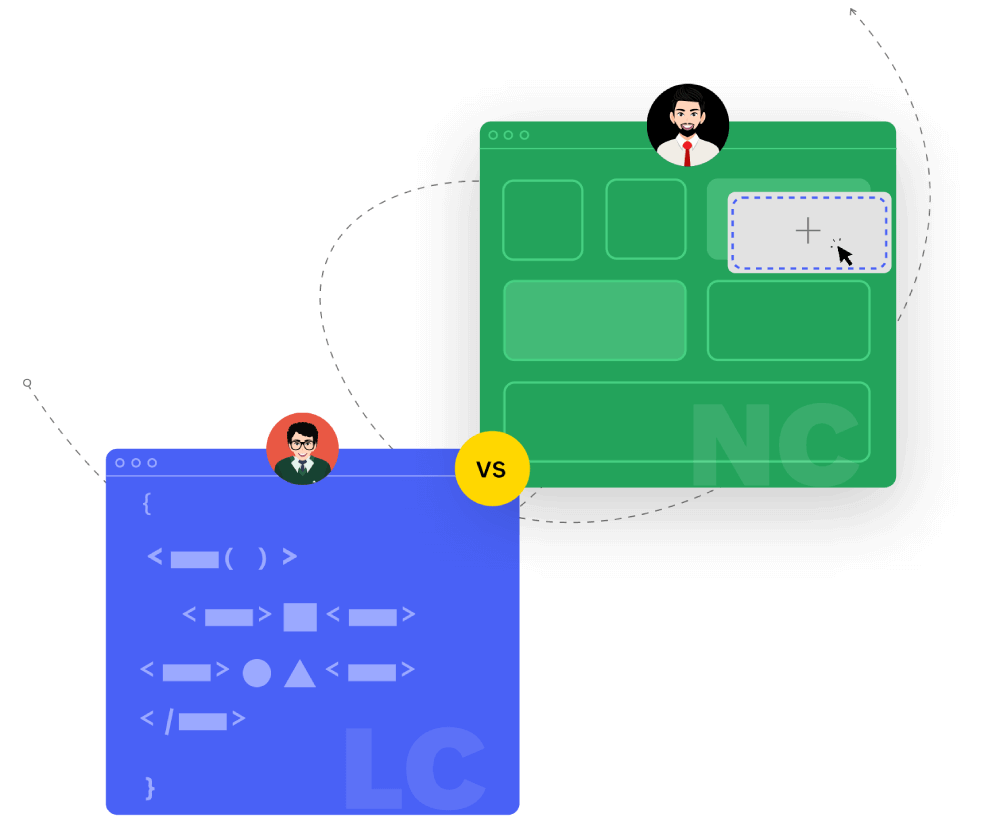
2. Zero Engineering OverheadNo devs needed! RaaS platforms like Caldera and Zeeve provide intuitive UIs that abstract OP Stack, Arbitrum Orbit, and zkSync complexities for easy no-code setup.
-
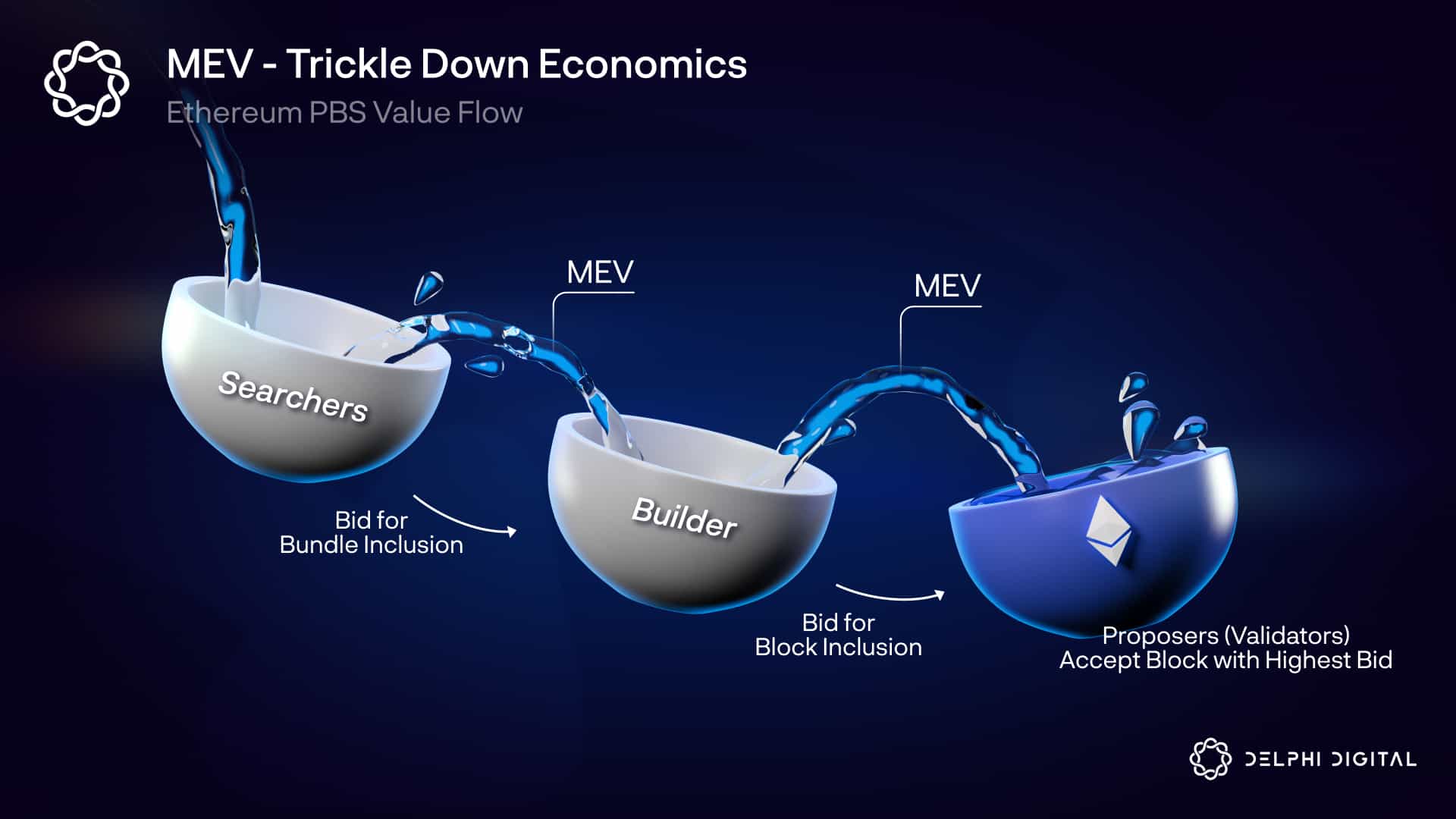
3. Customizable Stacks & DA LayersTailor your rollup: Pick from Optimism OP Stack, Polygon CDK, or zk-rollups, plus settlement layers and DA options via Alchemy, Gelato, or Ankr’s Asphere.
-
4. Built-in Monitoring & ToolsGet RPCs, faucets, explorers, and dashboards out-of-the-box. Ankr auto-provisions these, while Gelato offers seamless monitoring for hassle-free management.
-
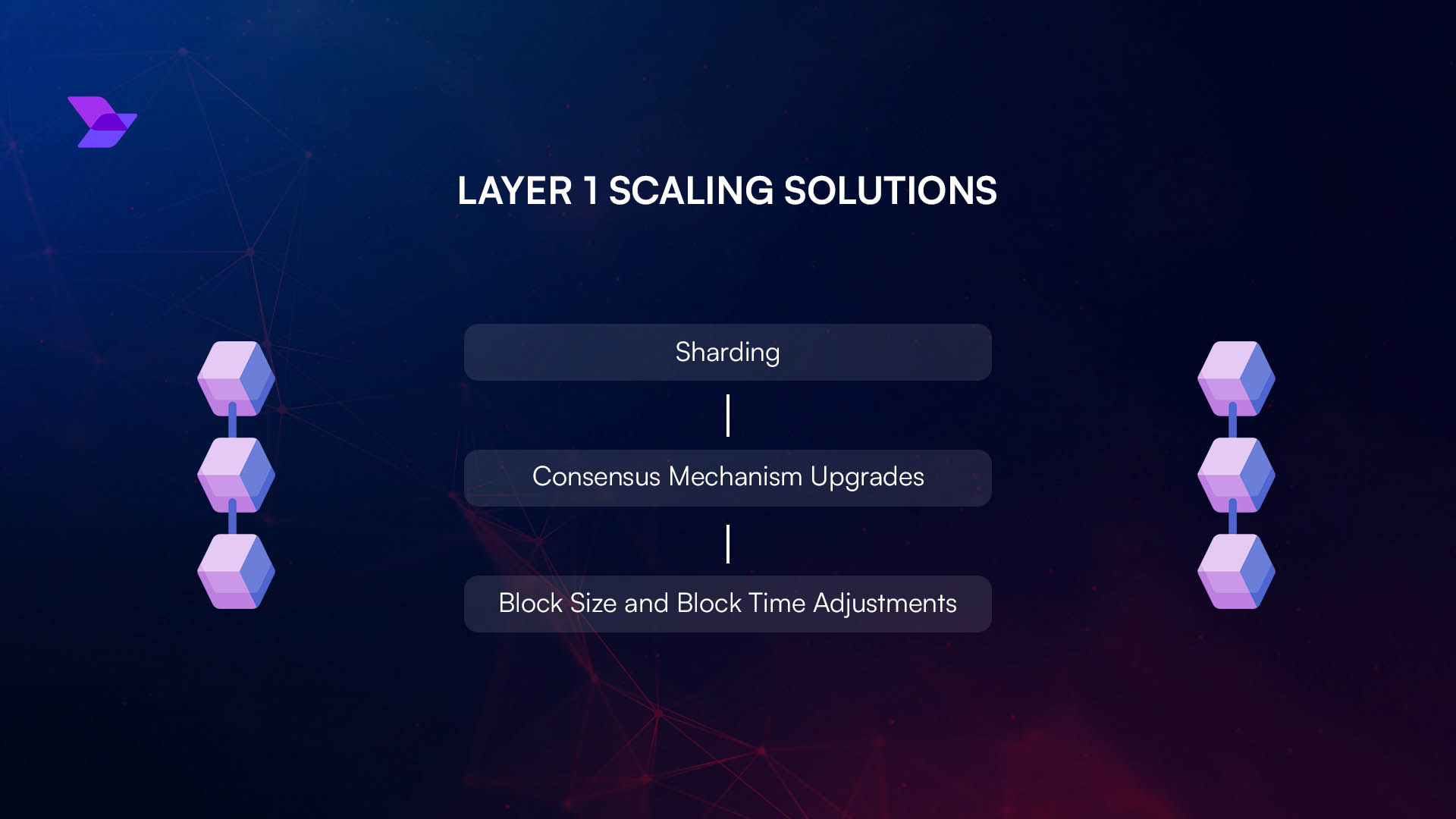
5. Cost-Effective ScalabilityScale efficiently without huge teams or costs. RaaS like Conduit and Dymension boosts throughput by off-chain processing, posting data back to L1 affordably.
Breaking Down the No-Code Magic: How RaaS Works
At its core, a rollup processes transactions in a compressed batch, posts proofs or data to L1, and inherits its security. RaaS abstracts this into user-friendly steps. Start with framework selection: Optimism for optimistic rollups, zkSync for validity proofs. Next, choose your settlement layer – Ethereum for battle-tested security, or alternatives like opBNB for cost efficiency.
Data availability is key too. Providers like Celestia or EigenDA ensure your rollup data is accessible without bloating L1. Then, customize: native assets, gas tokens, even sequencer models for shared or decentralized operation. Zeeve’s zkRollup sandbox shines here, letting non-experts tweak components via a no-code panel.
What excites me most? The monitoring and management layer. Gelato and Alchemy dashboards offer real-time insights, fault tolerance, and upgrades without downtime. For startups, this means custom rollup raas deployment aligns perfectly with lean operations. No more months of dev time; validate MVPs swiftly and pivot based on real usage.
Spotlight on Leading RaaS Providers Powering the Shift
The landscape is buzzing. Alchemy’s self-serve portal deploys testnets across OP Stack, Nitro, and ZK Stack effortlessly. Caldera supports EVM compatibility with sequencing flexibility, ideal for high-throughput apps. Ankr’s no-code Base deployer bundles essentials like explorers, slashing setup time dramatically.
Gelato integrates web3 services out-of-the-box, while Transak highlights Conduit’s three-step process for settlement variety. Messari notes AltLayer’s dual optimistic/zk support with no-code tools. Each excels, but Rollup-As-A-Service differentiates with its focus on abstract blockchain scalability, robust docs, and expert guidance tailored for enterprises and indie devs alike.
Consider a gaming studio: they pick Polygon CDK via Caldera, set a game token as gas, and launch with integrated faucets. Or a DeFi team using Alchemy for Arbitrum Orbit, settling on Ethereum for trust. These stories prove RaaS isn’t hype; it’s delivering app-chains that scale without compromise. As adoption grows, expect even more customization, like multi-chain bridging baked in from day one.
Builders are flocking to these platforms because they slash time-to-market from months to hours. Picture launching a DeFi hub optimized for low-latency trades or a social app with infinite scalability, all without hiring a node ops team. Rollup-As-A-Service elevates this with enterprise-grade uptime and docs that guide you every step.
Your First No-Code Rollup: A Hands-On Walkthrough
Ready to dive in? The beauty of no code rollup deployment lies in its simplicity. Platforms like ours at abstractwatch. com make it point-and-click, but let’s map out the process that powers a live app-chain.
Launch Your App-Chain in Hours: No-Code RaaS Deployment Guide
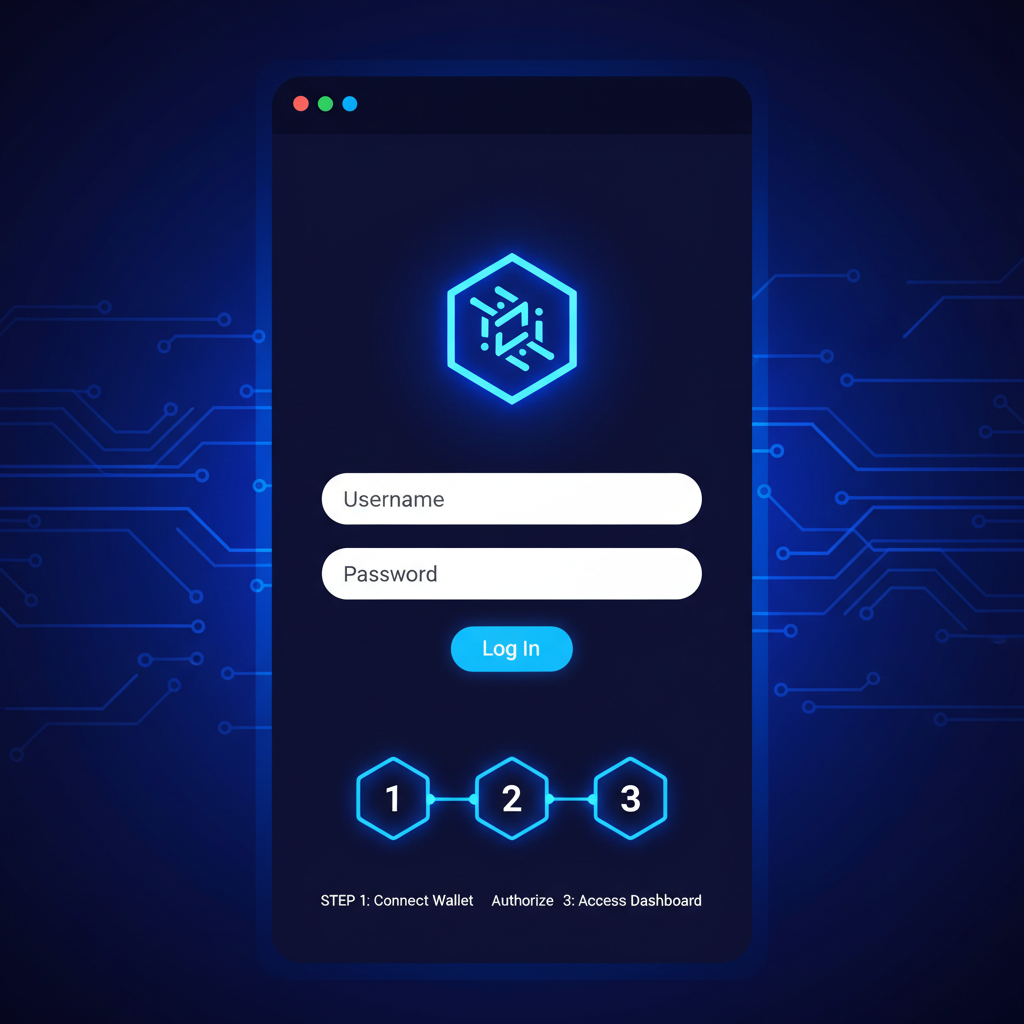
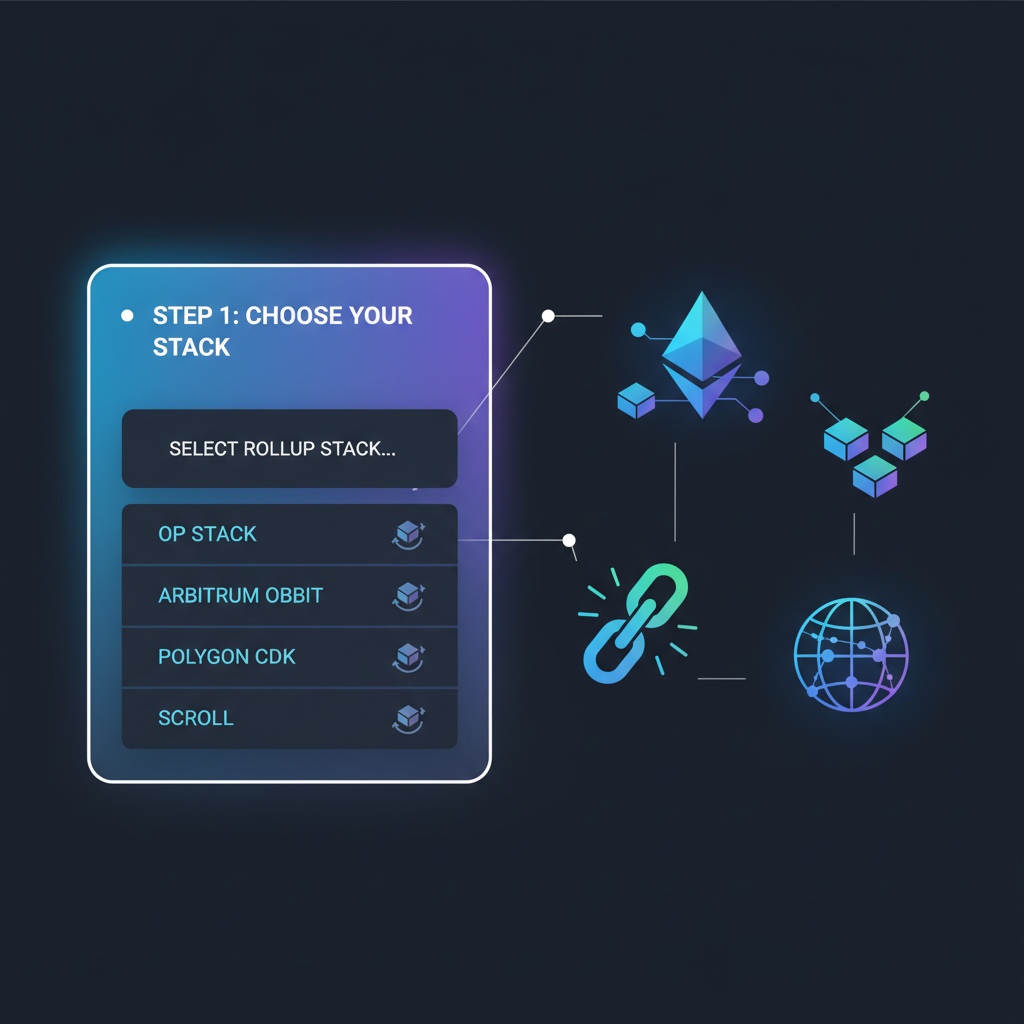
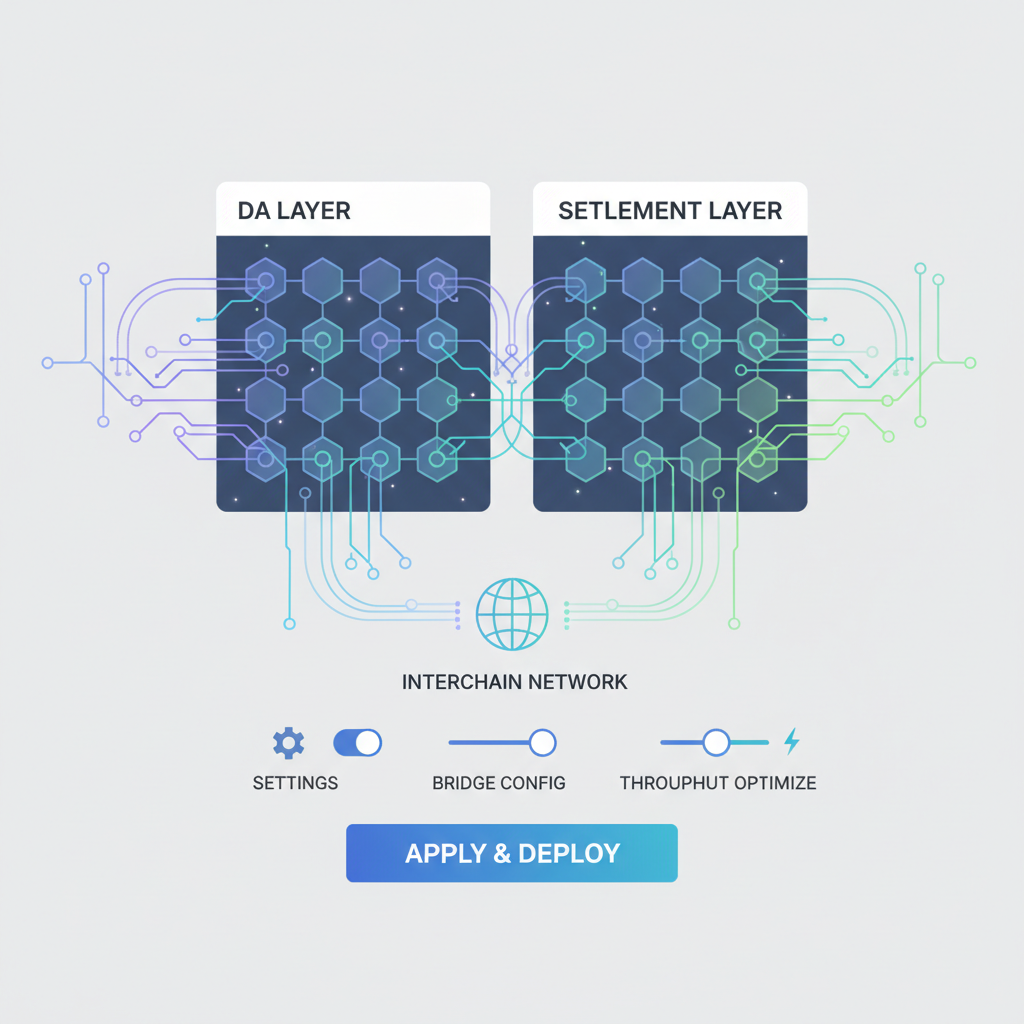
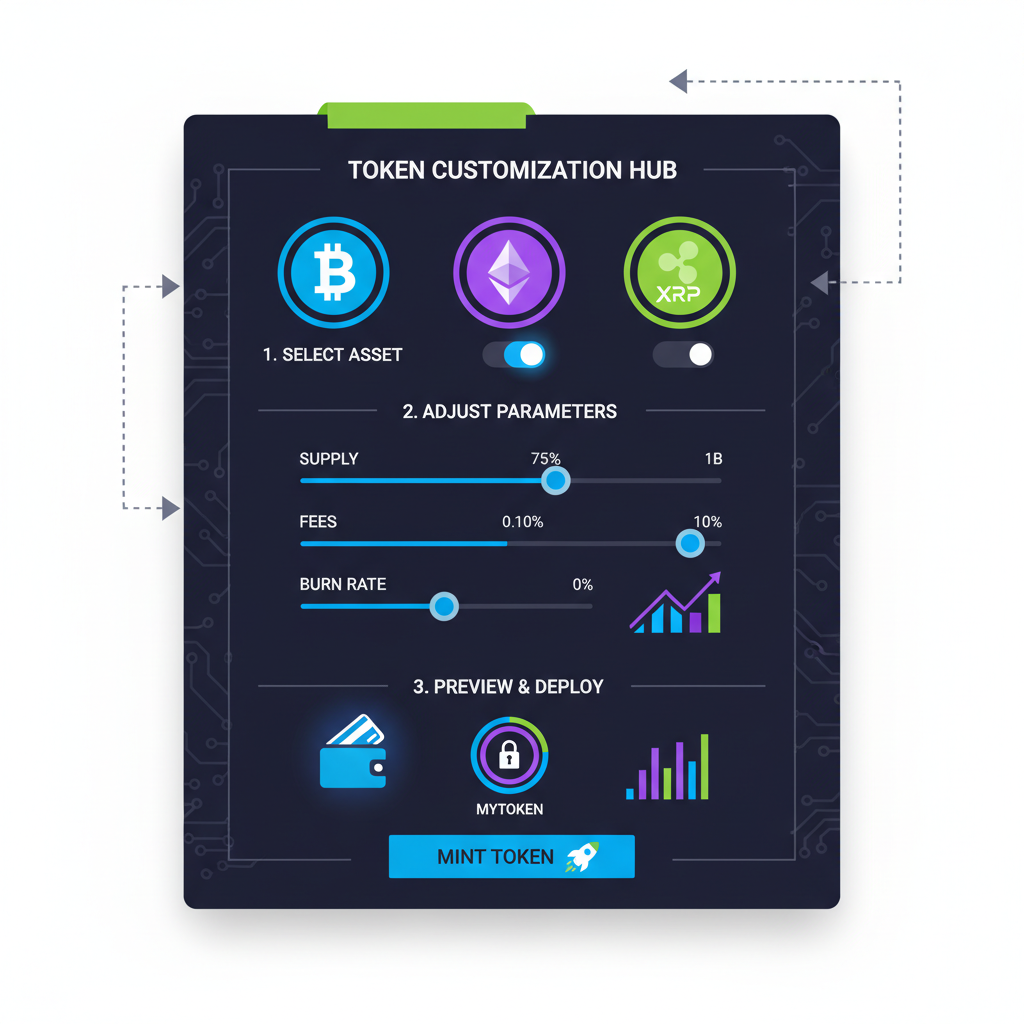
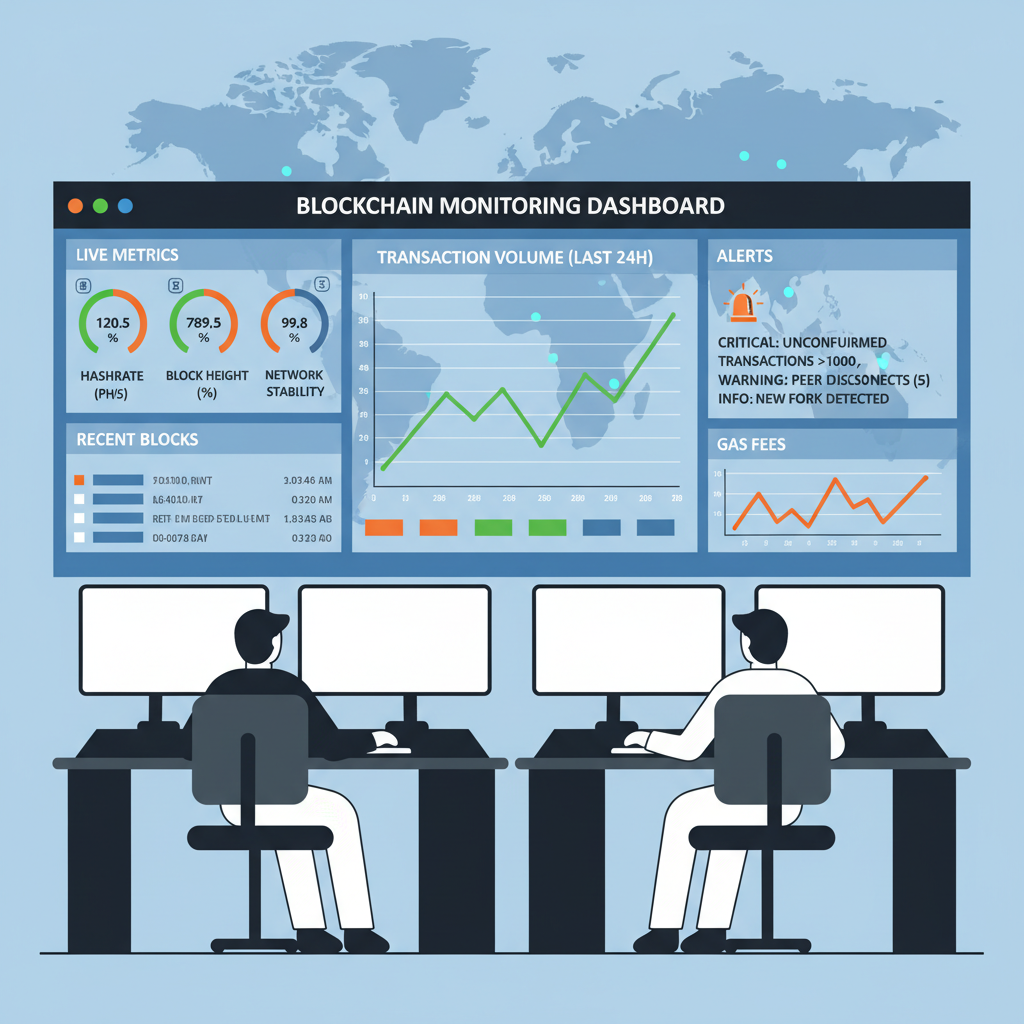
Once deployed, your chain hums along with auto-scaling sequencers and real-time analytics. Test with faucets, explore via block explorers, and bridge assets seamlessly. For a project I analyzed recently, this workflow cut deployment costs by 80% compared to self-hosting.
Customization shines in gas tokens and sequencer choices. Want your governance token as gas? Done. Prefer decentralized sequencing for censorship resistance? Select it. This flexibility turns generic rollups into tailored powerhouses for gaming, AI agents, or RWAs.
Provider Comparison: Picking the Right RaaS Fit
Not all RaaS is equal. Some excel in zk-proofs, others in EVM speed. Here’s a snapshot to help you choose based on your stack needs.
Comparison of Top RaaS Providers
| Provider | Deployment Time | Supported Stacks | Key Features | Pricing Model |
|---|---|---|---|---|
| Rollup-As-A-Service | Hours | OP Stack, Rollup-SDKs | No-code deployment, abstracts complexities of rollup frameworks, rapid management | Not specified |
| Gelato | ~30 minutes (testnet) ⚡ | Various rollup stacks, settlement layers, DA options | 1-click deployment, intuitive UI, monitoring, web3 service integrations | Not specified |
| Alchemy | Quickstart (minutes to hours) | Optimism OP Stack, Arbitrum Nitro (Orbit), zkSync (ZK Stack) | Self-serve dashboard, select framework/settlement/DA, live testnet rollup | Not specified |
| Caldera | One-click ⚡ | OP Stack, Arbitrum Orbit, Polygon CDK | EVM-compatible rollups, customizable, shared/decentralized sequencing, native gas tokens | Not specified |
| Ankr (Asphere) | No-code (quick deploy) | Base rollups | User-friendly interface, configure gas tokens/DA layers, auto RPCs/faucets/explorers/monitoring | Not specified |
Rollup-As-A-Service leads with its rollup as a service abstract tech, blending no-code ease with deep customizations. While Gelato nails 1-click testnets, our platform adds production-ready monitoring and multi-chain support out of the gate.
Real-world wins abound. A startup I track used Caldera for a Polygon CDK rollup, hitting 10k TPS for their NFT drop. Another leveraged Alchemy’s Orbit for DeFi, settling on Ethereum amid volatile markets. These cases underscore how RaaS fuels innovation without infrastructure headaches.
Challenges remain, sure. Mainnet migrations need careful sequencing handoffs, and DA costs can add up at scale. Yet providers are iterating fast: shared sequencers reduce centralization risks, and modular DA like EigenDA keeps fees predictable. Rollup-As-A-Service anticipates this with proactive upgrades and community forums for troubleshooting.
For indie devs, the barrier is gone. Spin up a testnet today, iterate tomorrow. Enterprises gain sovereignty without vendor lock-in. Check out our guide at how-to-launch-a-custom-blockchain-app-chain-with-rollup-as-a-service-a-step-by-step-guide to see it in action. Whether you’re building the next big game or a compliant RWA chain, launch app chain hours is your new reality.
This shift isn’t just technical; it’s cultural. Builders reclaim time for creativity, protocols compete on UX not ops. Dive into Rollup-As-A-Service, experiment fearlessly, and watch your vision scale. The app-chain era is here, and it’s no-code friendly.
About the Author