

In today's blockchain ecosystem, no-code rollup deployment stands out as a game-changer for builders aiming to launch custom app-chains without drowning in infrastructure code. Platforms offering rollup as a service (RaaS) let you pick frameworks, data availability (DA) layers, and sequencers through intuitive dashboards, slashing deployment time from weeks to hours. This approach empowers startups and enterprises to prioritize innovation over ops, leveraging abstract rollup technology for scalable, sovereign chains.
Traditional rollup builds demanded deep expertise in modular stacks, often leading to delays and vulnerabilities. Now, with RaaS, you configure everything via point-and-click interfaces. Consider the surge in Layer 2 adoption predictions for 2026: maturing ZK rollups, cheaper DA, and shared sequencing are fueling this shift. No-code tools democratize access, enabling even non-technical teams to deploy production-grade chains tailored to specific use cases like DeFi hubs or gaming ecosystems.
Core Rollup Frameworks Powering Custom Chains
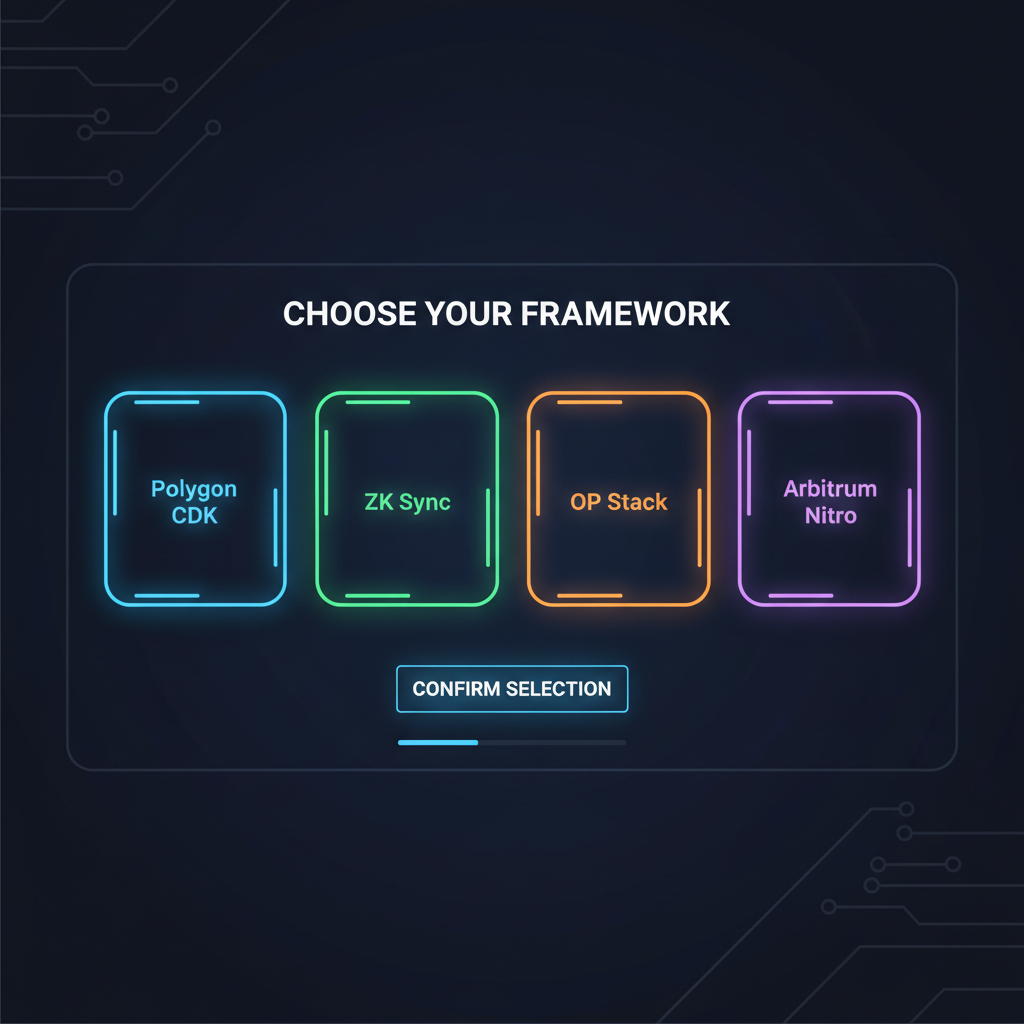
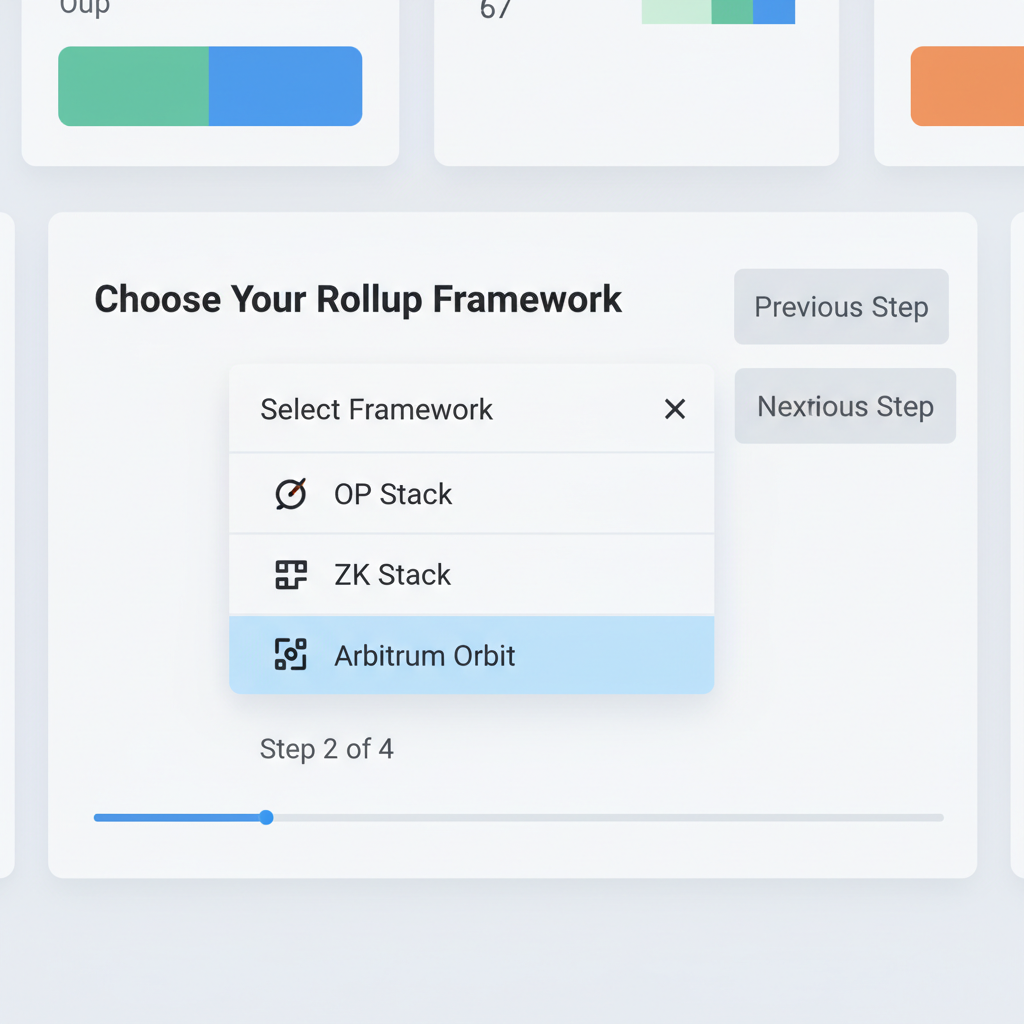
Frameworks define the execution environment and security model of your rollup. Each offers unique strengths, from ZK proofs for succinct verification to optimistic mechanisms for faster throughput. Selecting the right one aligns with your app-chain's demands for interoperability, finality speed, and cost efficiency.
Leading Rollup Frameworks
- Polygon CDK: A modular toolkit for deploying customized Layer 2 chains on Ethereum, leveraging zero-knowledge proofs for enhanced scalability and security. Source
- ZK Stack: An open-source framework by Matter Labs for launching custom zero-knowledge rollups, designed for a 'Hyperchain' ecosystem with interoperable sovereign chains. Source
- OP Stack: Optimism's framework for creating Layer 2 chains, emphasizing standardization and interoperability within its Superchain vision. Source
- Arbitrum Stack: Offchain Labs' solution for launching custom optimistic rollup chains, offering flexibility for Layer 2 or Layer 3 deployments. Source
Take Polygon CDK: its toolkit excels in customizing chains with zero-knowledge proofs, ideal for high-security apps. ZK Stack from Matter Labs pushes sovereign, interoperable rollups in a hyperchain vision, perfect for ecosystems needing cross-chain composability. OP Stack standardizes optimistic rollups under Optimism's Superchain, simplifying multi-chain coordination. Arbitrum Stack provides versatility for optimistic deployments across layers. These options ensure your custom app chain launch matches enterprise-grade needs without reinventing the wheel.
Optimizing Data Availability Layers for Scalability
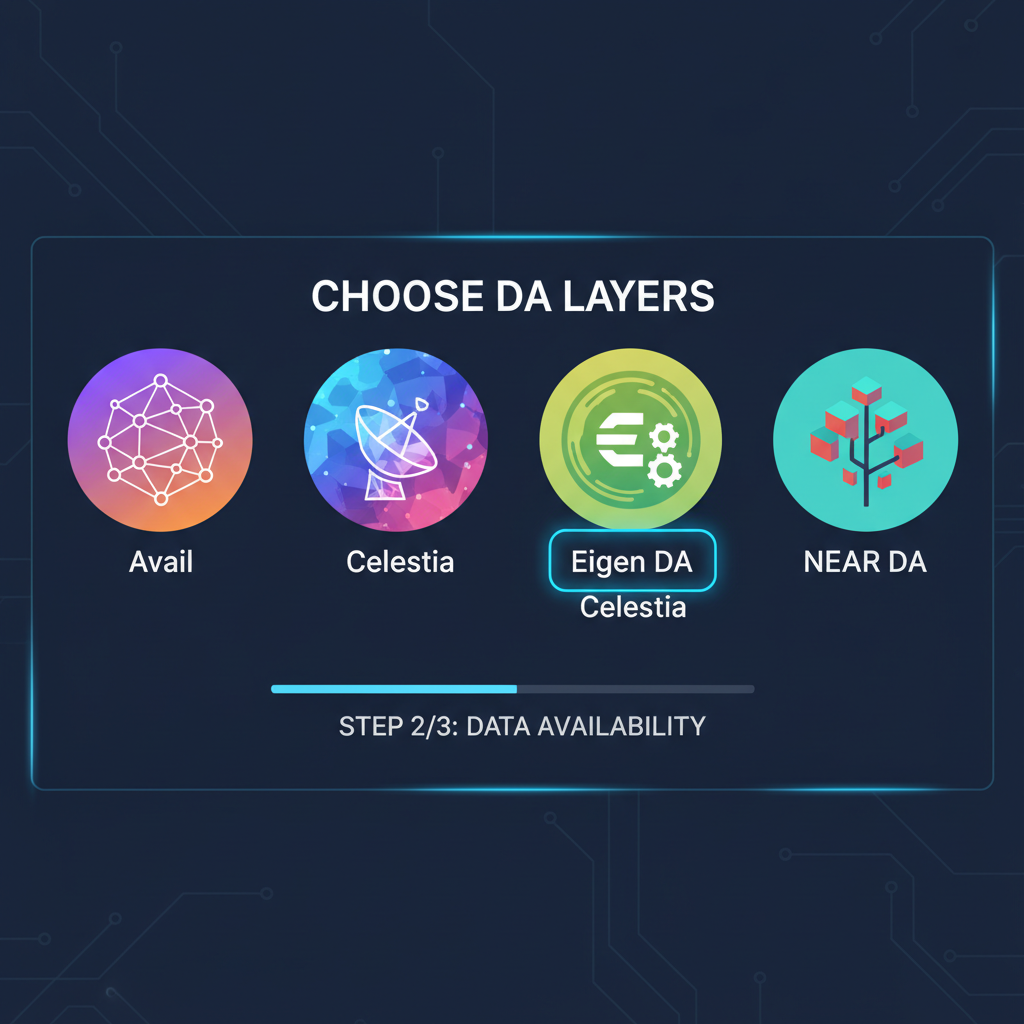
Data availability (DA) layers are crucial for ensuring transaction data is accessible without bloating your rollup's chain. They offload storage to specialized providers, cutting costs and boosting speeds via techniques like Data Availability Sampling (DAS). In a no-code setup, swapping DA is as simple as a dropdown selection.
DA Layers Comparison
| DA Layer | Scalability | Security | Cost Efficiency |
|---|---|---|---|
| Avail (KZG commitments, instant finality) | Very High 🚀 Horizontally scalable with DAS | Very High 🔒 Trust-minimized verification & near-instant finality | High 💲 Efficient commitments reduce overhead |
| Celestia (DAS for modular data) | Very High 🚀 Modular infrastructure enables massive scaling | High 🔒 Secure data outsourcing via DAS | High 💲 Optimized for low-cost data posting |
| Eigen (restaking security) | High 🚀 Efficient decentralized storage | Very High 🔒 Leverages restaking for robust security | High 💲 Cost-effective via shared security |
| NEAR (sharding for low-cost speed) | Very High 🚀 Advanced sharding for speed & scale | High 🔒 Secure with sharding tech | Very High 💲 Low-cost data availability |
Avail DA combines commitments and sampling for trust-minimized verification, shining in high-throughput scenarios. Celestia pioneered modular DA, letting rollups focus on execution while outsourcing data securely. Eigen DA taps EigenLayer's restaking for decentralized storage, minimizing risks. NEAR DA leverages sharding for rapid, affordable posting. Pairing these with your framework choice enhances blockchain scalability service dramatically, as lower DA costs drive 2026 Layer 2 growth.
Sequencer Choices: Balancing Speed, Security, and Decentralization
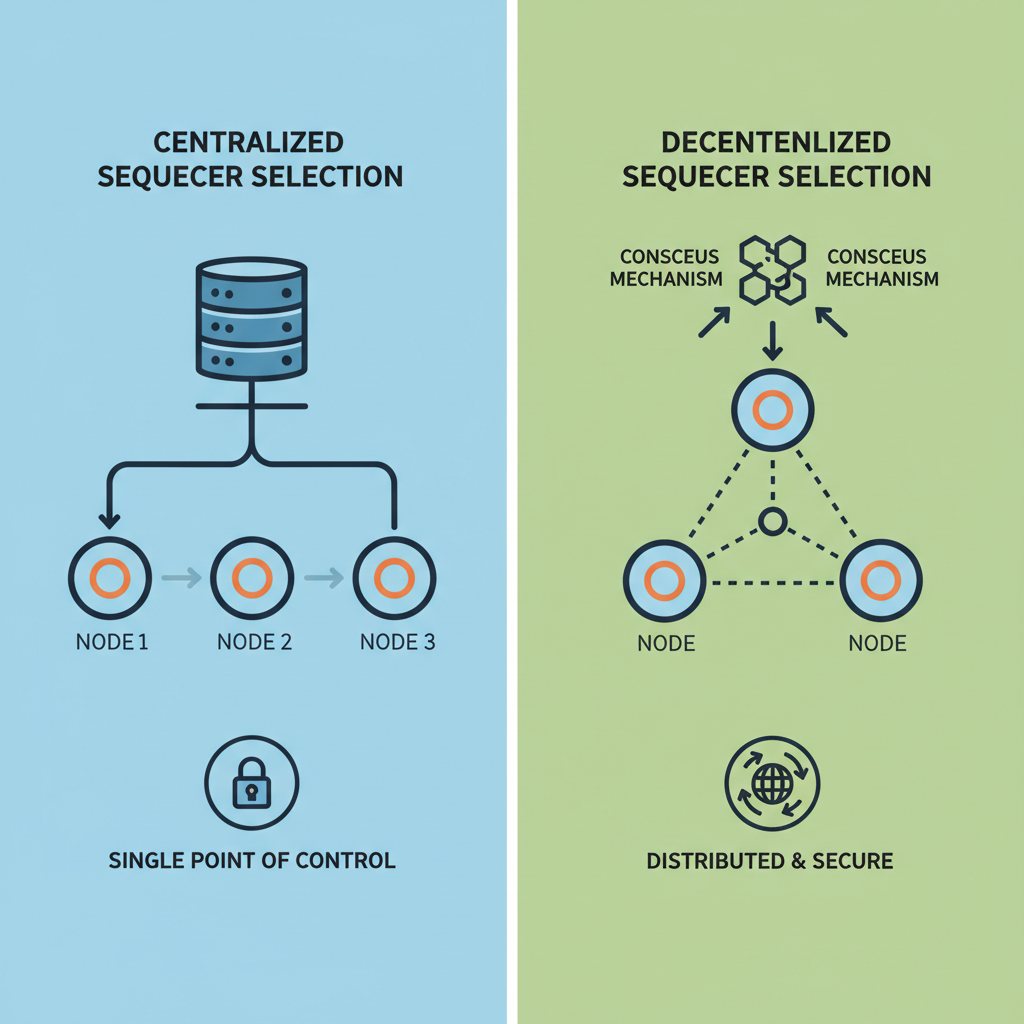
Sequencers dictate transaction ordering and batching to the base layer, directly impacting latency and censorship resistance. No-code platforms now offer toggles between centralized and decentralized models, letting you start simple and evolve.
Centralized sequencers deliver straightforward management and low latency, suiting early-stage projects where speed trumps full decentralization. They handle ordering via a trusted operator, reducing complexity during deploy rollup in hours phases. However, as chains mature, risks like single points of failure emerge.
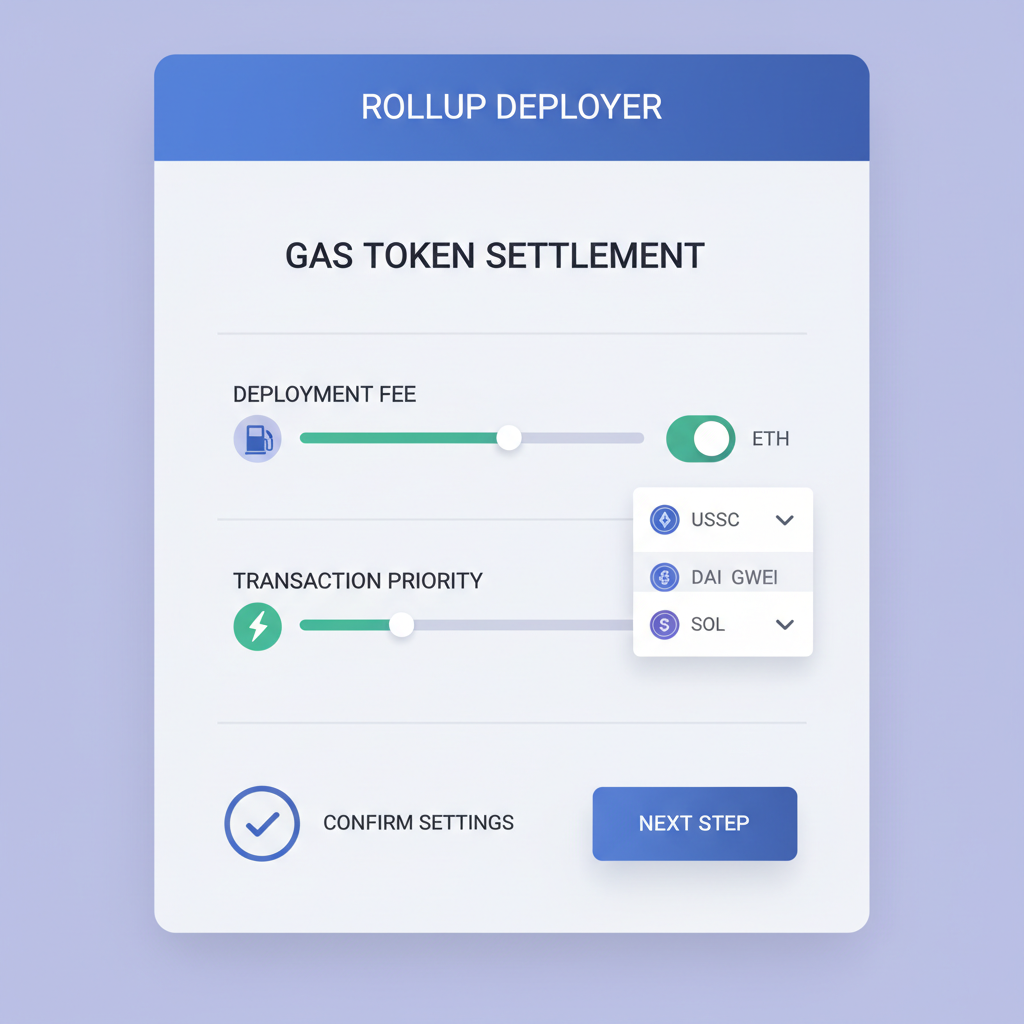
Decentralized sequencers distribute this role across nodes, bolstering resilience through shared sequencing protocols. Emerging standards mitigate MEV and enhance fairness, aligning with L3 proliferation trends. Platforms like Asphere and AltLayer's dashboards integrate these seamlessly, including gas token customization for economic sovereignty.
Transitioning between sequencer models is effortless in modern RaaS dashboards, allowing iterative upgrades without downtime. From a risk perspective, I advocate starting centralized for rapid prototyping, then decentralizing to mitigate operator risks as TVL grows. This phased approach minimizes exposure while capitalizing on deploy rollup in hours advantages.
Leading No-Code Platforms for Rollup Deployment
No-code RaaS platforms abstract away the boilerplate, presenting frameworks, DA layers, and sequencers as configurable widgets. Asphere's deployer shines with stack flexibility and gas token options, ideal for bespoke economics. AltLayer's dashboard streamlines execution, settlement, and sequencer configs, targeting rollups that scale to millions of users. Conduit focuses on production-grade L2/L3s, supporting both optimistic and ZK paradigms with managed infra. Zeeve adds sandbox testing and migration tools, easing L1-to-rollup shifts.
Key No-Code RaaS Platforms
- Asphere No-Code Deployer: Deploys rollups with customizable stack frameworks, DA layers, and gas tokens via user-friendly interface. Details
- AltLayer RaaS Dashboard: Configures execution layers, DA solutions, settlement, and sequencers for rapid no-code rollup deployment. Details
- Conduit: Infrastructure for production-grade L2/L3 rollups, supporting optimistic and zero-knowledge rollups. Details

- Zeeve: RaaS with sandbox tools for rollup frameworks and data migrations from L1 to L2/L3. Details
These tools vary in focus: Asphere for customization depth, AltLayer for speed, Conduit for reliability, Zeeve for transitions. Yet, Rollup-As-A-Service by abstractwatch. com elevates the field with enterprise-grade uptime, expert support, and seamless integration of all components. Its dashboard unifies choices into a single, intuitive flow, backed by rigorous risk assessments to safeguard deployments.
Hands-On Deployment: From Idea to Live Chain in Under an Hour
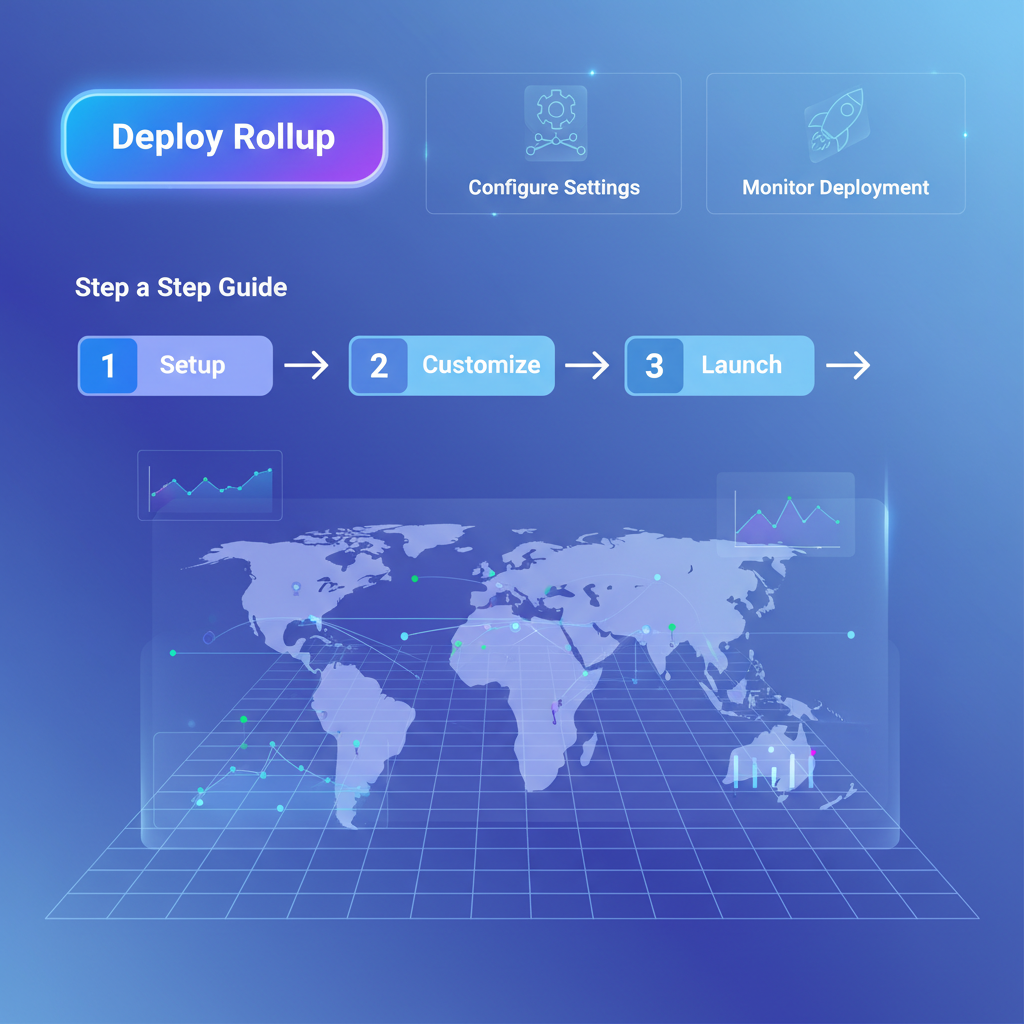
Launching a rollup boils down to a streamlined workflow, where decisions compound into a sovereign app-chain. No devops headaches, just strategic picks that align with your project's risk profile and growth trajectory.
Launch Custom App-Chains in Hours: No-Code Rollup Deployment Guide
Launch Your Custom Rollup: No-Code RaaS Dashboard Tutorial
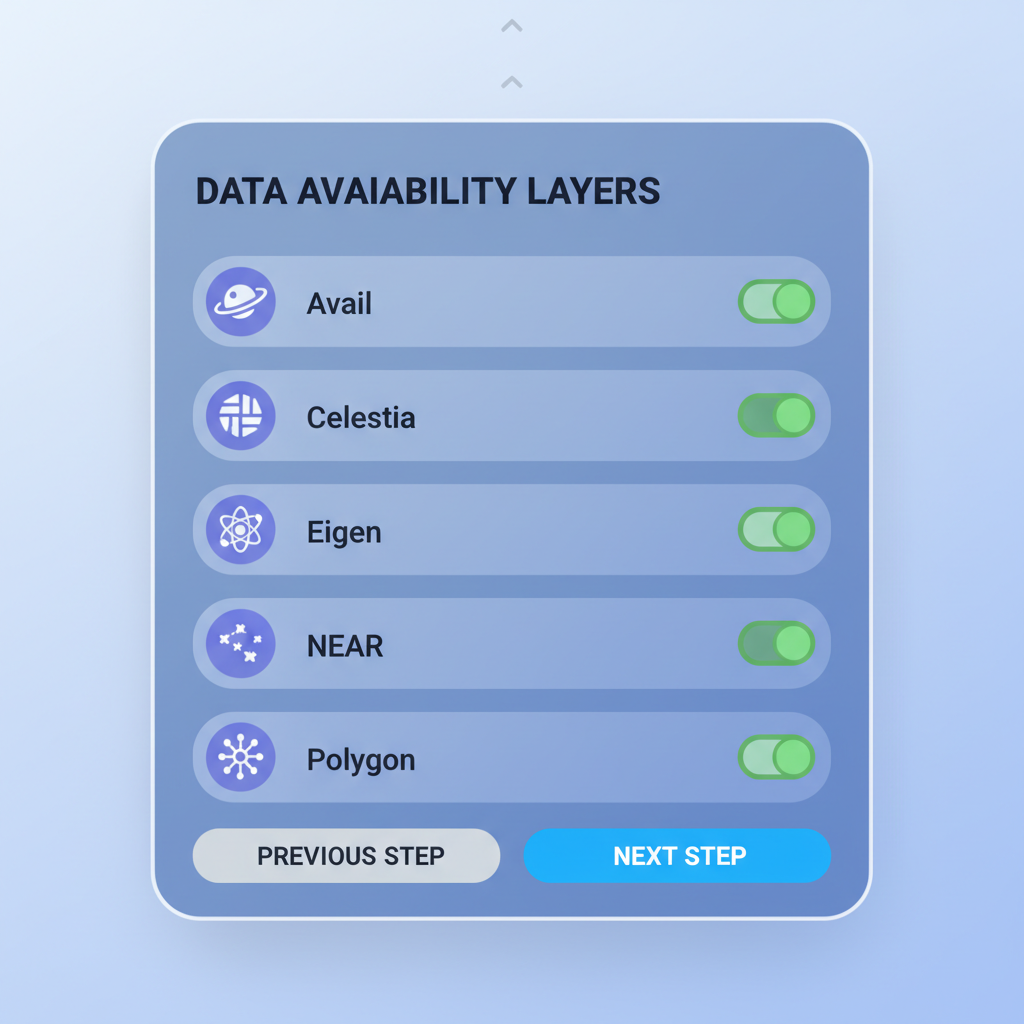
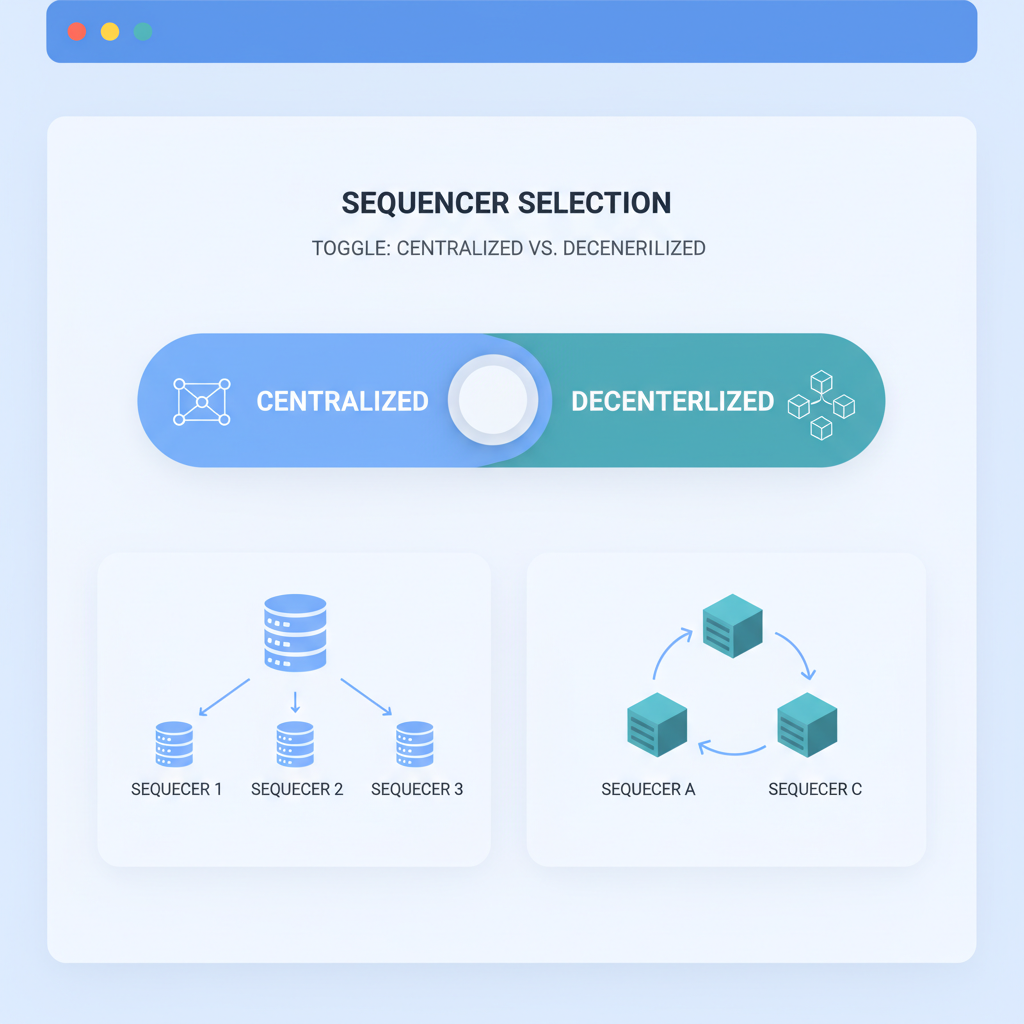
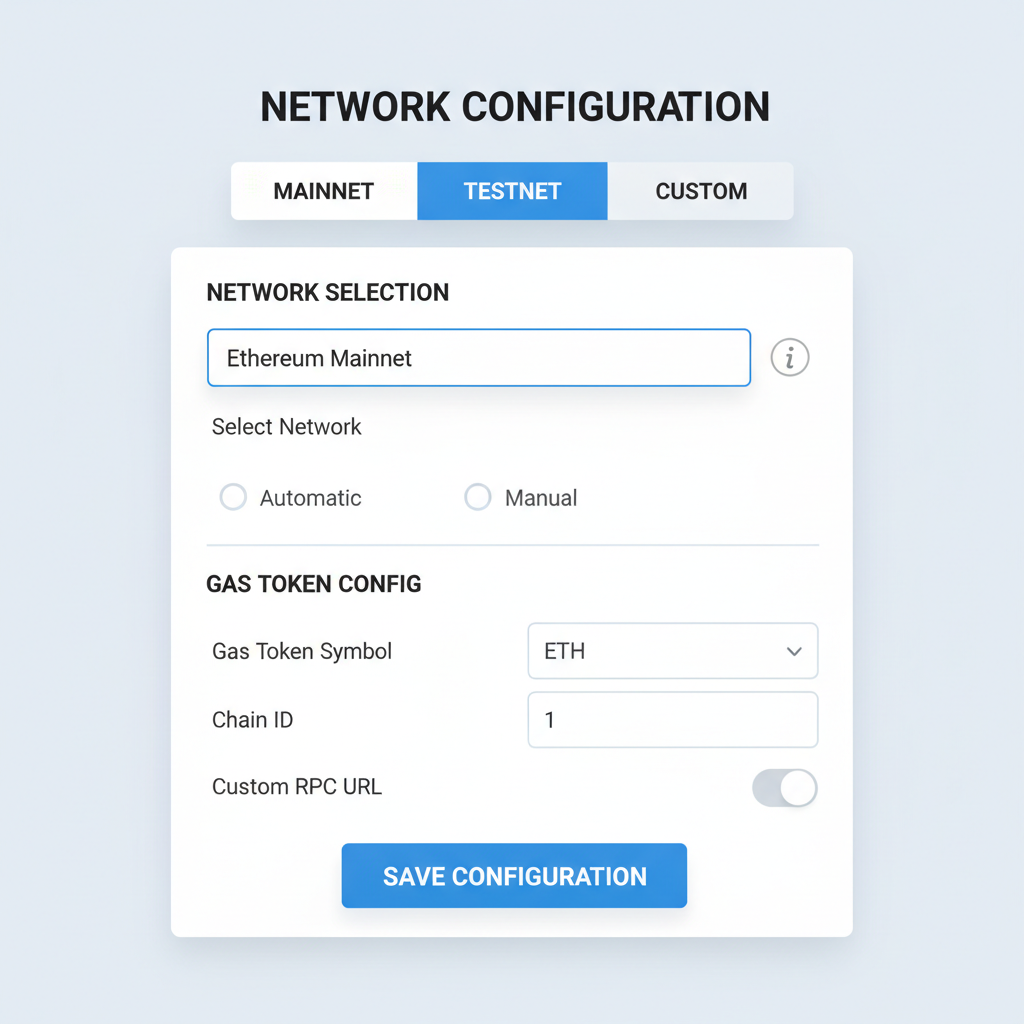
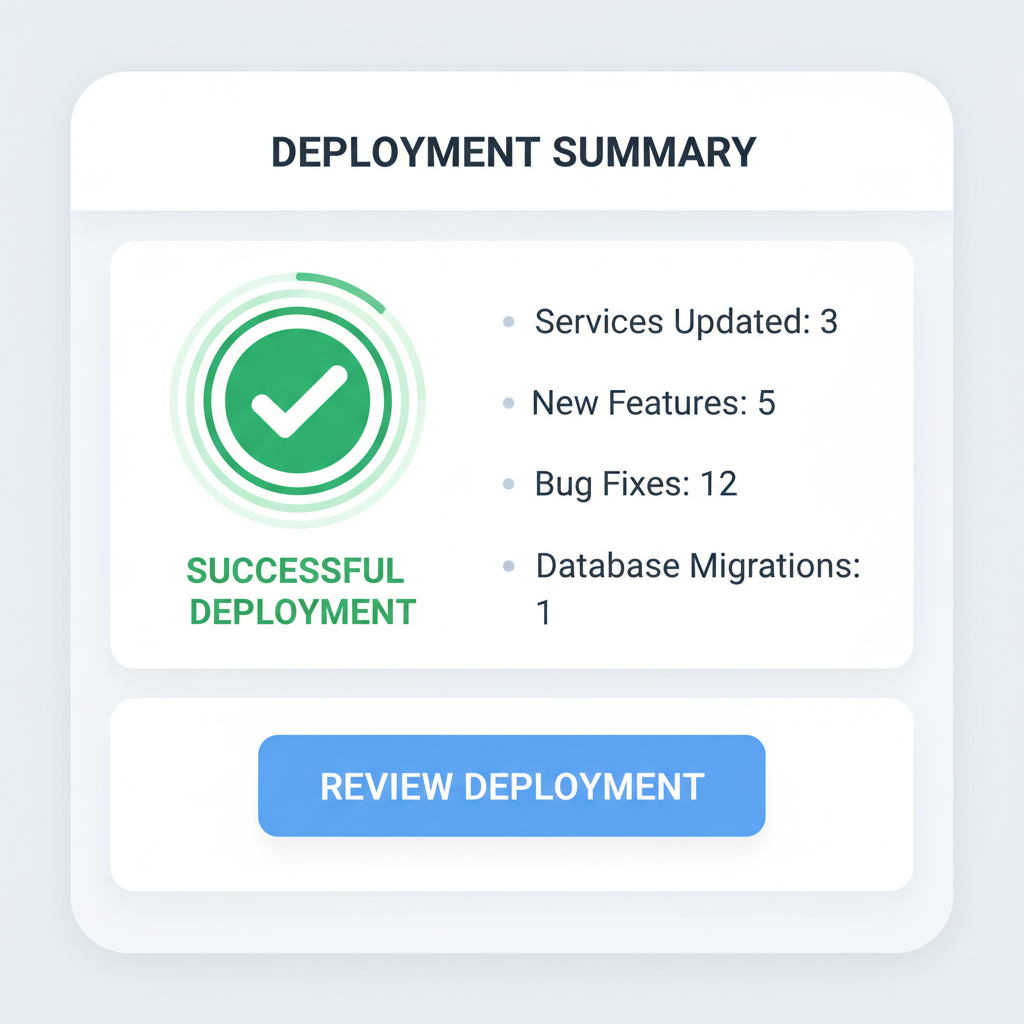
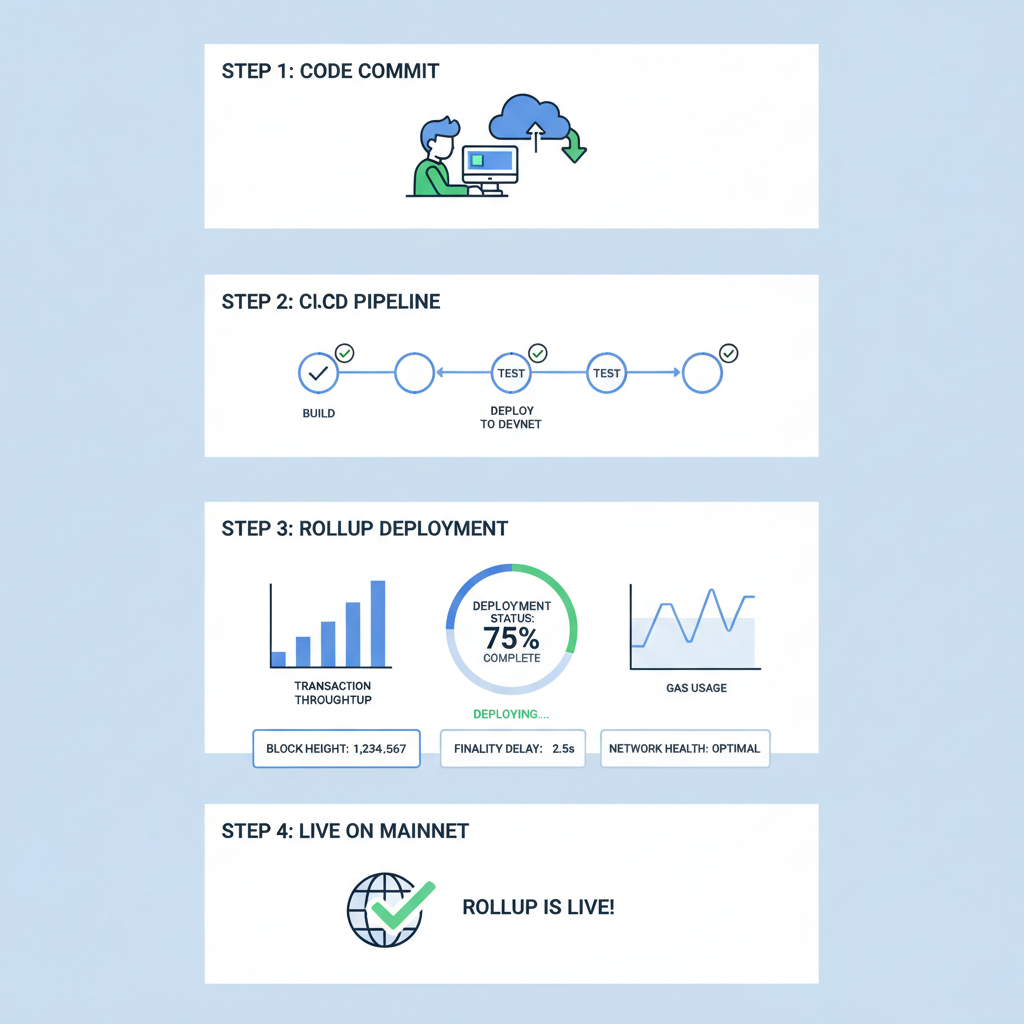
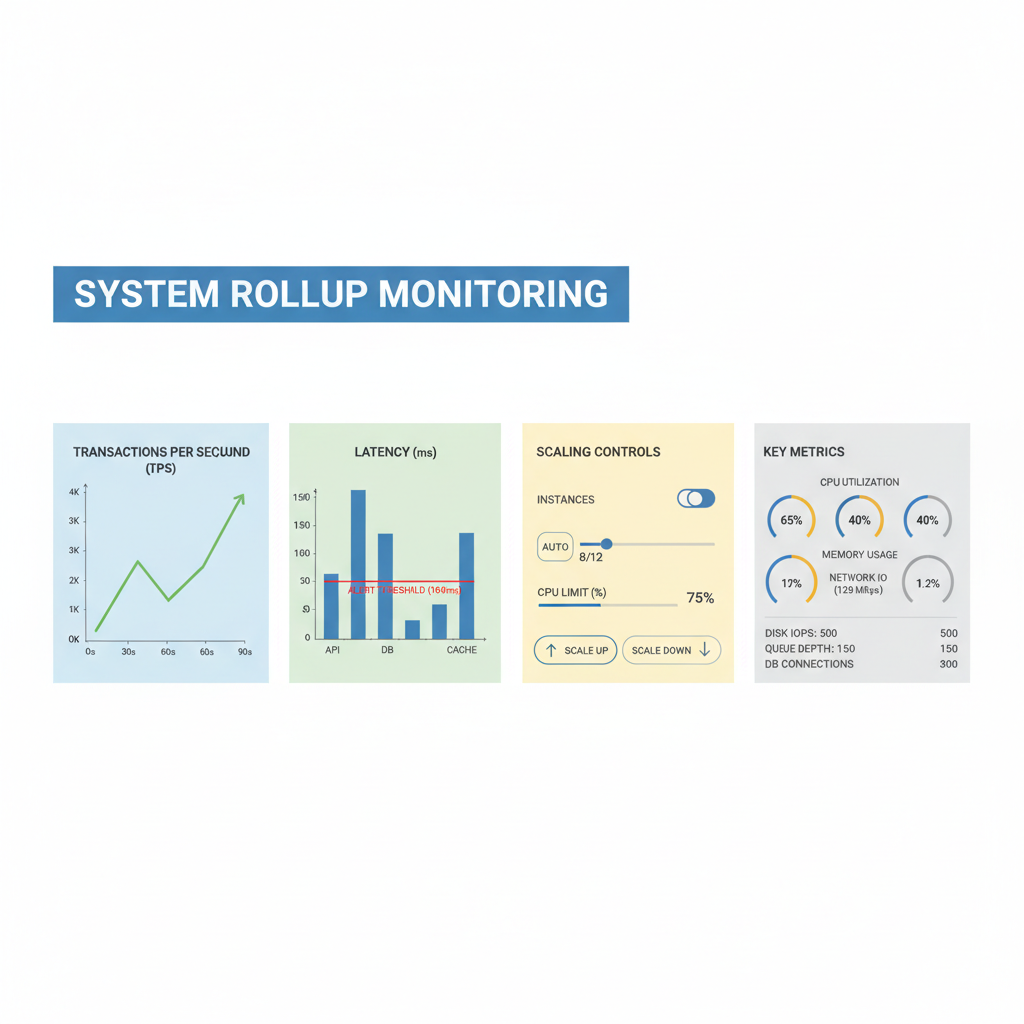
Post-deployment, monitoring dashboards track metrics like sequencer latency, DA posting costs, and dispute rates. Abstractwatch's RaaS includes proactive alerts and auto-scaling, ensuring chains withstand volatility spikes common in DeFi. I've assessed dozens of deployments; those leveraging hybrid sequencer strategies and diversified DA see 40% lower downtime risks.
Risks, Rewards, and the Road Ahead
While no-code accelerates launches, vigilance on sequencer centralization and DA economics remains paramount. Centralized setups invite censorship vectors, but decentralized ones demand robust node incentives. My FRM lens highlights EigenDA's restaking as a sweet spot: it fuses security with cost parity to Ethereum. Frameworks like ZK Stack future-proof against quantum threats via proofs.
Looking to 2026, L3s, shared sequencers, and consumer apps will amplify RaaS demand. Platforms evolving with these trends, like Rollup-As-A-Service, position builders ahead. Costs plummet as DA competes fiercely, making custom app chain launch viable for indie devs to enterprises.
By choosing the right mix of framework, DA, and sequencer via no-code interfaces, you sidestep pitfalls that plagued early rollups. Abstractwatch. com's RaaS distills this complexity into reliable, scalable deployments, letting you measure twice and chain once. Dive in, configure your stack, and propel your project into blockchain's scalable future.




No comments yet. Be the first to share your thoughts!