

Blockchain startups face a stark reality: scaling ambitions clash with infrastructure nightmares. Yet, as Ethereum trades at $1,957.96, rollup-as-a-service (RaaS) for abstract rollups flips the script. These platforms let teams deploy custom app-chains in minutes, sidestepping the grind of node management and sequencer ops. Forget months of debugging; focus on what matters, like user acquisition in a market hungry for tailored chains.
Abstract rollups stand out because they bundle execution, settlement, and data availability into a sleek package. Drawing from optimistic and zk proofs, they deliver Ethereum-grade security without the gas wars. For startups eyeing app-chain deployment, this means sovereignty over state while leaning on L1 for finality. Recent shifts, like ENS ditching its rollup plans, underscore the pitfalls of solo builds; RaaS dodges those traps entirely.
Navigating 2026's RaaS Landscape Amid Rollup Dominance
Rollups rule the scalability roost, with optimistic variants claiming 57.68% of chains and zk rollups at 26.59%, per recent playbooks. RaaS platforms amplify this by abstracting the stack. Gelato RaaS, for instance, handles Ethereum rollups across zk and optimistic flavors, slashing costs via efficient hosting. Zeeve's no-code AppChains extend to Polygon Supernets and Avalanche Subnets, bundling enterprise SLAs that startups crave but rarely afford solo.
AltLayer pushes boundaries with rollup stacks like OP Stack, Arbitrum Orbit, and Polygon CDK, plus DA layers such as Celestia. It's pragmatic gold for custom rollup launch needs. ChainLaunch adds DAO governance for community buy-in, while Units Network streamlines via modular frameworks. These aren't hype; they're battle-tested paths to blockchain scalability service that align with 2026 forecasts projecting RaaS market surges through 2032.
Market data backs the momentum: opBNB on BNB Chain proves cost-effective rollups thrive, and frameworks like Cosmos SDK or zkSync pave smoother roads than from-scratch efforts.
Why Abstract Rollups Trump Traditional Appchains for Startups
Custom blockchains sound empowering, but reality bites: Substrate or Avalanche demand deep ops expertise. Abstract rollups via RaaS? They inherit Ethereum's liquidity at $1,957.96 per ETH, ensuring composability without isolation. Startups gain rapid iteration, spinning ephemeral chains for DeFi blasts or NFT drops, much like AltLayer's model.

Consider tradeoffs from Alchemy's lens: appchains offer control, rollups speed. RaaS marries both, minimizing ops burden over BaaS. In 2026, with zk rollups accelerating via projects on zkrollups. io, betting on abstract variants feels less gamble, more strategy. I've seen portfolios thrive by prioritizing such tools; they balance risk in volatile markets.
This edge shines in deployment stats. Zeeve's platform launches optimistic or zk rollups with security baked in, freeing devs for dApps. Gelato's tools optimize for low-latency, vital as transaction volumes climb. For blockchain startups, it's not just faster app-chain deployment; it's sustainable growth without capex black holes.
Core Benefits Driving RaaS Adoption in Competitive Arenas
Rapid deployment tops the list: minutes, not quarters, to mainnet. Cost efficiency follows, outsourcing infra to pros like Instanodes' frameworks. Scalability? Handled, with auto-scaling for user spikes. Customization lets niches like gaming or supply chain tailor VMs precisely.
Ethereum (ETH) Price Prediction 2027-2032 Amid RaaS Growth
Forecasts driven by Rollup-as-a-Service (RaaS) platforms enabling rapid deployment of custom app-chains, boosting Ethereum scalability and adoption
| Year | Minimum Price | Average Price | Maximum Price | YoY % Change (Avg) |
|---|---|---|---|---|
| 2027 | $1,800 | $3,200 | $5,500 | +63% |
| 2028 | $2,500 | $4,800 | $8,000 | +50% |
| 2029 | $3,000 | $6,000 | $10,000 | +25% |
| 2030 | $4,000 | $8,500 | $15,000 | +42% |
| 2031 | $5,500 | $12,000 | $22,000 | +41% |
| 2032 | $7,000 | $18,000 | $30,000 | +50% |
Price Prediction Summary
Ethereum's price is forecasted to experience substantial growth from 2027 to 2032, fueled by RaaS innovations like Gelato, Zeeve, and AltLayer, which simplify app-chain deployments and enhance L2 scalability. Starting from a 2026 baseline of ~$1,958, average prices could rise to $18,000 by 2032 in a base case, with bullish maxima up to $30,000 amid increased adoption, while minima reflect potential market corrections.
Key Factors Affecting Ethereum Price
- RaaS platforms accelerating custom rollup and app-chain deployments
- Ethereum L2 scaling (Optimistic & ZK Rollups) reducing fees and boosting TVL
- Institutional adoption via ETFs and enterprise blockchain integration
- Regulatory clarity supporting DeFi and Web3 growth
- Technological upgrades (post-Dencun) improving efficiency and interoperability
- Crypto market cycles influenced by BTC halvings and macro trends
Disclaimer: Cryptocurrency price predictions are speculative and based on current market analysis. Actual prices may vary significantly due to market volatility, regulatory changes, and other factors. Always do your own research before making investment decisions.
Opinion: Skeptics decry centralization risks, but decentralized sequencers and prover networks mitigate that. Compared to ENS's pivot, RaaS users sidestep such pivots. As rollup-as-a-service simplifies app-chain deployment, expect more startups to launch without VC-fueled infra teams. It's pragmatic evolution, fueling ecosystems where innovation outpaces legacy chains.
Startups must weigh providers against their stack preferences and scale needs. Gelato excels for Ethereum purists, Zeeve for multi-chain explorers, AltLayer for stack agnostics chasing ephemeral flexibility. I've advised teams to prioritize DA integration; without it, costs balloon as volumes rise.
Top RaaS Providers Side-by-Side
Comparison of Leading RaaS Platforms
| Platform | Supported Stacks (OP/ZK) | Deployment Time (minutes) | DA Options (Celestia/EigenDA) | Pricing Model |
|---|---|---|---|---|
| Gelato | ✅ OP, ✅ ZK | ~10 | Ethereum L1 | Usage-based |
| Zeeve | ✅ OP, ✅ ZK | ~5 | Custom | Enterprise SLA |
| AltLayer | ✅ OP, ✅ ZK | ~2 | Celestia, EigenDA, Avail | Usage-based |
| ChainLaunch | ✅ OP, ✅ ZK | ~10 | Modular | Usage-based / DAO |
This breakdown reveals no one-size-fits-all. AltLayer's breadth suits DeFi innovators needing zkSync or Arbitrum Orbit, while Zeeve's no-code appeals to non-technical founders rushing Polygon Supernets. ChainLaunch's DAO layer adds governance resilience, a hedge against solo sequencer failures. Units Network? Ideal for community-first projects aligning incentives early. Per Intel's outlook, RaaS markets expand through 2032, rewarding early adopters with first-mover liquidity.
Deployment isn't just speed; it's ecosystem fit. Frameworks like Cosmos SDK or Substrate shine in custom VMs, but pair them with RaaS to avoid ops pitfalls. BNB Chain's opBNB exemplifies cost wins, processing rollups cheaper than L1 at $1,957.96 ETH. Startups launching ephemeral chains, as Vocal. media highlights, spin up for campaigns then shutter, slashing idle infra costs.
Key Factors for Selecting RaaS
- Rollup Stack Compatibility: Supports major stacks like OP Stack, Arbitrum Orbit, Polygon CDK, and zkSync ZK Stack for custom deployments, as with AltLayer.
- Data Availability Layers: Integrates with Celestia, EigenDA, and Avail to ensure secure, scalable data posting.
- Uptime SLAs: Enterprise-grade guarantees for reliability, like Zeeve's offerings.
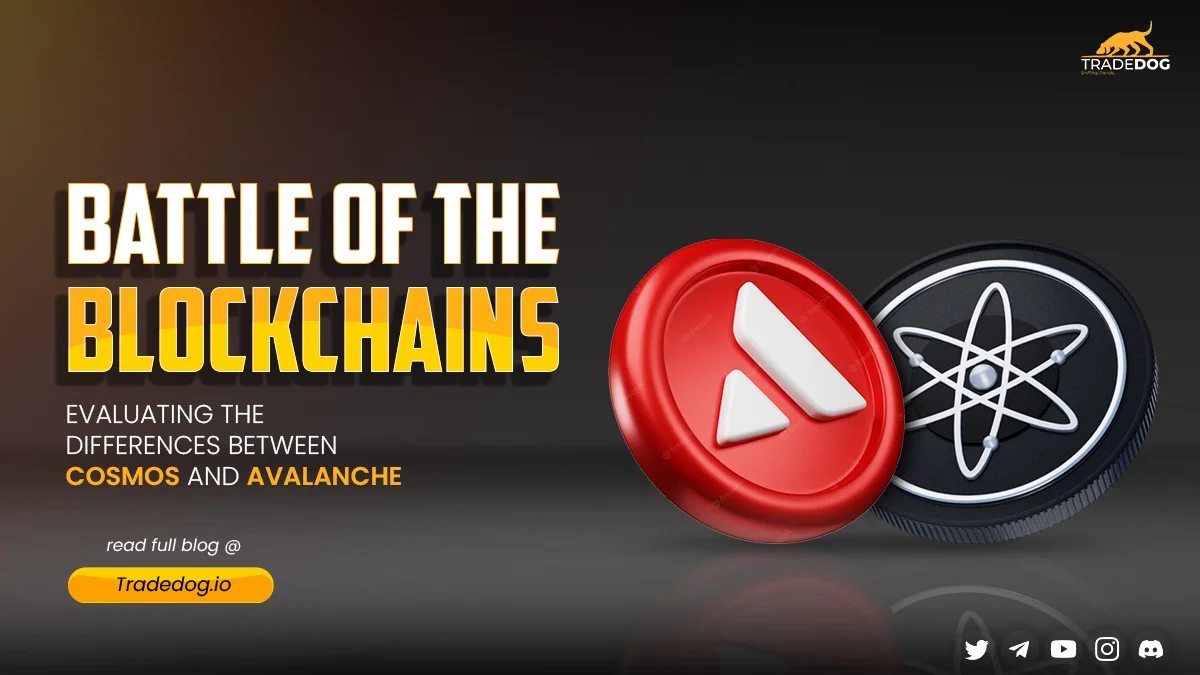
- Interoperability: Compatibility with Cosmos, Avalanche Subnets, and Polygon Supernets for cross-chain operations.
- Community Support: DAO-driven ecosystems and active backing, such as Units Network.
Overlook these, and your app-chain falters. I've watched projects crumble from poor sequencer choices; robust RaaS sidesteps that via proven stacks. For custom rollup launch, testnets first: AltLayer's tools let you prototype in hours, validating before commit.
Overcoming Hurdles and Maximizing ROI
Centralization whispers persist, yet prover markets decentralize proofs swiftly. ENS's Namechain scrap? A reminder that even giants pivot; nimble RaaS users adapt via stack swaps. ZK rollups, topping zkrollups. io lists, promise instant finality, amplifying raas platforms appeal as Ethereum hovers at $1,957.96.
ROI calculus favors RaaS: slash dev cycles by 80%, per enterprise guides. Gaming studios deploy subnets for low-latency worlds; supply chains trace assets on tailored rollups. It's not theoretical; Routescan. io data shows optimistic dominance, but zk's 26.59% share surges with RaaS acceleration.
Forward thinkers integrate now. As Instanodes ranks zkSync and Polygon zkEVM tops for 2026, pair with RaaS for blockchain scalability service that scales portfolios too. Ethereum's resilience at $1,957.96 signals prime time; startups wielding these tools build moats in crowded arenas. The shift from bespoke chains to serviced rollups isn't fad, it's infrastructure maturity enabling bolder bets on decentralized futures.
Providers evolve, but core promise holds: rollup-as-a-service enables fast app-chain deployment, turning infra drag into velocity. Teams ignoring it risk obsolescence amid RaaS-fueled innovation waves.




No comments yet. Be the first to share your thoughts!