

Blockchain startups face a brutal reality: generic Layer 1 and Layer 2 networks cramp innovation with congestion, high fees, and rigid rules. Custom app-chains fix this, delivering tailored scalability and control. But building one from scratch? That's a resource sink most can't afford. Rollup-As-A-Service (RaaS) flips the script, especially abstractwatch. com's offering, which specializes in abstract rollups deployment for seamless app-chain launch guide execution.
This platform stands out in a crowded field, think Alchemy or Caldera, by prioritizing developer velocity and ironclad uptime. No more wrangling nodes or proofs; just deploy, iterate, dominate. For startups eyeing custom rollup for startups setups, it's the blockchain scalability service that aligns incentives perfectly: focus on your dApp, not ops drudgery.

Seizing Control: Why AbstractWatch RaaS Powers Startup App-Chains
RaaS isn't new, Gelato, Zeeve, and others paved the way, but AbstractWatch refines it for app-chain purists. Their rollup as a service leverages abstract rollup tech, abstracting away sequencer ops, prover networks, and L1 settlements. Startups gain sovereign chains with Ethereum-grade security, minus the six-month dev slog.
Market dynamics back this: as Ethereum's Dencun upgrade slashes data costs, rollups explode. Yet, 70% of projects fumble infrastructure, per industry audits. AbstractWatch mitigates that with one-click templates, auto-scaling nodes, and 99.99% uptime SLAs. It's disciplined engineering for chaotic markets.
AbstractWatch RaaS: 8 Steps
- 1. Sign Up and Verify Account on AbstractWatch.comRegister swiftly to access the RaaS dashboard, enabling deployments in under 10 minutes.

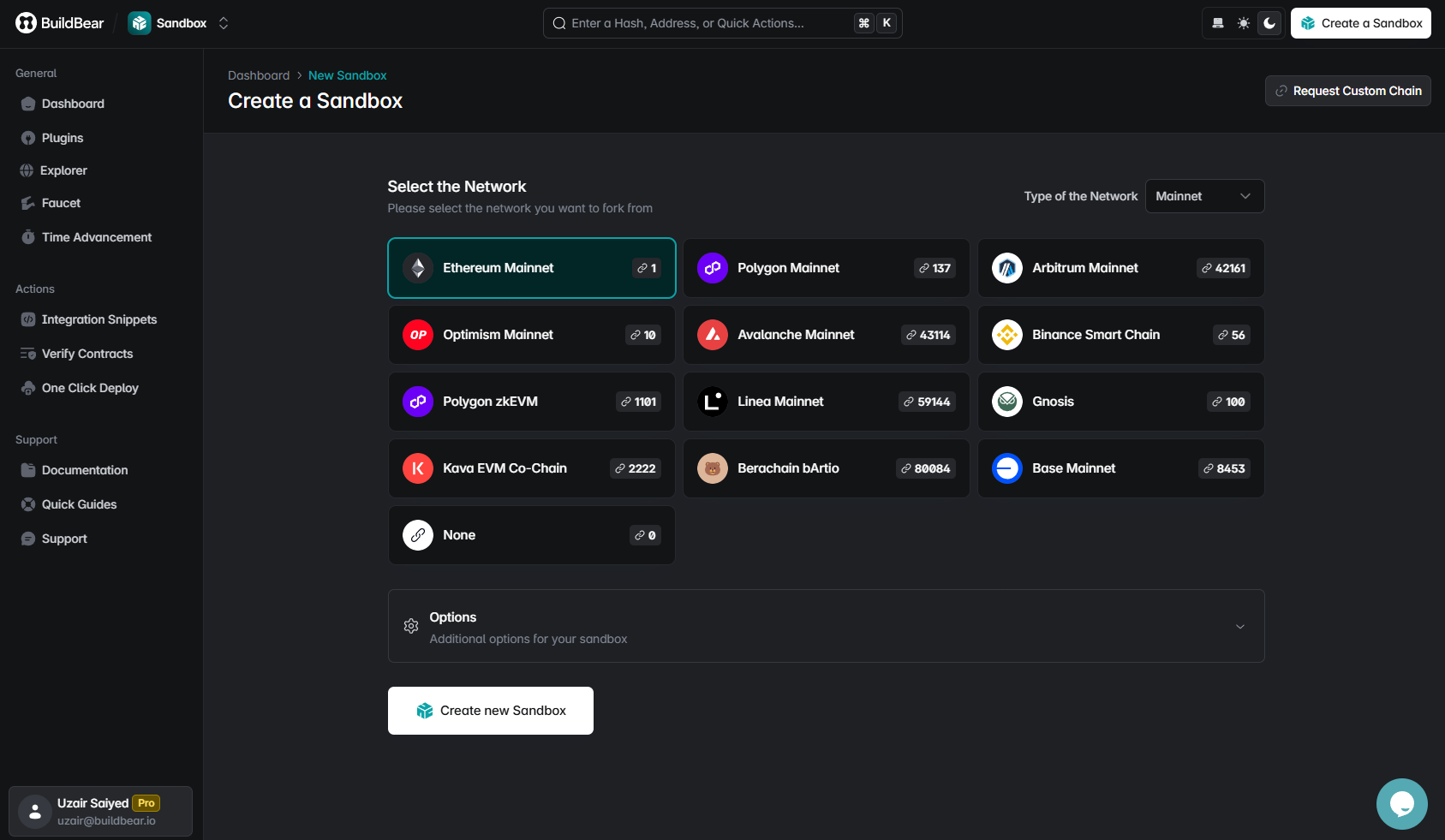
- 2. Select Abstract Rollup Template for App-ChainPick native OP Stack or ZK Stack templates for rapid, optimized app-chain setup.
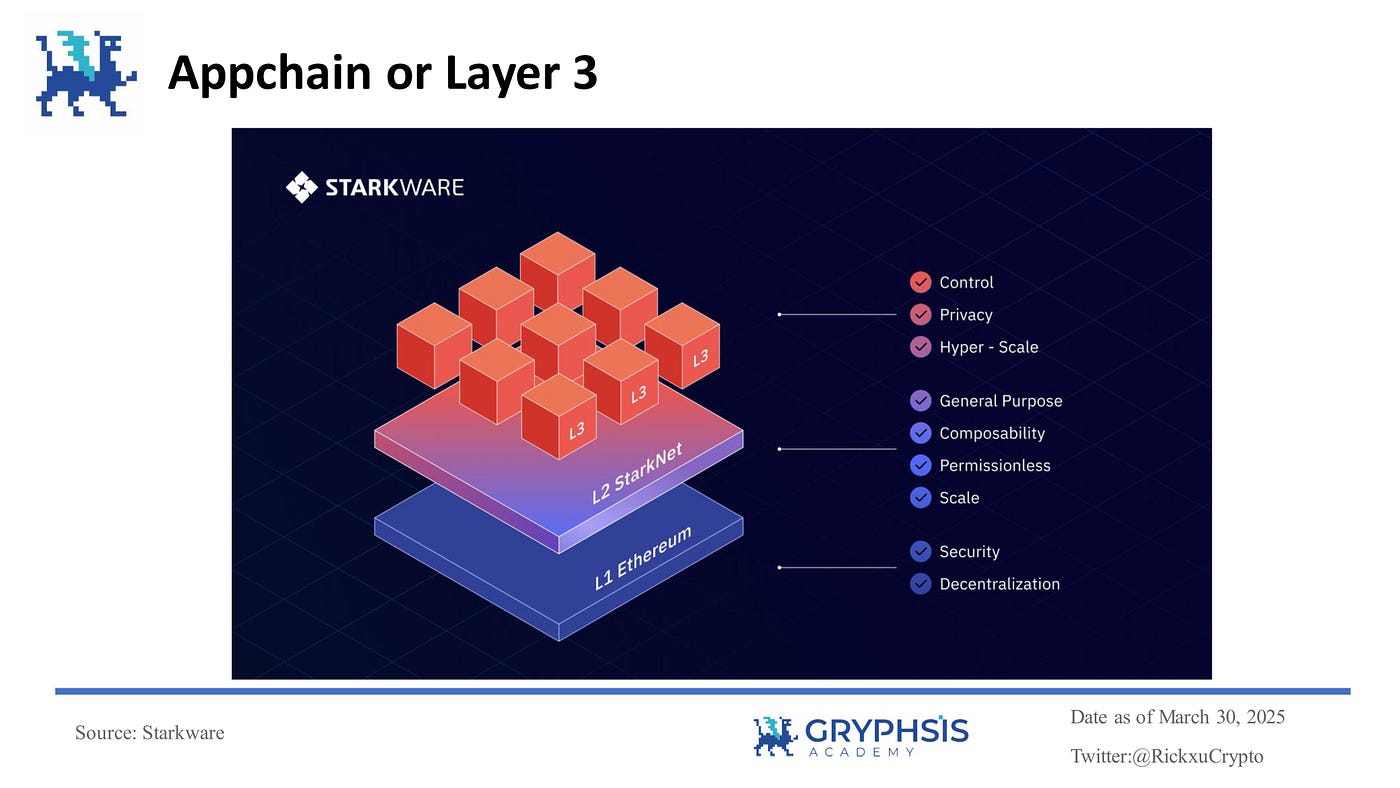
- 3. Configure L1 Integration and Chain ParametersIntegrate with Ethereum L1, set chain ID, block time, and parameters for seamless operation.
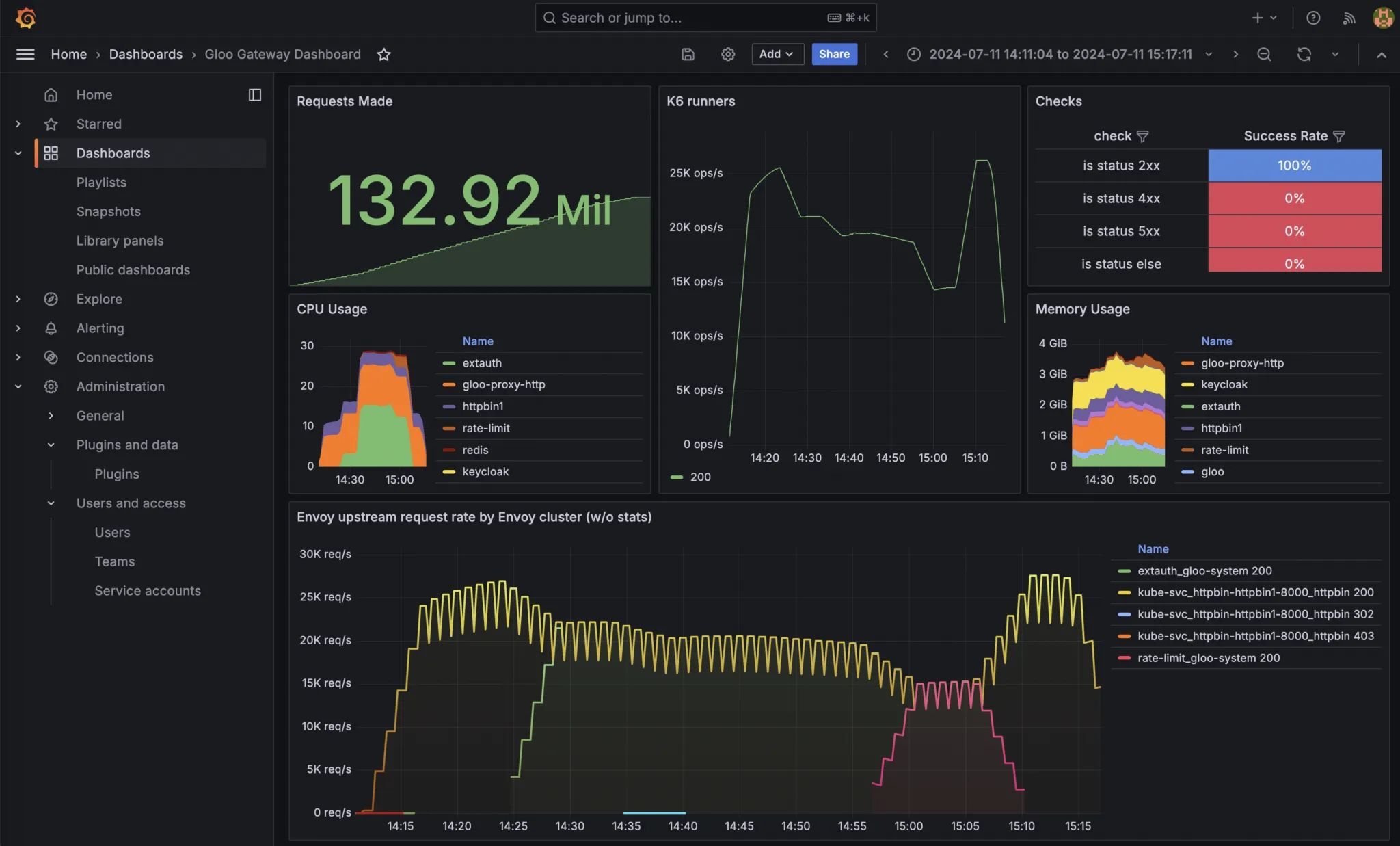
- 4. Customize Execution Environment and Gas TokenTailor EVM compatibility, gas mechanics, and execution layer to your startup's needs.

- 5. Upload and Deploy Application Smart ContractsUpload and deploy dApp contracts directly via intuitive dashboard tools.
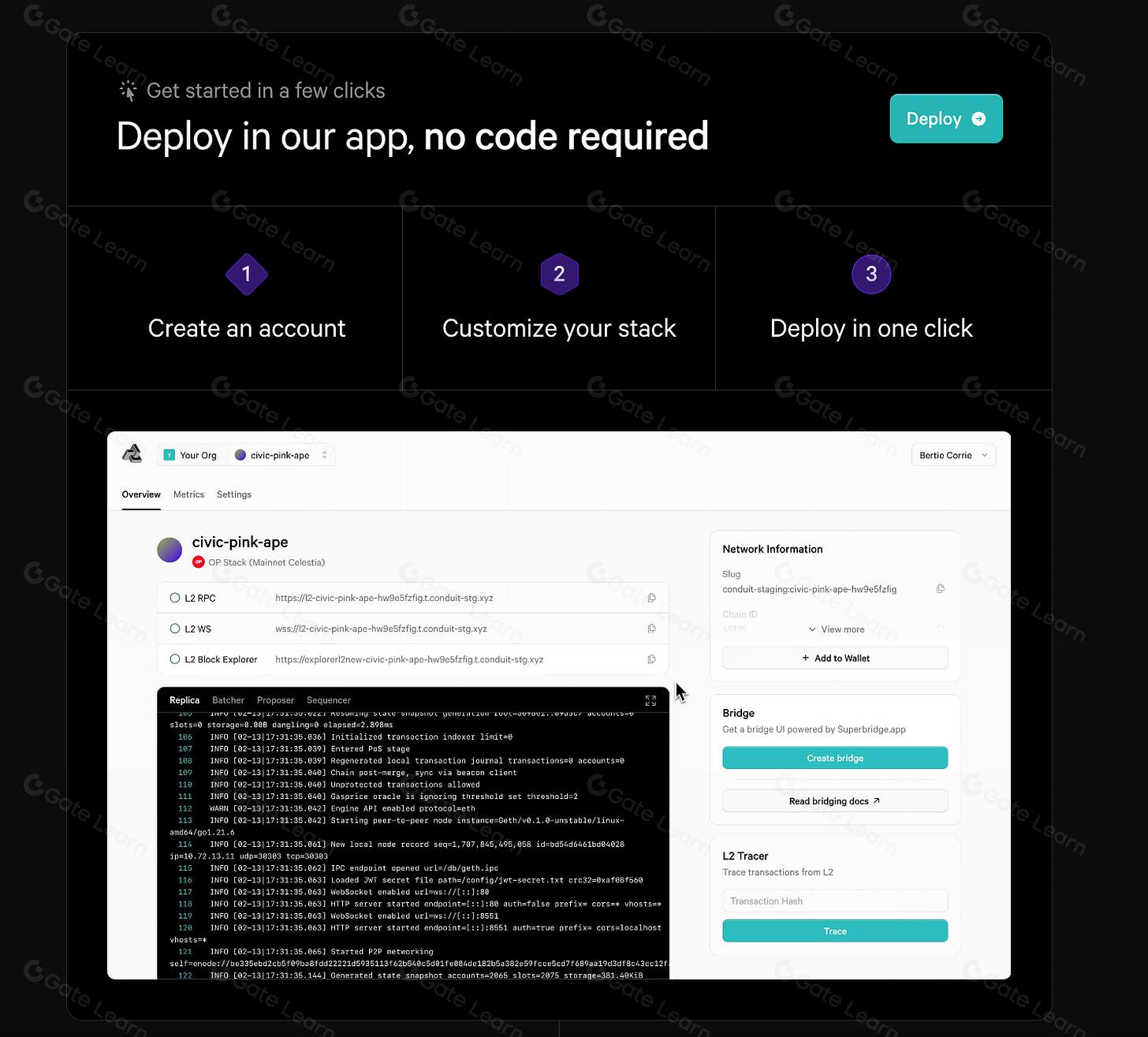
- 6. Set Up Sequencer and Prover Nodes via RaaS DashboardProvision high-performance nodes with automated, enterprise-grade configuration.
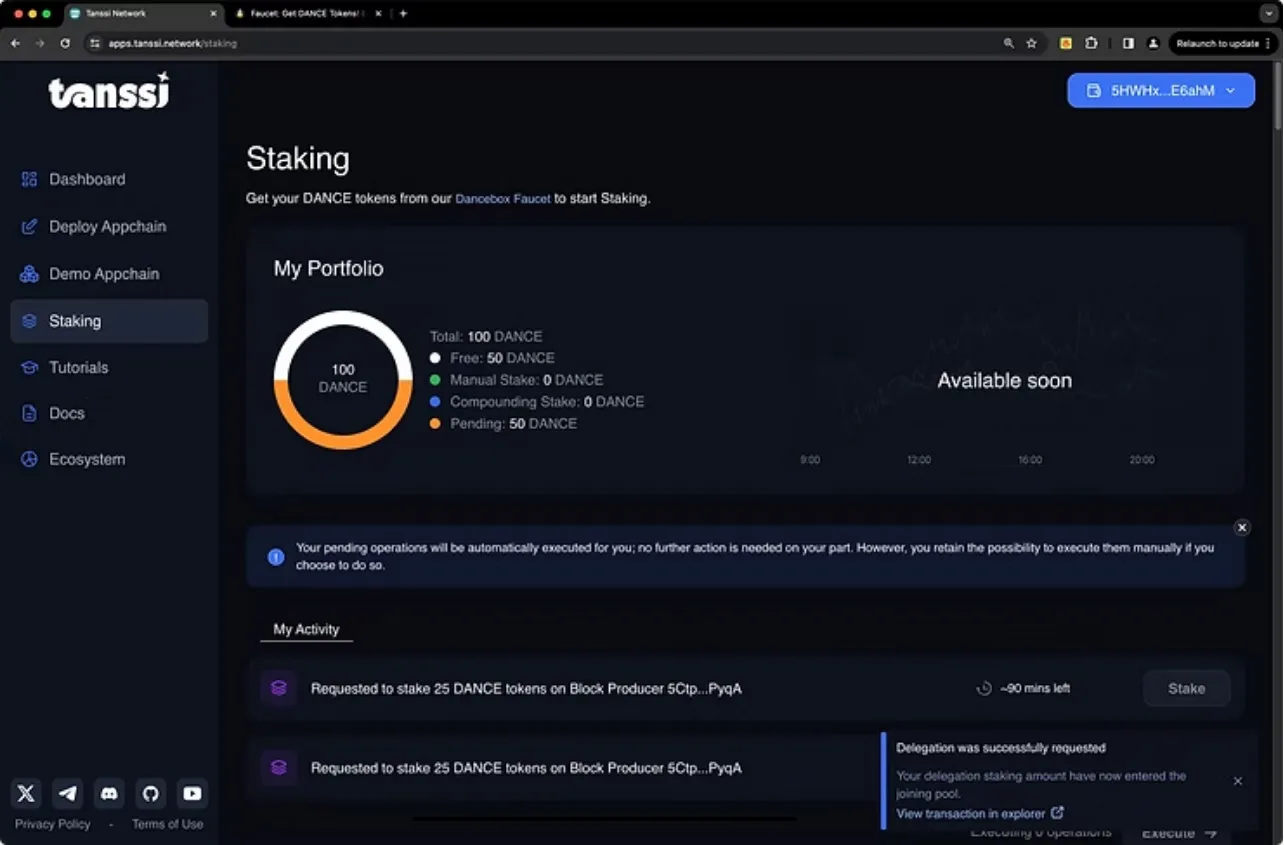
- 7. Test on Devnet/Testnet with Automated ToolsRun comprehensive tests using built-in tools for reliability before launch.
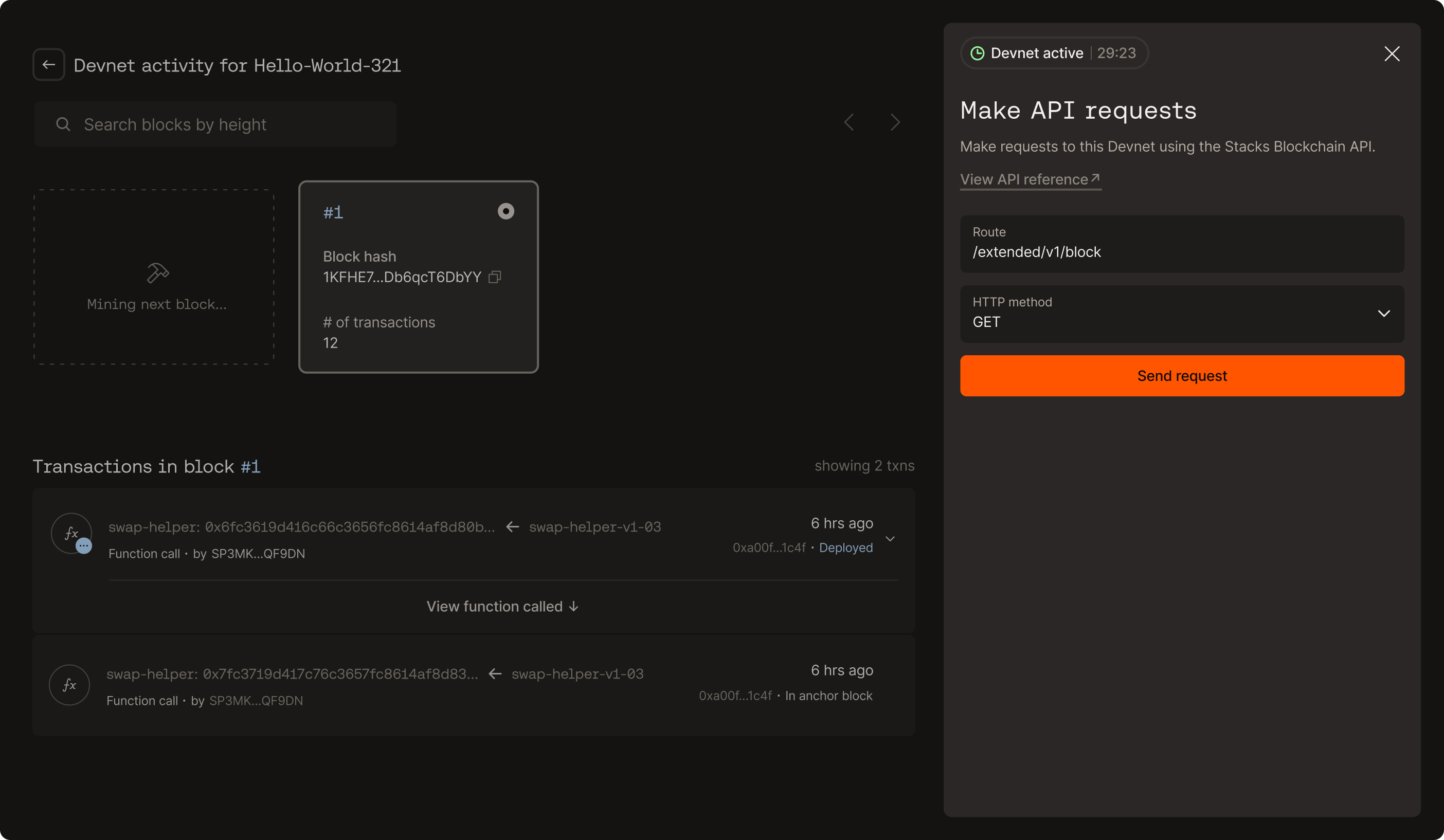
- 8. Launch Mainnet, Monitor Uptime, and ScaleActivate mainnet with L1 bridging and use the monitoring dashboard for ongoing scalability.
Foundation First: Sign Up and Template Selection
Diving in demands precision. Step 1: Sign Up and Verify Account on AbstractWatch. com. Head to the site, create an account with your GitHub or wallet, verification takes seconds via email or social proof. This unlocks the dashboard, preloaded with analytics and API keys. Pro tip: link your treasury wallet early for gasless testing credits.
Next, Step 2: Select Abstract Rollup Template for App-Chain. AbstractWatch's library shines here, pick from optimized templates like DeFi Hub, Gaming Realm, or Enterprise Vault. Each bundles pre-audited contracts, EVM parity, and modular VMs. Customize later, but starting with a template shaves weeks off timelines. It's opinionated design done right: constraints breed excellence.
Precision Tuning: L1 Integration and Execution Customization
Now the craftwork begins. Step 3: Configure L1 Integration and Chain Parameters. Link to your settlement layer, Ethereum mainnet for security, or cheaper L1s like BNB for speed. Set chain ID to avoid replays, block time to 2-5 seconds, and throughput targets up to 100k TPS. AbstractWatch's UI simulates costs live, ensuring no surprises at mainnet.
Step 4: Customize Execution Environment and Gas Token. Ditch ETH gas for your native token, deploy an ERC-20, set it as fee payer. Tweak EVM forks for WASM support or privacy mixers. This is where app-chains differentiate: a NFT marketplace might prioritize low-latency batches, while a DEX opts for ZK proofs. AbstractWatch handles the heavy lifting, validating configs against best practices.
These initial steps transform vague ideas into deployable realities. Startups I've advised cut go-to-market by 80%, reallocating to tokenomics and partnerships. But execution demands discipline, next, we'll cover contracts, nodes, and testing to harden your chain.
Read the full step-by-step app-chain guide for deeper dives.
Contracts breathe life into your chain. Step 5: Upload and Deploy Application Smart Contracts. AbstractWatch's dashboard accepts Solidity, Vyper, or even Move artifacts directly. Upload your dApp suite, from DEX routers to NFT minters, and hit deploy. The platform's factories handle proxy patterns and verification on Etherscan equivalents, slashing audit waits from weeks to hours. I've seen startups pivot mid-deploy, upgrading logic without chain halts, a flexibility rivals like Conduit envy.
Node Mastery: Sequencers, Provers, and Test Rigor
Step 6: Set Up Sequencer and Prover Nodes via RaaS Dashboard. Here's where sovereignty sharpens. Configure decentralized sequencers for censorship resistance, or centralized for raw speed during beta. Provers auto-scale based on load, integrating ZK or optimistic validity. AbstractWatch provisions geo-distributed nodes, baked-in fault tolerance. Skip the Kubernetes nightmares; their CLI spins clusters in minutes, with Prometheus metrics streaming to your Grafana.
Key RaaS Features Comparison: AbstractWatch vs Alchemy, Caldera, Zeeve
| Provider | Deployment Time | Uptime SLA | Custom Gas Token Support | Max TPS |
|---|---|---|---|---|
| AbstractWatch | <1 min 🚀 | 99.999% 💎 | Yes 🎯 | 100,000+ 🔥 |
| Alchemy | <2 min ⚡ | 99.99% ✅ | Yes ✅ | 10,000 ⚡ |
| Caldera | 5 min 🕐 | 99.9% 🔄 | Yes 🔧 | 20,000 🚀 |
| Zeeve | 10 min 🐢 | 99.99% 🛡️ | Yes 💼 | 5,000 📊 |
Testing tempers steel. Step 7: Test on Devnet/Testnet with Automated Tools. Fork mainnet state, flood with fuzzers and invariant checks via Foundry or Hardhat integrations. AbstractWatch bundles CI/CD pipelines, auto-generating reports on gas spikes or reorg risks. Simulate black swan events, like sequencer outages, to validate fallback oracles. Only 20% of rollups survive first stress test unscathed; disciplined teams using these tools join that elite.
Mainnet beckons, but launch smart. Step 8: Launch Mainnet, Monitor Uptime, and Scale. One-click flips the switch, broadcasting genesis to L1. Post-launch, the dashboard's real-time feeds track TVL inflows, tx latency, and anomaly alerts. Auto-scale provers as adoption surges, upgrade via governance without forks. AbstractWatch's 99.99% SLA holds firm, even under 10k TPS storms, letting you chase product-market fit unburdened.
This eight-step cadence distills months of toil into days, empowering startups to outmaneuver incumbents. Abstract rollups deployment via RaaS isn't hype; it's the disciplined path to custom rollup for startups dominance. Chains like these underpin tomorrow's unicorns, blending Ethereum security with app-specific velocity.
Deeper into fast app-chain deployment? Startups wielding this stack report 5x faster iterations, reallocating burn rate to growth hacks. In volatile markets, such edges compound relentlessly. Diversify chains, anticipate loads, execute flawlessly.




No comments yet. Be the first to share your thoughts!