

As Ethereum trades at $1,946.11, down 6.81% in the last 24 hours, DeFi builders face mounting pressure to deliver high-throughput protocols without the baggage of layer-1 congestion. Rollup-as-a-Service (RaaS) platforms like abstractwatch. com's offering cut through this noise, enabling one-click deployment of abstract rollup app-chains tailored for DeFi innovation.
Traditional blockchain development demands wrestling with consensus mechanisms, data availability, and execution layers. Abstract rollups flip the script by modularizing these components, letting DeFi projects like lending markets or perpetual exchanges scale independently while settling on Ethereum. Providers such as Zeeve and Caldera have paved the way, but abstractwatch. com's RaaS stands out for its seamless integration of zero-knowledge and optimistic proofs, enterprise-grade uptime, and DeFi-specific optimizations.
Decoding Abstract Rollup Architecture for DeFi App-Chains
At its core, an abstract rollup abstracts away the complexities of rollup deployment. Instead of coding sequencers from scratch, you leverage pre-built modules for execution (via OP Stack or zkEVM), settlement on Ethereum, and data posting. This matters for DeFi because app-chains can host custom gas tokens, sovereignty over upgrades, and sub-second finality without Ethereum's $1,946.11 ETH price volatility spiking costs.
Consider the supply-demand dynamics: Ethereum's rollup ecosystem has exploded, processing billions in TVL, yet bespoke chains remain elusive for most builders. RaaS changes that. Platforms handle node orchestration, monitoring, and even bridging, freeing you to focus on yield farms or oracle integrations. Sources like Alchemy emphasize rollups' off-chain computation shift, boosting throughput 10-100x while inheriting Ethereum security.
RaaS Providers Compared: Spotlight on Abstractwatch for DeFi
Not all RaaS is equal. Caldera pushes 1-click optimistic rollups, Gelato adds no-code flair, and Zeeve brings enterprise SLAs. Yet abstractwatch. com's Rollup-As-A-Service edges ahead for DeFi with abstract rollup templates optimized for high-frequency trading and liquidity pools. Deployment times shrink from months to hours, infrastructure costs plummet 80%, and customization stays boundless.
Why does this resonate now? With ETH at $1,946.11 after dipping from a 24-hour high of $2,139.54, cost predictability is king. Abstractwatch handles the heavy lifting: sequencer redundancy, fault proofs, and even multi-rollup orchestration. Dive deeper via our step-by-step launch guide.
Ethereum (ETH) Price Prediction 2027-2032
Long-term forecasts amid Rollup-as-a-Service (RaaS) advancements boosting Ethereum scalability and DeFi adoption, starting from 2026 baseline of $1,946
| Year | Minimum Price | Average Price | Maximum Price | YoY % Change (Avg) |
|---|---|---|---|---|
| 2027 | $2,500 | $3,800 | $5,500 | +95% |
| 2028 | $3,200 | $5,200 | $8,000 | +37% |
| 2029 | $4,000 | $7,000 | $11,000 | +35% |
| 2030 | $5,200 | $9,500 | $14,500 | +36% |
| 2031 | $6,800 | $12,500 | $19,000 | +32% |
| 2032 | $8,500 | $15,000 | $23,000 | +20% |
Price Prediction Summary
Ethereum's price is projected to experience robust growth from 2027 to 2032, driven by RaaS platforms enabling efficient rollup deployments for DeFi app-chains. Average prices could rise from $3,800 in 2027 to $15,000 by 2032, reflecting scalability gains, increased adoption, and favorable market cycles, with min/max capturing bearish/bullish scenarios.
Key Factors Affecting Ethereum Price
- RaaS platforms like Caldera, Gelato, and Zeeve accelerating L2 rollup deployment and Ethereum throughput
- Modular blockchain frameworks reducing costs and enhancing DeFi scalability
- Regulatory progress fostering institutional adoption
- Ongoing Ethereum upgrades (post-Dencun) improving efficiency
- Crypto market cycles and competition from L1s influencing volatility
- Rising TVL in DeFi app-chains boosting ETH demand
Disclaimer: Cryptocurrency price predictions are speculative and based on current market analysis. Actual prices may vary significantly due to market volatility, regulatory changes, and other factors. Always do your own research before making investment decisions.
Prerequisites and Initial Setup for Your DeFi Rollup
Before diving into deployment, assemble your toolkit. You'll need an Ethereum wallet with testnet ETH (mainnet optional for production), familiarity with Solidity or Rust for smart contracts, and access to abstractwatch. com's dashboard. Sign up is straightforward: verify via wallet connect, select 'Abstract Rollup' template, and configure chain ID.
Key decisions upfront: optimistic vs. zk-rollup? For DeFi, zk offers faster withdrawals but higher prover costs; optimistic suits high-volume AMMs. Abstractwatch supports both, with hybrid modes emerging. Next, define your app-chain specs: EVM compatibility, native token (e. g. , $DEFI), and gas limits tuned for perpetuals or options trading.
Pro tip: Start on Sepolia testnet to simulate real loads. Monitor metrics like block time and TVL potential. Gelato's docs highlight similar no-code flows, but abstractwatch adds DeFi primitives like integrated oracles out-of-the-box. Check how RaaS simplifies this for devs.
With environment primed, you're set to generate configs. Export your genesis file, fund the sequencer, and initiate the first batch submission. This rollup as a service tutorial phase typically takes under 30 minutes, a far cry from vanilla deployments.
Now, the real action begins: deploying your DeFi app-chain. Abstractwatch's dashboard guides you through sequencer initialization and batch submission with intuitive prompts, abstracting away RPC endpoints and validator sets. This rollup as a service tutorial zeroes in on practical execution, where most builders falter without RaaS support.
Deploy DeFi Rollup: Config to First Block on Abstractwatch RaaS
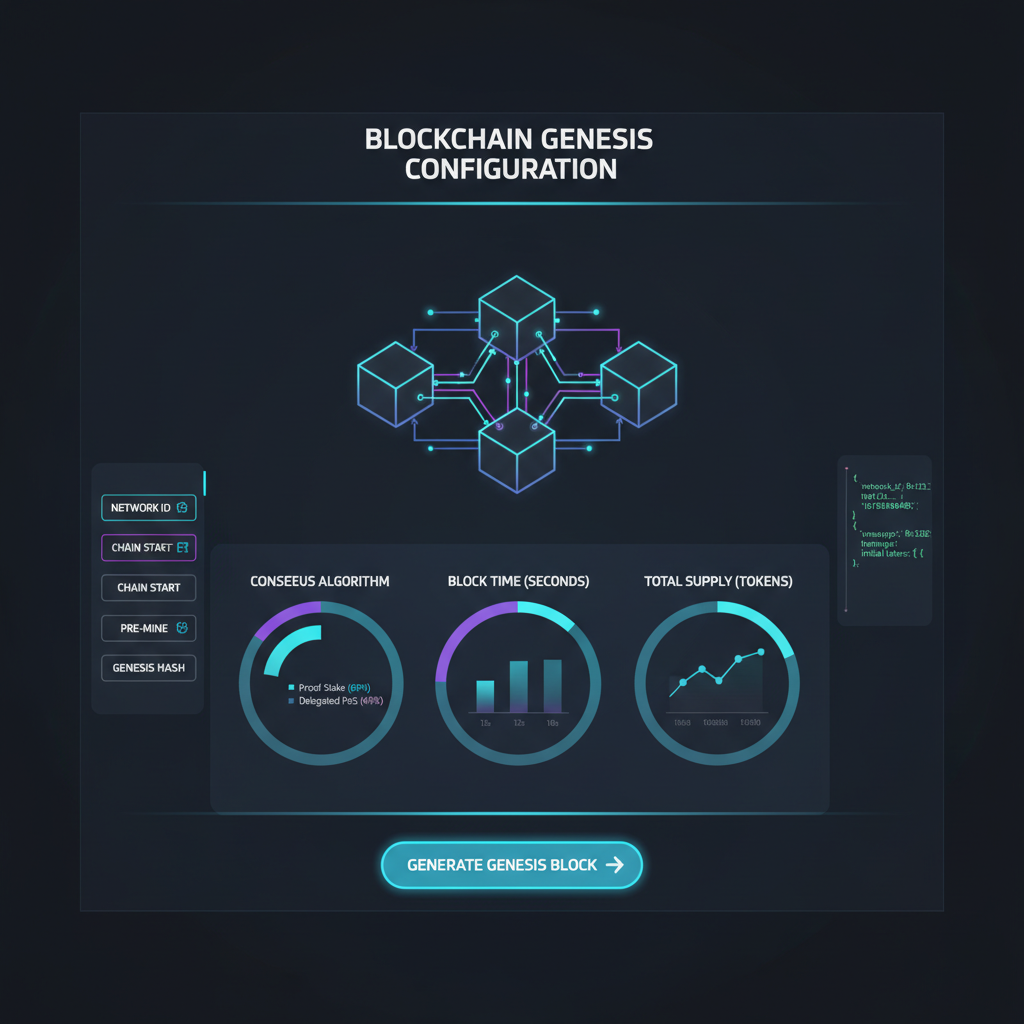
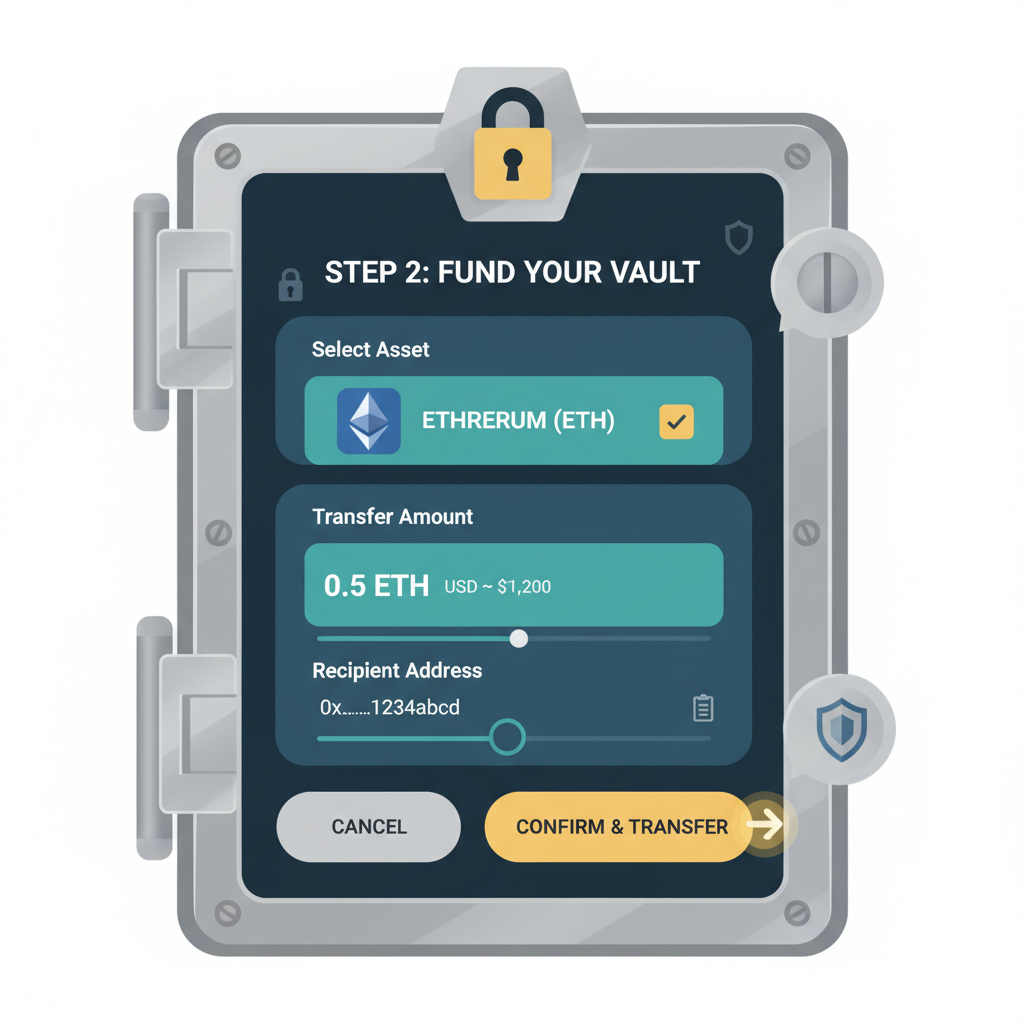
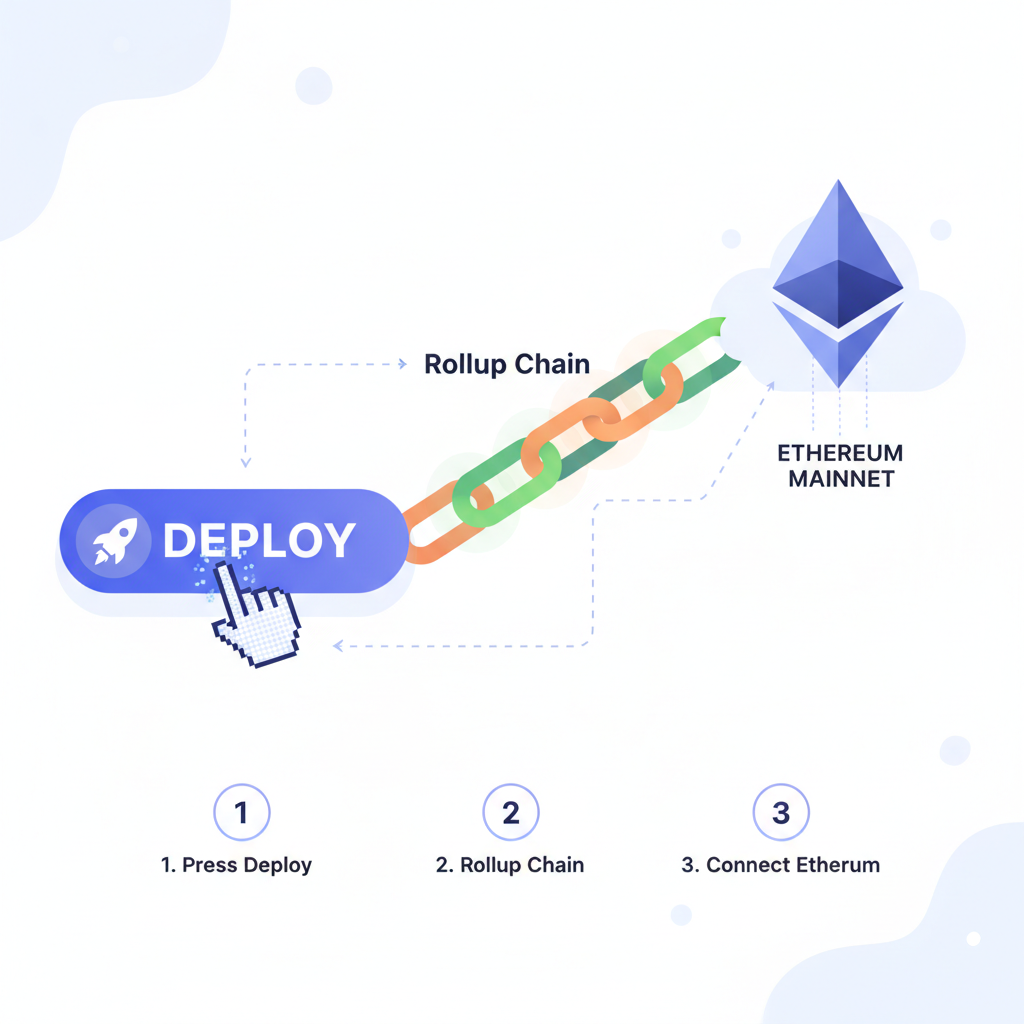
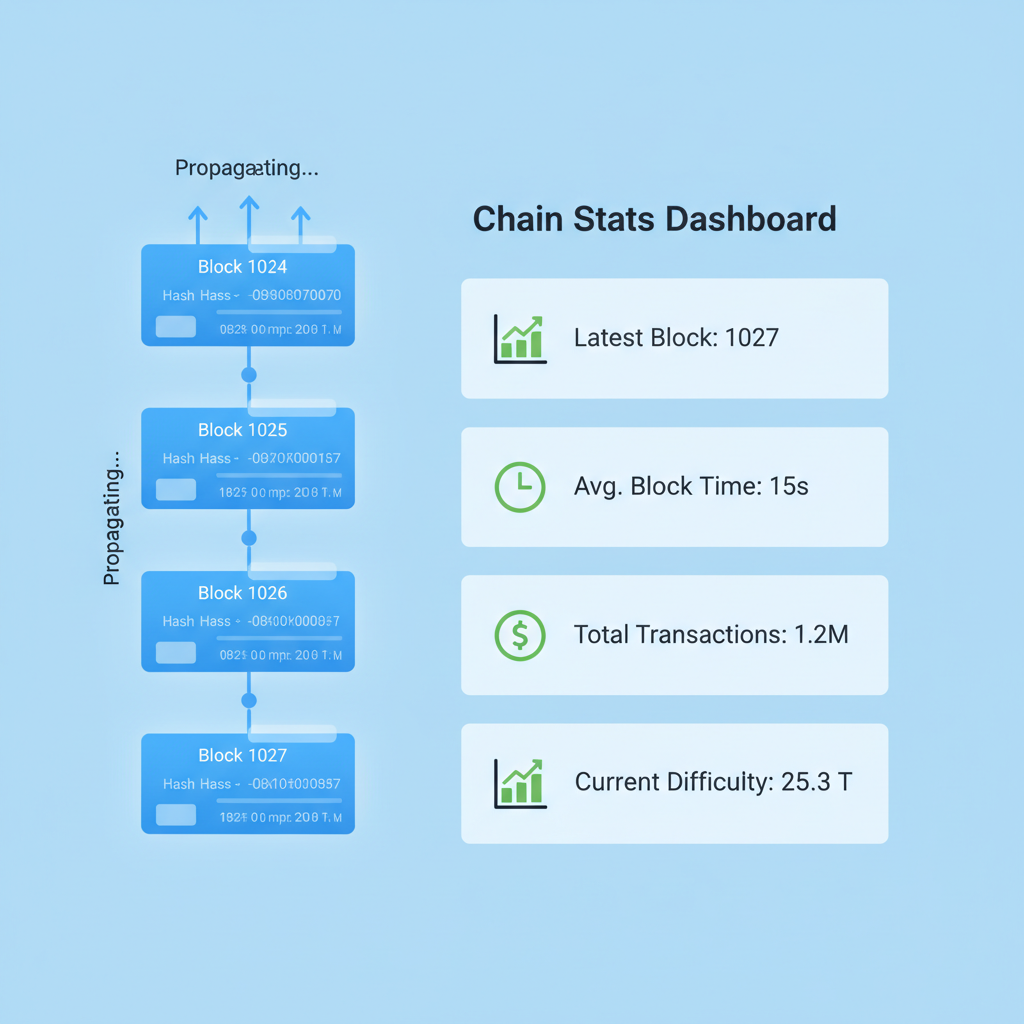
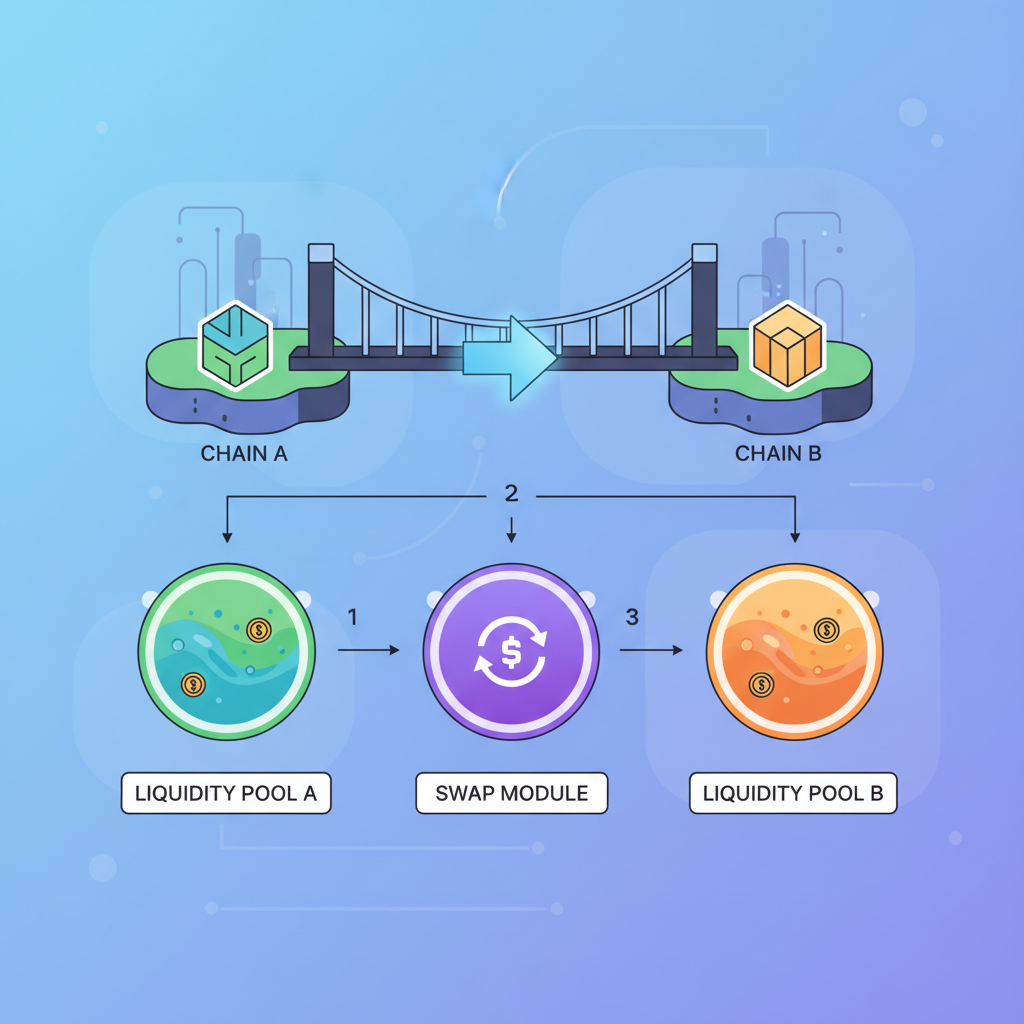
Post-deployment, integrate your DeFi dApp. Flash loans, perps, or yield aggregators thrive here, posting calldata to Ethereum for security while executing off-chain at fractions of mainnet gas. Providers like Quicknode underscore RaaS's role in Ethereum scaling, but abstractwatch excels in DeFi ergonomics, slashing blockchain rollup service overhead by 90%.
Here's a glimpse of deploying a minimal lending contract via Hardhat, tailored for your rollup's RPC:
Hardhat Deployment Script (scripts/deploy.js)
Run `npx hardhat compile` followed by `npx hardhat test` to prepare. Configure the abstract rollup in `hardhat.config.js`: ```javascript networks: { abstractrollup: { url: "https://your-custom-rollup-rpc.com", chainId: 901, // your chain ID accounts: ["0xYourPrivateKey"] } } ```
const hre = require("hardhat");

async function main() {
  const [deployer] = await hre.ethers.getSigners();

  console.log("Deploying Lending contracts with the account:", deployer.address);
  console.log("Account balance:", (await hre.ethers.provider.getBalance(deployer.address)).toString());

  // Deploy the DeFi lending contract
  const Lending = await hre.ethers.getContractFactory("Lending");
  const lending = await Lending.deploy(
    500, // base interest rate (basis points)
    "0x742d35Cc6634C0532925a3b8D7c7a6d7DCbD6f99" // treasury address
  );

  await lending.waitForDeployment();
  console.log("Lending contract deployed to:", await lending.getAddress());
}

main().catch((error) => {
  console.error(error);
  process.exitCode = 1;
});
Deploy succinctly: `npx hardhat run scripts/deploy.js --network abstractrollup`. Note the contract address for app-chain integration.
//Sample integration in deployment script const lendingContract = await Lending. deploy(interestRateModel, reserveFactor); await lendingContract. deployed(); console. log('Lending deployed to: ', lendingContract. address); Adapt this for production: swap in your rollup endpoint, verify on the chain explorer, and seed liquidity pools. Abstractwatch auto-generates explorers and APIs, accelerating indexing for Dune dashboards or The Graph subgraphs.
Monitoring and Scaling: Sustaining DeFi Throughput
Deployment is day zero; longevity defines winners. Abstractwatch's observability suite tracks sequencer health, dispute resolution, and TVL flows in real-time. Set alerts for batch delays or proof finality, critical as ETH hovers at $1,946.11 amid market dips. Scale horizontally by adding rollups for silos: one for spot DEX, another for options.
Real-world edge: A perp protocol on similar RaaS hit 10k TPS, fees under $0.001, inheriting Ethereum's $1tn and security moat. Dysnix notes rollups' TX offloading boosts efficiency; abstractwatch operationalizes it for DeFi with auto-upgrades and multi-DA support (Celestia incoming). Check our abstract rollup deployment insights for startups.
Challenges persist: Prover centralization in zk-rollups, economic attacks on sequencers. Mitigate via decentralized sequencer sets and bonded validators, features abstractwatch prioritizes. For high-stakes DeFi, hybrid optimistic-zk modes balance speed and verifiability.
Builders report 5x faster iterations versus self-hosted chains. With Gelato's no-code parallels, abstractwatch differentiates through DeFi-native tooling: on-ramp fiat gateways, CEX listings acceleration, and governance modules for token DAOs. Ethereum's rollup centric roadmap amplifies this; your app-chain positions ahead of the curve.
Rollups-as-a-service turns infrastructure drudgery into a deploy button. For DeFi, it's the scalpel slicing through Ethereum's congestion without compromising sovereignty.
Launch today on abstractwatch. com. Fund your vision, monitor at $1,946.11 ETH stability, and capture the app-chain rollups DeFi surge. The ecosystem awaits your protocol.




No comments yet. Be the first to share your thoughts!