

In the fast-evolving blockchain landscape of 2026, startups face a familiar dilemma: how to scale applications without drowning in infrastructure complexity. Rollup-as-a-Service (RaaS) emerges as a pragmatic answer, particularly through no-code custom rollup deployment. This approach lets founders launch tailored app-chains swiftly, sidestepping the months-long dev sprints that once defined blockchain builds. With the RaaS market poised to balloon from $89.2 million in 2025 to $354 million by 2032 at a 20.5% CAGR, according to Intel Market Research, the timing couldn't be better for resource-strapped teams eyeing quick blockchain rollup setup.
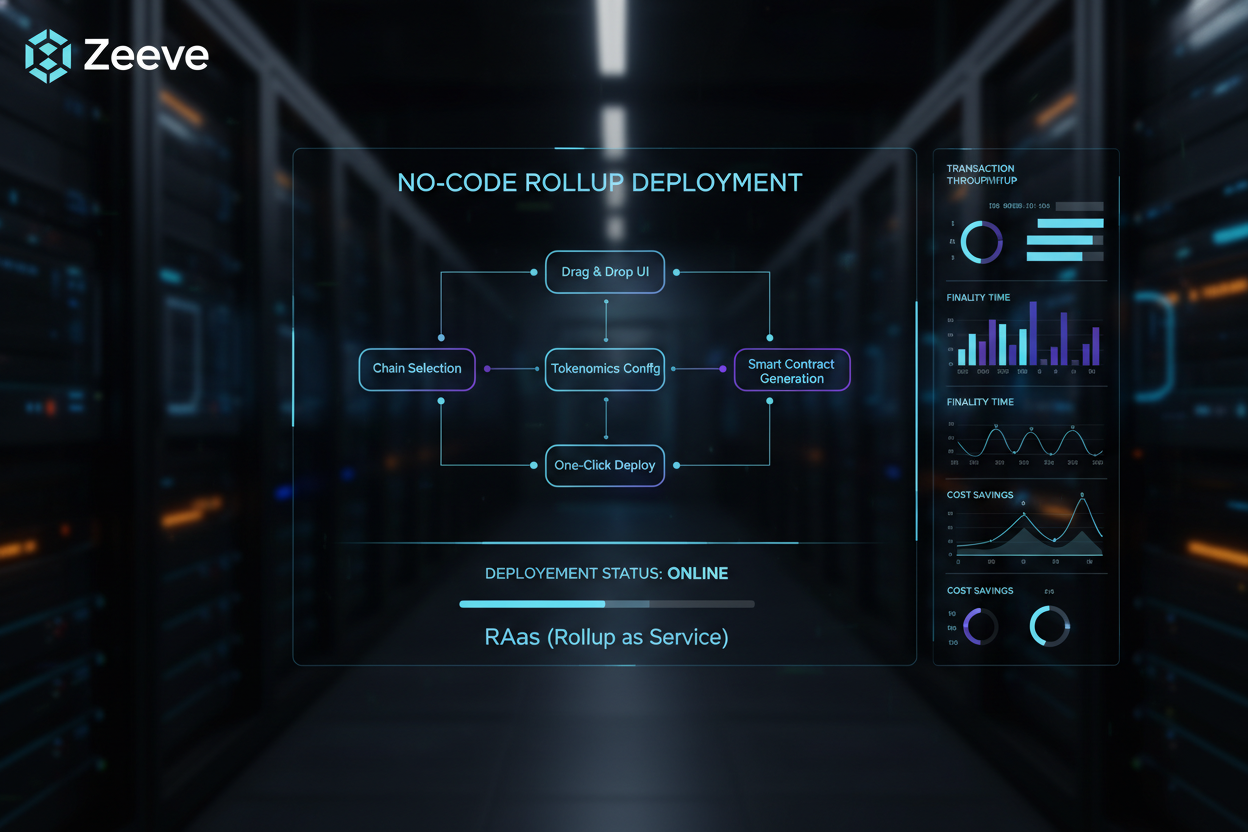
Traditional rollup deployment demanded deep expertise in zero-knowledge proofs or optimistic mechanisms, plus endless tweaking of node operators and sequencers. Platforms like Zeeve and Asphere flip that script with intuitive interfaces. Zeeve's no-code platform, for instance, supports both optimistic and zk-rollups on enterprise-grade infrastructure, complete with SLAs and security audits. Asphere's Polkadot integration takes it further, blending no-code ease with modular stacks for seamless custom app-chain launches.
Why Startups Are Pivoting to RaaS in 2026
The shift isn't hype; it's necessity. Blockchain apps now handle real-world loads - DeFi trades, NFT mints, supply chain tracking - all craving Ethereum-level security at fractionally higher speeds. Yet, Ethereum's base layer chokes under demand, pushing throughput bottlenecks. RaaS providers demystify rollups, offering rollup as a service that abstracts away the ops nightmare. Instanodes boasts one-click suites for reliable launches, while Alchemy highlights frameworks slashing deployment from weeks to hours.
Consider the numbers: Zeeve's Polygon CDK Sandbox empowers zk-rollup spins with drag-and-drop configs. This isn't just faster; it's cheaper. Startups dodge hiring armies of blockchain engineers, redirecting capital to product-market fit. Outlook India nails it - RaaS revolutionizes infrastructure by stripping complexity, letting builders focus on innovation over infra wrestling.
No-Code Rollup Deployment: Breaking Down the Barriers
No-code doesn't mean dumbed-down. It's sophisticated abstraction, layering user-friendly UIs over battle-tested stacks. For raas for startups 2026, this means configuring gas limits, settlement layers, and data availability via checkboxes, not Solidity marathons. Gateway. fm underscores how RaaS streamlines management post-launch, with auto-scaling and monitoring baked in.
Top No-Code RaaS Platforms
- Zeeve: Provides one-click deployment for ZK and OP rollups via no-code platform, enterprise-grade security with SLA, rapid scalability, and cost efficiency. Learn more
- Asphere: Enables no-code rollup deployment with Polkadot integration, ZK/OP support, enterprise infrastructure, quick scalability for startups.

- Instanodes: Delivers one-click deployment suite for rollups, supports ZK/OP, robust enterprise security, scalable performance, and efficient costs.
Take abstract rollup technology - it's the secret sauce here. By pre-building modular components, services like those from abstractwatch. com enable no code rollup deployment that's both customizable and compliant. Calibraint notes reduced time-to-market ensures startups hit compliance and security checkboxes effortlessly, a boon in regulated sectors like finance or gaming.
Real-World Wins Driving RaaS Adoption
Providers are stacking credentials. Zeeve ranks high for hosting dual rollup types with low-code polish, per Vocal. media's 2026 watchlist. Instanodes earns nods for reliability in one-click ops. Even SaaS parallels like Unqork inspire, proving no-code scales to enterprise apps. Crypto Development Company's top picks emphasize tailor-made frameworks boosting efficiency sans security trade-offs.
For a startup sketching its first app-chain, RaaS shifts the equation. Instead of bootstrapping sequencers or bridging to L1s manually, founders select templates, tweak params, and deploy. This custom app chain launch velocity unlocks experimentation - test DA committees one week, pivot to validium the next.
That agility matters when markets move fast. A gaming startup, for example, can spin up a rollup optimized for high-throughput mints during peak NFT hype, then scale back without sunk costs. Or a DeFi team tests novel AMMs on a custom chain, settling to Ethereum for trustlessness, all via abstract rollup technology that handles the heavy lifting.
Streamlining Deployment: A Practical Walkthrough
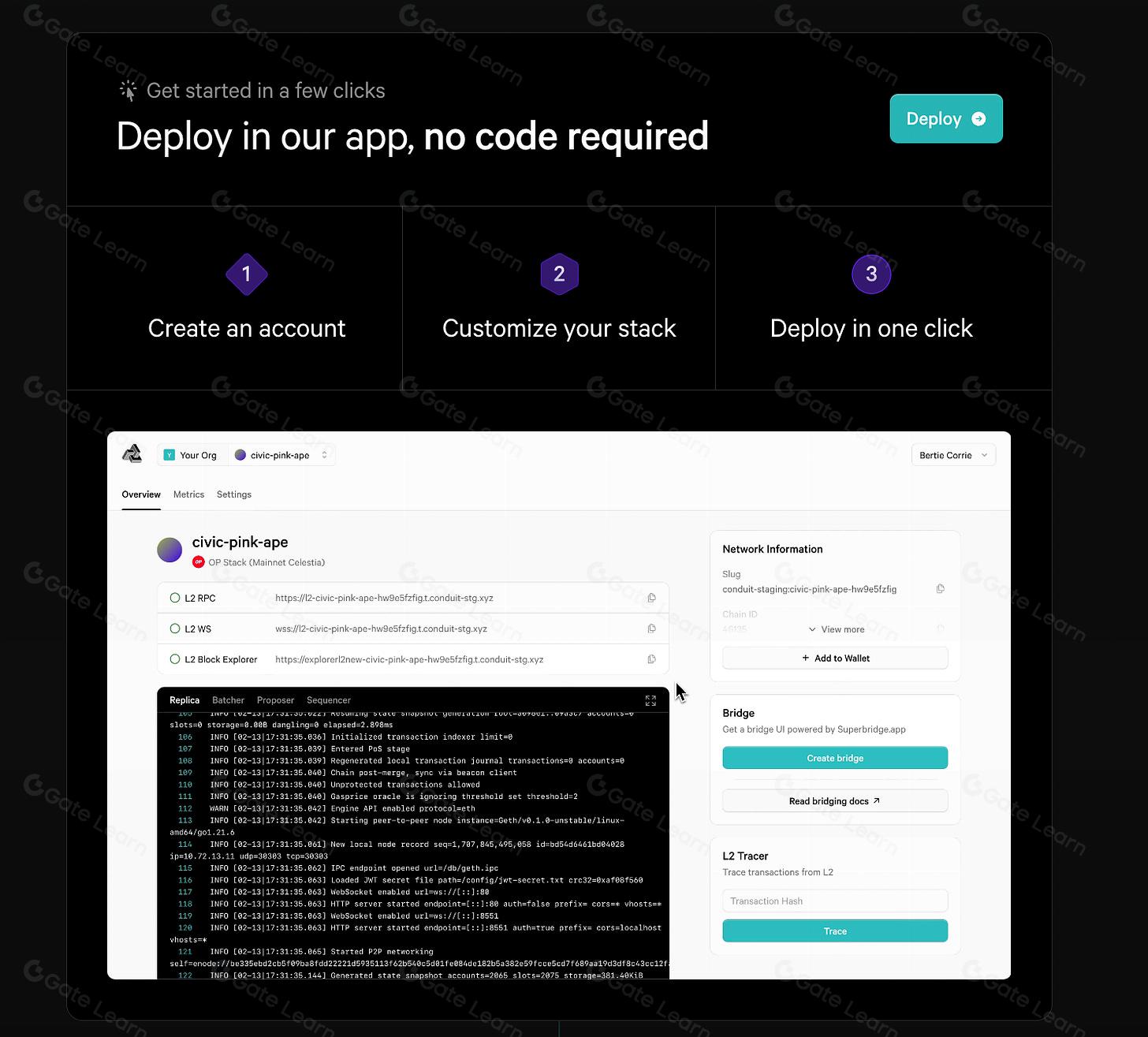
Getting hands-on reveals the real power. Platforms prioritize intuitive flows, turning what used to be a six-month ordeal into an afternoon task. Rollup-As-A-Service from abstractwatch. com exemplifies this, offering robust documentation and support for seamless app-chain rollouts. No more wrestling with EVM forks or prover networks; select your rollup flavor, configure via UI, and go live.
5 No-Code Steps to Deploy Custom Rollups for Startups
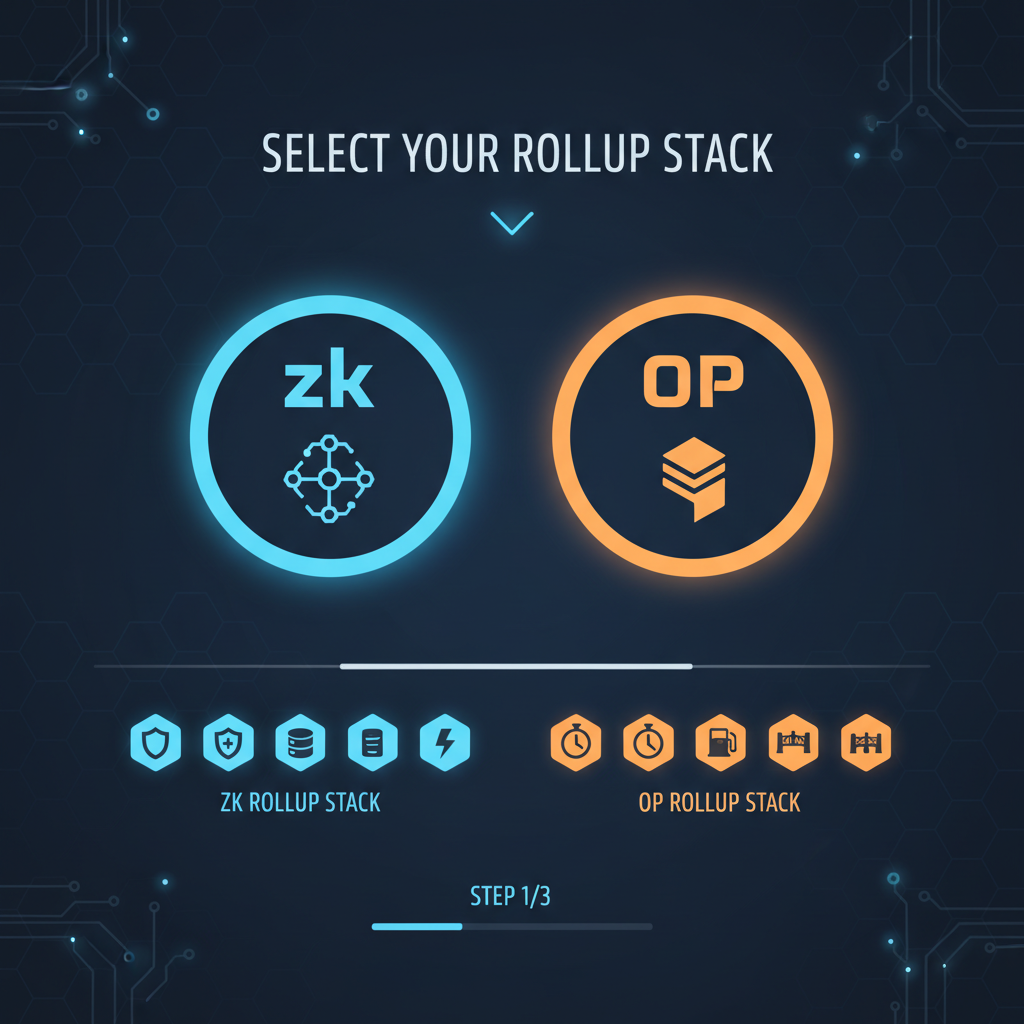
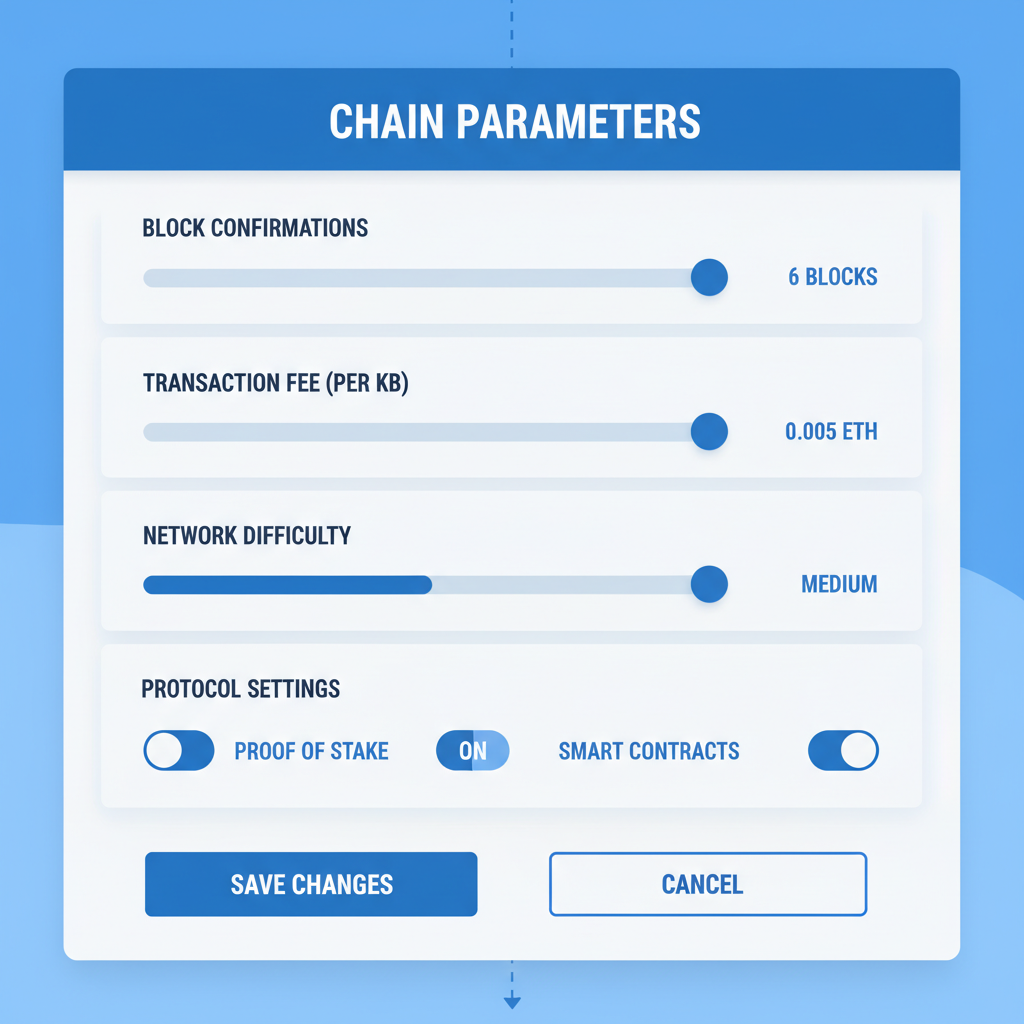
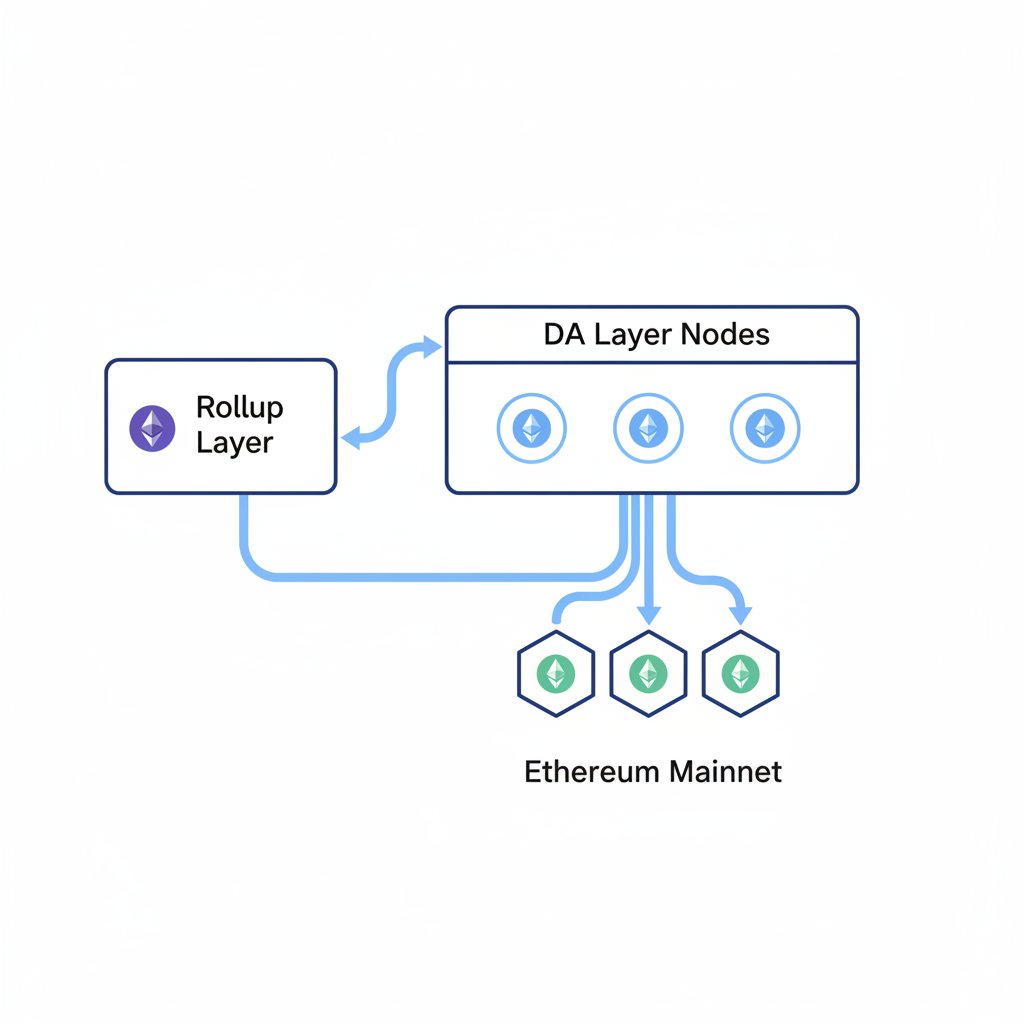
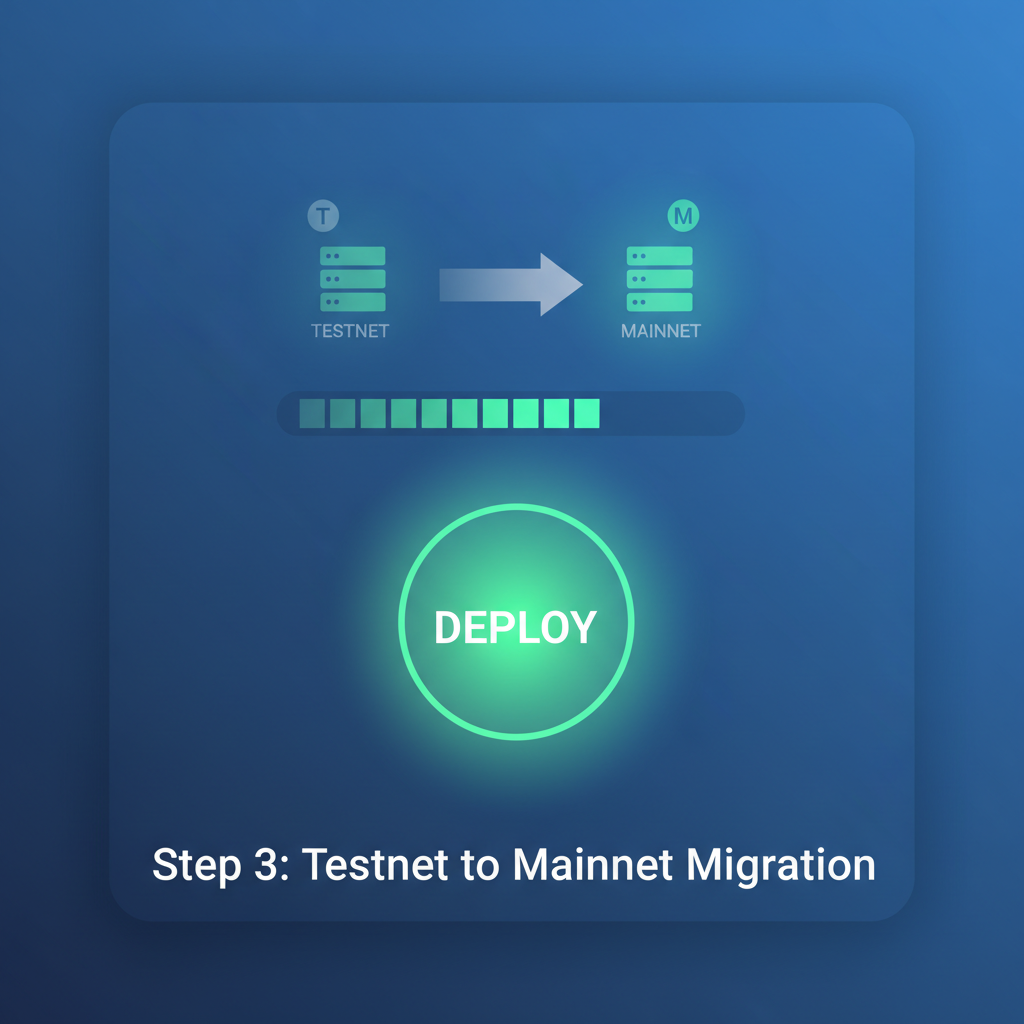
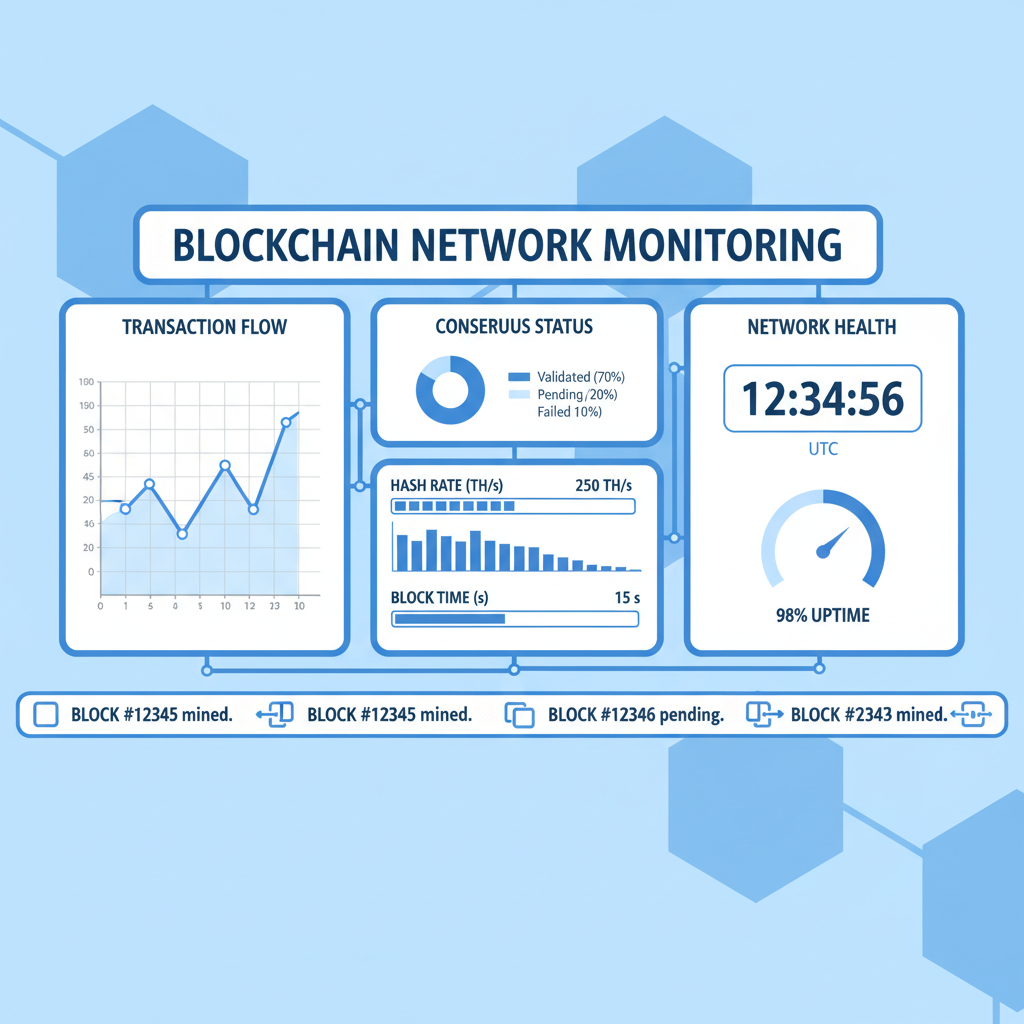
This process isn't theoretical. Zeeve's sandbox proves it with Polygon CDK integrations, letting users launch zk-rollups sans code. Asphere's Polkadot tie-up adds enterprise polish, ideal for startups chasing regulated markets. The result? Quick blockchain rollup setup that frees engineers for core logic, not plumbing.
RaaS for Startups 2026: Cost Savings and Scalability Edge
Pragmatically, the economics seal the deal. Building in-house burns $500K and in dev time and audits; RaaS slashes that by 80%, per industry benchmarks. With uptime guarantees and auto-scaling, startups avoid downtime disasters that sink fledglings. Vocal. media flags Zeeve's dual-rollup support as a 2026 standout, while Instanodes shines in reliability rankings. For teams bootstrapping, this means runway extension - pivot funds from infra to growth hacks.
Scalability follows suit. Rollups inherit L1 security while posting 10x-100x TPS gains. RaaS platforms layer on monitoring, alerting founders to sequencer lags before users notice. Gateway. fm captures it well: management post-launch is effortless, with dashboards rivaling mature cloud services. In a world where Web3 apps must rival Web2 speed, this levels the field.
Opinionated take: not all RaaS is equal. Many chase hype with flashy demos but falter on customization or support. Look for proven SLAs, modular stacks, and communities backing long-term viability. Abstractwatch. com stands out here, blending rollup as a service with expert guidance tailored for builders. Their platform's focus on abstract rollups ensures startups deploy chains that evolve with needs, from validiums to full zk proofs.
Startup Benefits of No-Code RaaS
- Reduced Dev Costs: No-code platforms like Zeeve and Asphere eliminate the need for in-house blockchain experts, saving startups significant development expenses amid RaaS market growth from $89.2M in 2025 to $354M by 2032.
- Faster Time-to-Market: One-click deployments via Instanodes or Zeeve's Polygon CDK Sandbox enable rapid rollup launches, accelerating go-live timelines for startups.
- Built-in Security & Compliance: Providers like Zeeve offer enterprise-grade infrastructure, SLAs, and Ethereum-level security, ensuring compliance without custom builds.
- Easy Experimentation: Sandboxes such as Zeeve's zk-rollup tools and Asphere's Polkadot integration allow quick testing of optimistic or zk rollups.
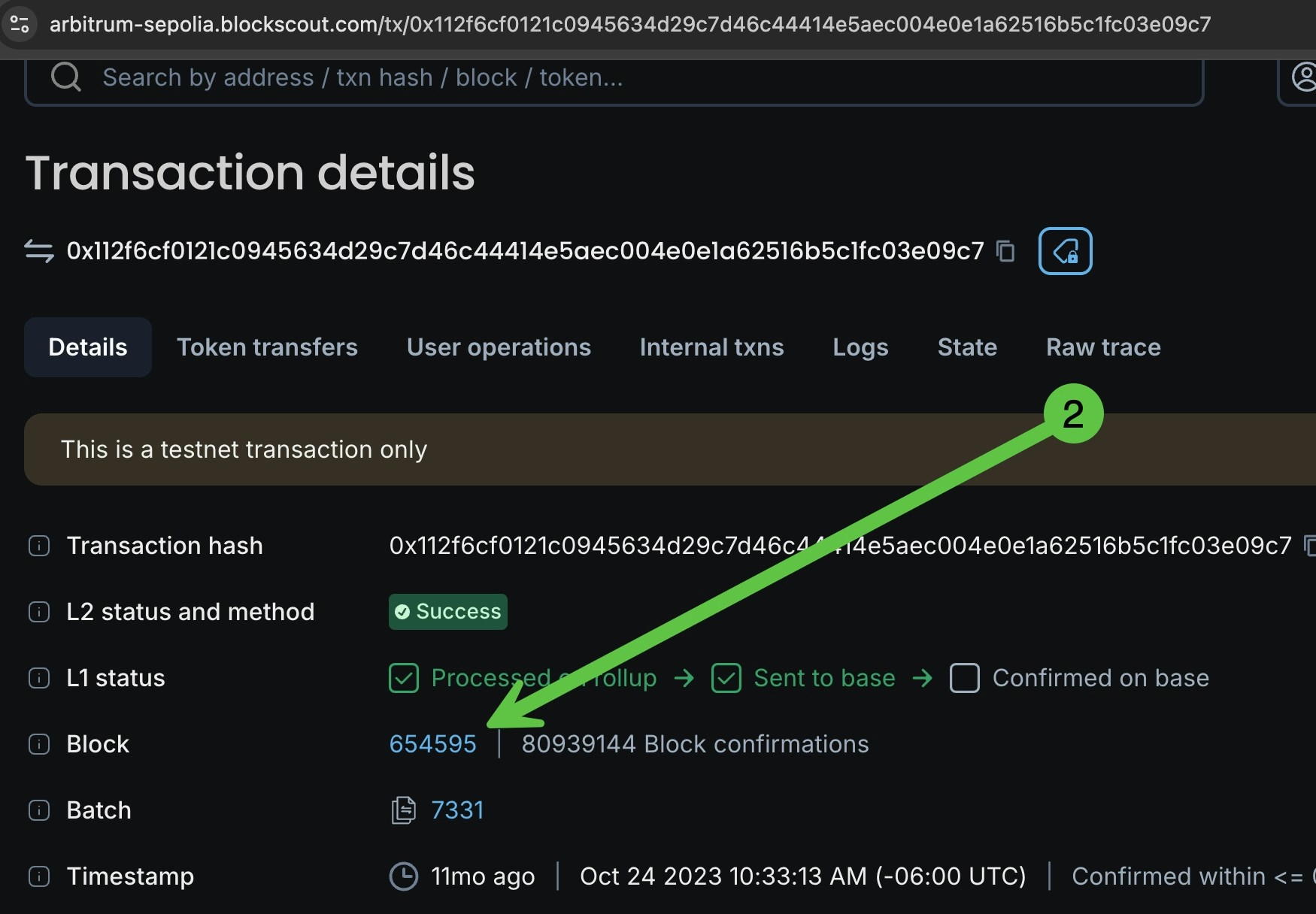
- Seamless L1 Settlement: RaaS handles frictionless settlement to Layer 1 chains like Ethereum or Polkadot, managed by platforms like Zeeve and Asphere.
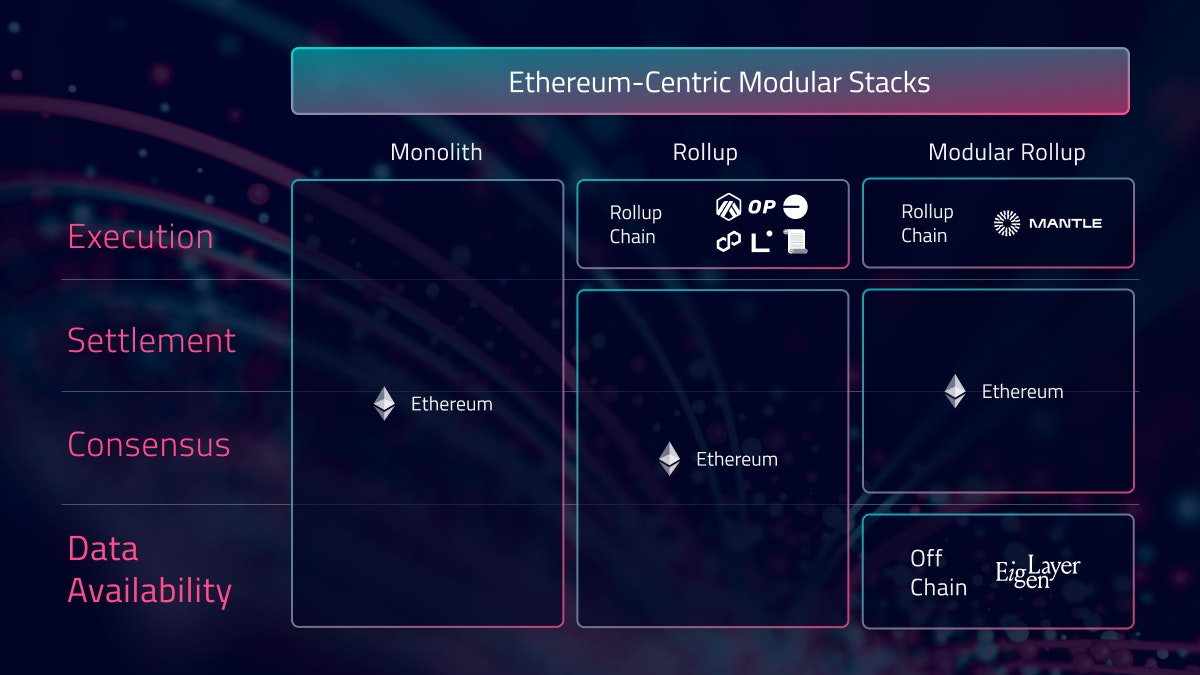
Real-world traction builds momentum. Crypto Development Company praises bespoke frameworks maintaining Ethereum security at scale. Alchemy's one-click ethos echoes across lists, with providers like these enabling app-specific chains for DeFi, gaming, and beyond. As the market surges toward $354 million by 2032, early adopters gain first-mover edges in crowded niches.
Startups eyeing 2026 should act now. Experiment with sandboxes, benchmark providers against your stack - zk for privacy, optimistic for speed. The barrier to sovereign chains has crumbled; what's left is execution. Platforms like Rollup-As-A-Service empower that, turning infrastructure from hurdle to accelerator. Founders who master this will define the next wave of blockchain innovation.




No comments yet. Be the first to share your thoughts!