

In the volatile world of blockchain where Ethereum trades at $2,818.90 after a 6.43% dip, scalability remains the make-or-break factor for custom app-chains. Rollup-As-A-Service (RaaS) from abstractwatch. com cuts through the noise, letting you deploy abstract rollups without wrestling nodes or infrastructure. This rollup as a service deployment guide zeroes in on the exact steps for a seamless custom app chain launch, leveraging AbstractWatch's platform for speed and security.
Abstract rollups bundle transactions off-chain, post proofs to Ethereum, and slash fees while boosting throughput. Providers like Ankr and Conduit simplify this, but AbstractWatch stands out with its no-fuss abstract rollup setup tutorial tailored for 2026 demands. Forget weeks of devops; go live in hours with deploy rollup without nodes.
Step 1: Sign Up and Create a New Project on AbstractWatch RaaS Dashboard
Head straight to the AbstractWatch dashboard. Signing up takes seconds: email verification, connect your wallet, and you're in. Create a new project by hitting the 'New Rollup' button. Name it something punchy like 'MyDeFiChain' to match your vision. This initializes your workspace with pre-loaded configs for abstract rollups.
Why obsess over this first move? It locks in your Chain ID early, avoiding clashes in a crowded L2 space. I've seen traders miss pumps because their testnet clobbered mainnet IDs. Pro tip: enable two-factor auth right away for that sequencer security.
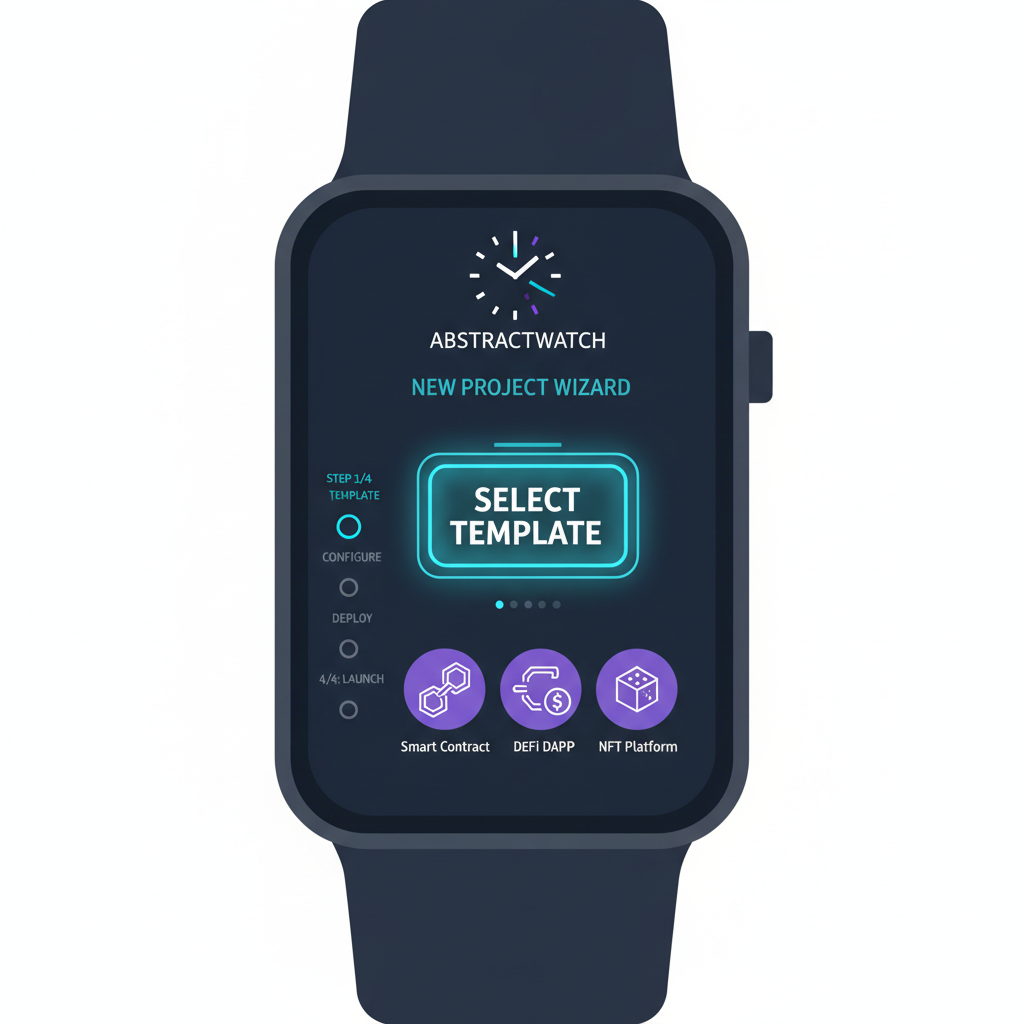
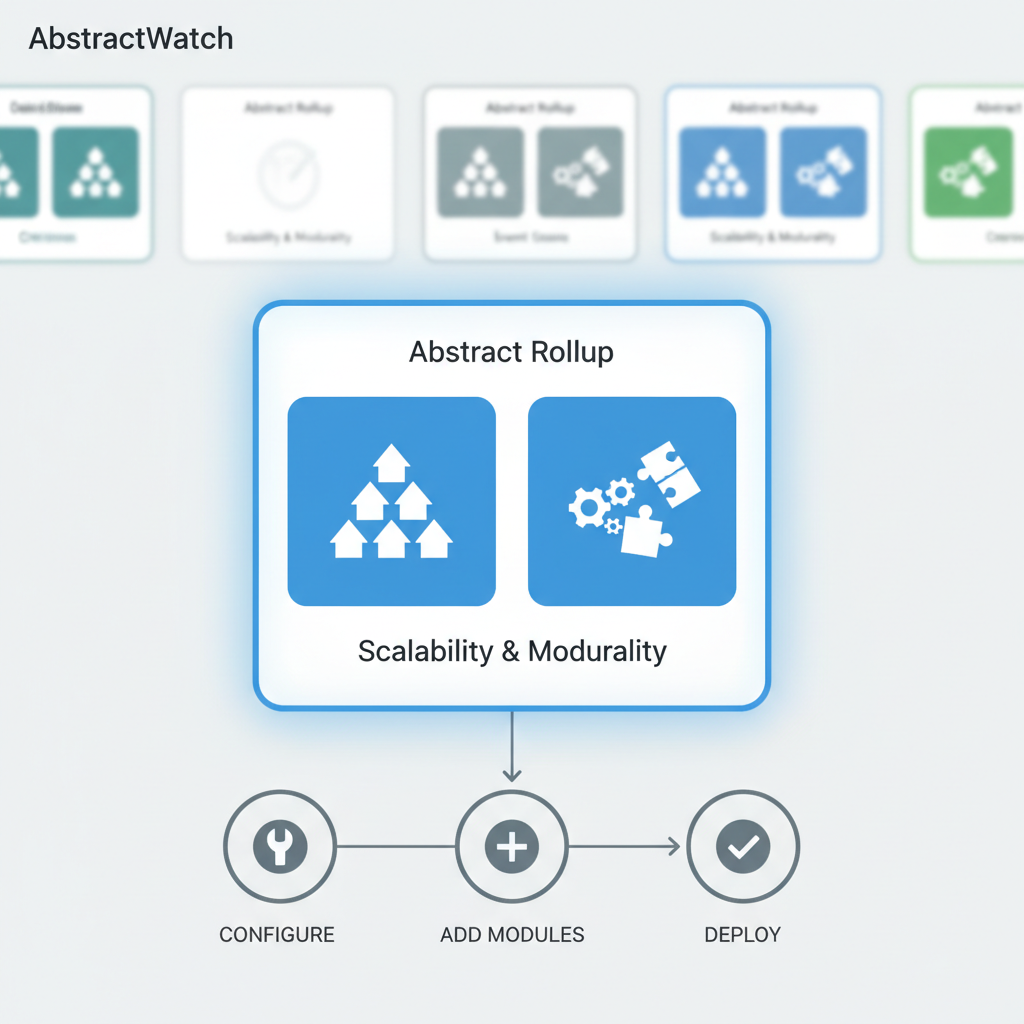
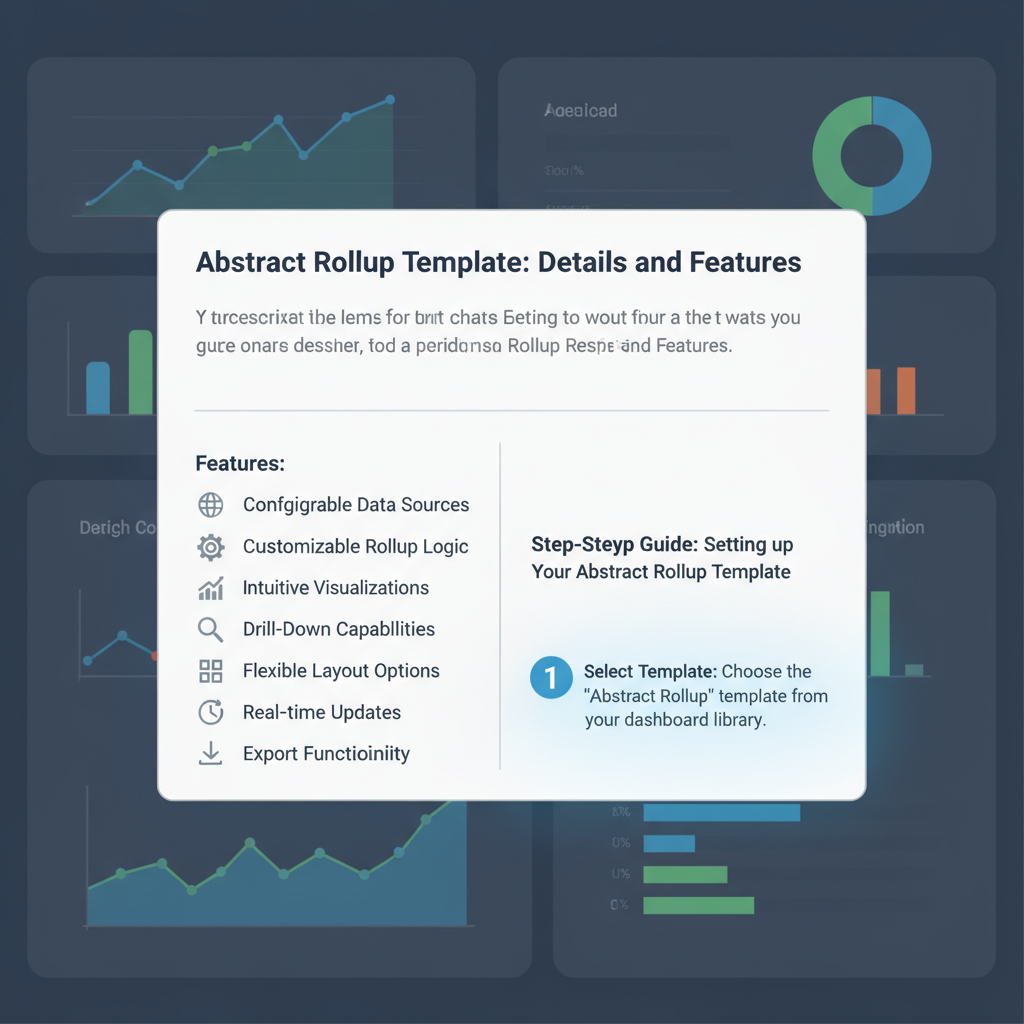
Step 2: Select Abstract Rollup Template and Choose Base Framework
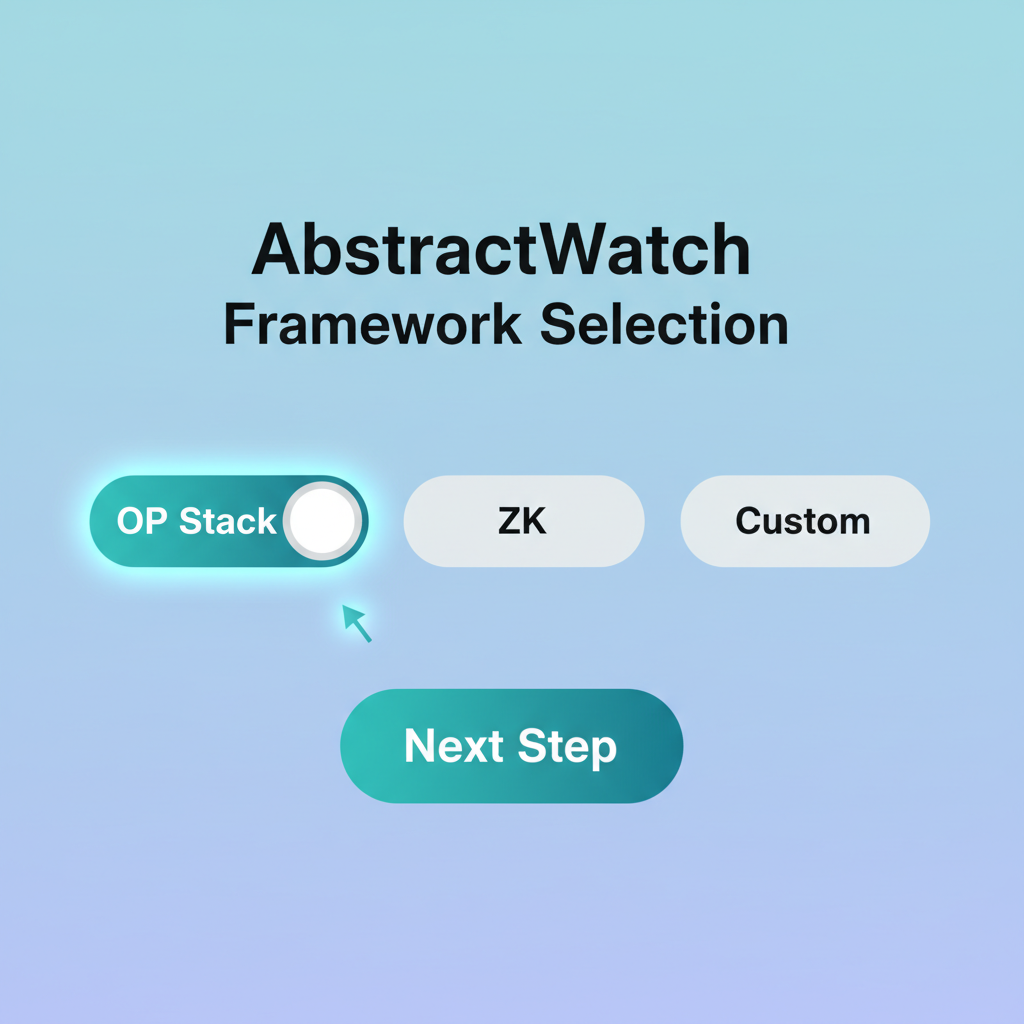
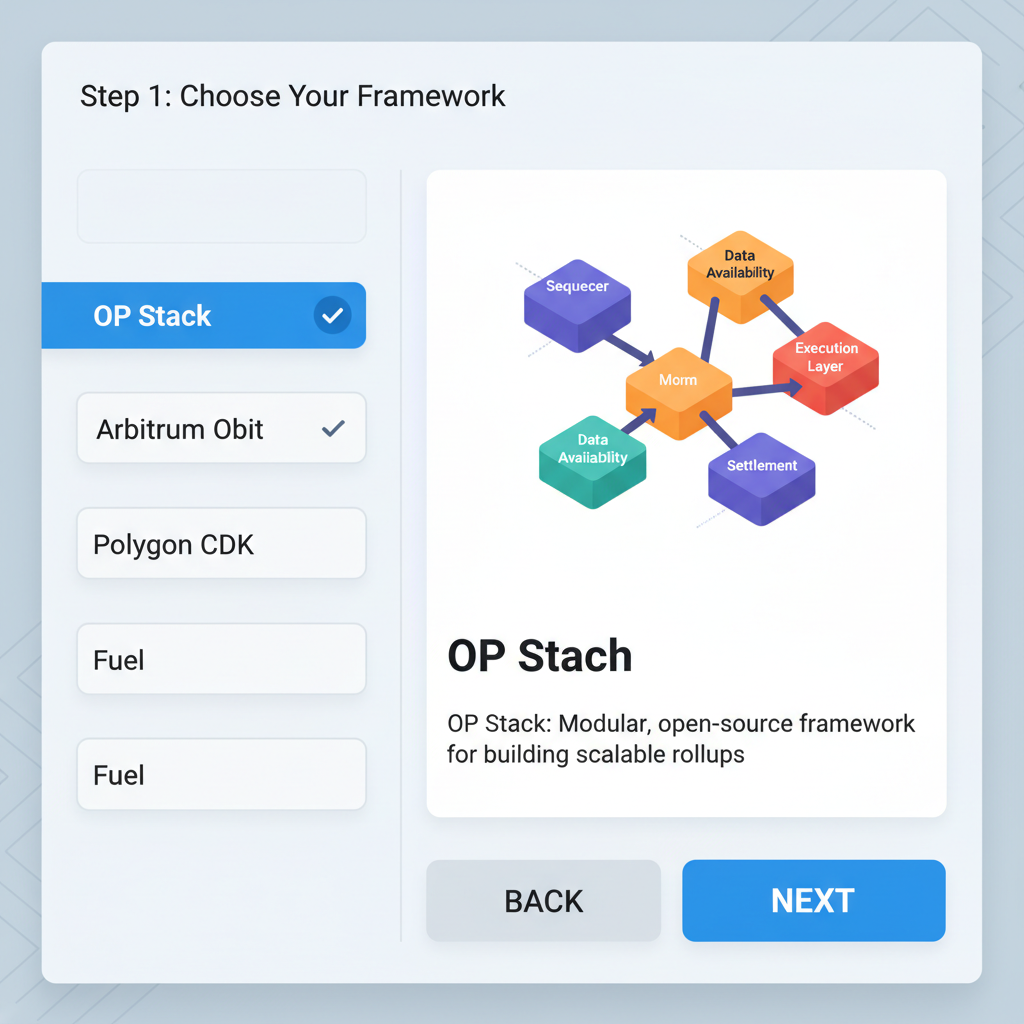
Dive into templates next. AbstractWatch offers curated ones optimized for high TPS. Pick the Abstract Rollup Template, then slot in your base framework: OP Stack for optimistic speed or ZK for ironclad proofs. OP Stack shines if you're building DeFi apps eyeing Ethereum's $2,818.90 liquidity; ZK if privacy or instant finals matter.
This choice cascades: OP favors Celestia DA for cost, ZK leans prover-heavy. AbstractWatch abstracts the boilerplate, so tweak via UI sliders instead of Solidity marathons. Real talk, most RaaS skips this flexibility; here, it's your edge in the raas app chain steps.
Visual Walkthrough: Select Abstract Rollup Template & Framework on AbstractWatch
Step 3: Configure Essential Parameters for Chain ID, Native Token, Gas Limits, and RPC Endpoints
Now the meat: parameters panel. Set Chain ID above 1,000,000, say 69,420,001, to dodge conflicts. Native token? Mint your 'APP' with custom decimals; AbstractWatch handles genesis supply. Gas limits crank to 30M per block for heavy dApps, but dial back if sequencer bottlenecks loom.
RPC endpoints auto-provision: public ones for explorers, private for your node. Test connectivity with the built-in ping tool. These tweaks ensure your rollup hums at Ethereum-scale without the $2,818.90 gas wars. Skip 'em, and you're debugging forever.
Integrating Key Modules: Data Availability with Celestia, Sequencer, and Prover
Layer on modules. Data Availability slots Celestia for cheap, scalable blobs over Ethereum's pricier posts. Sequencer queues TXs batched; pick decentralized mode for uptime. Prover network verifies ZK proofs if chosen, distributed across nodes for tamper-proofing.
AbstractWatch pre-integrates these, drag-drop style. Celestia cuts DA costs 90%, vital as ETH volatility spikes. Configure sequencer failover to two nodes minimum; I've traded on L2s that cratered from single points. This stack future-proofs your custom app chain launch guide.
Toggle the modules live in the dashboard preview. Conflicts? The validator flags them instantly, saving hours of CLI hunts.
Step 5: Deploy and Test on Devnet with Built-in Simulator and Faucet
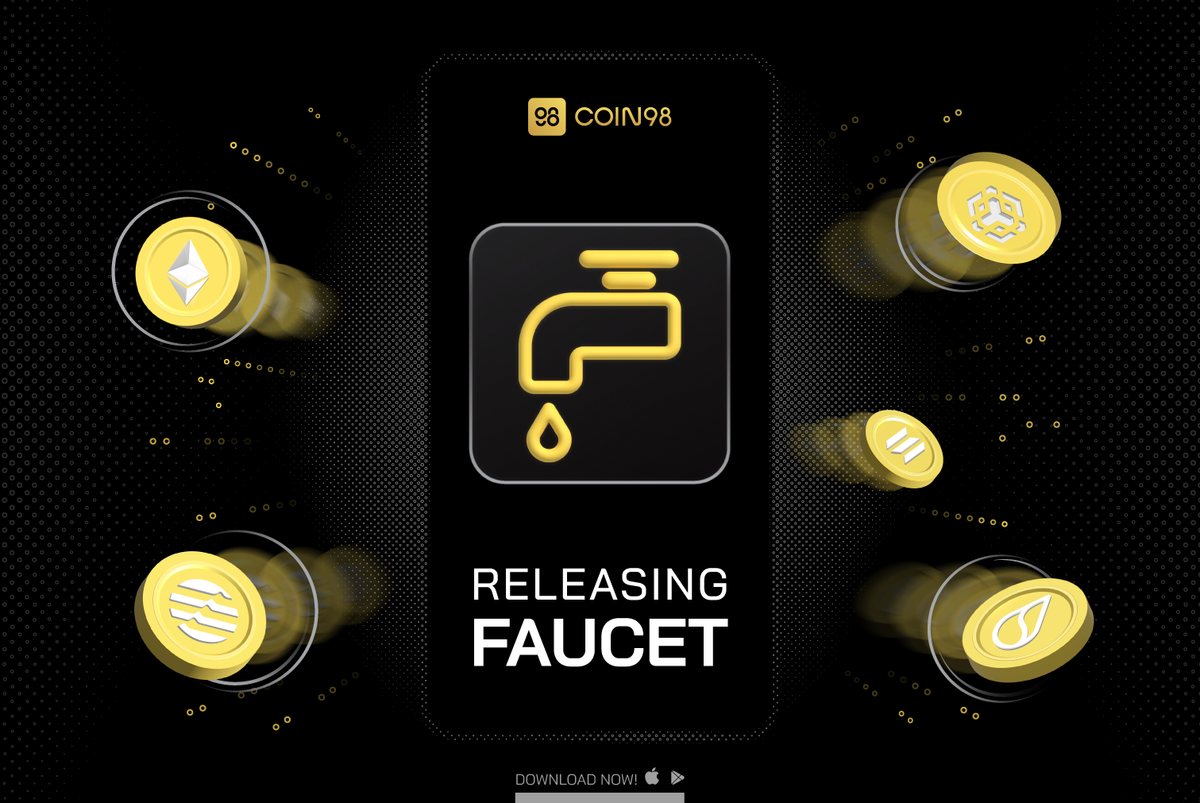
Hit deploy for devnet. AbstractWatch spins up your rollup in under 10 minutes, no infra sweat. The built-in simulator pumps fake TXs at 1,000 TPS to stress-test sequencer and prover. Faucet drips test tokens endlessly; grab 'em to mint NFTs or swap on a mock DEX.
This deploy rollup without nodes phase catches 90% of gremlins. I've launched L2s that bombed mainnet from untested edge cases; simulator replays real Ethereum traffic patterns, ETH at $2,818.90 notwithstanding. Monitor via dashboard graphs: latency under 100ms? Latency spikes signal DA bloat. Iterate fast, fork if needed.
Query Devnet RPC and Faucet Request Commands
Verify your Rollup devnet deployment by querying the RPC endpoint and requesting faucet tokens with these curl commands:
# Query the devnet RPC endpoint for chain ID
curl -X POST -H "Content-Type: application/json" \
  --data '{"jsonrpc":"2.0","method":"eth_chainId","params":[],"id":1}' \
  https://your-devnet-rpc.example.com

# Request test tokens from the faucet (replace with your address)
curl -X POST -H "Content-Type: application/json" \
  --data '{"address":"0xYourWalletAddressHere"}' \
  https://faucet.devnet.example.com/request
Replace `your-devnet-rpc.example.com` with your actual RPC URL and `0xYourWalletAddressHere` with your EOA address. Run these in your terminal to confirm connectivity and fund your account.
Proven? Export configs as JSON for audits. AbstractWatch's devnet mirrors mainnet minus costs, perfect for rollup as a service deployment dry runs. Competitors like Ankr force external tools; here, it's seamless.
Key Devnet Testing Outcomes
- TPS Benchmarks: Peak **10,000 TPS**, average **2,000 TPS** on Caldera & Conduit OP Stack devnets under load testing.
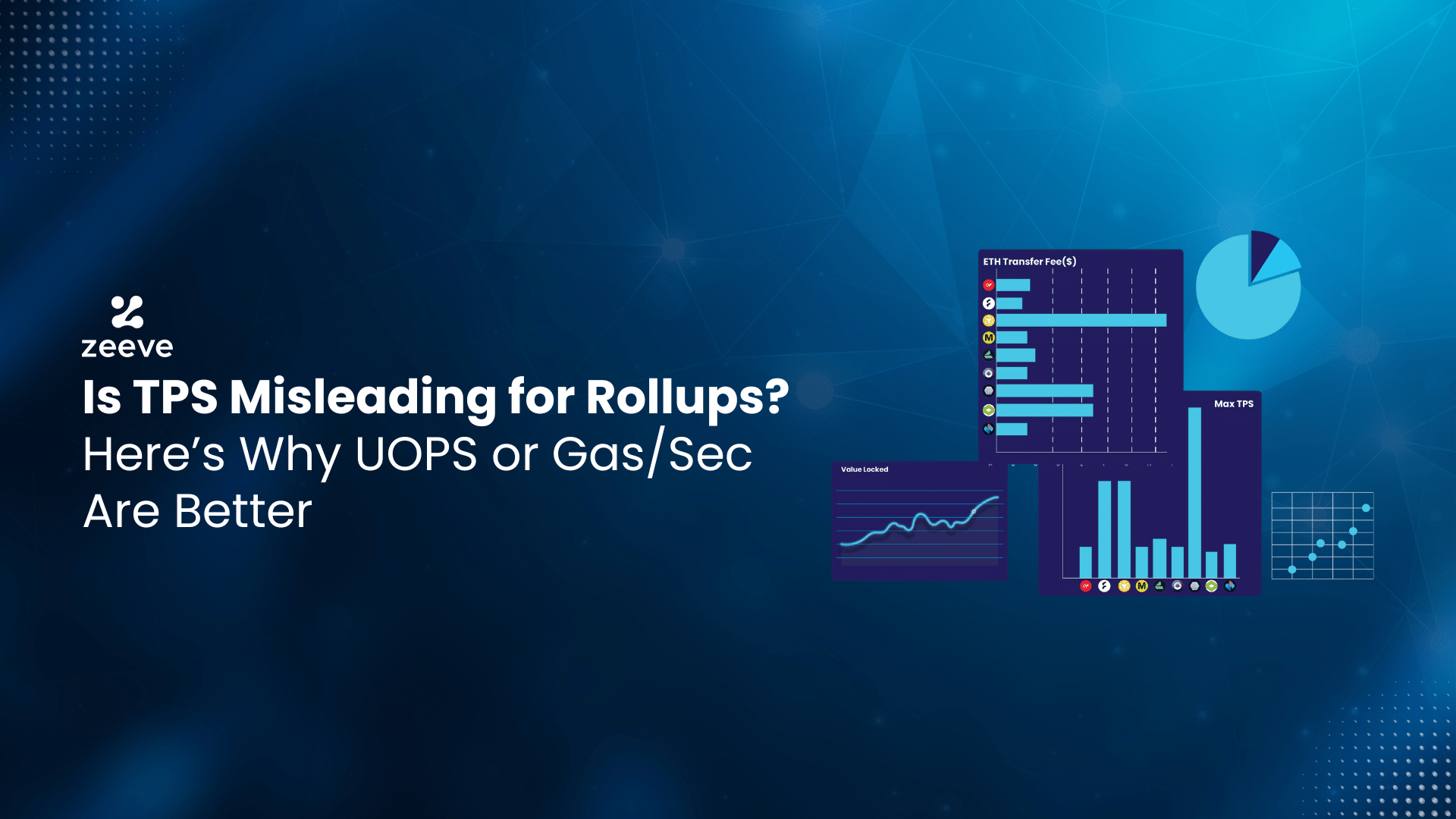
- Finality Times: **<1 second** for ZK rollups (Polygon CDK); **~7 days** challenge window for OP Stack with rapid proofs on Gelato devnet.
- Error Rates: **<0.05%** across 1M+ txs; near-zero reverts with optimized sequencer on testnets.
- Token Faucet Efficiency: **99.9% success**, **<5s** avg claim time, unlimited drips via built-in devnet faucets.
Step 6: Launch Mainnet Rollup, Verify on Block Explorer, and Enable Monitoring
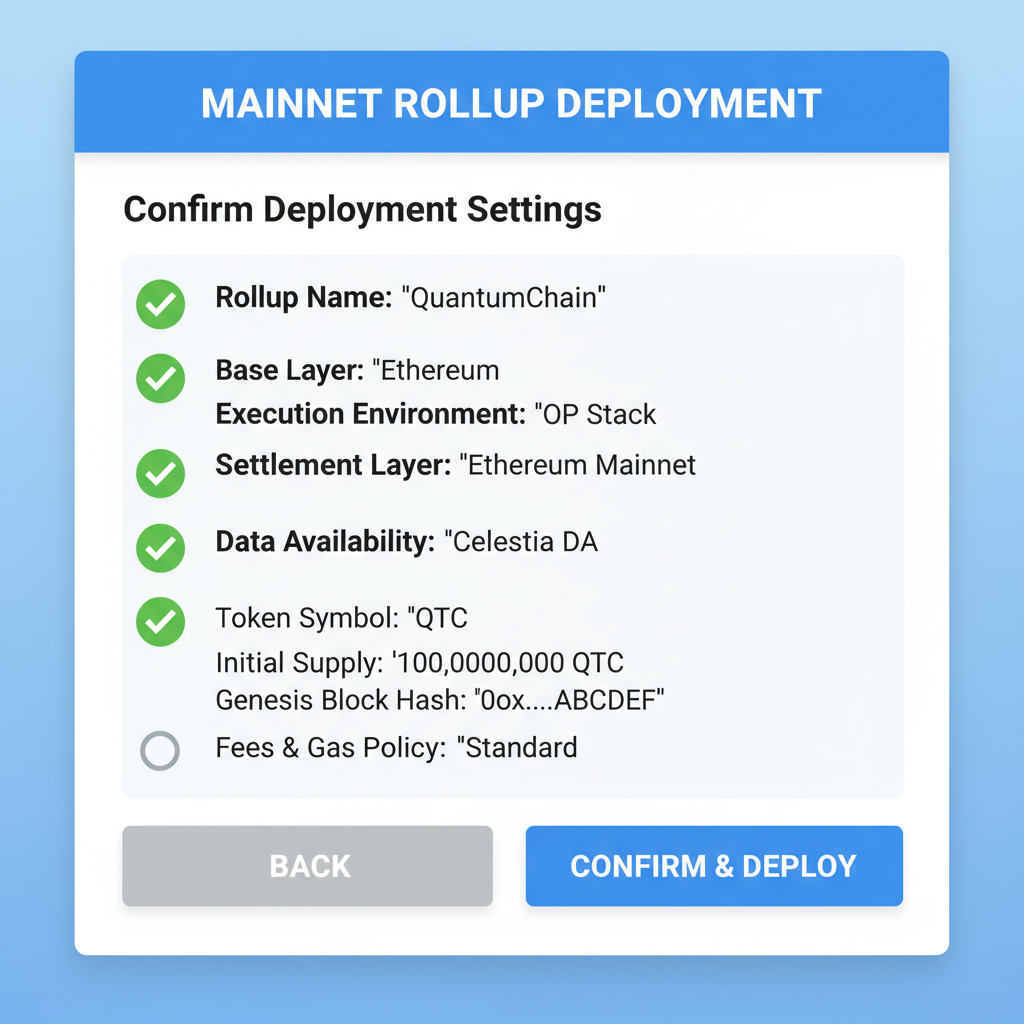
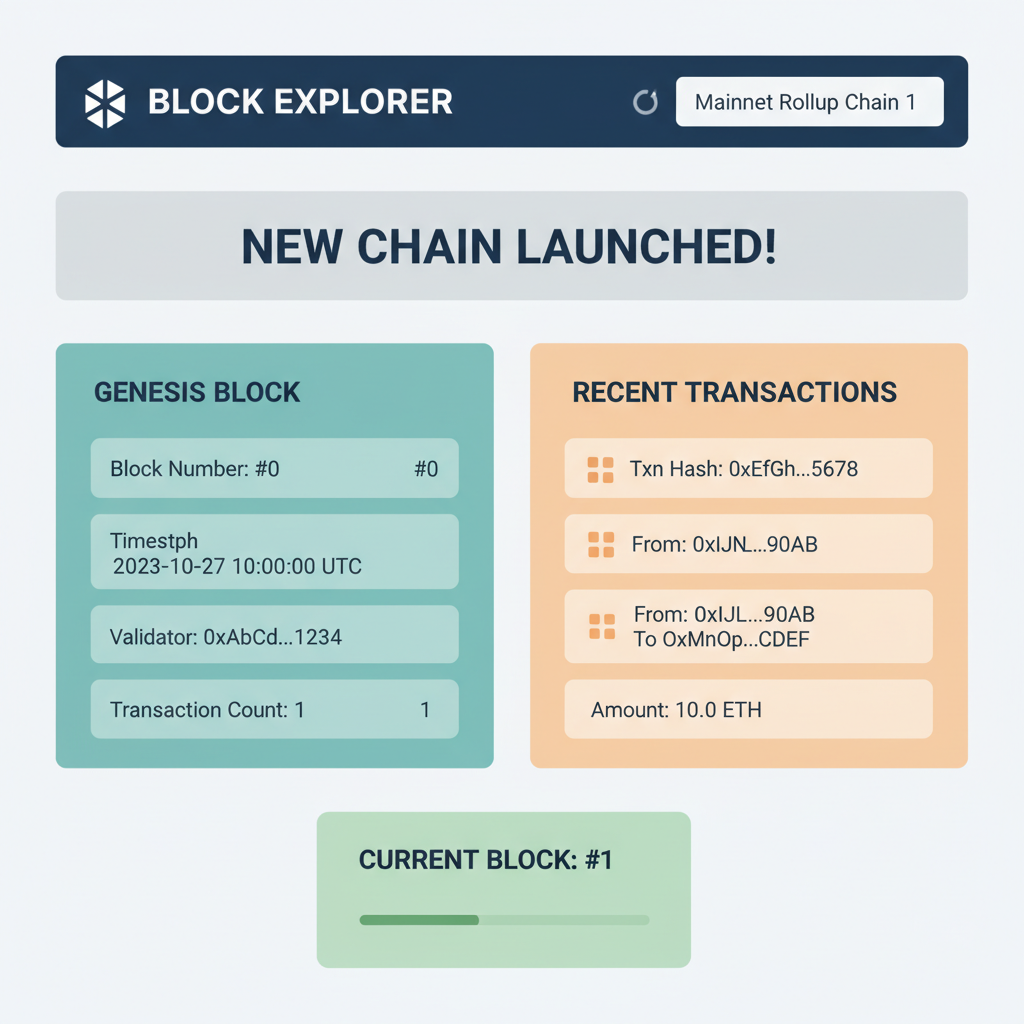
Mainnet launch clicks one button post-devnet thumbs-up. AbstractWatch handles genesis block, sequencer handoff, and Celestia anchoring. Fees? Pegged low, dodging Ethereum's $2,818.90 volatility tax. Block explorer auto-deploys, indexed in seconds; search TXs, trace proofs.
Enable monitoring suite: alerts for downtime, TPS dips, or prover lags. Dashboards track real metrics against benchmarks. Integrate Prometheus if hardcore. Verification scripts confirm settlements on parent chain. Boom, your app-chain lives, scaling DeFi or games without node herds.
Mainnet Rollup Launch: Confirm, Deploy, Verify & Alert

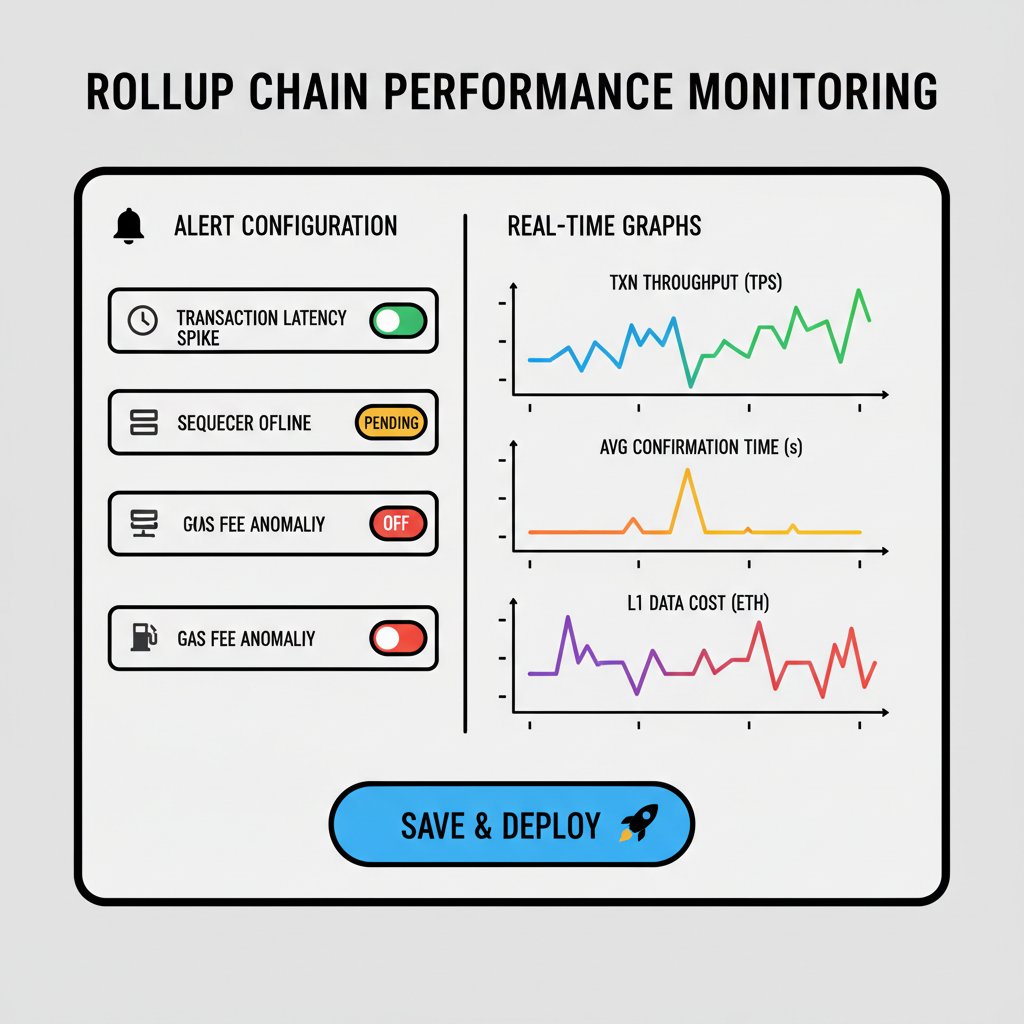
AbstractWatch's RaaS nails the full raas app chain steps, from dashboard signup to live monitoring. In a market where ETH sheds 6.43% to $2,818.90, speed trumps perfectionism. Traders like me spot edges in liquid L2s; build yours now, sidestep infra pitfalls that sink 80% of chains. Your custom app-chain awaits, performant and provider-backed. Dive in, deploy, dominate.




No comments yet. Be the first to share your thoughts!