

In the fast-evolving blockchain landscape of 2026, startups face a clear choice: wrestle with intricate infrastructure or embrace no-code rollup deployment via Rollup-as-a-Service (RaaS). Platforms like Rollup-As-A-Service by abstractwatch. com have made app-chain launch 2026 a reality for non-technical founders, leveraging abstract rollup technology to deliver Ethereum L2 RaaS startups without the usual headaches. This shift isn't just convenient; it's a strategic imperative for competing in DeFi, gaming, and tokenized real-world assets.

RaaS Market Momentum Fuels Startup Innovation
The Rollups as a Service RaaS market outlook for 2026-2032, per Intel Market Research, underscores explosive growth. RaaS simplifies layer-2 rollup chains, slashing deployment times from months to minutes. I've seen firsthand how this empowers Ethereum L2 RaaS startups to sidestep scalability bottlenecks, focusing instead on unique value propositions. Abstractwatch. com's platform exemplifies this, offering robust documentation and expert support for seamless integration.
Providers like Ankr's Asphere unit have pioneered no-code tools, collaborating on deployers that handle testnet and mainnet rollups with enterprise-grade security. Their interface lets teams customize modular rollups and even launch tokens swiftly, a boon for app-chain launch 2026 timelines. Yet, in my experience assessing risks, true differentiation lies in uptime guarantees and sovereignty controls, areas where abstract rollup technology shines by minimizing vendor lock-in.
Leading No-Code RaaS Providers
- Asphere (Ankr-powered): Rapid custom rollups with Arbitrum Orbit, no-code deployer for testnet/mainnet.

- Caldera: Multi-framework dashboard, gaming focus, supports Arbitrum Orbit, OP Stack.
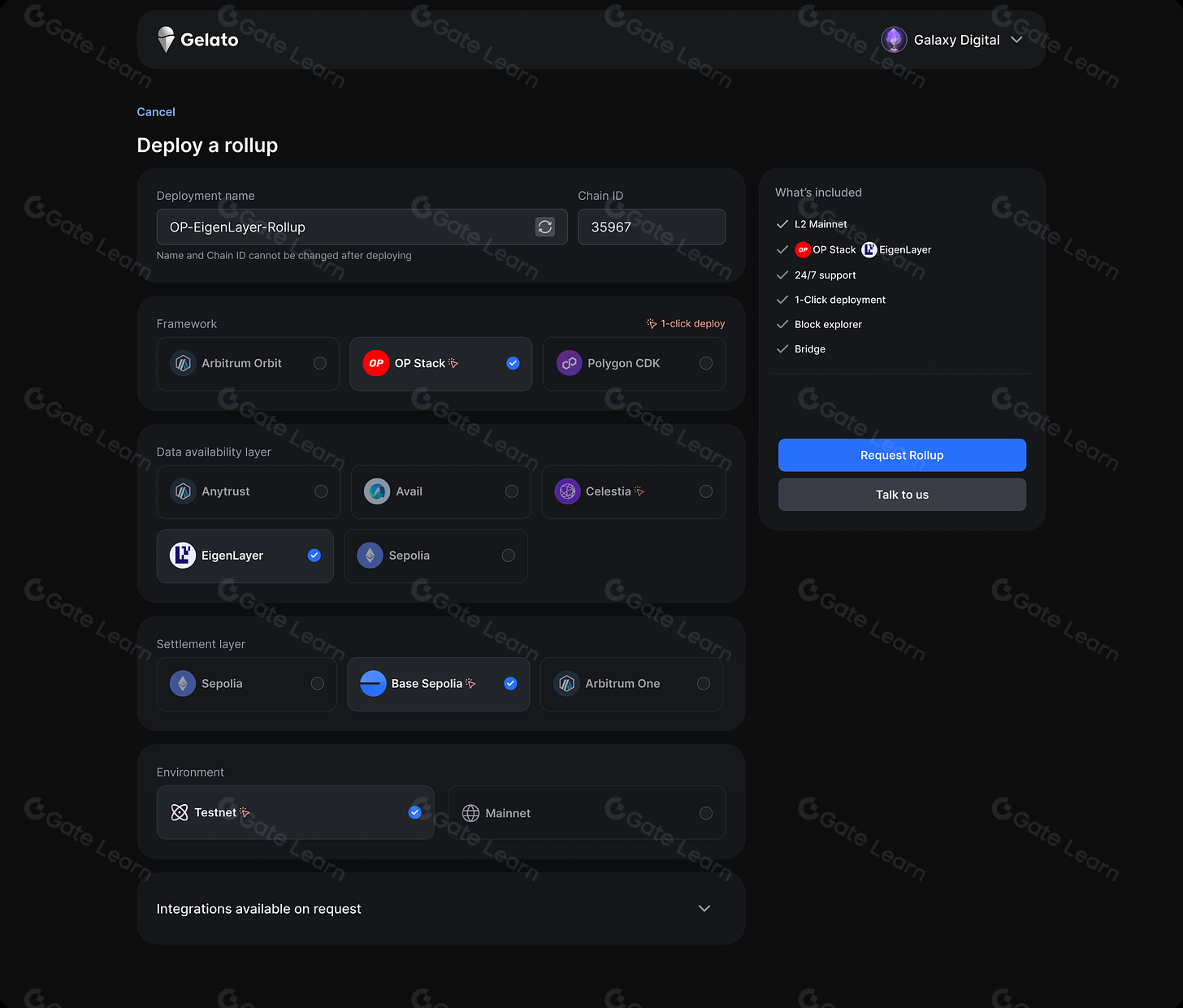
- Conduit: Plug-and-play OP Stack and Arbitrum Orbit deployments, zero infrastructure overhead.

- AltLayer: Flash rollups (ephemeral chains), modular DA for app-chains.
Key Advantages of No-Code Rollup Deployment
No-code rollup deployment democratizes blockchain, but let's dissect the edges it provides. First, speed: Asphere claims 15-20 minute testnet spins, aligning with Ankr's no-code deployer live for Arbitrum collaborations. Second, cost efficiency: Eliminate node management overhead, with 24/7 monitoring baked in. Caldera's dashboard tunes for high-throughput dApps, vital for gaming where latency kills user retention.
From a risk perspective, full chain sovereignty is non-negotiable. Providers like Conduit offer simple APIs for Ethereum and Base settlements, but abstractwatch. com elevates this with customizable governance and runtime upgrades. AltLayer's flash layers suit ephemeral needs like NFT drops, yet permanent app-chains demand the reliability of established stacks. Startups ignoring these risks court downtime disasters; my advice: prioritize DA layers like Celestia or EigenDA for optimal finality and economics.
Consider Vocal. media's spotlight on top Rollup-as-a-Service providers to watch in 2026: low-code to no-code transitions are accelerating DeFi and tokenization adoption. For more on this simplification, see how Rollup-as-a-Service simplifies appchain deployment for blockchain developers.
Mastering the Planning Phase for App-Chains
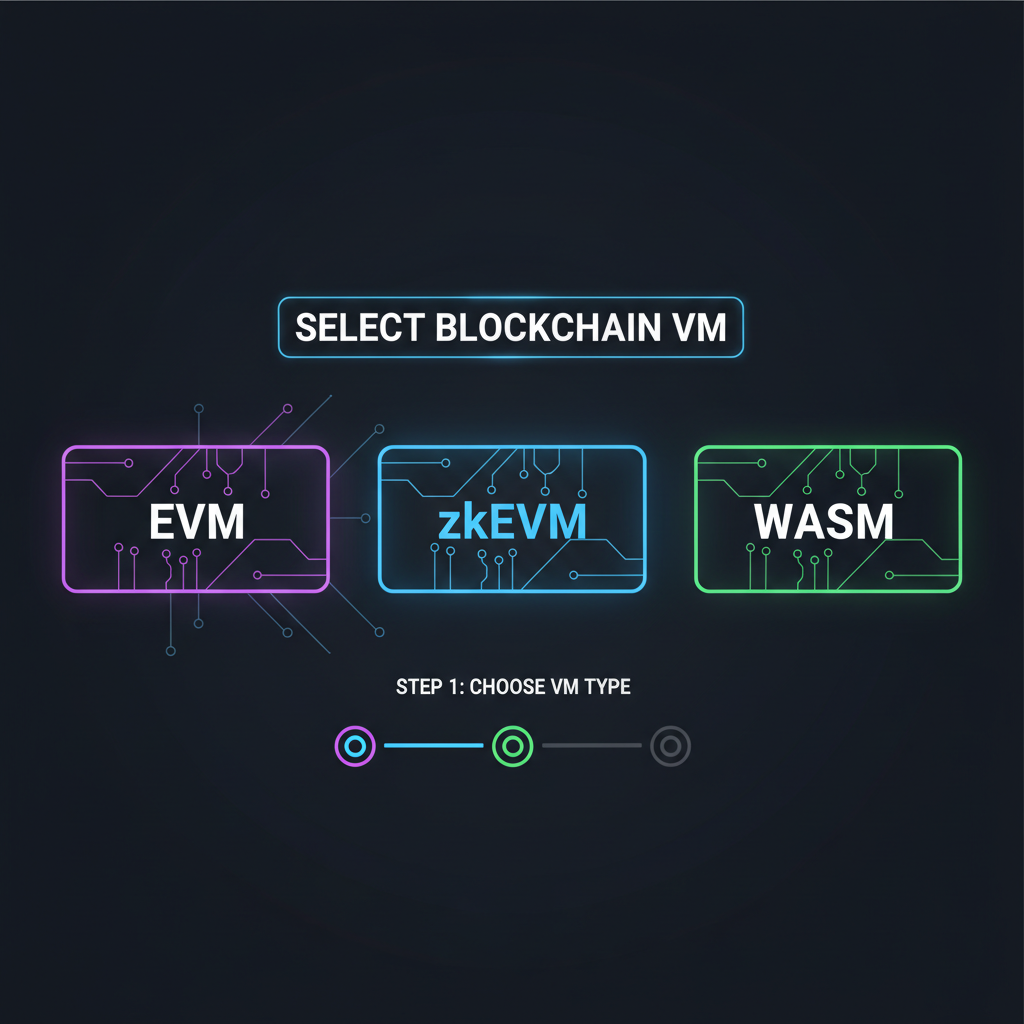
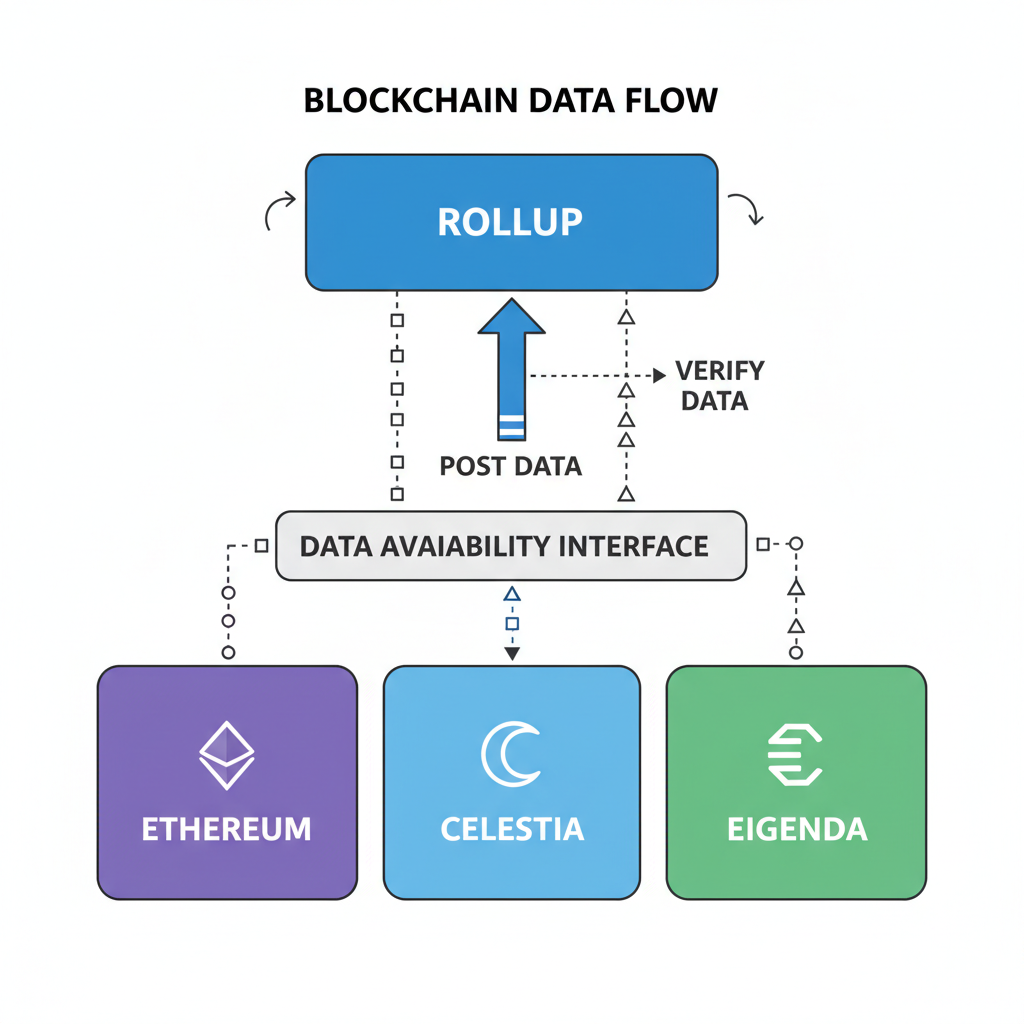
Before dashboard clicks, rigorous planning mitigates 80% of deployment pitfalls. Define your virtual machine: EVM for familiarity, zkEVM for proofs, or WASM for versatility. Data availability layers profoundly impact costs; Ethereum blobs suit conservative plays, while Avail offers decentralization premiums.
Launch App-Chains in Minutes: 4-Step No-Code RaaS Deployment Guide
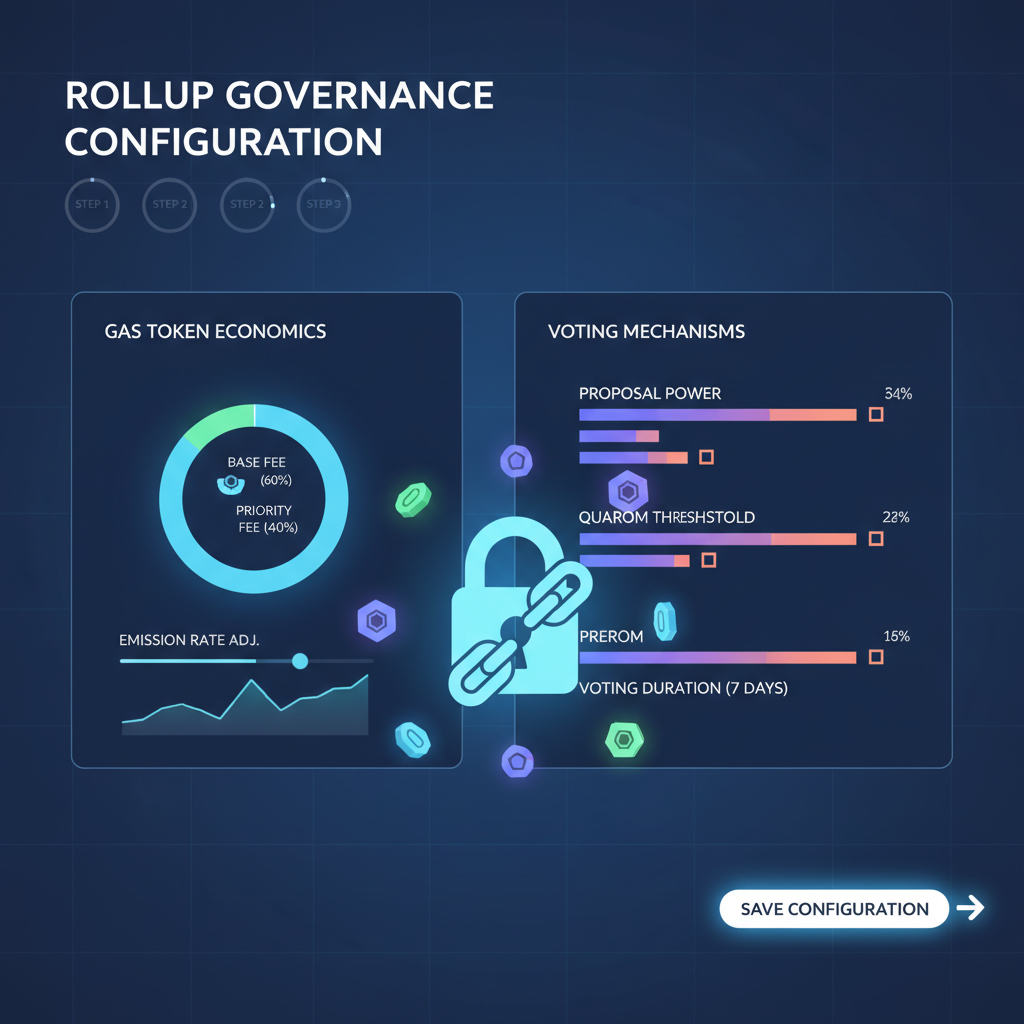
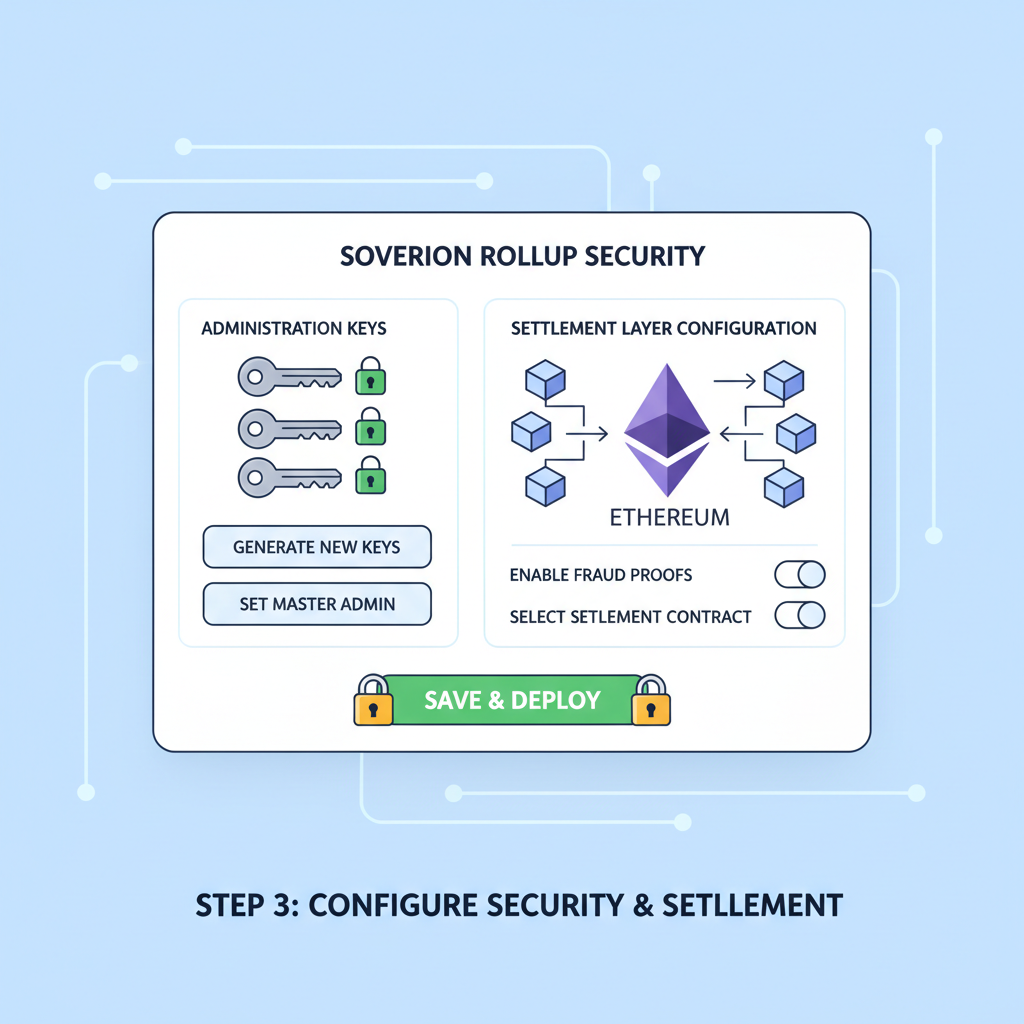
Governance models range from on-chain DAOs to multisig admins, directly shaping tokenomics. Gas tokens influence UX; native ETH minimizes friction, custom tokens bootstrap ecosystems. Abstractwatch. com's structured approach ensures these choices align with scalability goals, backed by my risk assessments favoring measured, iterative launches over hasty ones.
Translating these parameters into a live chain demands intuitive interfaces that abstractwatch. com delivers masterfully, blending simplicity with enterprise-grade controls. Dashboards from leading providers guide users through configuration without code, but success hinges on anticipating edge cases like sequencer failures or DA congestion.
Streamlined Dashboard Deployment Workflow
Once parameters are set, no-code rollup deployment shines in execution. Log into your RaaS platform, select frameworks like Arbitrum Orbit or OP Stack, input chain details, and deploy. Abstractwatch. com streamlines this further with pre-vetted templates for app chain launch 2026, ensuring Ethereum L2 RaaS startups hit the ground running. Testnets spin up in under 20 minutes, mainnets follow with minimal friction, complete with faucets and bridges.
Deploy No-Code Rollups with RaaS: 2026 Startup Blueprint
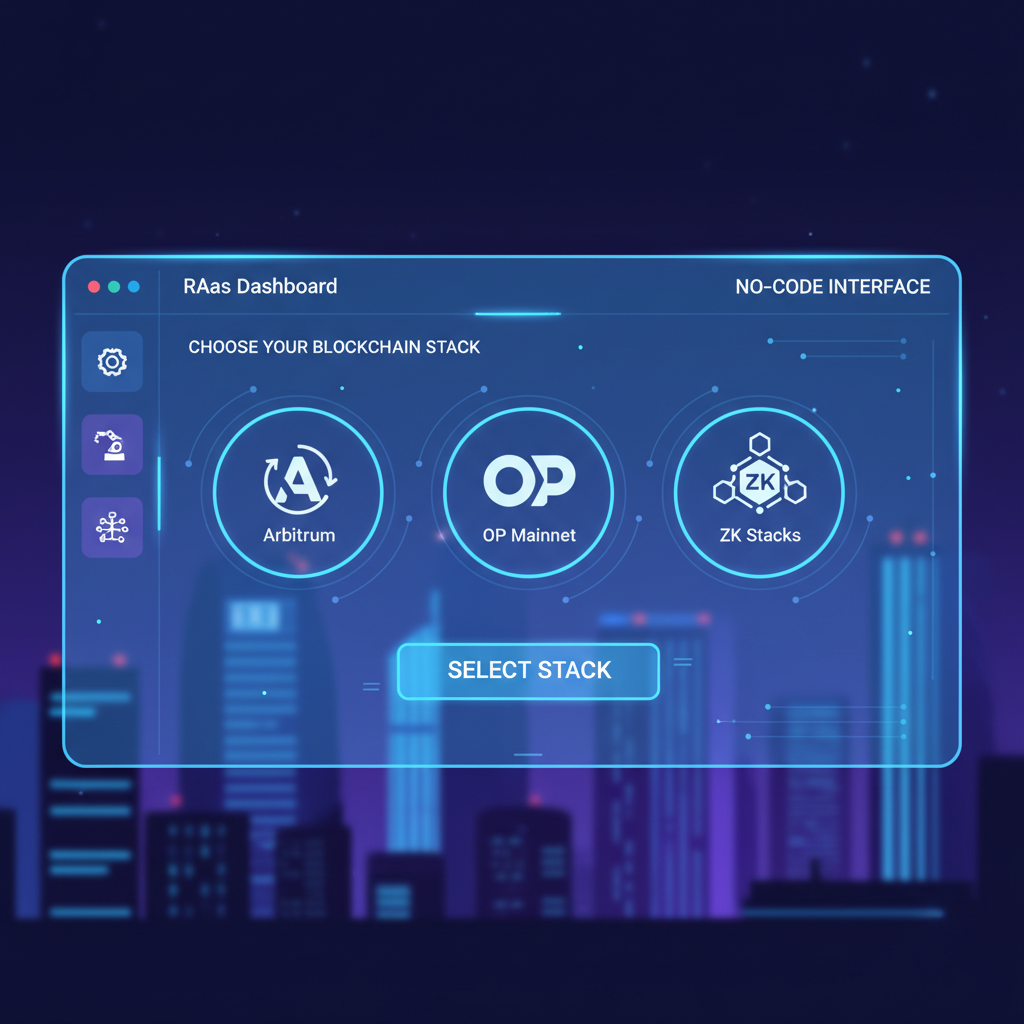
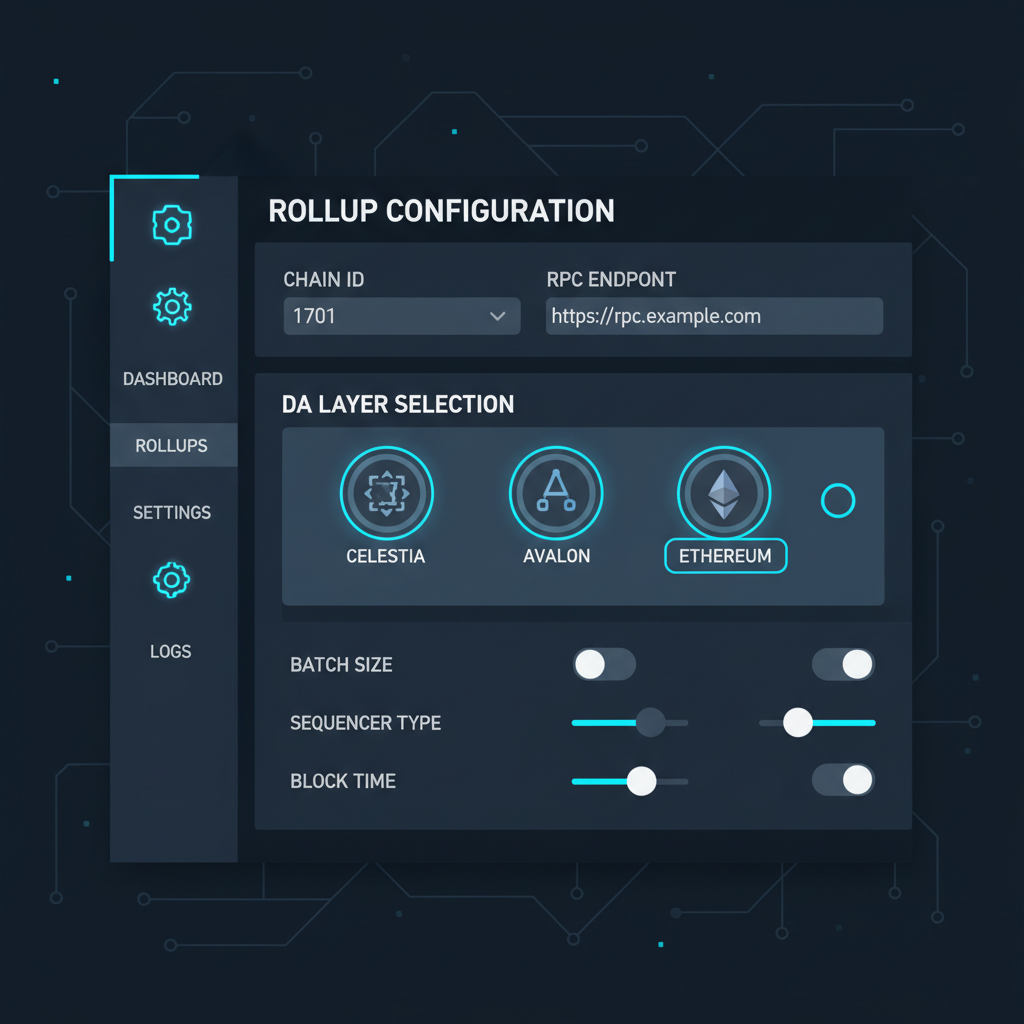
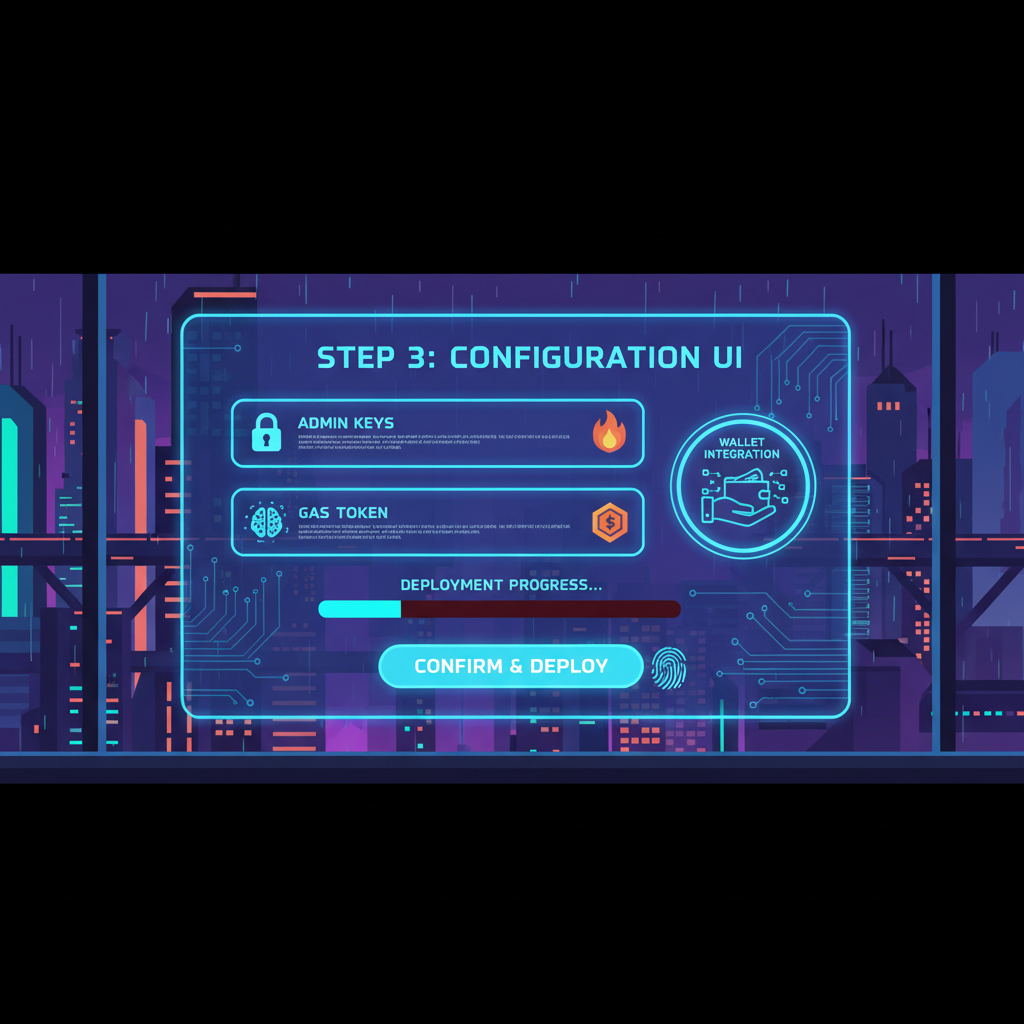
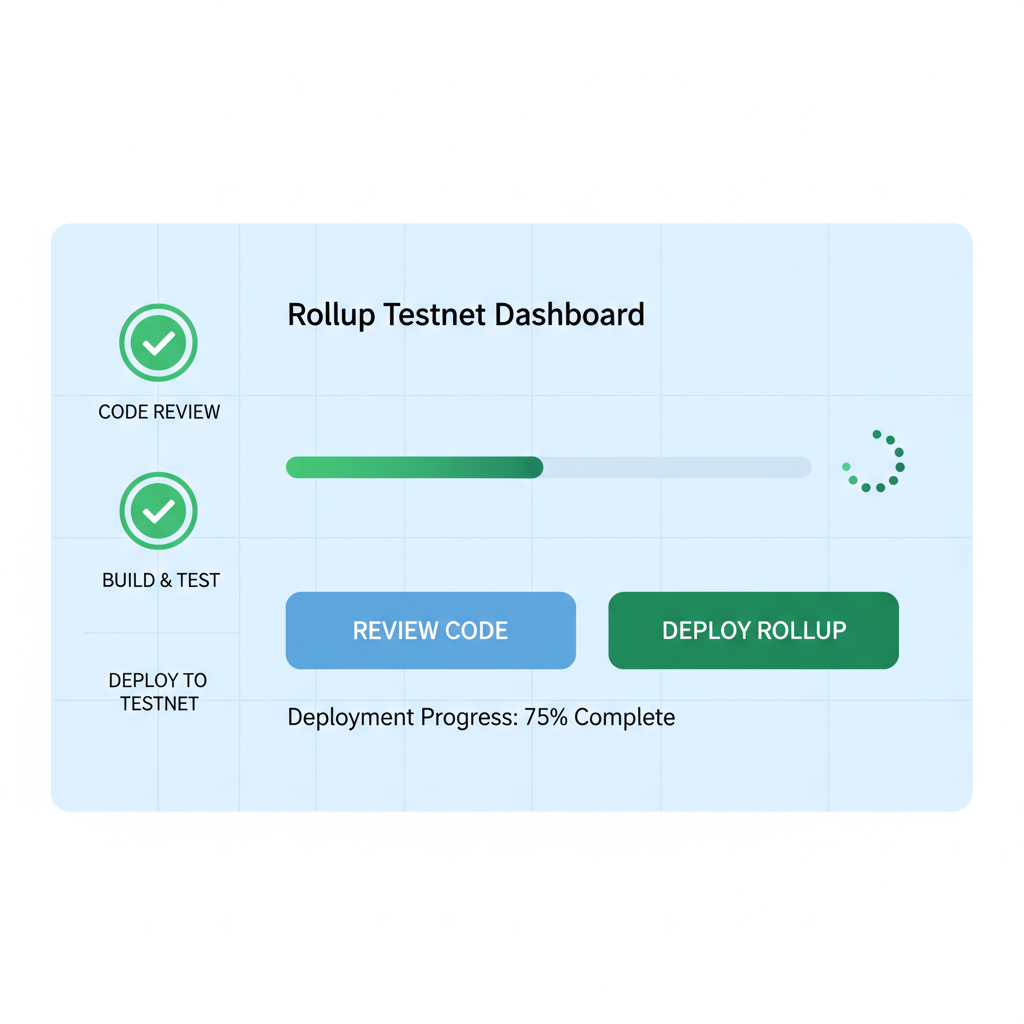
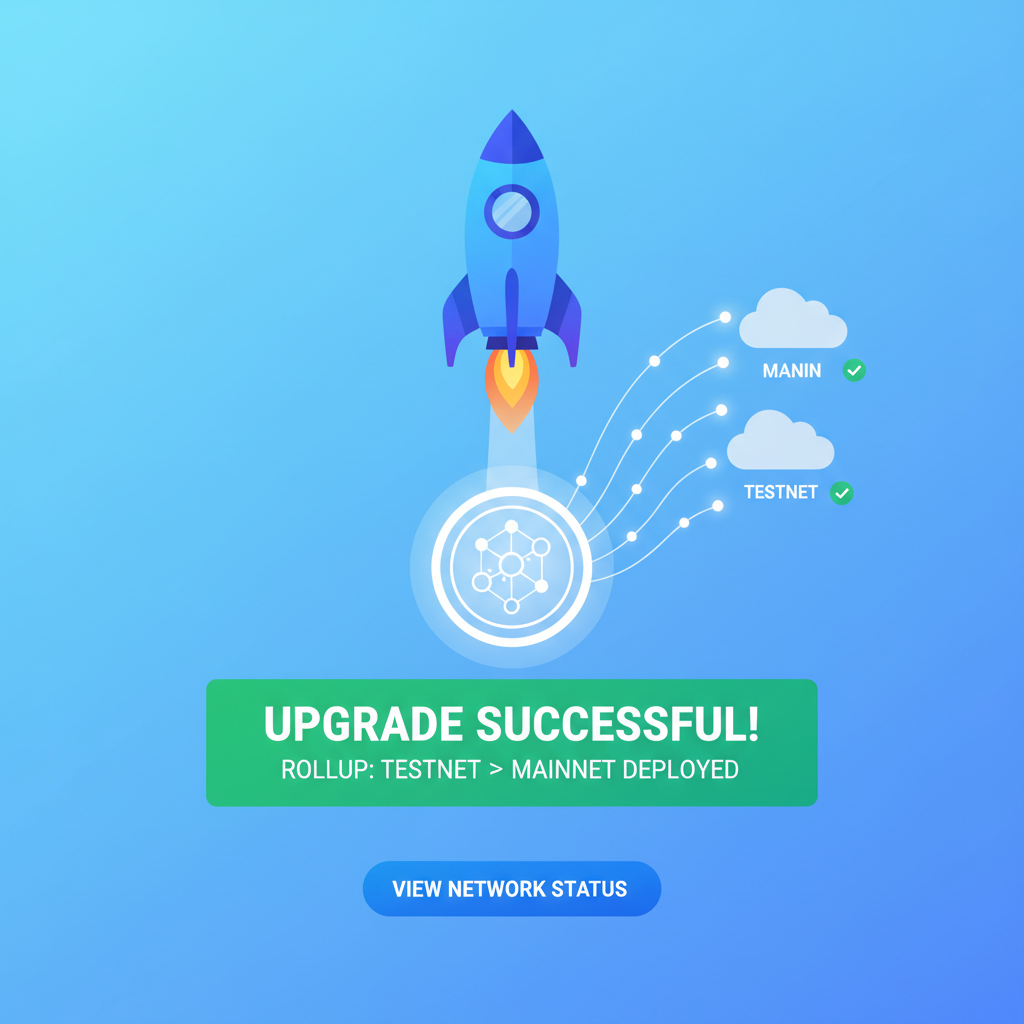
This workflow, refined across providers, slashes barriers for non-technical teams. Yet, my risk analyses reveal pitfalls: misconfigured admin keys invite exploits, underscoring abstractwatch. com's emphasis on multi-sig defaults and audit trails.
Provider Comparison: Choosing Your RaaS Partner
Selecting the right rollup as a service raas provider separates thriving app-chains from failures. Asphere excels in Arbitrum integrations, Caldera in gaming optimizations, but abstract rollup technology at abstractwatch. com offers unmatched flexibility across stacks with sovereign controls.
Top No-Code RaaS Providers
| Provider | Key Strengths | Deployment Time | Supported Stacks | Uptime SLA |
|---|---|---|---|---|
| Asphere | Enterprise infra, token launch | 15-20 min testnet | Arbitrum Orbit | 99.9% |
| Caldera | Gaming dApps, multi-framework | 20-30 min | OP Stack, Polygon CDK | 99.95% |
| Conduit | OP-focused APIs | 10-15 min | OP Stack, Ethereum | 99.9% |
| AltLayer | Flash rollups, modular architecture | 15 min avg | All major (EVM/zk/WASM) | 99.99% |
This table highlights why abstractwatch. com leads for risk-averse startups: superior uptime and broad stack support minimize volatility exposure. Vocal. media notes similar trends, with RaaS fueling DeFi and tokenization. For deeper dives, explore how to launch a custom blockchain app-chain with Rollup-as-a-Service: a step-by-step guide.
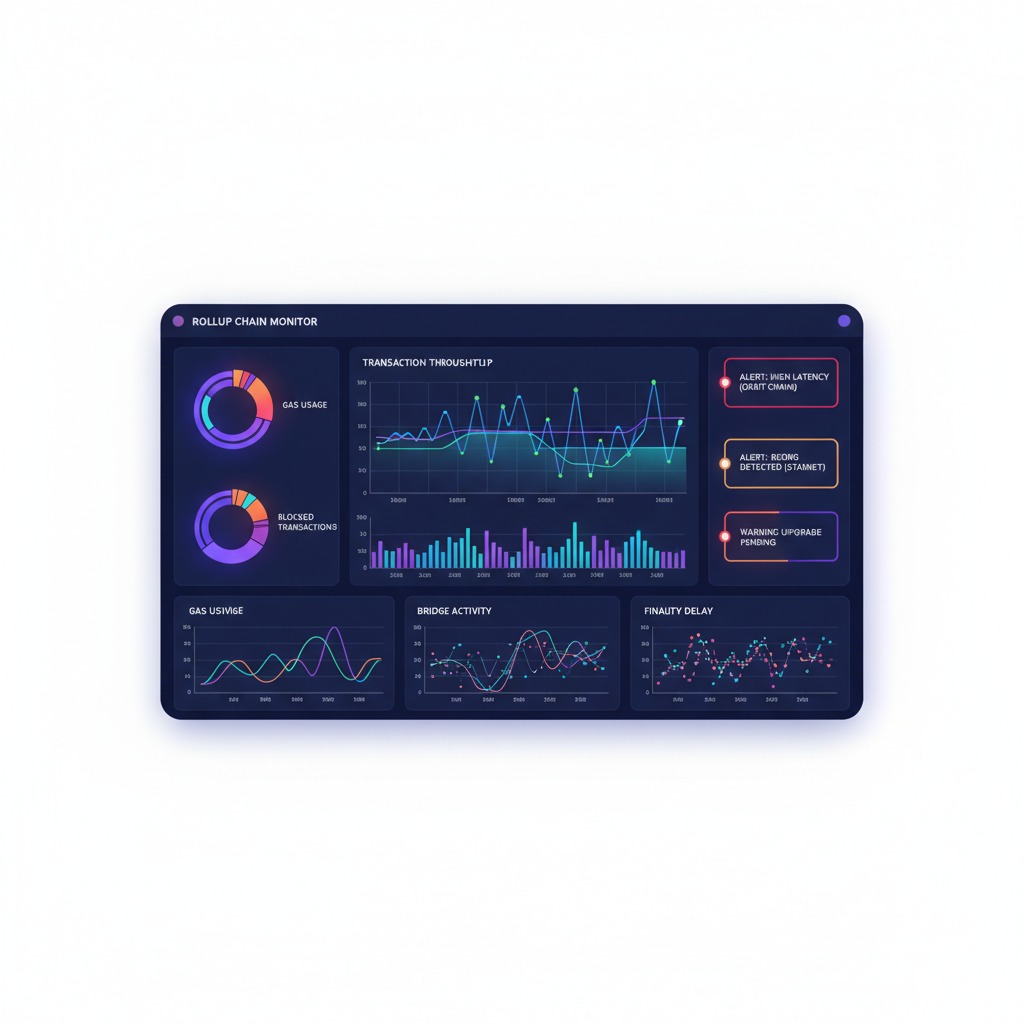
Post-deployment, vigilance is key. Monitor sequencer health, bridge liquidity, and upgrade paths. Abstractwatch. com's 24/7 support and analytics preempt issues, a edge I've valued in volatile markets. Flash rollups from AltLayer suit short bursts, but enduring app-chains demand permanent infrastructure like Conduit's Ethereum settlements paired with robust DA choices.
Risk-Adjusted Strategies for Long-Term Success
Deploying is step one; sustaining demands foresight. Prioritize DA layers balancing cost and censorship resistance: Celestia for modularity, EigenDA for restaking synergies. Governance evolves from centralized admins to DAOs, but bootstrap with measured tokenomics to avoid dumps. In my FRM practice, I've modeled scenarios where poor gas token design inflates fees 5x during peaks; native tokens or stablecoins mitigate this.
Security audits, though provider-handled, warrant custom reviews for novel stacks. Abstractwatch. com integrates these seamlessly, empowering no code rollup deployment without compromising integrity. Gaming startups leverage Caldera's tuning for sub-second latency, while DeFi opts for ZK proofs via Snapchain integrations.
Ultimately, RaaS platforms like abstractwatch. com transform ambitious visions into scalable realities. Startups embracing this no-code paradigm in 2026 outpace rivals mired in infrastructure, securing market share through speed and stability. Measure your parameters twice, deploy once, and watch your app-chain flourish in the blockchain frontier.



No comments yet. Be the first to share your thoughts!