

In the high-stakes arena of blockchain innovation, developers face a brutal reality: custom app-chains demand ironclad infrastructure, but building it from the ground up drains precious resources. What once took engineering teams months of grueling work, configuring nodes, sequencing transactions, ensuring security, now hinges on smarter paths forward. Enter rollup as a service (RaaS), a strategic pivot that slashes rollup infrastructure challenges and propels projects toward rapid scalability.
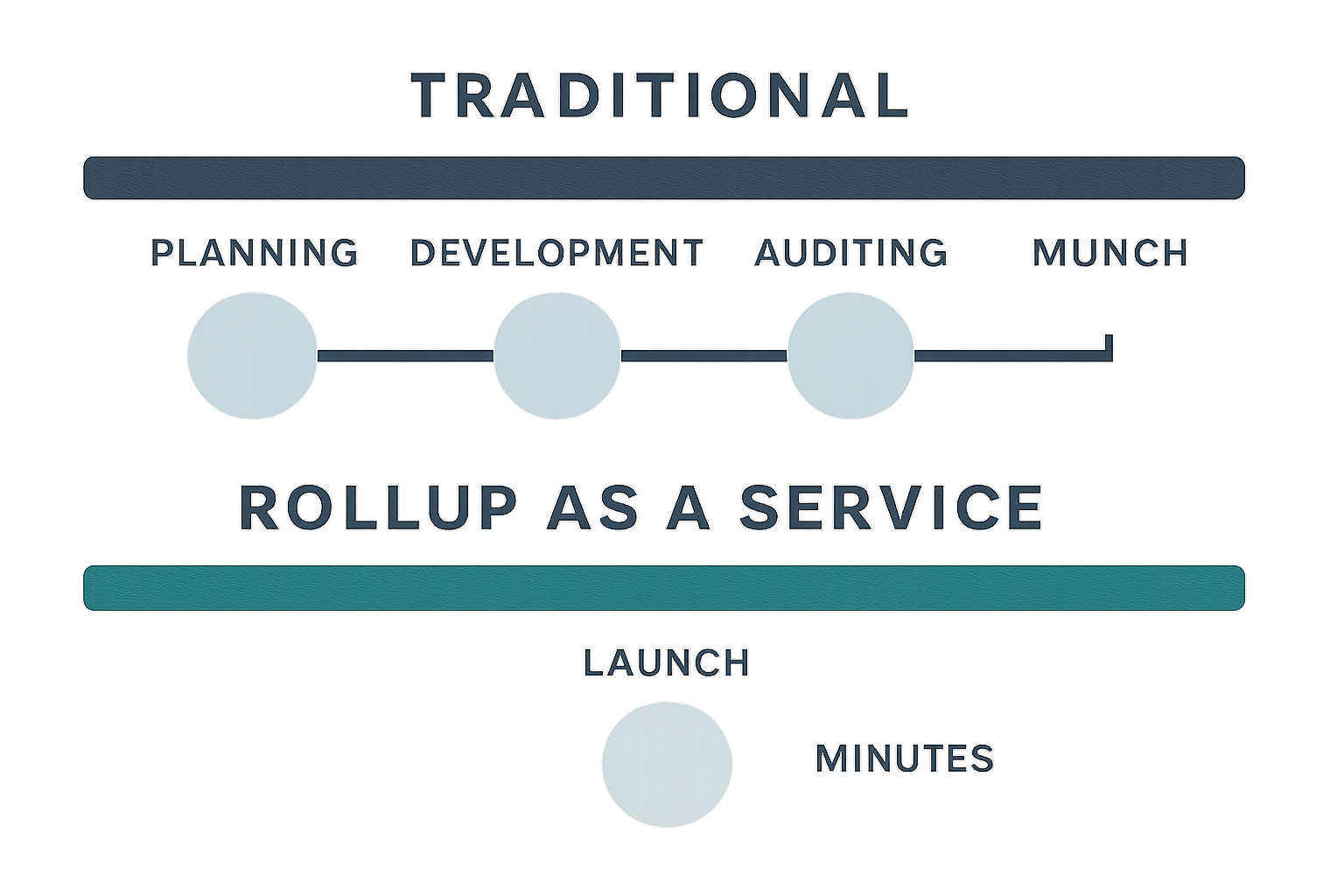
Why Traditional App-Chain Launches Drag On
Picture this: your team blueprints a sovereign blockchain tailored for a DeFi protocol or gaming ecosystem. Excitement builds, but then reality hits. You dive into sequencer setup, data availability layers, and settlement mechanisms on Ethereum or beyond. Legacy tooling, as one developer lamented on X, turns iteration into a slog, the real bottleneck isn't code, it's the infrastructure grind.
Industry voices echo this pain. Frontend scaling talks highlight build tool evolutions, yet blockchain lags with fragmented stacks. Inheriting outdated systems? Forget modern gains. ZK rollup research pushes formal foundations, but without streamlined deployment, theoretical wins stay theoretical. Months evaporate on custom VMs, CI/CD pipelines, and uptime battles, delaying market entry and inflating costs.
Abstract rollup technology changes the equation at abstractwatch. com. Our platform abstracts these headaches, letting builders sidestep rebuild cycles entirely.
Deployment Comparison: Traditional vs RaaS Providers
| Approach | Deployment Time | Cost | Expertise Required | Key Benefits |
|---|---|---|---|---|
| Traditional | 3-6 months ⏱️ | High 💰 | Expert engineering team 👥 | Full custom infrastructure build |
| Conduit | <30 minutes ⚡ | Low | Minimal developer | Ethereum mainnet/testnet launch, eliminates complexities |
| Caldera | 1-click 🖱️ | Low | Minimal developer | Supports various frameworks, high uptime, fast go-to-market |
| Abstract | Minutes with full tooling 🔧 | Low | Minimal developer | Testnet faucets, block explorers, bridge interfaces |
RaaS Emerges as the Efficiency Engine
RaaS platforms like ours at abstractwatch. com flip the script on raas app chain deployment. Instead of wrestling servers and bridges, developers click to deploy production-grade rollups. Conduit exemplifies this, firing up Ethereum mainnet chains in under 30 minutes. Caldera's Metalayer standardizes execution and settlement, bundling explorers, faucets, and bridges, tools that once required separate builds.
By standardizing execution, settlement, and developer tooling, the Metalayer offers a new model for how rollups can scale.
This isn't hype; it's strategic necessity. Startups gain weeks for core logic, iterating faster amid 2025's custom rollup launch surge. Our service mirrors this, with robust docs and support ensuring 99.99% uptime. No more legacy traps, modular utilities and shared toolboxes accelerate everything from TypeScript rollups to ZK proofs.
Quantifying the Time Savings in Practice
Let's break it down. Traditional paths? Expect 3-6 months for a basic app-chain: weeks on node ops, more on testing bridges, endless debugging. RaaS compresses this to hours or less. Alchemy notes comprehensive stacks cut dev time dramatically, freeing focus for apps.
For a mid-sized team eyeing multi-chain, this means reallocating engineers from ops to innovation. One-click deploys handle scaling pains, from Docker builds to GitHub actions, echoing Depot. dev's CI/CD wins. In blockchain, where speed dictates survival, RaaS simplifies app-chain deployment, turning infrastructure rebuilds into relics.
Consider zk-rollup devs grappling source mapping. RaaS layers in ready tooling, boosting DX without custom forks. Abstractwatch. com's approach ensures seamless integration, positioning your project ahead in the app-chain race.
Teams leveraging this shift report reclaiming 80-90% of their engineering bandwidth, channeling it into unique value propositions like advanced ZK proofs or cross-chain composability. It's not merely about speed; it's about outmaneuvering competitors who cling to bespoke builds, mired in the tooling pitfalls that plague even frontend giants.
Streamlining Your Custom Rollup Launch in 2025
In 2025, as custom rollup launch demands intensify, platforms like Abstractwatch. com stand out by bundling everything from modular utilities to fault-tolerant sequencing. Developers dodge the legacy codebase curse, embracing efficiencies akin to modern CI/CD revolutions. No more wrestling Docker layers or GitHub runner lags; RaaS delivers pre-optimized stacks, letting you iterate at the pace blockchain evolution demands.
Launch Your App-Chain in Minutes: RaaS Step-by-Step Guide
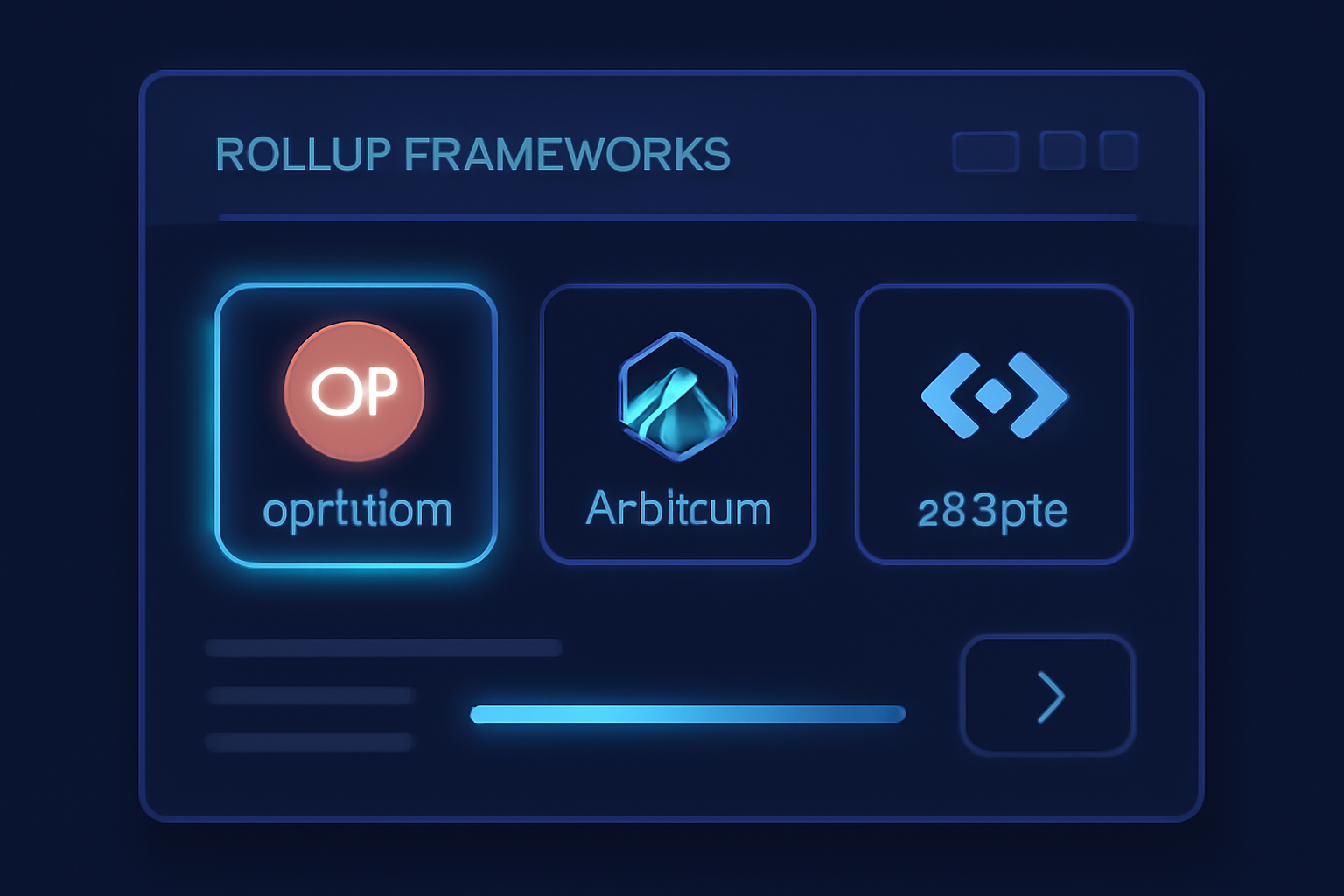
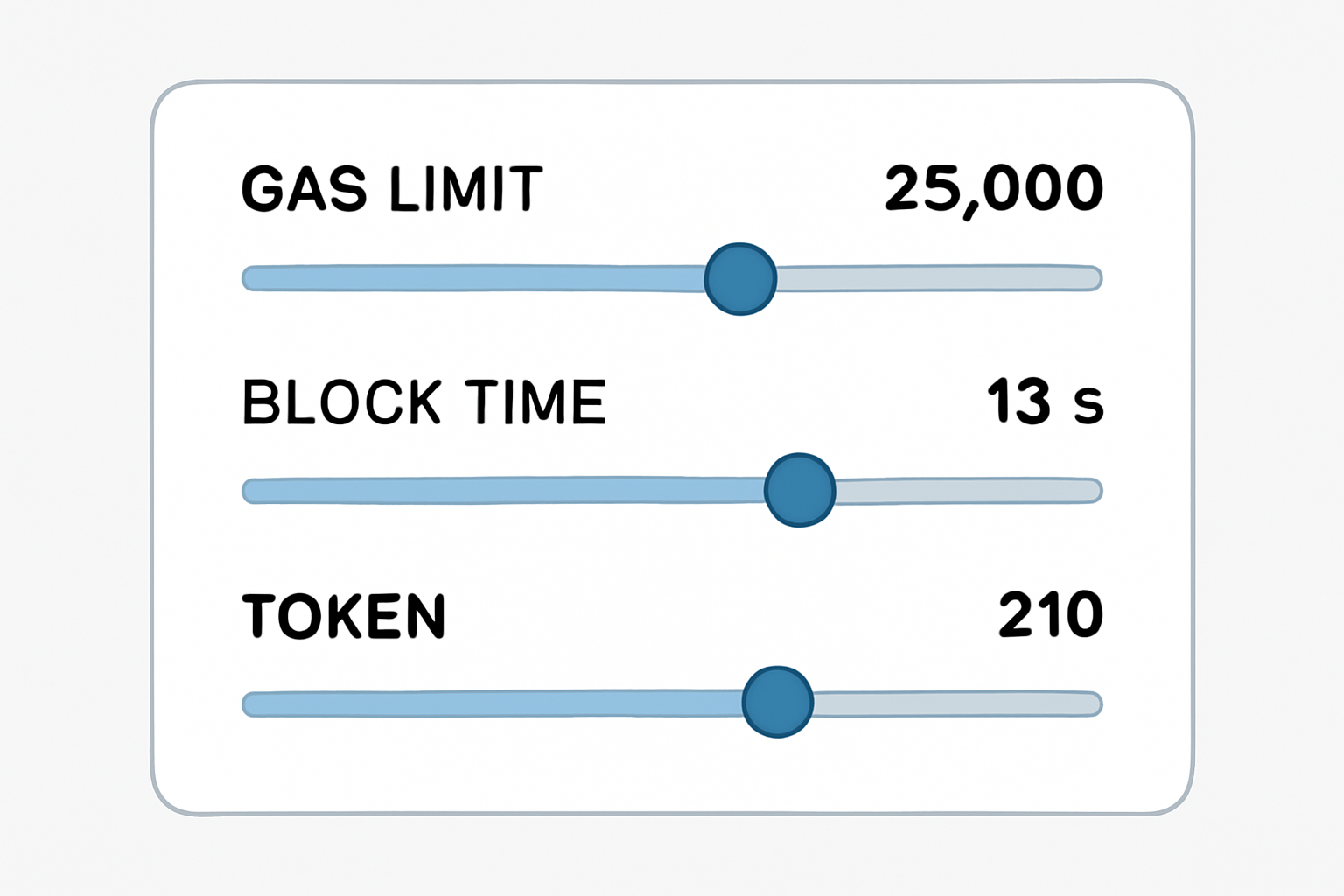
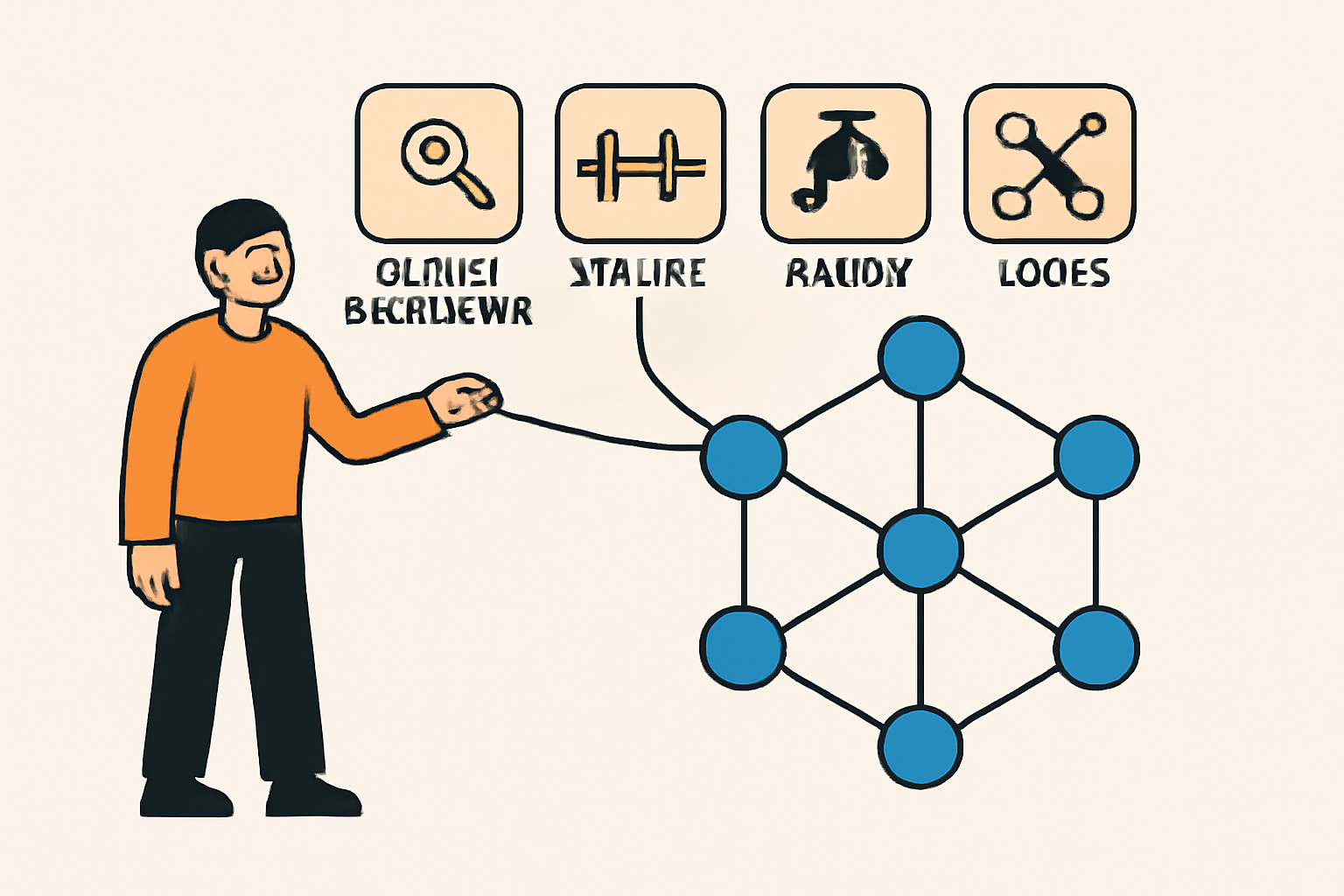
This hands-on flow underscores RaaS's true power. Pick your rollup type-OP Stack, Arbitrum Orbit, or ZK variants-then tweak economics and governance in a dashboard. Deploy hits Ethereum settlement instantly, with faucets and explorers live. Bridges? Auto-provisioned. Security audits? Baked into the stack via formal modeling inspirations from recent arXiv papers. What took quarters now unfolds in a single sprint.
Strategic builders prioritize this for more than velocity. High uptime-99.99% and climbing-beats sporadic custom node crashes. Scalability follows, handling frontend-scale traffic without the build tool fragmentation seen in JS ecosystems. Caldera's Metalayer vision aligns perfectly here, dissolving silos through standardized tooling that RaaS providers amplify.
Numbers tell the story. Abstractwatch. com edges ahead with tailored abstract rollup technology, supporting bespoke VMs without the cross-module integration headaches developers like Dave Moore decry. For startups, this translates to leaner burn rates and sharper go-to-market edges. Enterprises? They scale multi-chain fleets effortlessly, mirroring TypeScript adoption wins at massive codebases.
Overcoming Rollup Infrastructure Challenges Long-Term
Yet RaaS shines brightest in resilience. Traditional setups falter under attack vectors or data availability snarls; service-managed rollups layer in redundancies, monitoring, and upgrades. Think VoidZero's tooling foresight applied to chains: proactive, developer-centric. ZK devs gain source mapping aids, easing smart contract debugging that once stalled projects.
Opinion: Skipping RaaS in 2025 isn't risk-averse; it's self-sabotage. The app-chain landscape rewards agility, punishing infra rebuilds. By offloading ops, you craft moats around proprietary logic-gaming mechanics, DeFi oracles, NFT marketplaces-that legacy drudgery obscures. Launch your custom blockchain app-chain via RaaS, and watch timelines collapse while opportunities explode.
Forward-thinkers at Abstractwatch. com pioneer this daily, fueling an ecosystem where builders thrive unburdened. Dive in, deploy fast, dominate the chain.




No comments yet. Be the first to share your thoughts!