

Web3 startups in 2025 are navigating a transformed landscape, where deploying an app-chain no longer demands deep protocol expertise or months of engineering. The rise of Abstract Rollup-As-A-Service (RaaS) platforms is rapidly lowering the barrier to entry, enabling teams to launch scalable, secure, and customizable blockchains in a matter of minutes. This shift is not just about speed; it’s about empowering innovation by abstracting away the infrastructure headaches that once slowed Web3 adoption.
Breaking Down Complexity: How Abstract RaaS Simplifies Deployment
Historically, launching an app-specific blockchain meant wrestling with validator setup, bridge integration, and endless configuration. In 2025, RaaS platforms like Asphere and others have introduced intuitive no-code and low-code interfaces that let developers configure their own rollups without ever touching raw consensus code. For example, Asphere’s collaboration with the Web3 Foundation brought a visual deployment framework based on the Polkadot SDK, complete with ready-to-use templates for tokenomics and governance. This means that even lean startup teams can deploy high-performance rollups with custom features in minutes rather than months.
The result? More time spent building products and less on infrastructure troubleshooting. With drag-and-drop modules for everything from staking to on-chain voting, technical barriers are minimized while flexibility remains high.
Scalability Without Sacrifice: Performance Gains for Web3 Startups
One of the main reasons top teams are embracing rollup as a service is scalability. Rollup technology enables parallel transaction processing, dramatically increasing throughput and reducing latency. In practice, this means dApps can handle thousands of concurrent users without the fee spikes or bottlenecks common on legacy L1 chains.
This modular approach isn’t just theoretical; it’s already powering new classes of applications in DeFi, gaming, and digital collectibles that demand high concurrency at low cost. By leveraging these platforms’ built-in monitoring tools and automated scaling features, startups can focus on user experience rather than backend limitations.
Pushing Down Costs: The Economic Case for RaaS
The financial benefits of deploying via an abstract rollup technology platform are clear. Instead of investing heavily in custom blockchain infrastructure, often running into six or seven figures, startups can launch with minimal capital outlay. The RaaS provider manages everything from node operations to compliance frameworks, drastically reducing ongoing maintenance costs as well.
This cost efficiency is crucial as Ethereum itself trades at $2,926.86, reflecting both market maturity and heightened competition among dApp builders seeking affordable blockspace. By shifting infrastructure burdens onto specialized providers offering industry-leading uptime and support, startups unlock more resources for product development and go-to-market efforts.
Sovereignty Meets Flexibility: Customization and Control
No two Web3 projects are alike, and Abstract RaaS platforms recognize this by supporting extensive customization options across tokenomics, governance models, runtime upgrades, and more. Whether you’re building a DAO with unique voting logic or an NFT game requiring specialized asset management modules, these platforms offer granular control over your network’s evolution without sacrificing security or interoperability.
This sovereignty is paired with seamless integration into broader blockchain ecosystems thanks to native interoperability features, such as those offered by Polkadot’s relay chain structure, ensuring your app-chain can interact with other networks while maintaining its own ruleset.
Security is another area where Abstract Rollup-As-A-Service platforms have moved the needle. Instead of relying on siloed, self-managed validators, startups benefit from shared security models and robust monitoring baked into the RaaS stack. This means fewer attack vectors and more reliable uptime, critical for teams aiming to build trust with users in competitive verticals like DeFi or gaming.
For founders, this translates to peace of mind. Rather than allocating precious engineering cycles to patching vulnerabilities or running incident response drills, teams can take advantage of automated threat detection and real-time alerts provided by their RaaS partner. As a result, the focus remains squarely on product innovation and user growth.
A Founder’s Checklist: Launching Your App-Chain with Abstract RaaS
Key Steps to Launch an App-Chain with Abstract RaaS
- 1. Define Your App-Chain RequirementsStart by outlining your app-chain’s purpose, target users, and core features. Identify the desired use case—such as DeFi, gaming, NFTs, or DAOs—and determine your requirements for scalability, security, and interoperability.
- 2. Choose a Leading Abstract RaaS PlatformSelect a reputable Rollup-as-a-Service provider like Asphere (noted for its no-code Polkadot SDK integration) or Zeeve. These platforms offer user-friendly dashboards and pre-built templates to streamline deployment.
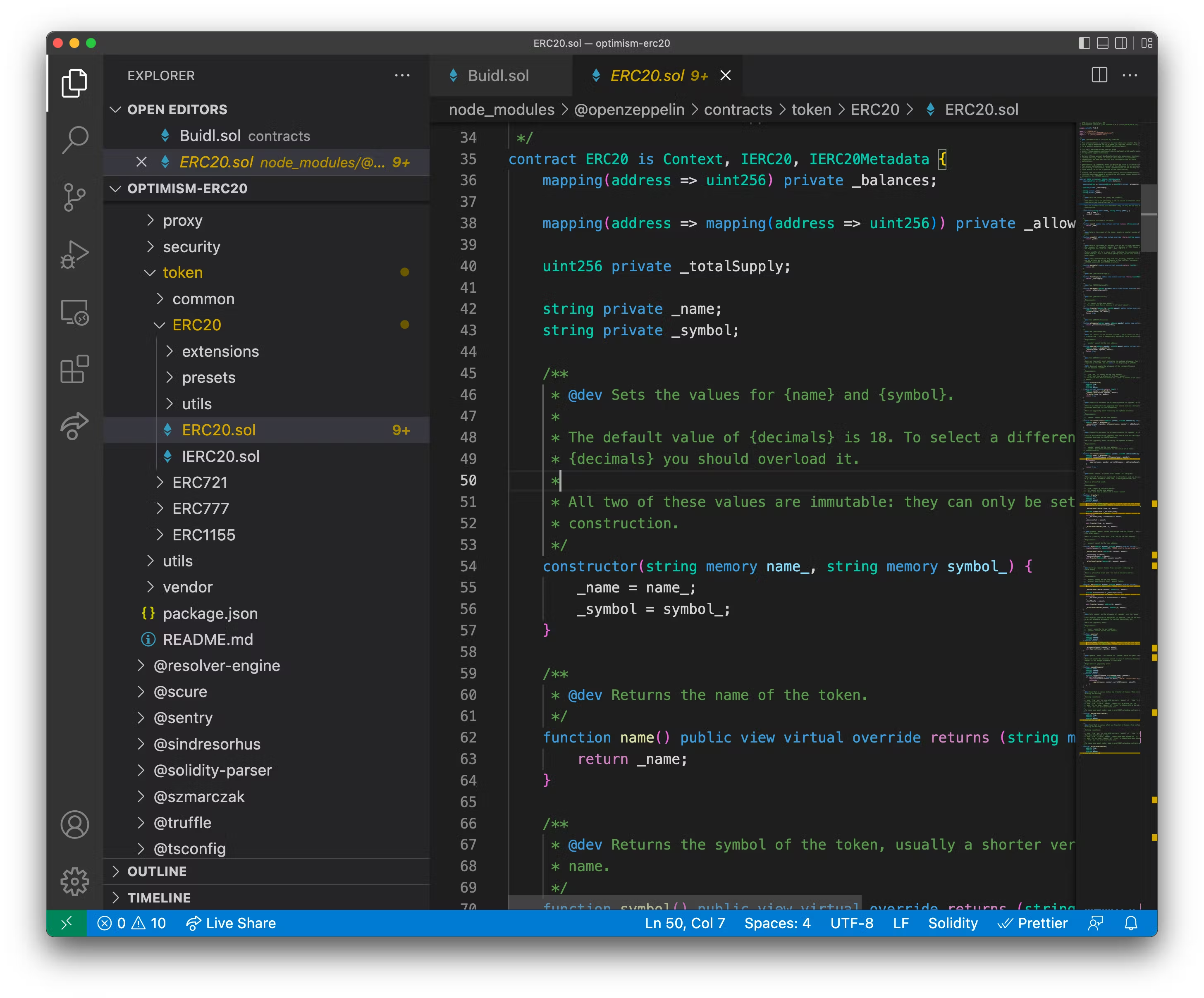
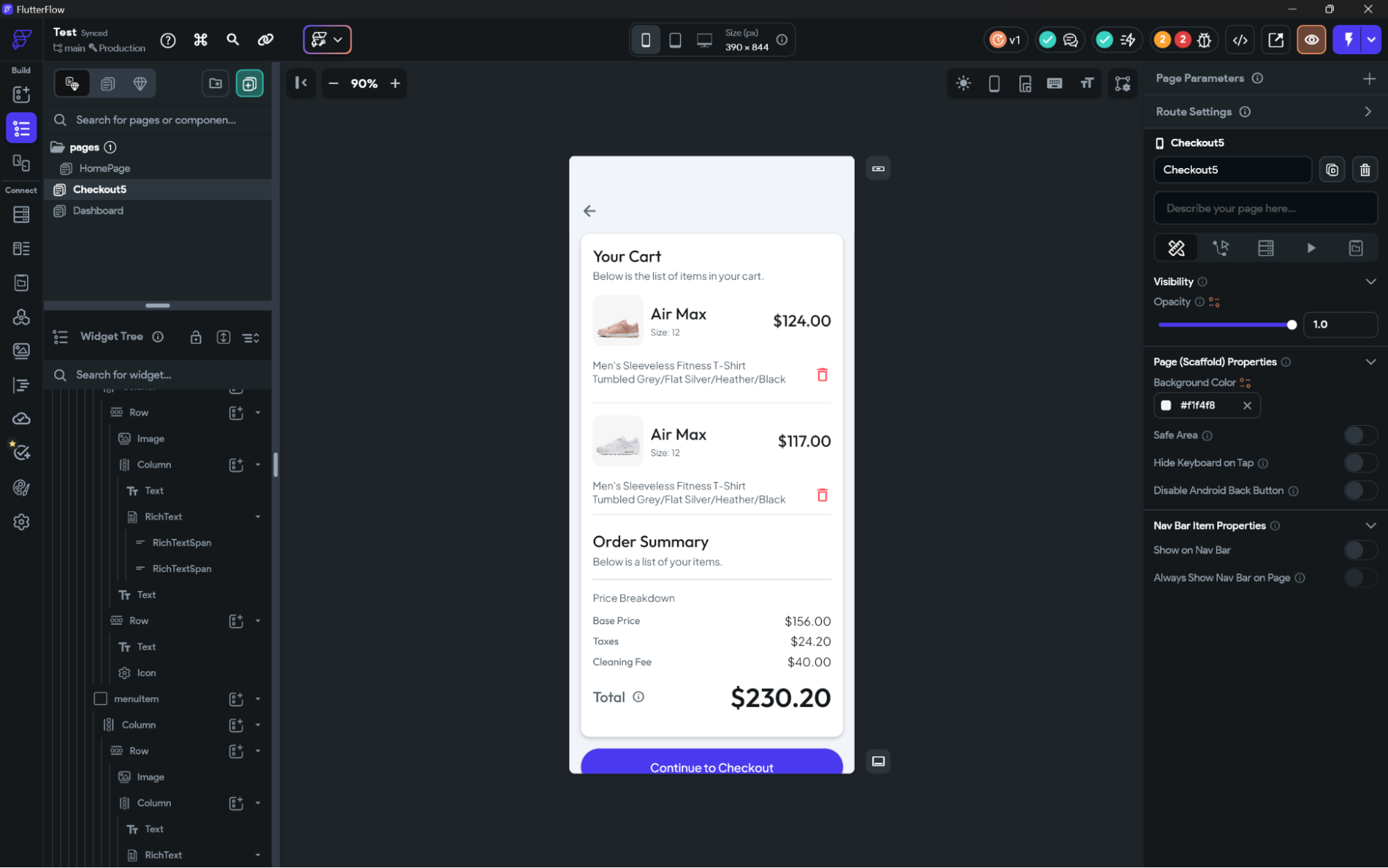
- 3. Configure Your Rollup with No-Code ToolsUtilize the platform’s visual interface to customize network parameters, tokenomics, and governance models. With solutions like Asphere’s no-code rollup deployment, you can launch high-performance, interoperable rollups in minutes.
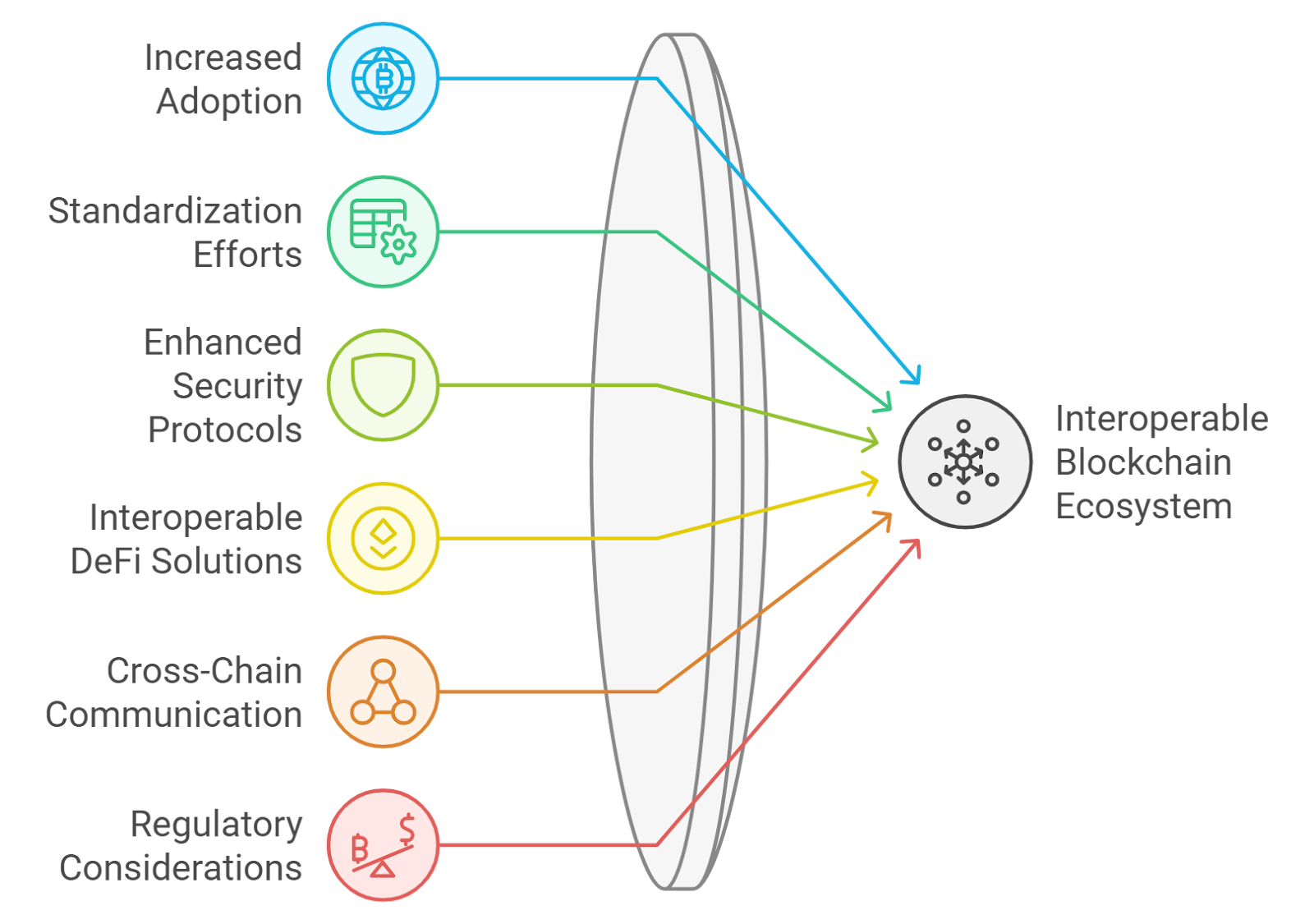
- 4. Integrate Security and Interoperability FeaturesLeverage built-in modules for native interoperability (e.g., Polkadot’s relay-chain security) and ensure your app-chain can connect seamlessly with other networks. This step is crucial for trust and cross-chain functionality.
- 5. Launch, Monitor, and Scale Your App-ChainDeploy your customized rollup, then use the platform’s monitoring and analytics tools for real-time performance tracking. RaaS providers like Zeeve and Instanodes offer ongoing support, uptime guarantees, and scaling solutions as your user base grows.
If you’re considering deploying a custom rollup this year, here’s what sets apart leading platforms:
- No-code/low-code deployment: Visual interfaces drastically reduce time-to-market
- Built-in compliance and monitoring: Automatic node management and regulatory features
- Customizable modules: Tailor tokenomics, governance, oracles, and more without deep protocol work
- Native interoperability: Out-of-the-box bridges connect your app-chain to major L1s and L2s
- SLA-backed reliability: Industry-leading uptime ensures your dApp stays online as you scale
The bottom line? Abstract Rollup-As-A-Service platforms are leveling the playing field for Web3 startups in 2025. By abstracting away infrastructure headaches and offering powerful customization options alongside security and interoperability guarantees, they let founders focus on what matters, building products users love.
If you’re ready to accelerate your app-chain journey or want to compare specific RaaS offerings in depth, check out our detailed guide: How Rollup-As-A-Service Simplifies App-Chain Deployment for Blockchain Developers.




No comments yet. Be the first to share your thoughts!