
The architecture of blockchain scalability has undergone a seismic shift in 2025, with shared sequencer rollups emerging as the backbone for true cross-rollup interoperability. The days of isolated Layer 2s, each maintaining their own transaction ordering and battling liquidity silos, are quickly fading. Instead, shared sequencing is enabling unified execution layers that unlock atomic cross-rollup swaps, real-time composability, and a new wave of interoperable decentralized applications.
Why Shared Sequencers Matter in 2025
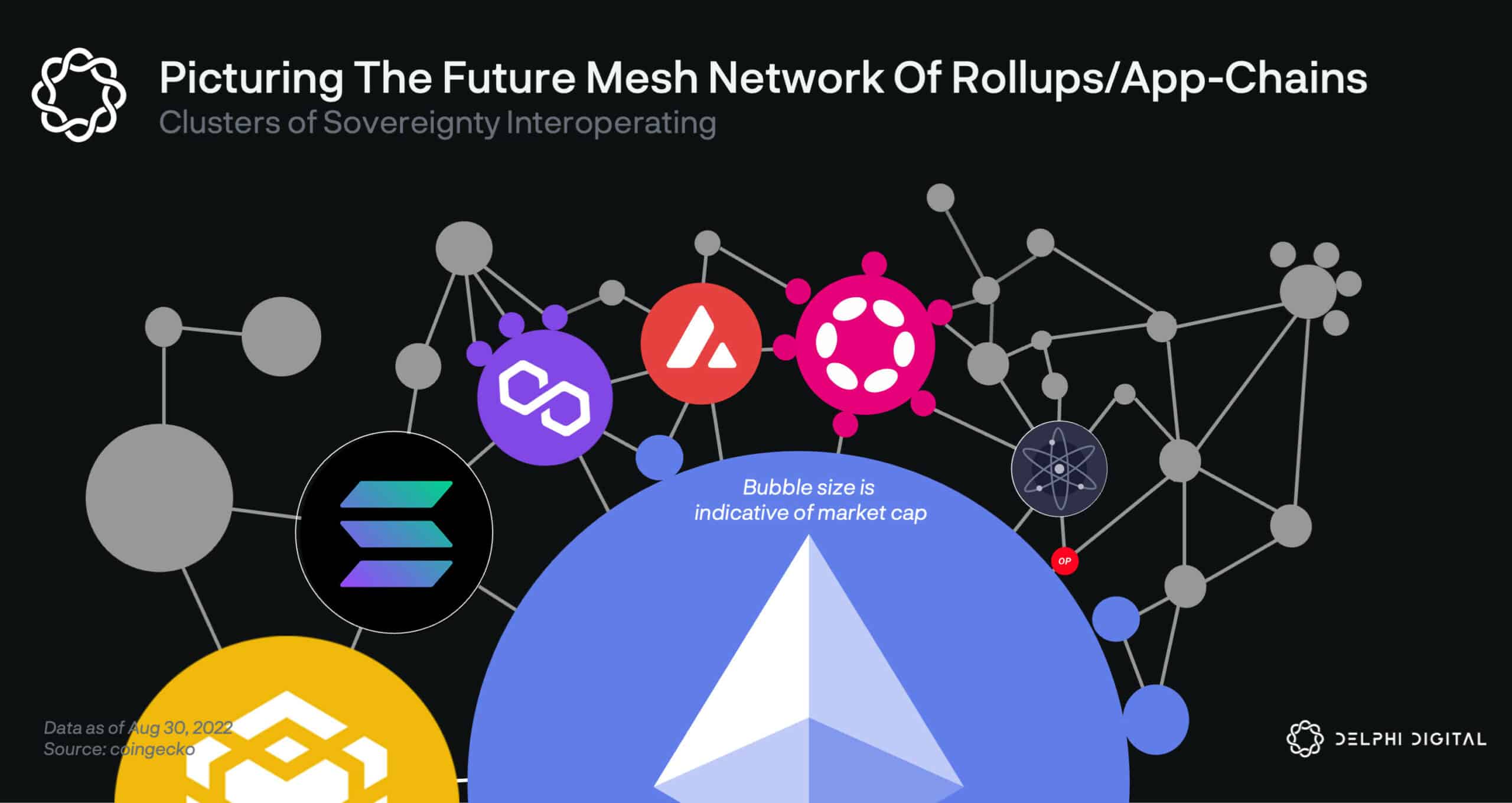
Historically, every rollup operated its own sequencer. This led to fragmented liquidity and slow, unreliable cross-chain communication. The introduction of shared sequencers - infrastructure that coordinates transaction ordering across multiple rollups - is fundamentally changing this landscape. By providing a single source of truth for transaction sequencing, shared sequencers like Espresso and Rome Protocol are:
- Eliminating fragmented liquidity by allowing DeFi protocols to create unified liquidity pools accessible from any participating rollup.
- Enabling atomic cross-chain execution, so complex DeFi trades or NFT actions spanning multiple chains settle instantly or not at all.
- Reducing MEV risks, since coordinated sequencing minimizes opportunities for extractive front-running between different rollups.
This architecture is now powering ecosystems like Superchain and app-chain platforms leveraging Rollup-As-A-Service (RaaS), where composability isn’t just a buzzword but an operational reality. For a deeper dive into how these systems are shaping the industry, see this overview: Superchain: How Shared Sequencing Is Transforming Rollup Interoperability (2025 Guide).
The Technology Powering Cross-Rollup Interoperability
The core innovation behind shared sequencers is their ability to coordinate transaction inclusion across disparate rollups without introducing new trust assumptions or centralization risks. Consider the following key developments:
- Rome Protocol: Utilizes Solana’s high throughput as a shared sequencer, allowing new rollups to launch rapidly while benefiting from atomic composability and efficient cross-rollup messaging.
- Espresso HotShot: Implements a consensus protocol designed for fast finality and high throughput across Ethereum L2s, making it possible for dApps to operate seamlessly over multiple chains.
- IntegrateX Framework: Provides an architecture where cross-chain execution logic is deployed on a single chain for efficient, secure interoperability between smart contracts on different app-chains.
This technological leap means developers can finally build applications that treat the entire modular blockchain ecosystem as one logically contiguous platform - not a patchwork of isolated environments stitched together by brittle bridges.
Challenges: MEV and Decentralization in Shared Sequencing
No solution comes without trade-offs. As shared sequencing gains traction, two critical considerations remain at the forefront:
- Cross-Rollup MEV: The absence of unified sequencing previously allowed sophisticated actors to exploit gaps between chains for profit (known as Miner Extractable Value). Shared sequencing reduces these risks but does not eliminate them entirely; ongoing research focuses on minimizing MEV leakage through advanced consensus mechanisms and fair ordering protocols.
- Avoiding Centralization: While shared sequencers aim to eliminate single points of failure seen in traditional setups, poorly designed systems could become new choke points. Decentralized consensus engines like HotShot are being rigorously tested to ensure censorship resistance and robust uptime even under adversarial conditions.
The path forward demands disciplined engineering and constant vigilance against new forms of centralization or exploitation. Yet it’s clear that the benefits far outweigh the challenges - especially as more projects adopt Rollup-As-A-Service platforms purpose-built for seamless interoperability.
Forward-looking teams are already leveraging shared sequencer rollups to deliver user experiences that were previously impossible. For example, DeFi protocols on Superchain now offer unified liquidity pools accessible from any app-chain, while NFT platforms can facilitate instant cross-rollup transfers without relying on slow or risky bridges. This shift is not just technical but economic: as composability improves, capital efficiency increases and new business models emerge across the modular blockchain stack.
Developers building on Rollup-As-A-Service (RaaS) providers are particularly well-positioned to capitalize on these trends. By abstracting away the complexity of sequencing and interoperability, RaaS platforms enable teams to focus on core product innovation rather than infrastructure headaches. The result is a rapidly expanding ecosystem of interoperable app-chains, each contributing to a shared liquidity layer and benefiting from atomic execution guarantees.
What’s Next for Cross-Rollup Interoperability?
Looking ahead, several themes will define the next phase of shared sequencer evolution:
- Decentralized Governance: As adoption scales, governance over sequencer sets will become increasingly decentralized. Expect DAOs and multi-stakeholder governance models to play a larger role in protocol upgrades and dispute resolution.
- Advanced MEV Mitigation: New cryptographic techniques and fair ordering algorithms are under development to further reduce MEV risks, making cross-rollup execution more equitable for all participants.
- Programmable Sequencing Logic: Some projects are exploring customizable sequencing rules, enabling applications to define their own transaction prioritization or settlement logic within a shared framework.
This innovation cycle is accelerating as research from projects like Espresso Systems and IntegrateX informs best practices for secure, high-throughput interoperability. The ultimate goal: make moving assets or data between rollups as seamless as sending an email, instantaneous, reliable, and trust-minimized.
For those evaluating whether to build on or integrate with shared sequencer rollups in 2025, the calculus has shifted decisively. Liquidity fragmentation is being solved at the root; composability is now a first-class feature; and new primitives for atomic cross-chain execution are setting the stage for another wave of blockchain-native applications. As always in crypto, vigilance around decentralization and MEV remains essential, but the direction of travel is clear.
The modular future is arriving faster than many anticipated. Teams who embrace shared sequencing today will shape the next decade of blockchain innovation, unlocking new forms of collaboration, capital efficiency, and user experience across the entire app-chain landscape.

No comments yet. Be the first to share your thoughts!