
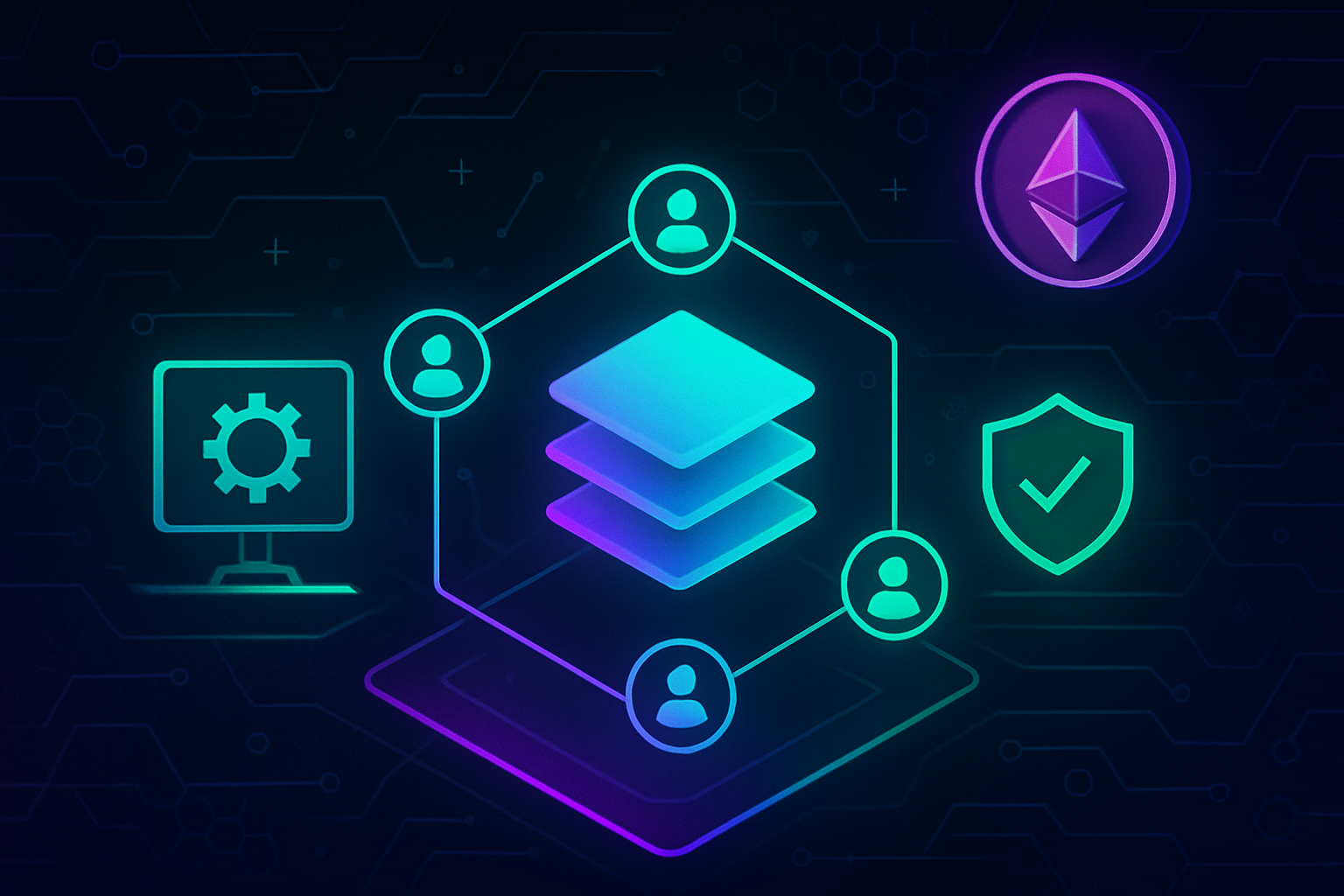
In 2025, Rollup-as-a-Service (RaaS) platforms have become the backbone for teams aiming to launch custom app chains without the heavy lift of bespoke blockchain infrastructure. With demand for scalable, application-specific blockchains at an all-time high, RaaS providers like abstractwatch. com are reshaping how developers approach both deployment and ongoing management. But as the market matures beyond initial hype cycles, it’s essential to separate genuine advantages from emerging challenges, and to understand what best practices are critical for sustainable growth.

Rapid Customization and Scalability: The Core Benefit
The most compelling value proposition of modern RaaS platforms is rapid customization and scalability. Where launching a custom rollup once demanded 6-9 months of engineering effort and significant operational expense, today’s modular frameworks allow teams to spin up highly tailored app chains in minutes. Platforms like abstractwatch. com provide intuitive dashboards and pre-configured templates, letting projects fine-tune consensus mechanisms, gas tokens, block times, and more, all without sacrificing Ethereum Virtual Machine (EVM) compatibility or enterprise-grade uptime SLAs.
This agility is transforming the landscape for both startups and established enterprises. Teams can now experiment with new business models or migrate existing dApps to dedicated rollups that optimize performance for their specific workloads. In effect, RaaS unlocks the promise of application-specific blockchains while abstracting away much of the underlying complexity. For those seeking a step-by-step overview of this process, see our detailed guide.
Interoperability and Fragmentation Challenges: Key Limitation
However, this rapid deployment comes with tradeoffs, most notably in interoperability and ecosystem fragmentation. While each RaaS-powered rollup is highly customizable, current frameworks are not natively compatible at the code level. This creates silos where app chains operate independently but lack seamless cross-rollup communication. As adoption accelerates across verticals like DeFi and gaming, bridging assets or data between these isolated rollups introduces technical hurdles, and sometimes security risks.
The result is a patchwork landscape where developers must navigate complex bridging protocols or accept limited interoperability. This fragmentation can dilute network effects and slow ecosystem growth if not proactively addressed by both RaaS vendors and their clients. Industry voices increasingly call for standardized cross-rollup messaging layers as part of next-generation modular blockchain solutions.
Prioritize Security Audits and Upgradability: A Best Practice for 2025
Given the pace at which rollup infrastructure evolves, and the risk of technical debt accumulating as best practices shift provides prioritizing security audits and robust upgrade mechanisms is paramount. Early adopters face unique risks if they neglect thorough vetting of their custom rollups or lack processes for safe protocol upgrades.
Mature RaaS providers now offer integrated tools for security analysis alongside upgrade workflows that minimize downtime or user disruption. Teams should allocate resources toward periodic third-party audits as well as automated monitoring solutions that flag anomalies in real time. Just as importantly, upgradability must be designed into the chain from day one; retrofitting this capability after launch can be costly or even destabilizing.
The importance of this best practice cannot be overstated, especially as regulatory scrutiny intensifies and user expectations around reliability continue to rise. For additional context on how leading projects implement these safeguards during deployment, refer to this practical overview.
Looking ahead, the interplay between rapid deployment and long-term resilience will define which RaaS-powered app chains thrive. While speed-to-market is a powerful advantage, neglecting interoperability or security can undermine even the most innovative projects. Developers must weigh these considerations carefully as they architect their custom solutions.
Strategic Recommendations for Blockchain Teams
Teams leveraging RaaS in 2025 should focus on three pillars:
- Leverage rapid customization and scalability to iterate quickly and capture emerging opportunities.
- Anticipate interoperability challenges by designing with future cross-rollup communication in mind, even if current tooling is limited.
- Embed security audits and upgradability into the development lifecycle, treating them as non-negotiable standards rather than afterthoughts.
This pragmatic approach allows teams to harness the full power of modular blockchain frameworks while minimizing technical debt and ensuring readiness for ecosystem shifts. As RaaS platforms continue to mature, expect new standards around messaging protocols and shared security layers to emerge, potentially reducing fragmentation over time.
Ecosystem Outlook: What’s Next for RaaS?
The coming year will likely see increased collaboration between RaaS providers, open-source contributors, and enterprise adopters aimed at solving interoperability bottlenecks. Initiatives around universal bridges, cross-chain messaging protocols, and shared liquidity pools are gaining traction. Until these become industry norms, however, developers must remain vigilant about the risks outlined above.
For those considering their first or next deployment, it’s worth reviewing comprehensive guides that detail each step of the process, from initial configuration through ongoing monitoring, such as this resource. Staying informed about evolving best practices will be key to maximizing both performance and user trust.
Final Thoughts: Building for Resilience in a Modular Era
The rise of Rollup-as-a-Service marks a pivotal shift in blockchain scalability strategy. By enabling rapid customization and scalability via platforms like abstractwatch. com, projects can move faster than ever before. Yet this speed must be balanced with a clear-eyed view of current limitations, especially around interoperability, and a disciplined commitment to security audits and upgradability from day one.
The winners in this next wave of blockchain innovation will be those who not only deploy quickly but also build resiliently for an interconnected future. For more insights into how app chain projects are navigating these dynamics using RaaS platforms, explore real-world examples here.
About the Author